Ray
"Seeing the world through the keys."
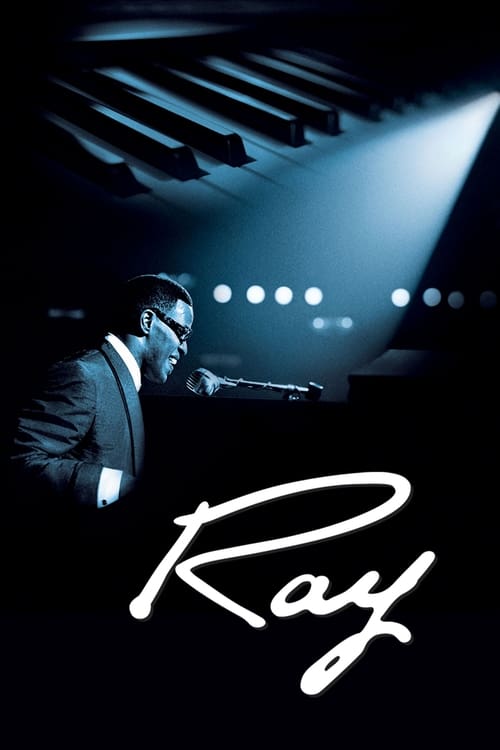
There is a specific kind of silence that happens right before a soul record drops—that crackling, pressurized void where you can almost feel the dust on the needle. Watching Jamie Foxx sit down at the piano in Ray, I felt that same tension, a physical weight that usually doesn't exist in the "prestige biopic" genre. I remember watching this for the first time on a flight where the person next to me was aggressively knitting a neon green scarf, and even that rhythmic clicking couldn't distract me from the fact that I wasn't just watching an actor; I was watching a possession.
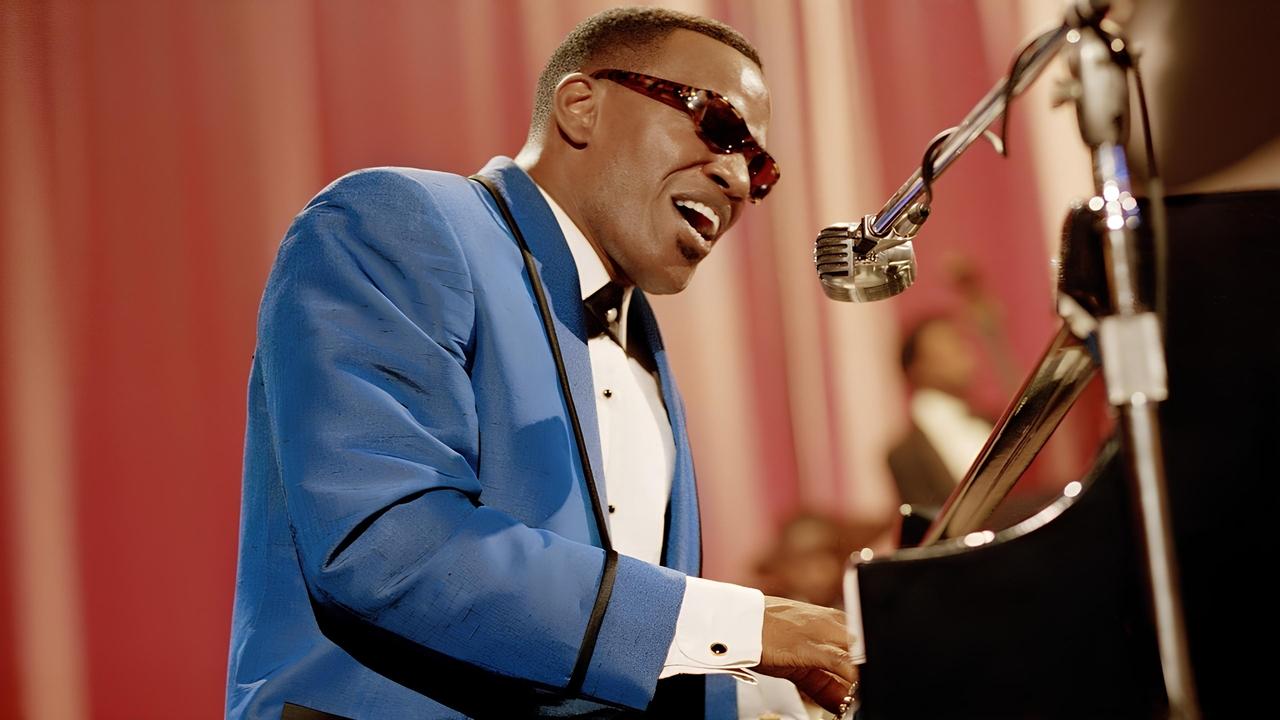
The Ghost in the Machine
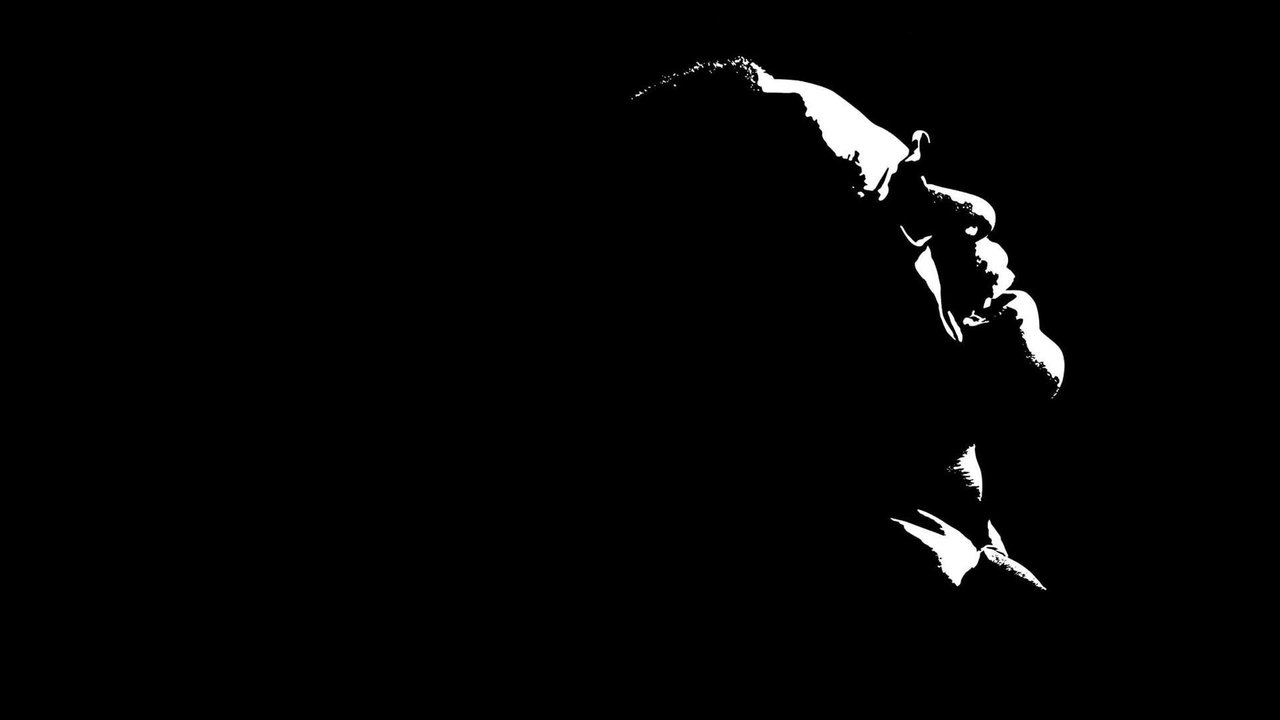
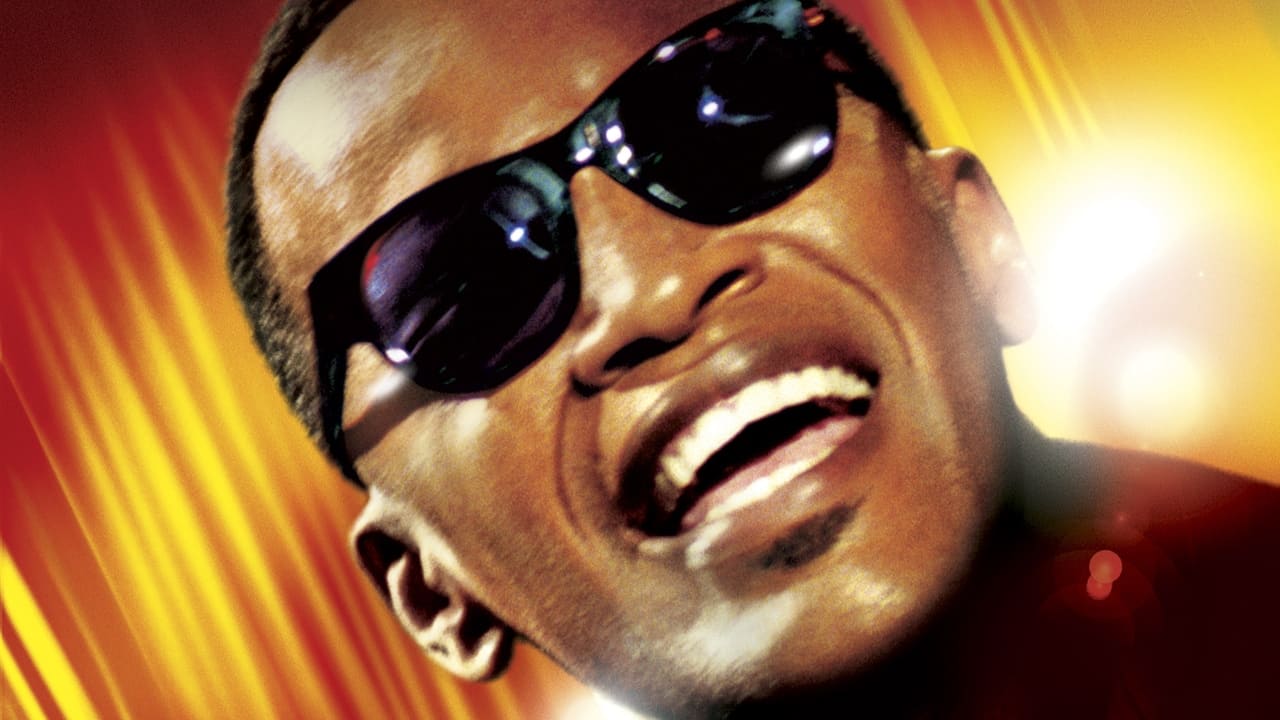
We’ve become a bit cynical about biopics lately. We’ve seen the formula parodied so well in Walk Hard that it’s difficult to watch a musician struggle with "the demons" without rolling our eyes. But Ray hit theaters in 2004, right at the peak of the DVD era’s obsession with "transformative" acting, and it still feels like the gold standard. Jamie Foxx didn't just do an impression; he channeled the frantic, rhythmic, and often difficult energy of Ray Charles.
The story goes that Taylor Hackford (who also gave us An Officer and a Gentleman) spent fifteen years trying to get this movie made. Hollywood didn't think a story about a blind, heroin-addicted soul singer had "mass appeal." They were wrong to the tune of $124 million, but that struggle is visible in the film’s texture. It feels lived-in. When Ray is navigating the "Chitlin' Circuit" or haggling with Atlantic Records executives, the film avoids the shiny, wax-museum look that plagues modern digital biopics. It’s got grit, sweat, and a lot of cigarette smoke.
More Than a One-Man Show
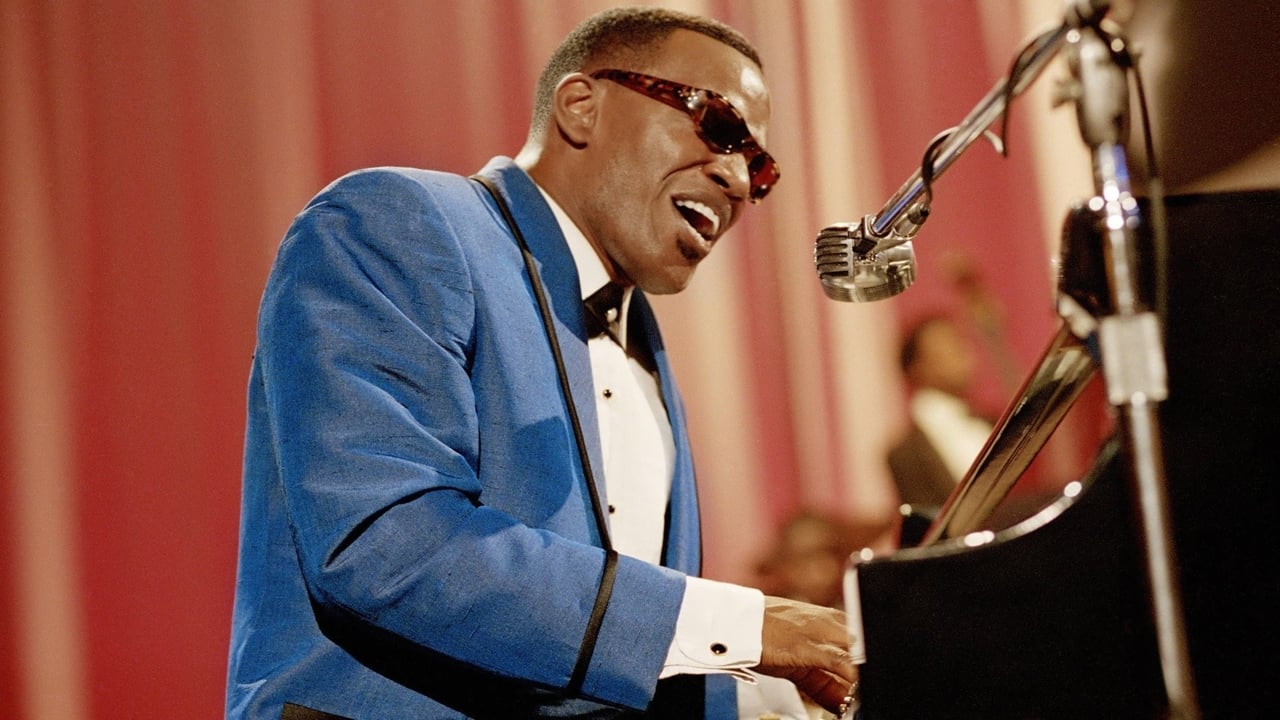
While Foxx deservedly took home the Oscar, the film works because the women in Ray’s life aren't just background noise. Kerry Washington as Della Bea Robinson provides the emotional anchor, but it’s Regina King as Margie Hendricks who nearly steals the movie. Her performance is a raw nerve. When she and Ray are recording "Night Time Is the Right Time," the chemistry isn't just romantic; it’s a collision of two musical titans. You can feel the resentment and the passion vibrating through the studio glass.
I’ve always felt that most biopics are just Wikipedia pages with a high-end lighting budget, but Ray manages to be about the process of creation. We see how "What’d I Say" was birthed out of a late-night set when the band ran out of material. It captures that lightning-in-a-bottle moment where gospel met the blues and caused a literal scandal. The film doesn't shy away from the fact that Ray Charles was often a "difficult" man—a polite way of saying he could be a selfish, calculating genius who prioritized his fix and his sound over almost everyone.
The 2004 Time Capsule
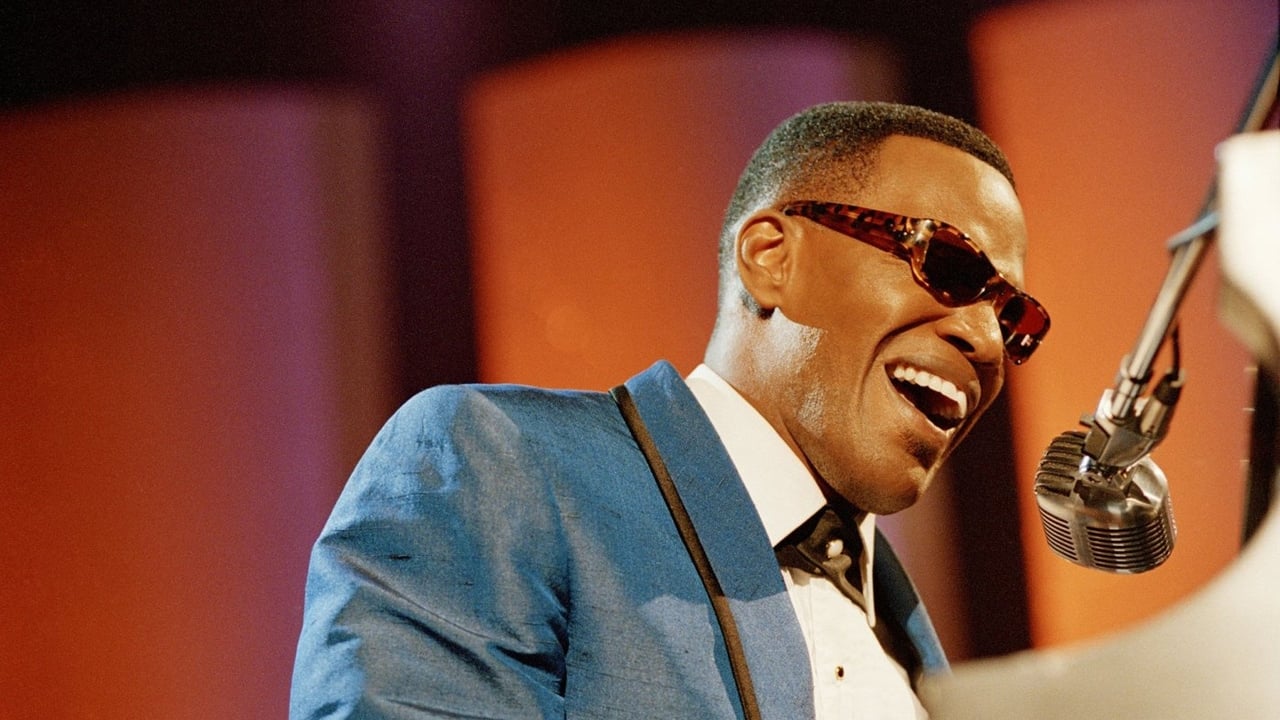
Looking back from the 2020s, Ray feels like a bridge between the old-school Hollywood epics and the modern era. It was one of the last great "mid-budget" dramas that could dominate the cultural conversation before everything became about capes and multiverses. It also arrived at a poignant moment: Ray Charles actually passed away in June 2004, just months before the film’s release. He had seen a rough cut, but never the finished phenomenon.
The production trivia alone is the stuff of legend. To truly inhabit the role, Jamie Foxx had his eyes glued shut with prosthetic eyelids for up to 14 hours a day during filming. He suffered from panic attacks for the first few weeks—which, frankly, sounds like a nightmare, but it clearly informed the frantic, sensory-overload way he portrays Ray’s navigation of the world. He also played all the piano parts himself in the film, though they used Ray's original master recordings for the vocals. It’s that level of commitment that keeps the movie from feeling like a caricature.
Ray is a rare beast: a commercial juggernaut that actually has a soul. It’s long, sure, clocking in at over two and a half hours, but it earns that runtime by refusing to take the easy way out of Ray’s addiction or his complicated business dealings. It captures the transition from the analog era to the brink of the digital revolution, showing us a man who saw the future of music more clearly than anyone with 20/20 vision. If you haven't revisited this since the days of Netflix-by-mail, it’s time to put on some good headphones and let it wash over you again.
Keep Exploring...
-
Save the Last Dance
2001
-
8 Mile
2002
-
Walk the Line
2005
-
Step Up
2006
-

High School Musical 3: Senior Year
2008
-
Step Up 2: The Streets
2008
-
Dreamgirls
2006
-
Billy Elliot
2000
-
Moulin Rouge!
2001
-
Bound by Honor
1993
-
The Devil's Advocate
1997
-
High Fidelity
2000
-
August Rush
2007
-
High School Musical 2
2007
-
Crazy Heart
2009
-
Hannah Montana: The Movie
2009
-
Almost Famous
2000
-

Mr. & Mrs. Smith
2005
-

High School Musical
2006
-
La Vie en Rose
2007