Saw
"Live or die. Make your choice."
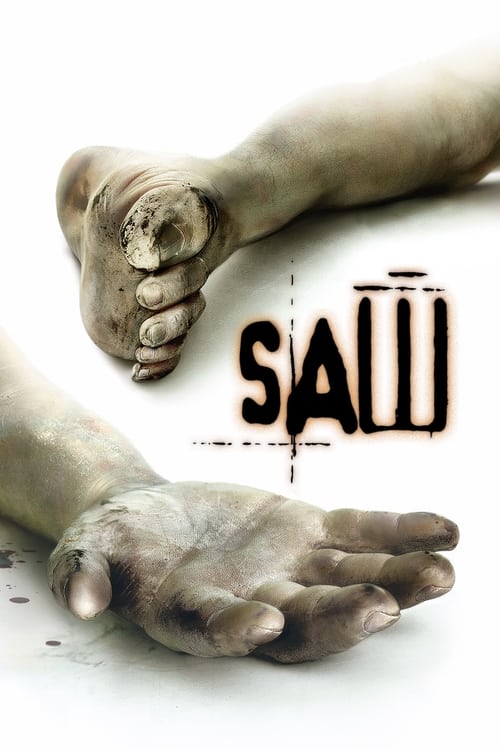
There is a specific, sickly shade of fluorescent green that defined the mid-2000s, a visual grime that felt like you could catch a staph infection just by watching the screen. I first encountered this particular brand of cinematic filth in 2004, huddled in a dorm room while my radiator hissed like a dying snake and the smell of burnt popcorn lingered in the air. That night, I watched two men wake up in a bathroom that looked like it hadn't seen a scrub brush since the Nixon administration, and horror changed forever.
Before it was a sprawling franchise of increasingly convoluted traps and soap-opera plot twists, Saw was a scrappy, $1.2 million indie miracle. It didn't have the glossy finish of the slasher remakes dominating the era; it had something much more dangerous—an idea. James Wan (who would go on to give us The Conjuring and Insidious) and his friend Leigh Whannell didn't just want to gross us out. They wanted to see if we’d be willing to cut our own feet off to stay alive.
The Low-Budget Architecture of Despair
The setup is deceptively simple: two strangers, Dr. Lawrence Gordon (Cary Elwes) and a photographer named Adam (Leigh Whannell), are chained to opposite sides of a subterranean washroom. Between them lies a corpse in a pool of blood. They have a few cassette tapes, two dull hacksaws, and a deadline.
Looking back, the limitations of the production actually became its greatest strengths. Because they couldn't afford massive sets or a long shooting schedule—the entire film was shot in just 18 days—James Wan utilized a frantic, jagged editing style. When the camera spins or the frame rates stutter during the more intense sequences, it isn't just a stylistic choice; it’s a filmmaker frantically trying to hide the fact that he’s working with cardboard and spit. It creates a manic energy that feels like a panic attack.
I’ve always found the "torture porn" label slapped on this film to be a bit of a misnomer. While the sequels certainly leaned into the mechanics of the "trap," this original entry is much more of a Hitchcockian mystery. It’s about the psychological unraveling of two men under pressure. Cary Elwes brings a frantic, high-strung energy that clashes perfectly with Leigh Whannell’s more cynical, street-smart desperation. They are both doing some of the most committed 'panicked sweating' in cinema history.
A Villain Who Actually Has a Point

Then there’s the mastermind. Tobin Bell’s John Kramer, better known as Jigsaw, is the secret sauce that prevented Saw from being a one-hit-wonder. Unlike Michael Myers or Jason Voorhees, Jigsaw isn't a supernatural force or a silent stalker. He’s a dying man with a warped moral compass and a bone to pick with people who waste their lives.
The film taps into a very specific post-9/11 anxiety: the feeling that our comfortable, middle-class lives are fragile and that we are being judged by an unseen force for our perceived moral failings. Danny Glover turns up as Detective Tapp, a man obsessed with catching the killer, and his performance adds a layer of police-procedural weight that keeps the film grounded. Tapp is a broken man, and his subplot with Detective Steven Sing (Ken Leung) provides some of the film's most effective jump scares.
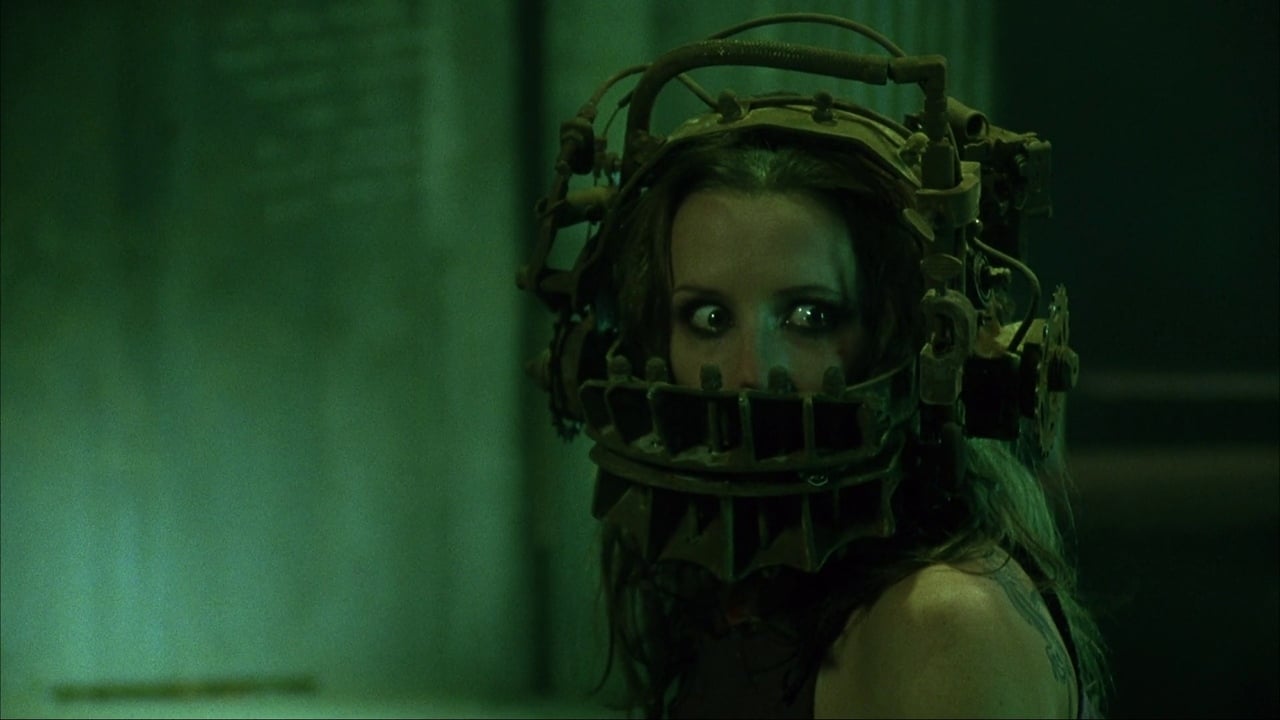
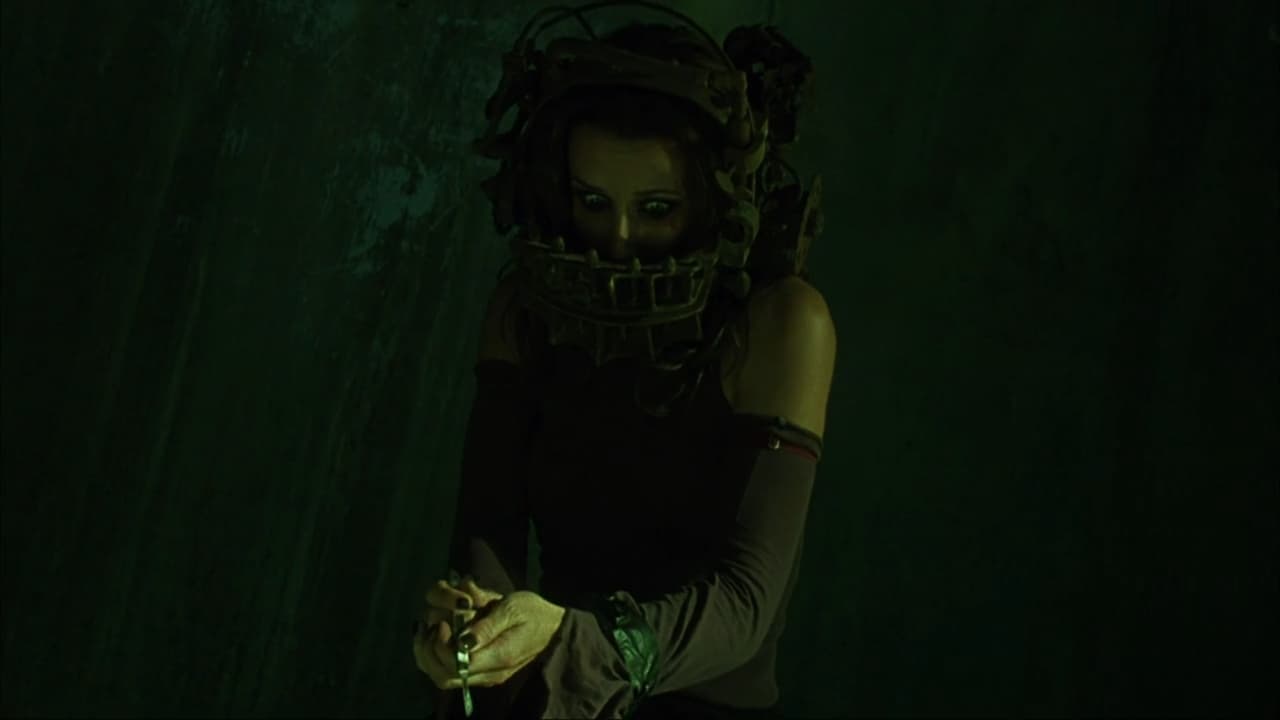
The practical effects here are surprisingly robust for the price tag. The "Reverse Bear Trap" remains an iconic piece of horror machinery, looking like something birthed in a nightmare and welded together in a dirty garage. Funnily enough, the puppet used in the film, Billy, was entirely handmade by James Wan using papier-mâché, clay, and ping-pong balls for eyes. It’s that kind of DIY ingenuity that makes the film feel so visceral.
The Twist That Shook the Watercooler
We have to talk about the ending—without spoiling it for the three people left on Earth who don't know it. In 2004, this was the ultimate "did you see it?" movie. The DVD culture of the time played a huge role in its success; people would buy the disc just to show the final five minutes to their friends. The way the score by Charlie Clouser (of Nine Inch Nails fame) swells into the track "Hello Zepp" as the pieces fall into place is one of the most effective marriages of sound and image in the genre.
Apparently, Tobin Bell actually lay on the floor in that pool of fake blood for six full days of filming. He refused to use a dummy because he wanted to maintain the tension for the other actors. That’s the level of commitment that turned a movie originally intended for a straight-to-video release into a $100 million global phenomenon. It was a "Blockbuster" in every sense, not because of a massive marketing budget, but because it captured a mood. It was mean, it was clever, and it didn't care if you liked it.
Saw is a reminder that you don't need $200 million and a caped hero to change the industry. Sometimes, all you need is a disgusting bathroom, a handmade puppet, and a question that lingers long after the credits roll: what would you do to survive?
The film remains a tight, effective exercise in claustrophobic terror. While the franchise eventually got lost in its own mythology, this first entry is a masterfully paced thriller that relies more on what you imagine than what you actually see. It’s a dirty, uncomfortable, and brilliant piece of independent filmmaking that earned every cent of its massive box office. If you can stomach the grime, it's a game worth playing.

Keep Exploring...
-
Saw III
2006
-
Saw II
2005
-
Saw X
2023
-
Saw IV
2007
-

Saw V
2008
-
Saw 3D
2010
-
Saw VI
2009
-
Insidious
2011
-
Scream
1996
-
Insidious: Chapter 2
2013
-
The Conjuring
2013
-

Jigsaw
2017
-
The Others
2001
-
Mystic River
2003
-
Dead Silence
2007
-
Sherlock Holmes
2009
-
The Girl with the Dragon Tattoo
2009
-
Se7en
1995
-
Primal Fear
1996
-

Batman: The Dark Knight Returns, Part 2
2013