Seed of Chucky
"Hollywood is about to get played."
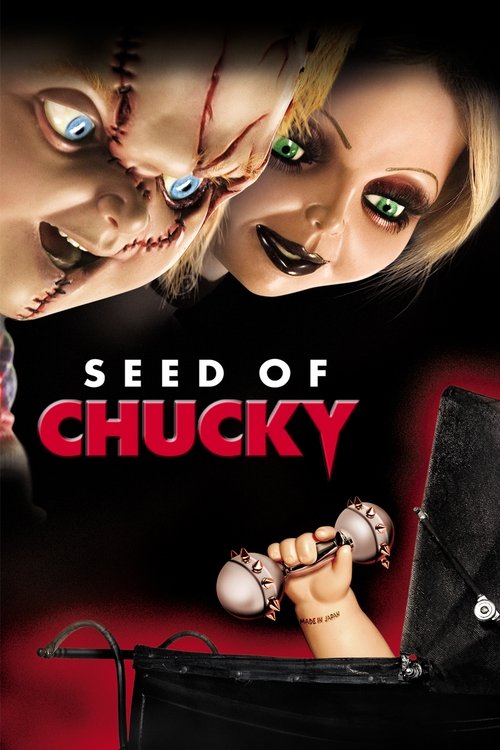
There is a specific kind of madness required to film a scene where a plastic, homicidal doll masturbates into a cup, and in 2004, Don Mancini was the only man with the keys to the asylum. Seed of Chucky isn’t just a horror movie; it’s a neon-soaked, gender-bending, meta-comedy that effectively derailed the Child’s Play franchise’s theatrical run for nearly a decade. Looking back from the vantage point of twenty years later, I’m convinced it might be the most misunderstood "disaster" of the early 2000s.
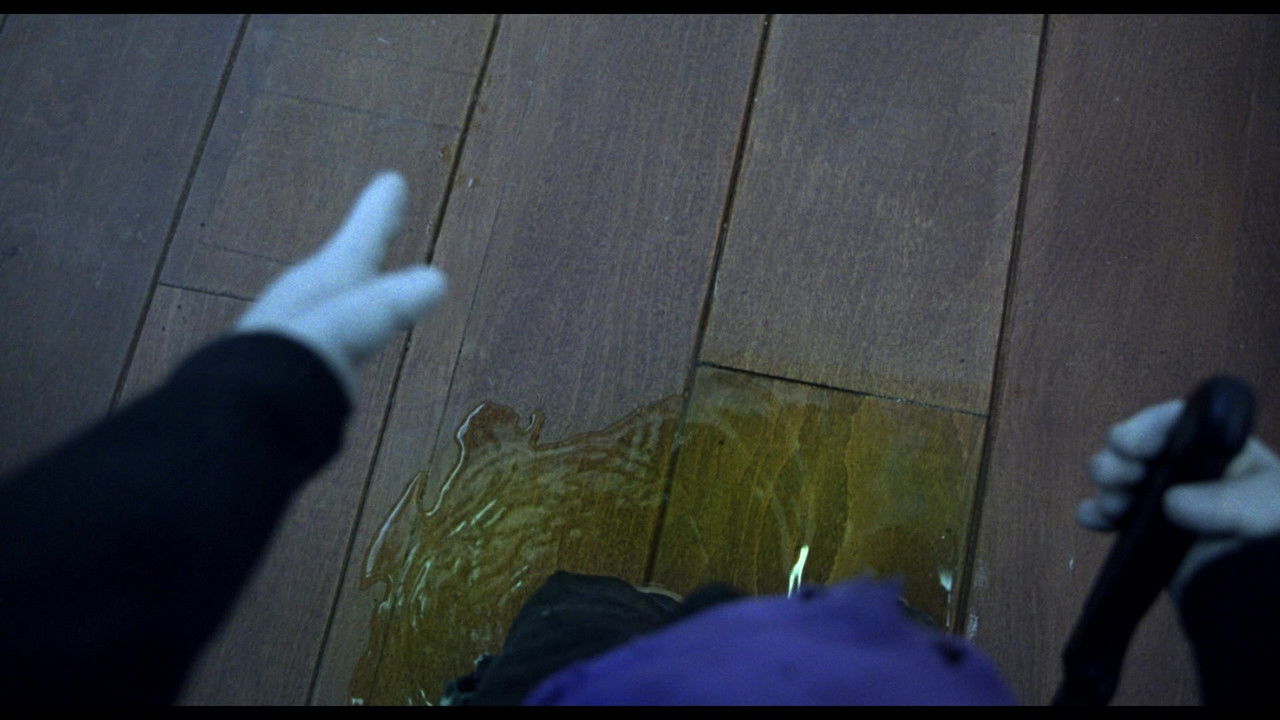
I watched this recently on a laptop with a dying battery while my roommate was loudly microwaving fish in the next room, and honestly, the smell of reheating tilapia felt oddly appropriate for the film’s chaotic, slightly-off energy. It’s a movie that refuses to be ignored, even if you desperately want to look away.
The Doll, The Myth, The Midlife Crisis
By the time 2004 rolled around, the slasher genre was in a weird spot. We were past the post-Scream "ironic" phase and moving into the "torture porn" era of Saw. Don Mancini, the architect of the series, decided to zig when everyone else zagged. He took Chucky and Tiffany (Jennifer Tilly) and dropped them into a Hollywood satire. The plot involves their child, Glen (voiced by Billy Boyd of Lord of the Rings fame), who is a pacifist with a "Made in Japan" stamp and a serious identity crisis.
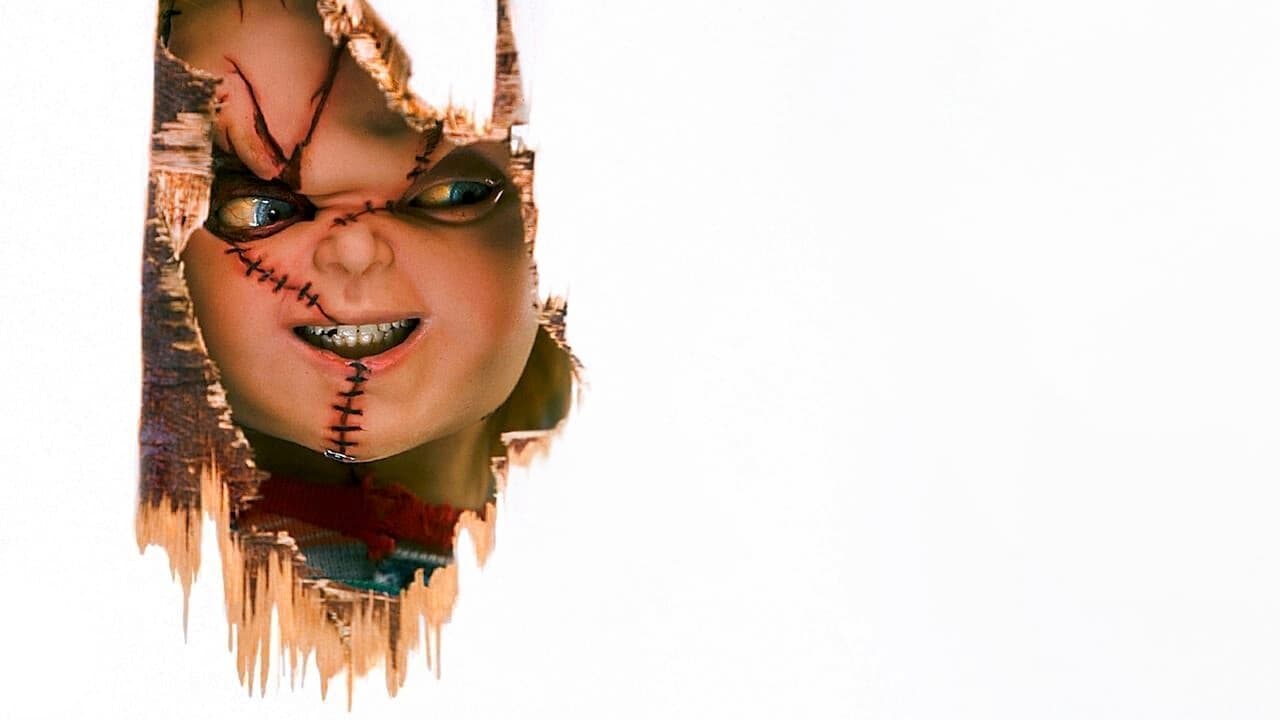
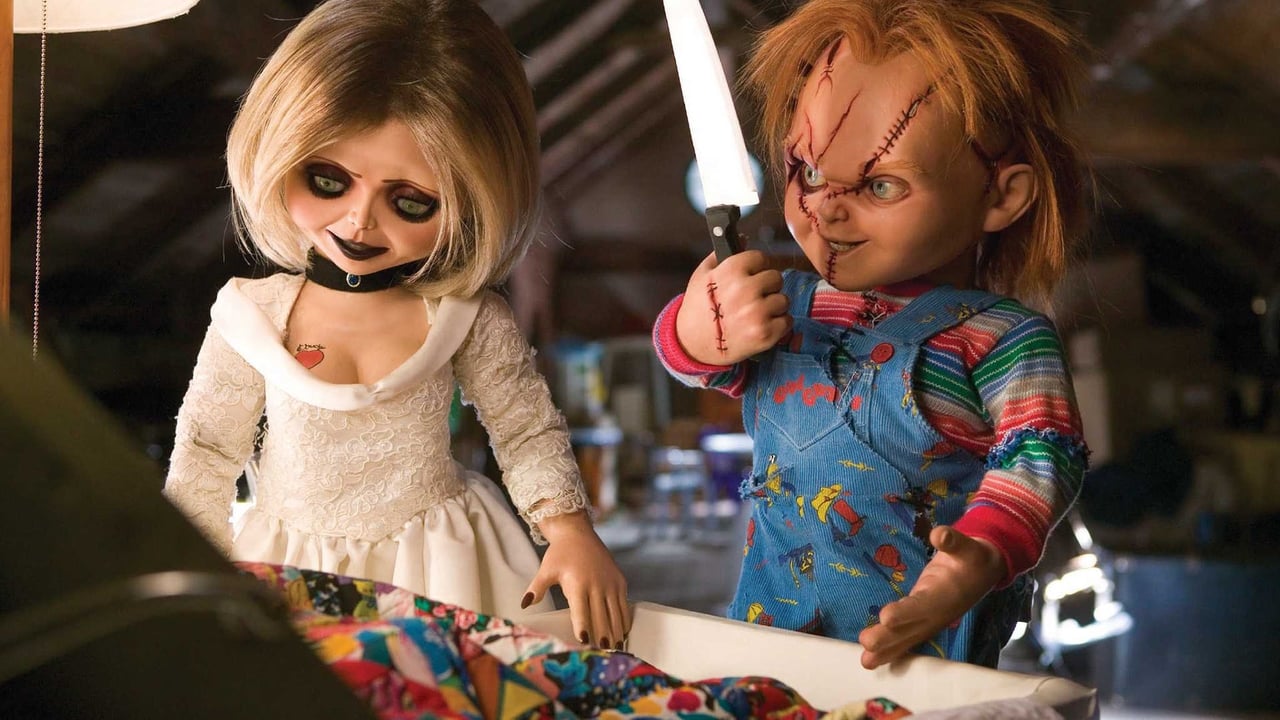
Glen—or Glenda, depending on the mood—is the heart of the film, and it’s a shockingly progressive piece of character work for 2004. While the world was still grappling with basic representation, Seed of Chucky was out here presenting a gender-fluid puppet struggling with the fact that his parents are serial killers. It’s the cinematic equivalent of a glitter-bombed crime scene, and it works far better than it has any right to. Brad Dourif returns to voice Chucky, and his weary, foul-mouthed dad energy is hilarious. He’s no longer just a killer; he’s a frustrated father trying to teach his kid how to properly gut a paparazzo.
Meta-Mayhem in the DVD Era
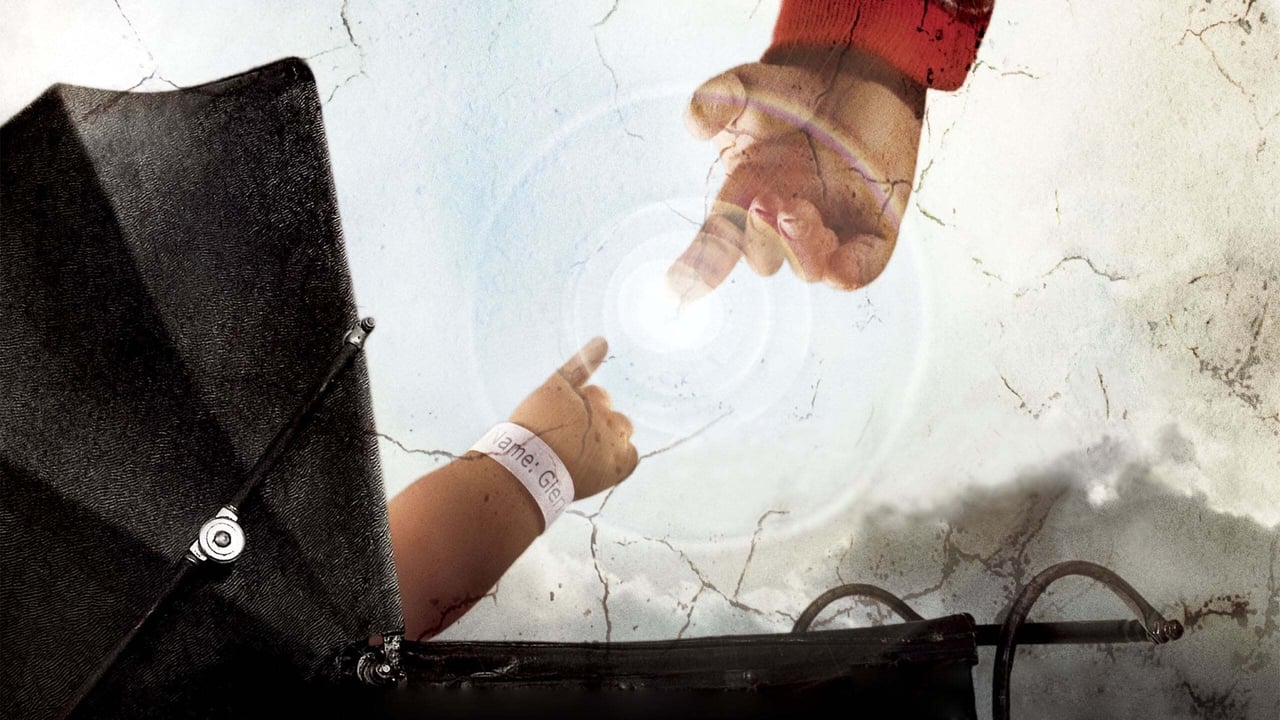
The real MVP here, however, is Jennifer Tilly. In a move that feels like it belongs in a Charlie Kaufman script, Tilly plays both the voice of the doll Tiffany and a fictionalized, desperate version of herself. This "Jennifer Tilly" is a fading star willing to sleep with a rapper named Redman (playing himself) just to get a role as the Virgin Mary. It’s a brave, hilarious performance. Jennifer Tilly’s performance is a masterclass in self-inflicted character assassination, and the fact that she’s clearly having the time of her life makes the absurdity infectious.
This was the peak of the DVD culture era, where "Unrated" cuts and behind-the-scenes features were the primary selling points. You can see that mentality in the filmmaking—it’s designed for freeze-frames and trivia buffs. The cameo by cult icon John Waters as a sleazy photographer who meets a particularly acidic end is a clear nod to the film’s campy, "Trash Cinema" aspirations. Waters (director of Pink Flamingos) is the perfect patron saint for a movie this dedicated to being "too much."
A Legacy of Plastic Fluids
Technically, the film is a fascinating bridge between eras. The animatronics by Tony Gardner are incredible, possessing a tactile weight that CGI still struggles to replicate. When Chucky’s facial motors whir as he scowls, there’s a sense of presence that makes the comedy land. However, you can also feel the shift toward digital—the cinematography by Vernon Layton has that slightly over-saturated, high-contrast look that defined mid-2000s studio films. It looks like a music video from 2004, which fits the casting of Redman and the general "Hollywood" sheen.
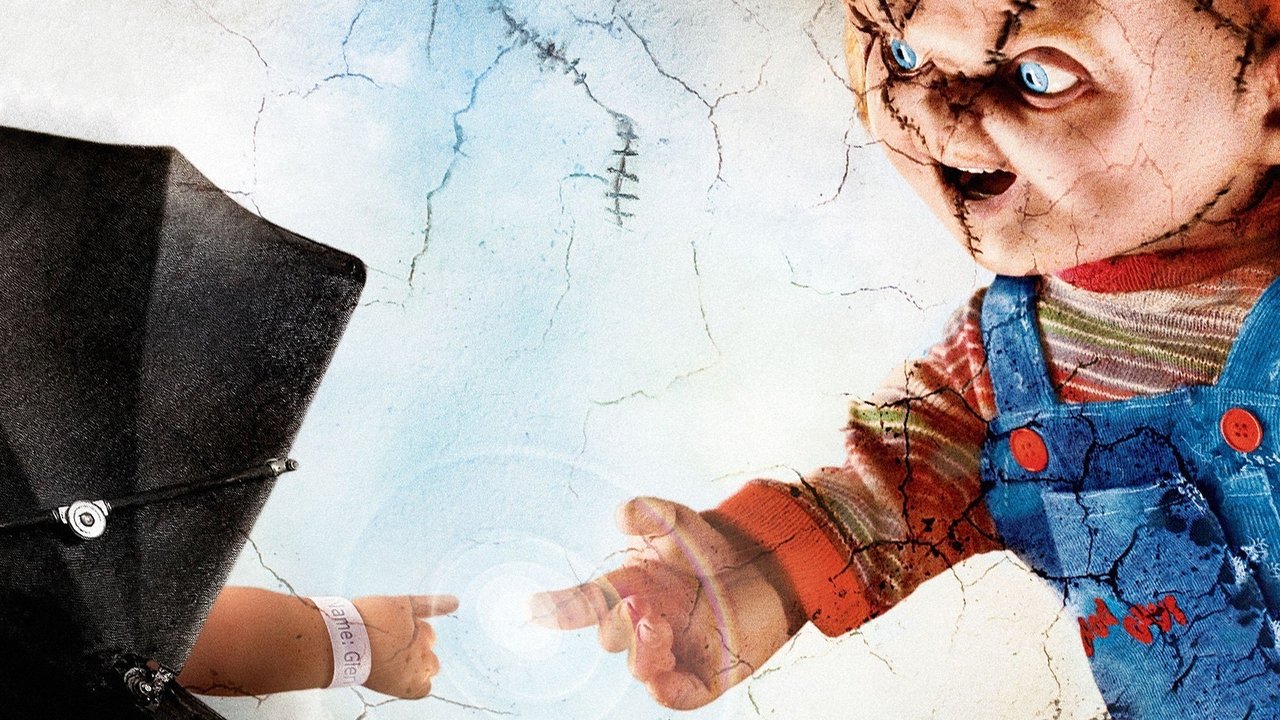
The film "failed" at the box office and with critics because it abandoned the horror for slapstick and social commentary. It was the "obscure" black sheep for years, often skipped by fans who just wanted the scary doll from 1988. But in retrospect, Mancini’s willingness to burn down his own franchise just to see what the ashes looked like is commendable. He leaned into the queer subtext and the camp long before it was cool to do so in mainstream horror.
Is it scary? Not even a little bit. Is it weird? Unapologetically. It captures that post-9/11 desire for pure, unadulterated escapism—even if that escapism involves a puppet family therapy session punctuated by decapitations.
Seed of Chucky is a messy, brilliant, and frequently disgusting experiment that proved Chucky was more than just a slasher villain—he was a survivor of his own gimmick. It’s a time capsule of an era where studios would still hand over twelve million dollars to let a creator go absolutely off the rails. If you can handle the tonal whiplash and the sight of Redman getting disemboweled in a kitchen, it’s a journey worth taking. It’s not a masterpiece, but it’s certainly the only movie where you’ll see a killer doll try to navigate the complexities of modern parenting.
Don't go in expecting Child's Play; go in expecting a puppet version of The Jerry Springer Show directed by someone who loves old Hollywood musicals. It's a cult classic that earned its status by being too strange to live and too plastic to die.
Keep Exploring...
-

Bride of Chucky
1998
-

Curse of Chucky
2013
-
Cult of Chucky
2017
-
Child's Play 2
1990
-
Child's Play 3
1991
-
Lake Placid
1999
-
Eight Legged Freaks
2002
-
Buffy the Vampire Slayer
1992
-
Jennifer's Body
2009
-
Child's Play
1988
-
Never Been Kissed
1999
-
Jimmy Neutron: Boy Genius
2001
-
Kate & Leopold
2001
-
Big Fat Liar
2002
-

S1m0ne
2002
-
The Sweetest Thing
2002
-

The Lizzie McGuire Movie
2003
-
First Daughter
2004
-
Taxi
2004
-
Are We There Yet?
2005