Shutter
"The camera sees what the conscience hides."
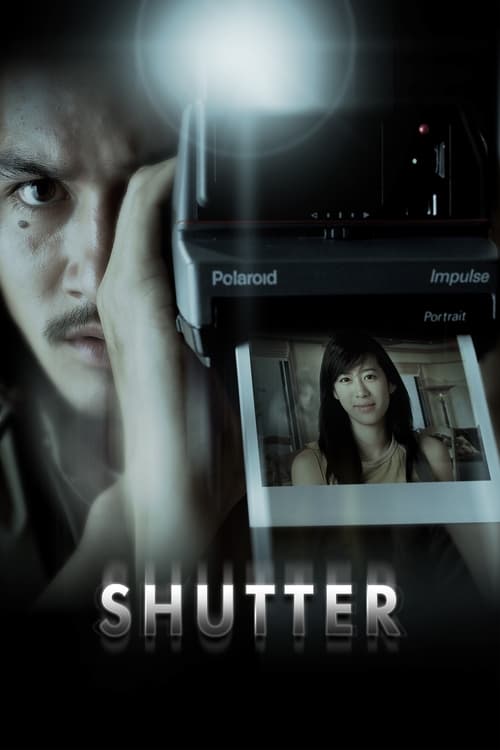
The first time I watched Shutter, I was sitting in a humid apartment with a faulty ceiling fan that emitted a rhythmic click-clack sound every three seconds. For ninety minutes, I couldn't tell if that sound was coming from my ceiling or from the phantom camera shutter of the film’s vengeful spirit. It’s a testament to the power of this 2004 Thai masterpiece that even a mundane mechanical failure in my own home felt like a localized haunting.

This was the height of the "Asian Horror" boom. While Hollywood was busy drowning in the glossy, over-produced remakes of The Ring and The Grudge, directors Parkpoom Wongpoom and Banjong Pisanthanakun were in Bangkok proving that you didn't need a multi-million dollar CGI budget to make an audience want to sleep with the lights on for a week. They just needed a camera, some clever lighting, and a story that understood that the most terrifying ghosts aren't the ones that jump out from behind a door, but the ones that sit patiently on your shoulders.
The Developing Dread
The premise is deceptively simple, almost traditional. Tun (Ananda Everingham), a coolly detached photographer, and his girlfriend Jane (Natthaweeranuch Thongmee) are driving home from a party when they strike a young woman with their car. Panicked, Tun insists they flee the scene. Soon after, strange white streaks and distorted faces begin appearing in Tun’s professional photographs.
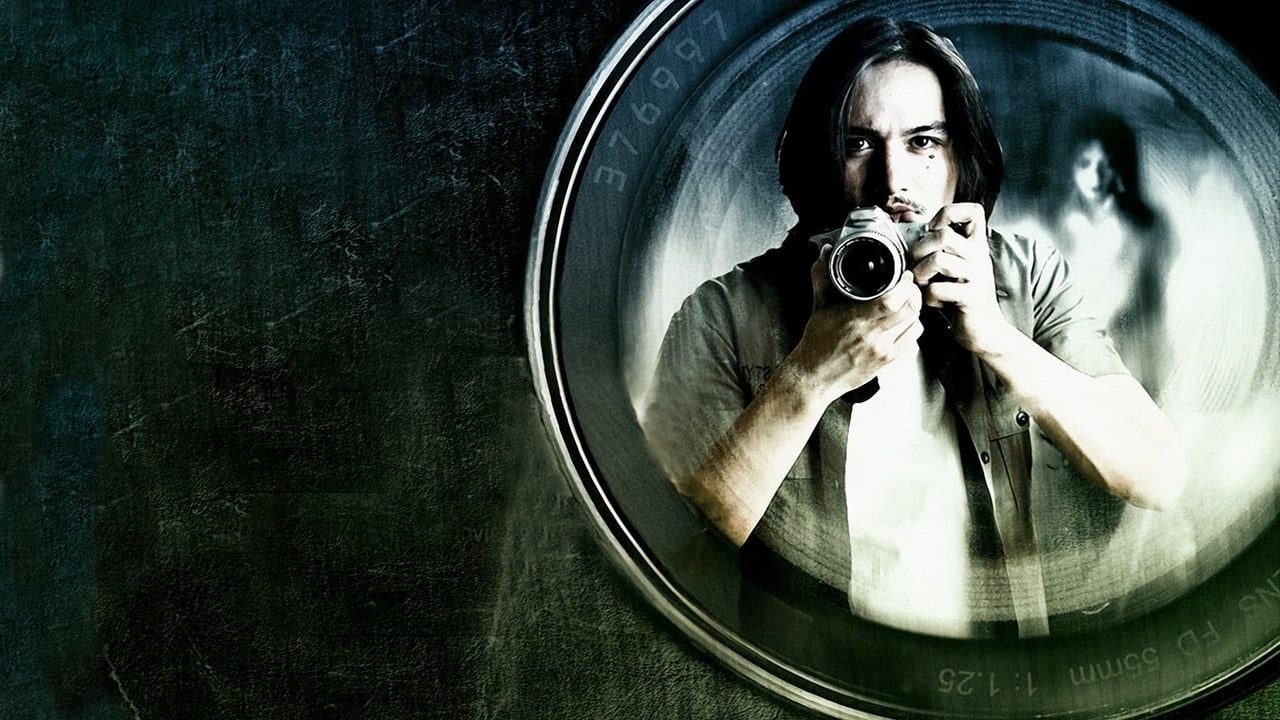
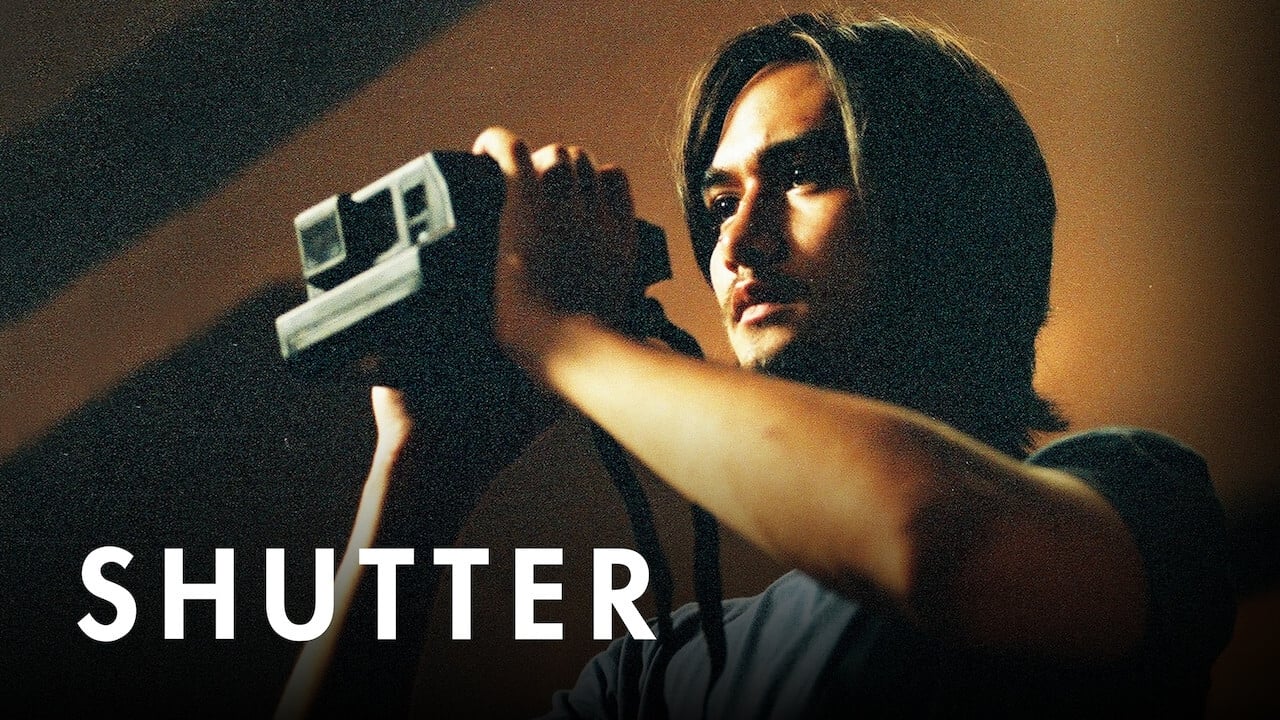
What follows is a descent into the "ghost photography" phenomenon, a niche but potent subculture that peaked in the early 2000s. Looking back, Shutter captures a very specific technological anxiety. We were transitioning from the tactile, chemical mystery of 35mm film to the immediate, cold clarity of digital. There’s something inherently spooky about a darkroom—the red light, the emerging shadows, the wait. Parkpoom Wongpoom exploits this perfectly. He treats the act of photography as a form of mediumship. The lens isn’t just capturing light; it’s capturing a record of a moral rot that Tun is desperate to ignore.
The film excels because it doesn't rely on the "long-haired girl" trope as a crutch. While Natre (Achita Sikamana) certainly fits the visual archetype of the era’s vengeful spirits, her presence feels earned. The horror isn't just about the "scare"; it's about the slow-burn realization that this protagonist might actually be a piece of work who deserves everything coming to him.
High Stakes on a Shoestring
What’s truly impressive is the production's resourcefulness. Shutter was made for a measly $125,000. In the world of 2004 cinema, that wouldn't even cover the catering budget for a minor MCU film today. Yet, the filmmaking is incredibly sophisticated. The directors leaned into the limitations, using practical effects and clever framing to create a sense of claustrophobia. Apparently, many of the "ghost photos" shown in the film were inspired by actual urban legends and "real" spirit photography submitted by people in Thailand, which adds a layer of folk-horror authenticity that a studio-sanctioned film would have sterilized.
The low budget forced the team to prioritize atmosphere over spectacle. There’s a sequence in a darkroom involving a flickering light that is more effective than any $50 million CGI sequence I’ve seen in the last decade. It relies on the oldest trick in the book: the human eye trying to find a pattern in the dark. Achita Sikamana, who plays the ghost Natre, reportedly spent hours in uncomfortable positions to achieve the contorted, unnatural movements that give the film its uncanny edge. It wasn't a digital artist moving pixels; it was a person making themselves look wrong, and you can feel that physical strain on the screen.
The Weight of Silence

As the mystery of Natre’s identity unfolds, the film shifts from a supernatural slasher into something much more somber and tragic. It tackles themes of peer pressure, sexual violence, and the complicity of "good people" who stand by and do nothing. It’s a dark, intense experience that refuses to offer the audience a clean exit. The sound design by Chatchai Pongprapaphan is a standout—a mix of metallic scrapes and distorted whispers that fills the silence where dialogue fails.
I remember discussing this with a friend who insisted the 2008 American remake was "just as good." That friend is objectively wrong and should probably have their Netflix password revoked. The original Shutter works because it is rooted in a specific cultural guilt and a specific era of photography. When you remove it from the streets of Bangkok and the grimy realism of its $125k budget, you lose the soul of the haunting. The ending—which I won’t spoil here for the three people who haven't seen it—remains one of the most chilling "final reveals" in cinema history. It’s a visual punch to the gut that recontextualizes every single frame that came before it.
Shutter is a masterclass in how to weaponize a small budget and a simple concept. It doesn't just want to startle you; it wants to make you feel the literal weight of your mistakes. It’s a film that understands that while we can delete digital files and burn old polaroids, the things we’ve done have a way of staying in the frame. If you haven't revisited this one since the mid-2000s, it’s time to look again. Just be careful when you check the background of your selfies afterward.
Keep Exploring...
-

High Tension
2003
-
Sleepy Hollow
1999
-
The Others
2001
-
Inland Empire
2006
-

The Devil's Backbone
2001
-
![[REC] backdrop](https://image.tmdb.org/t/p/w780/xfrguTH6maYiGsC8FXiQ9N3lZXw.jpg)
[REC]
2007
-
The Orphanage
2007
-
The Girl Who Kicked the Hornet's Nest
2009
-
The Secret in Their Eyes
2009
-
The Awakening
2011
-

Sinister
2012
-
You're Next
2013
-
The Skin I Live In
2011
-
Pi
1998
-
Ring
1998
-
Marshland
2014
-
After.Life
2009
-
Oldboy
2003
-
Saw
2004
-

Stir of Echoes
1999