Spider-Man 2
"The weight of the mask has never felt heavier."
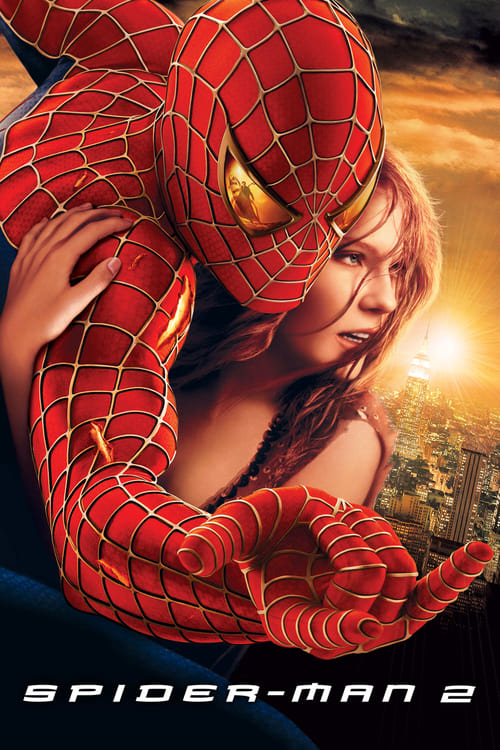
I can’t look at a stack of pizza boxes without thinking of Peter Parker desperately swinging through Manhattan, trying to beat an impossible delivery timer. That opening sequence in Spider-Man 2 tells you everything you need to know about why this film remains the gold standard for superhero cinema. While modern caped-crusader flicks often get bogged down in "multiversal stakes" and setup for the next six spin-offs, Sam Raimi (the madman behind Evil Dead) understood that the most interesting thing about Spider-Man isn't his ability to stick to walls—it’s the fact that he’s constantly late for work and can’t afford his rent.
I first watched this on a borrowed DVD while eating a bowl of cereal that had gone slightly soggy, and somehow the disappointment of the milk perfectly matched Peter Parker’s luck. That’s the magic of this era. In 2004, we weren't just watching a god among men; we were watching a kid from Queens get kicked by life over and over again.
The Tragedy of the Eight-Limbed Scientist
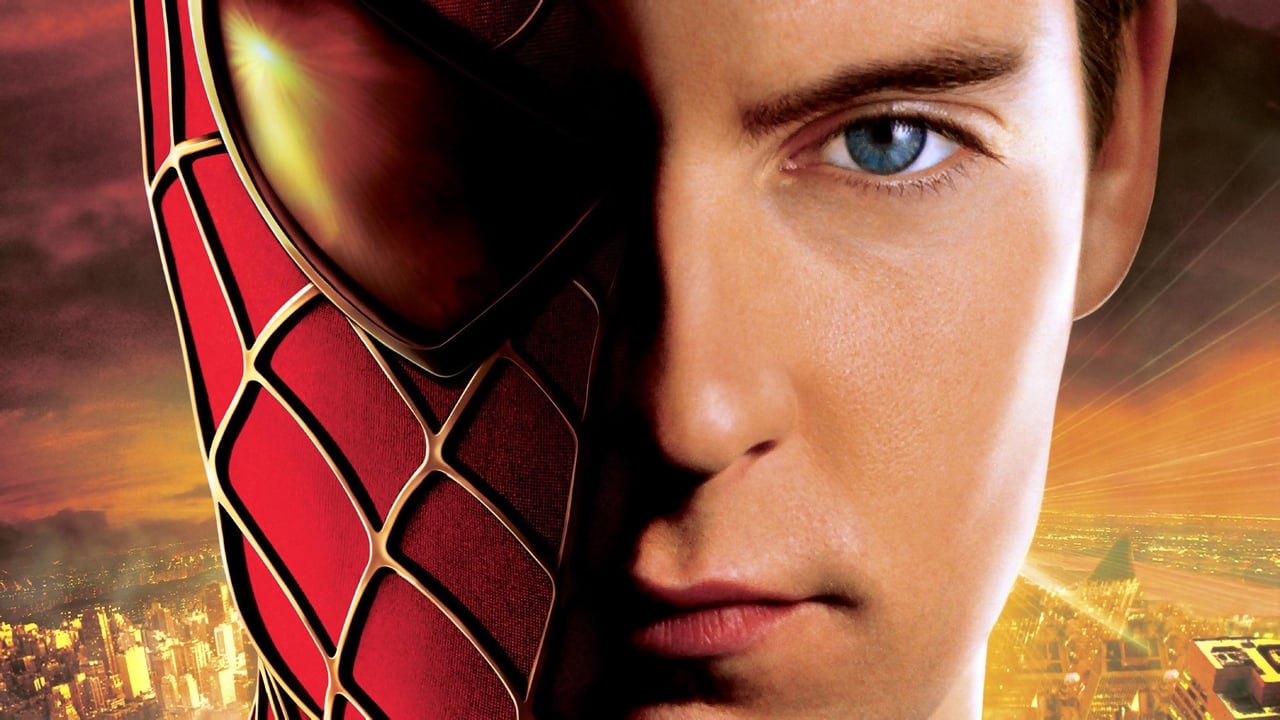
If the first film was about the discovery of power, this one is about the absolute burden of it. Tobey Maguire brings a soulful, almost puppy-like sadness to Peter here that I don’t think any subsequent Spider-Man actor has quite replicated. He looks exhausted. His suit is leaking colors in the wash, his grades are slipping, and Kirsten Dunst’s Mary Jane is moving on because he can’t commit to a dinner date.
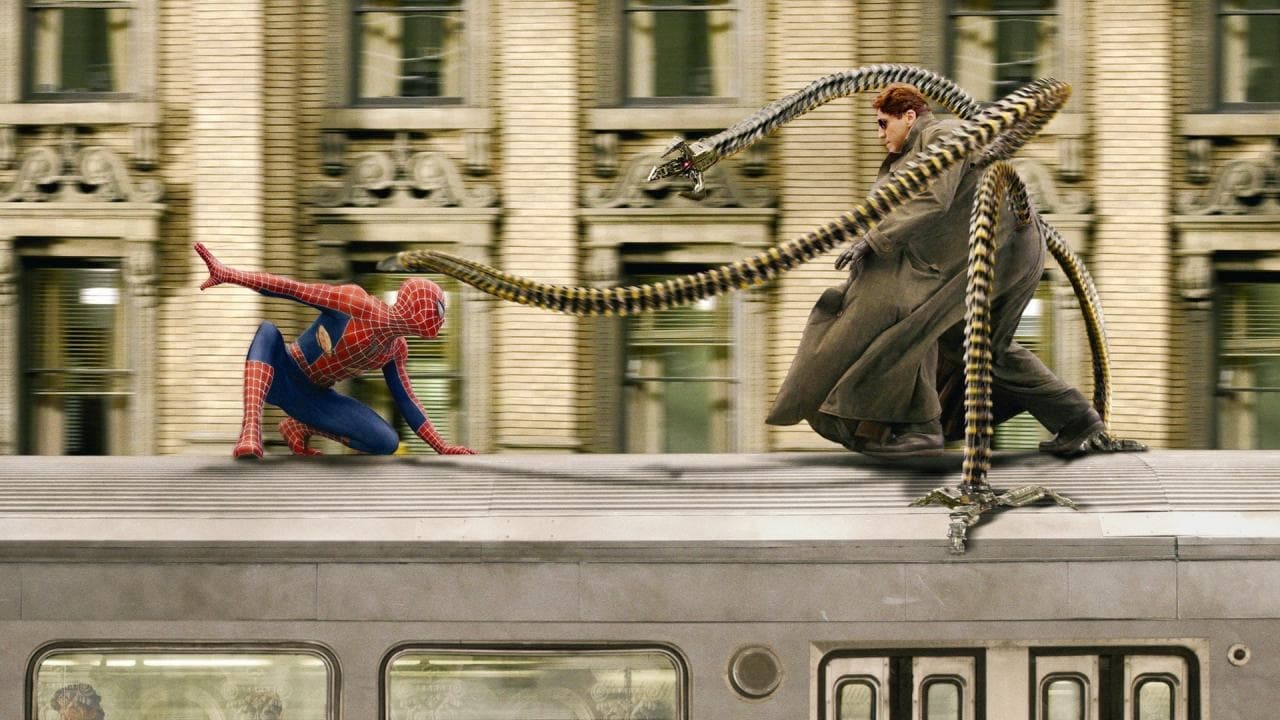
But a hero is only as good as his foil, and Alfred Molina as Otto Octavius is a revelation. Looking back, the CGI on Doc Ock’s tentacles is surprisingly robust, but it’s the practical puppetry that sells the menace. During the production, Alfred Molina famously gave the four mechanical arms names—Larry, Harry, Flo, and Moe—and worked with a team of puppeteers to ensure each "limb" had its own personality. It’s that tactile, physical presence that makes the hospital "awakening" scene so terrifying. In that moment, Sam Raimi leans hard into his horror roots, giving us a sequence of spinning saws and silent screams that felt genuinely dangerous for a PG-13 blockbuster. Doc Ock is the only villain in this franchise who feels like he’s actually sharing the same oxygen as the hero.
Kineticism and the New York Subway
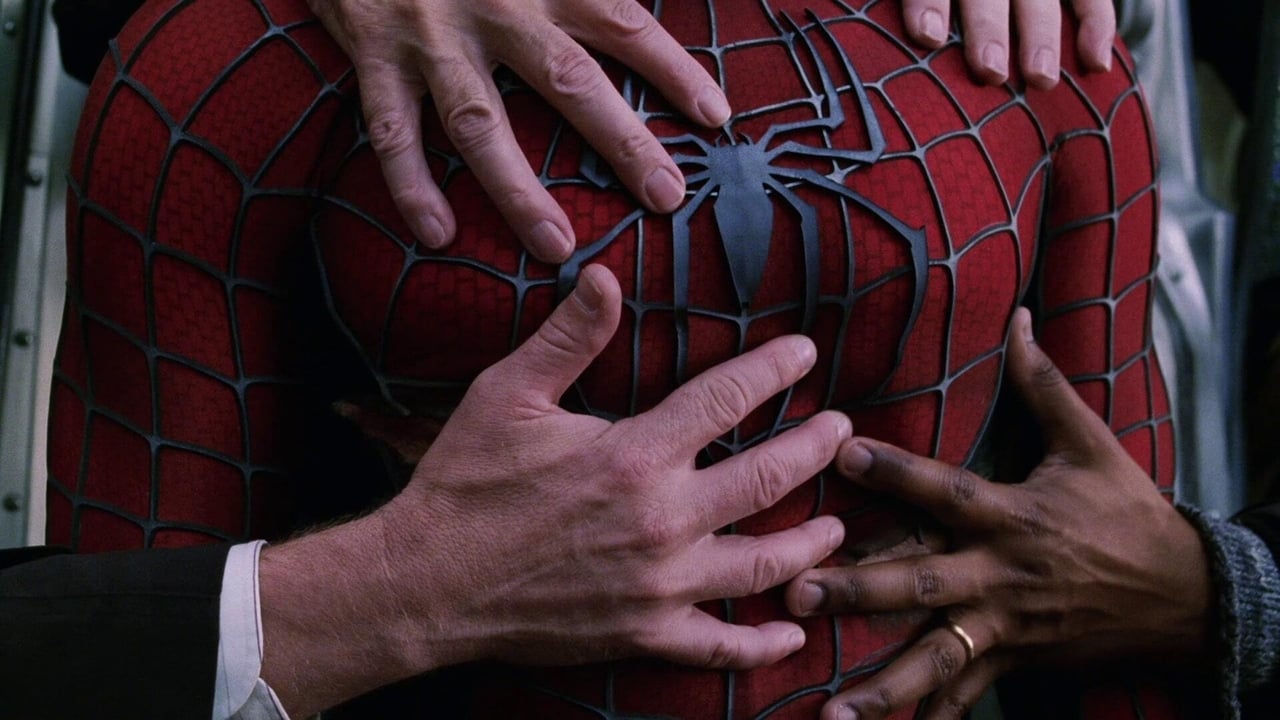
We have to talk about the train fight. Cinematographer Bill Pope (who also shot The Matrix) captures the action with a frantic, propulsive energy that avoids the "shaky-cam" pitfalls of the late 2000s. It’s a masterclass in geography and stakes. You always know where Peter is, where Otto is, and exactly how many seconds are left before that train flies off the end of the track.
The sequence is an absolute marvel of 2004 technology. With a massive $200 million budget—which was an astronomical sum at the time—the production utilized a "Spider-Cam" to fly through the streets of New York, giving us those sweeping, stomach-flipping POV shots. When the commuters finally lift Peter up and carry him over their heads, it captures a specific post-9/11 New York sentiment: a city that protects its own. It’s earnest, maybe even a little cheesy by today’s cynical standards, but the "cheer-worthy" moments in this movie feel earned because the movie isn't afraid to be sincere.
The Era of the DVD Masterclass
This was the peak of DVD culture. I remember spending hours going through the "making-of" documentaries on the second disc of the special edition set. You could see the transition happening in real-time—the shift from the high-wire stunt work of the 90s to the digital playgrounds of the future. Danny Elfman’s score, which is essentially the heartbeat of the film, sounds incredible on a home theater system, punctuating every punch with those soaring horns.
Even the supporting cast feels like they’re in a different league. J.K. Simmons as J. Jonah Jameson is, quite simply, the greatest casting in the history of the genre. I honestly believe Simmons was born to bark orders about pictures of Spider-Man, and every second he’s on screen is a gift. Then you have James Franco, who plays Harry Osborn with a simmering, Shakespearean resentment that adds a necessary layer of grit to the brighter superhero antics. The "Raindrops Keep Fallin' on My Head" montage is unironically the bravest thing ever put in a superhero movie, showing Peter’s joy at being "normal" in a way that is both hilarious and deeply relatable.
Spider-Man 2 is the rare sequel that improves upon the original by stripping the hero of everything he loves. It reminds me of why I fell in love with movies in the first place: the ability to see the extraordinary through the lens of the ordinary. It’s a film with a heart as big as the city it’s set in, balanced by some of the best action choreography to ever grace a screen. If you haven't revisited this one since the days of Blockbuster rentals, do yourself a favor and put it on. It’s a reminder that before the "cinematic universe" became a factory, it was a place where a director could make a movie about a guy who just wanted to be a person, but had to be a hero instead.
Keep Exploring...
-
Spider-Man 3
2007
-
Spider-Man
2002
-

X-Men
2000
-

The Matrix Reloaded
2003
-
X2
2003
-

Star Wars: Episode III - Revenge of the Sith
2005
-
Transformers
2007
-
Iron Man
2008
-
Avatar
2009
-
Total Recall
1990
-
Stargate
1994
-
Independence Day
1996
-
Men in Black
1997
-
Armageddon
1998
-
The Amazing Spider-Man
2012
-

The Avengers
2012
-
The Hunger Games
2012
-
Iron Man 3
2013
-
The Hunger Games: Catching Fire
2013
-
The Wolverine
2013