Starsky & Hutch
"Big hair. Fast cars. High stakes. Low IQs."
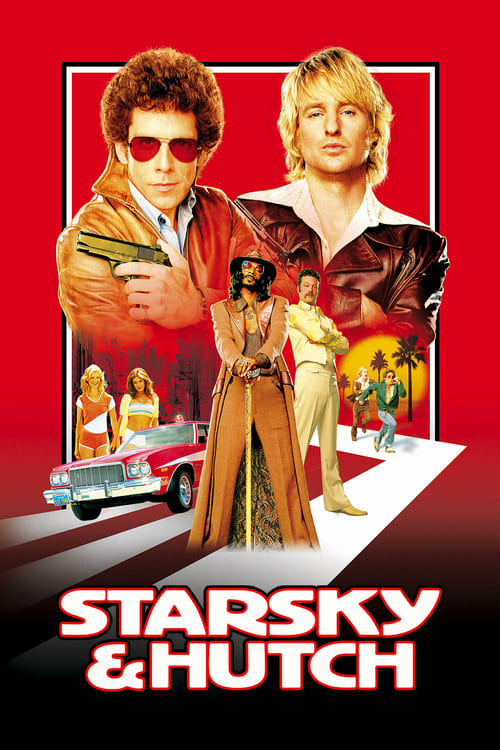
I’ve always maintained that the greatest feat of 2004 wasn’t the launch of Facebook or the finale of Friends, but the moment Ben Stiller decided to play a police officer with the intensity of a man who believes he’s in a Michael Mann film, while trapped inside a polyester nightmare. Starsky & Hutch shouldn't work as well as it does. By all accounts, the "70s TV show reboot" was a tired trope even twenty years ago, but there is a specific, lightning-in-a-bottle energy here that captures the absolute peak of the "Frat Pack" comedy era.
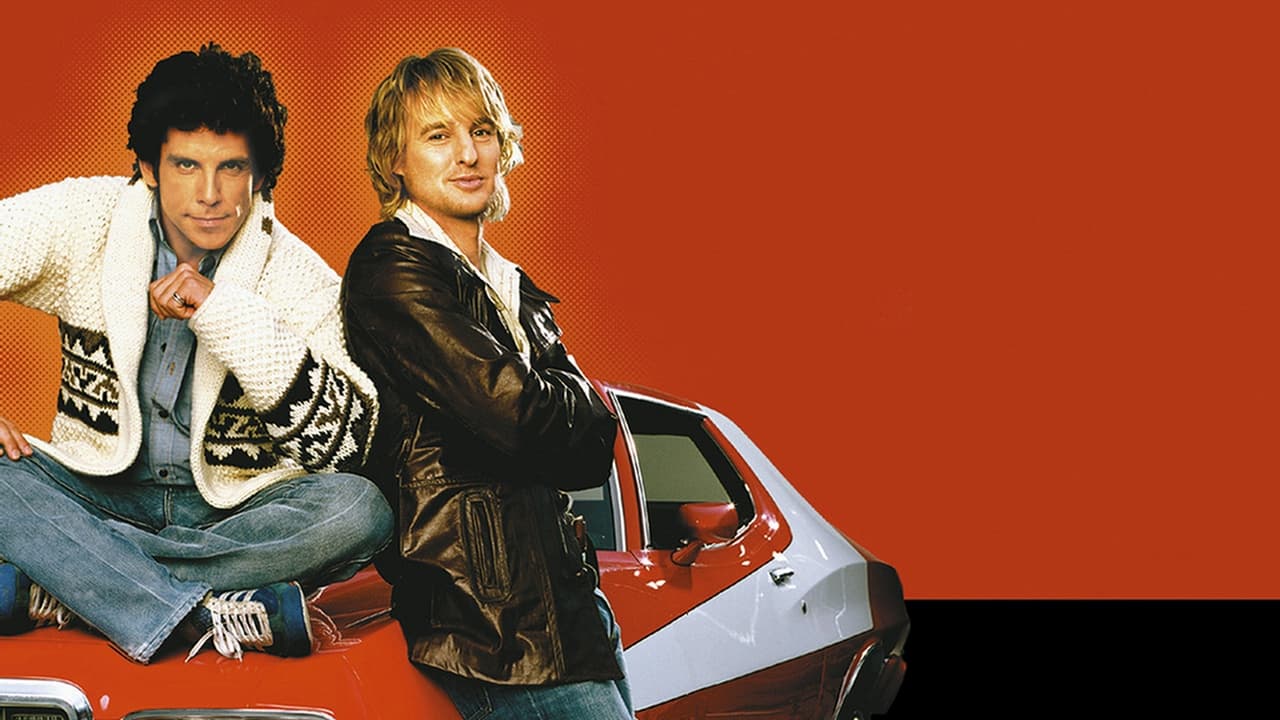
I watched this again recently while sitting on a beanbag chair that was slowly leaking its innards across my living room floor, and honestly, the slight sinking sensation only added to the 70s immersion. It’s a film that demands you don’t take it seriously, which is exactly why it’s so much fun to revisit.
Polyester, Perms, and the Frat Pack Powerhouse
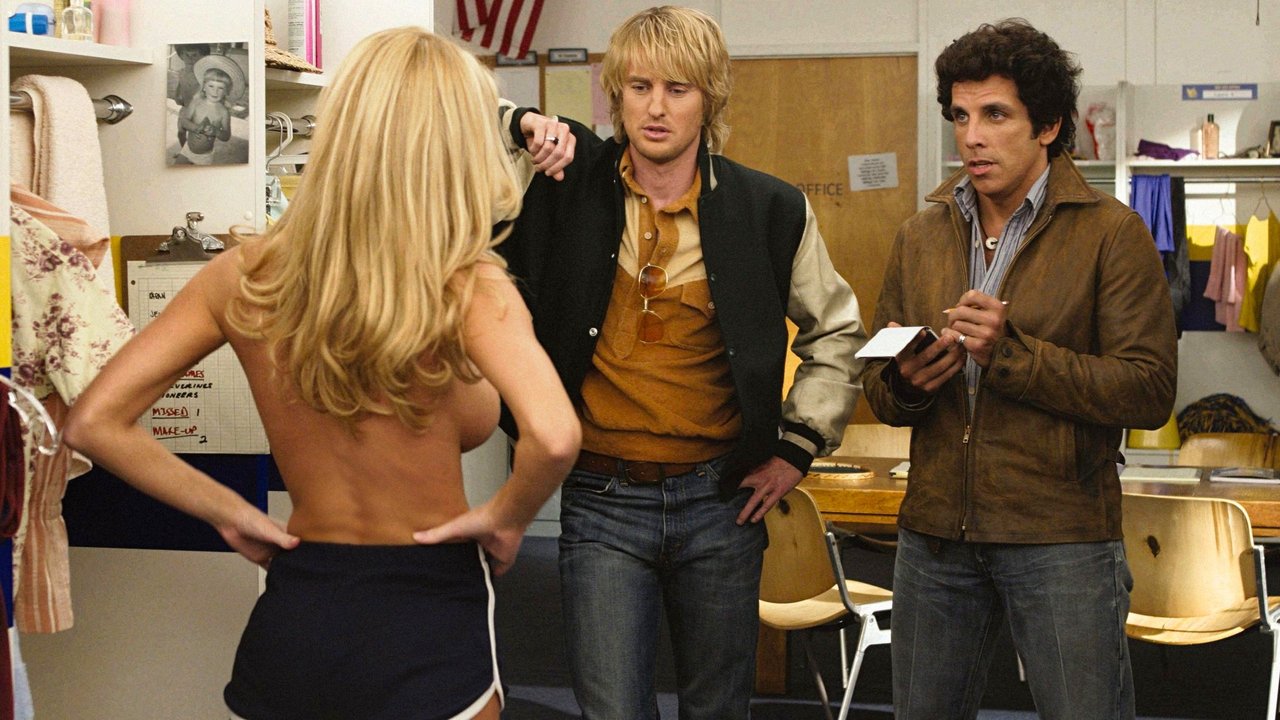
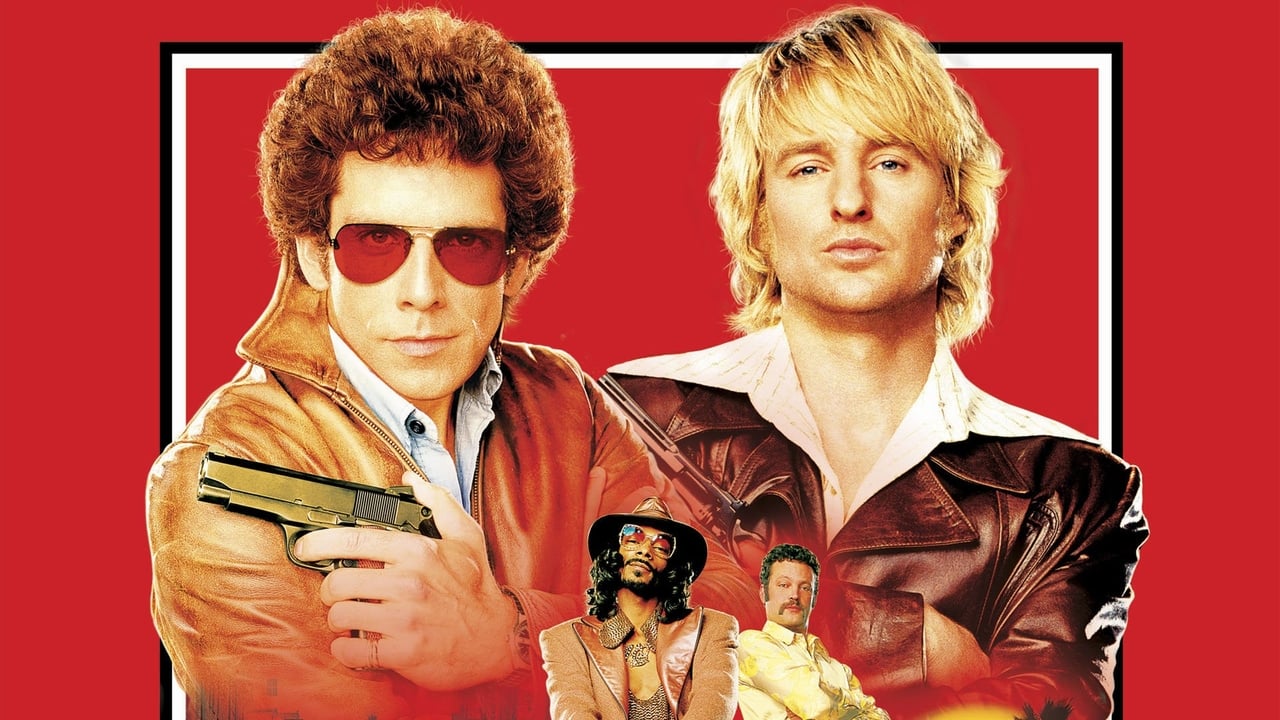
At the heart of the film is the undeniable chemistry between Ben Stiller as David Starsky and Owen Wilson as Ken "Hutch" Hutchinson. This was their sixth collaboration at the time, and you can feel the shorthand. Stiller plays Starsky as a high-strung, by-the-book fanatic who probably irons his socks, while Wilson treats the role of Hutch like he’s perpetually three minutes away from a nap on a surfboard.
Looking back, this film represents a specific moment in cinema history where the DVD culture was king. I remember the special features on the original disc—specifically the "Starsky & Hutch" mimes—and how that era of physical media allowed these comedies to live a second, much longer life in our dorm rooms and dens. It was a time when a comedy didn't just have to be funny; it had to be rewatchable, filled with the kind of quotable nonsense you’d repeat to your friends until they threatened to leave the car. "Do it. Do it," whispers an uncredited (and wildly creepy) Will Ferrell as Big Earl, a scene that was largely improvised and remains one of the most uncomfortable, hilarious moments in 2000s comedy.
A Love Letter to the 1970s (With Better Lighting)
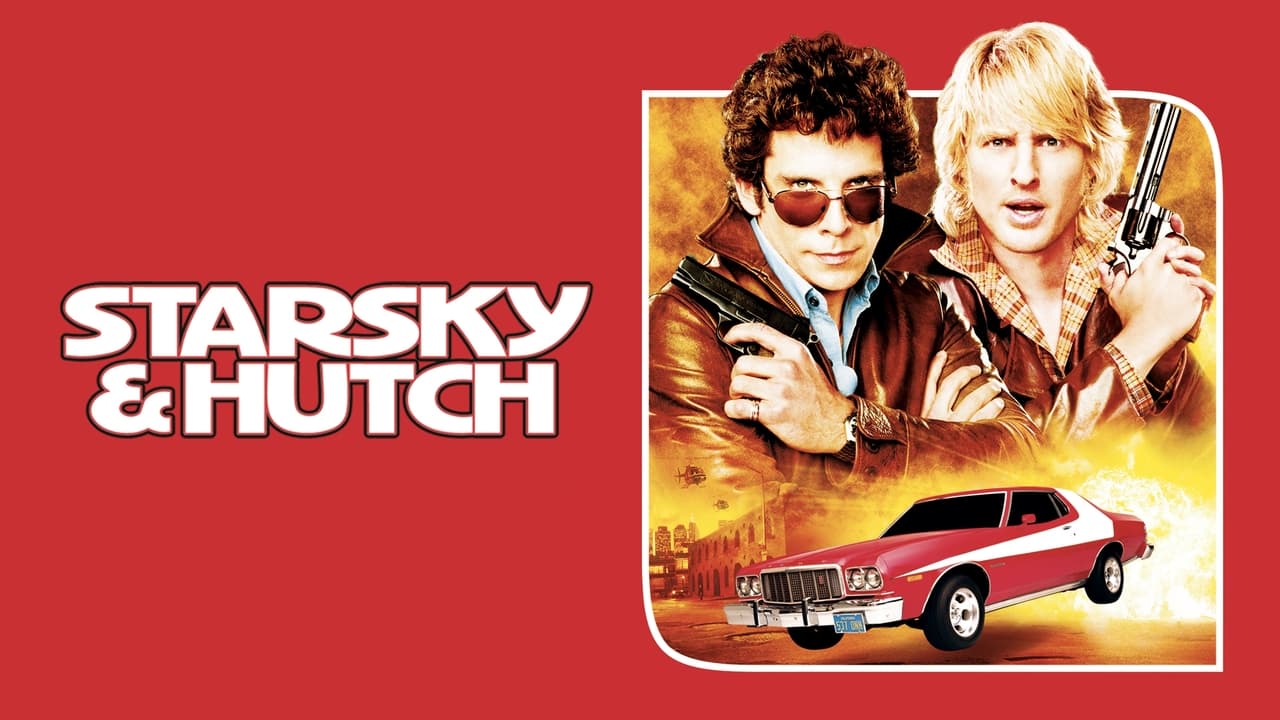
Director Todd Phillips, fresh off the success of Old School (2003), brought a surprising amount of stylistic craft to what could have been a lazy parody. Instead of just mocking the 70s, the film leans into the aesthetic with genuine affection. The colors pop, the zooms are dramatic, and the soundtrack is a masterclass in funk-lite.
Then, of course, there’s the third lead: the 1974 Ford Gran Torino. Stiller reportedly took his driving seriously, actually learning to do those screeching 180-degree turns himself to ensure the camera could stay on his face during the action. It gives the film a grounded, practical feel that’s often lost in the CGI-heavy comedies of the 2010s. There’s something inherently satisfying about seeing a real car fly over a real dirt mound while Owen Wilson looks mildly concerned about his hair.
The supporting cast is equally dialed in. Vince Vaughn plays the villainous Reese Feldman with a sleazy, corporate charisma that makes you feel like he’s trying to sell you a used timeshare in hell. He’s the perfect foil for the leads because he’s playing it relatively straight, which only makes the absurdity of Starsky’s "inner dance" more pronounced.
The Huggy Bear Factor and Cult Credentials
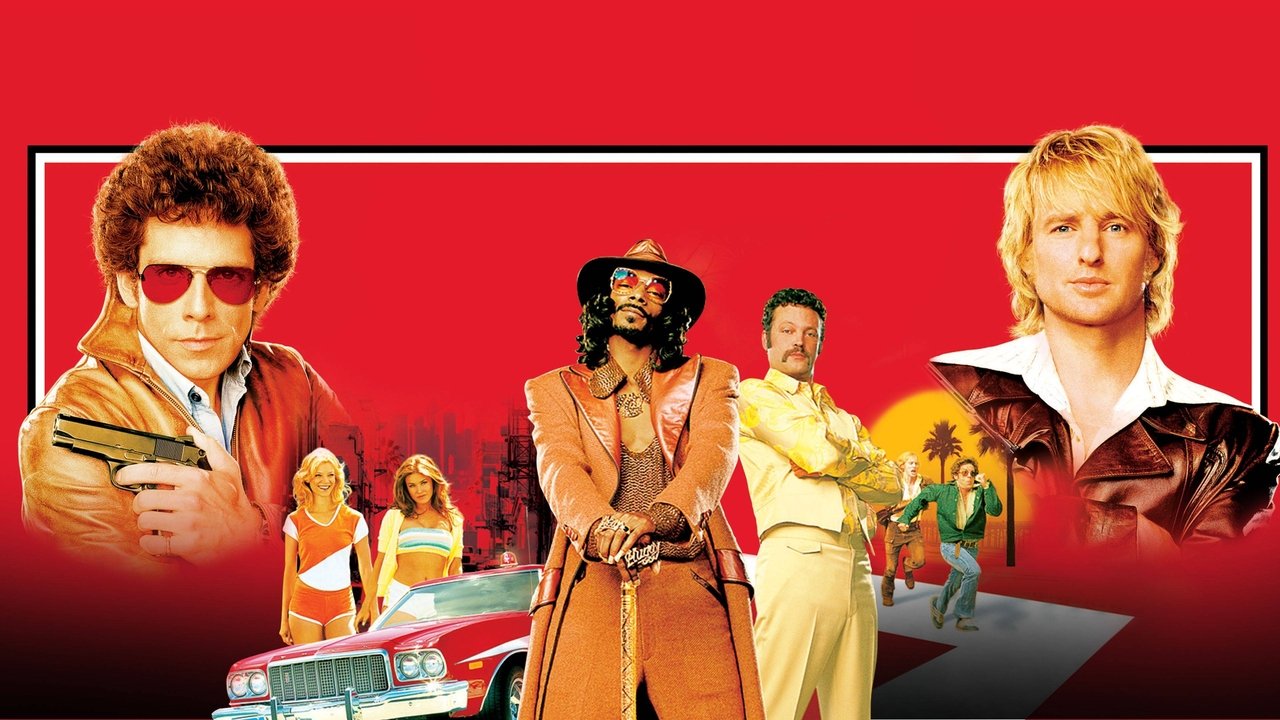
We have to talk about Snoop Dogg. Casting him as the iconic street informant Huggy Bear was a stroke of genius that bridged the gap between 70s Blaxploitation cool and early-2000s hip-hop culture. Interestingly, Snoop didn't just show up to read lines; he brought his own flavor to the production, including his personal 1967 Pontiac Parisienne, which appears in the film. He isn't just playing a character; he’s essentially playing the platonic ideal of "Cool" that the two leads are desperately failing to emulate.
The film’s cult status grew largely from its ability to balance genuine action with absolute absurdity. It knows it’s a remake, and it honors its roots without being enslaved by them. This is evidenced by the final scene, where the original Starsky and Hutch—Paul Michael Glaser and David Soul—make a cameo to pass the torch (and the keys). It’s a moment of pure fan service that actually feels earned rather than cynical.
What makes Starsky & Hutch hold up today is its refusal to be "dark" or "gritty." In a post-9/11 world where action movies were becoming increasingly somber, this was a neon-soaked escape. It’s a movie about two guys who love each other, a fast car, and the pursuit of a drug dealer whose "new" product is just cocaine that looks like artificial sweetener. The film’s real soul isn't in the mystery, but in the homoerotic tension of a disco dance-off. It’s silly, it’s vibrant, and it represents a time when comedies were allowed to just be fun.
While it might not have the revolutionary impact of The Hangover (2009), Starsky & Hutch is a far more consistent and charming experience. It’s a testament to the power of casting and the joy of a well-executed pastiche. If you’re looking for a dose of 2004 nostalgia wrapped in a 1974 wrapper, you really can't go wrong here. Just watch out for the "sweetener."
Keep Exploring...
-

Old School
2003
-
Road Trip
2000
-
Due Date
2010
-
The Hangover Part II
2011
-
The Hangover Part III
2013
-
Night at the Museum: Battle of the Smithsonian
2009
-
Analyze This
1999
-
Bad Boys II
2003
-
Fun with Dick and Jane
2005
-
The Longest Yard
2005
-
The Pink Panther
2006
-

Rush Hour 3
2007
-

Zoolander
2001
-
The Heartbreak Kid
2007
-
War Dogs
2016
-
The Whole Nine Yards
2000
-
Bad Santa
2003
-
The Watch
2012
-
Night at the Museum: Secret of the Tomb
2014
-
Lethal Weapon 4
1998