Super Size Me
"One man, thirty days, and a mountain of fries."
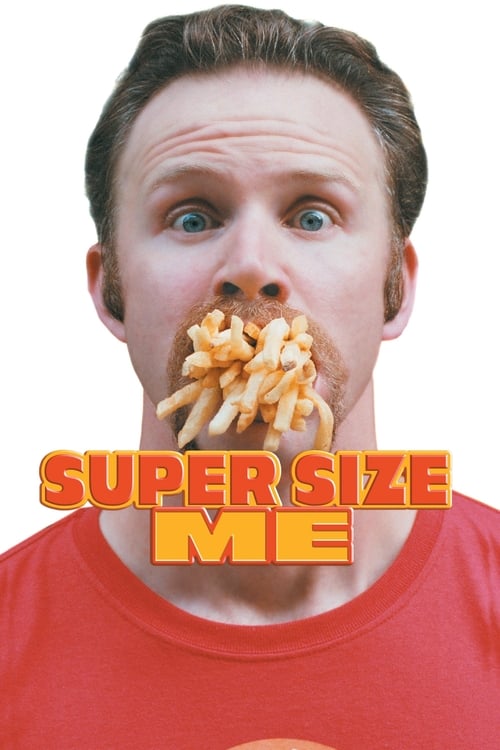
There is a specific sound—a wet, miserable thud—that occurs when a Quarter Pounder with Cheese hits the pavement outside a McDonald’s drive-thru. In 2004, that "McPuke" scene wasn't just a gross-out moment; it was a cultural reset. Morgan Spurlock didn't just walk into the frame as a filmmaker; he entered as a gladiator in cargo shorts, sacrificing his liver for our collective sins of convenience. Watching it today, amidst our current era of hyper-curated wellness influencers, Super Size Me feels like a frantic, grease-stained time capsule from a moment when we were all just starting to realize that the "Happy Meal" might have a very dark side.
The Biological Horror of the Golden Arches
While classified as a documentary, the film functions effectively as a body-horror drama. We watch the literal deconstruction of a healthy human being in real-time. Before he starts his 30-day odyssey, Morgan Spurlock is an energetic, fit guy. By day 15, he looks like he’s been haunting a Victorian attic. The narrative tension doesn't come from whether he’ll finish the month—it comes from the genuine concern etched on the faces of his medical team.
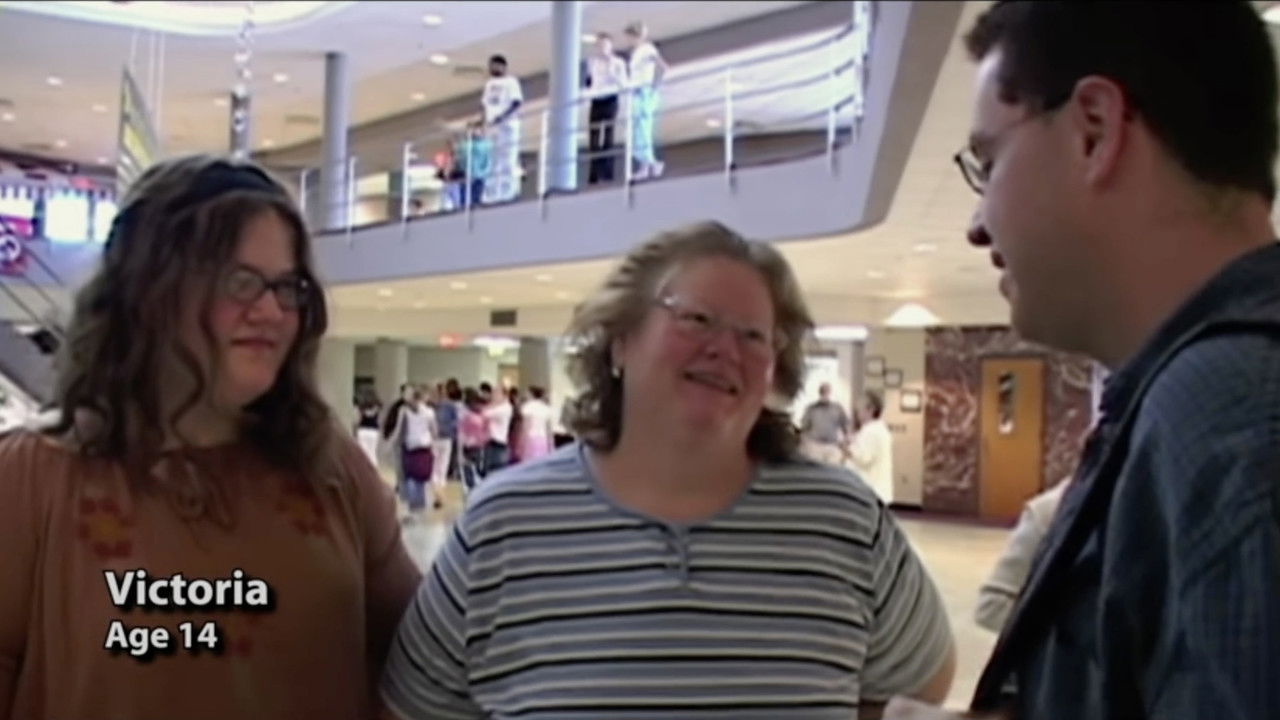
I found myself particularly drawn to the reactions of Daryl Isaacs, his internist, and Lisa Ganjhu, his gastroenterologist. They go from being mildly amused skeptics to looking like they’re witnessing a slow-motion car crash. When Stephen Siegel, the cardiologist, warns him that his liver is turning into pâté, the movie shifts from a quirky experiment into a high-stakes survival story. Spurlock basically treated his own body like a chemistry set owned by a chaotic toddler, and the resulting drama is surprisingly intimate. It’s not just about the weight gain; it’s about the loss of libido, the mood swings, and the way his girlfriend, vegan chef Alexandra Jamieson, looks at him with a mix of pity and burgeoning disgust. I watched this on my laptop while wearing a pair of itchy wool socks I’d just bought, and the physical discomfort of the wool weirdly harmonized with the visual discomfort of Spurlock’s bloating.
A Shoestring Masterclass in Viral Marketing
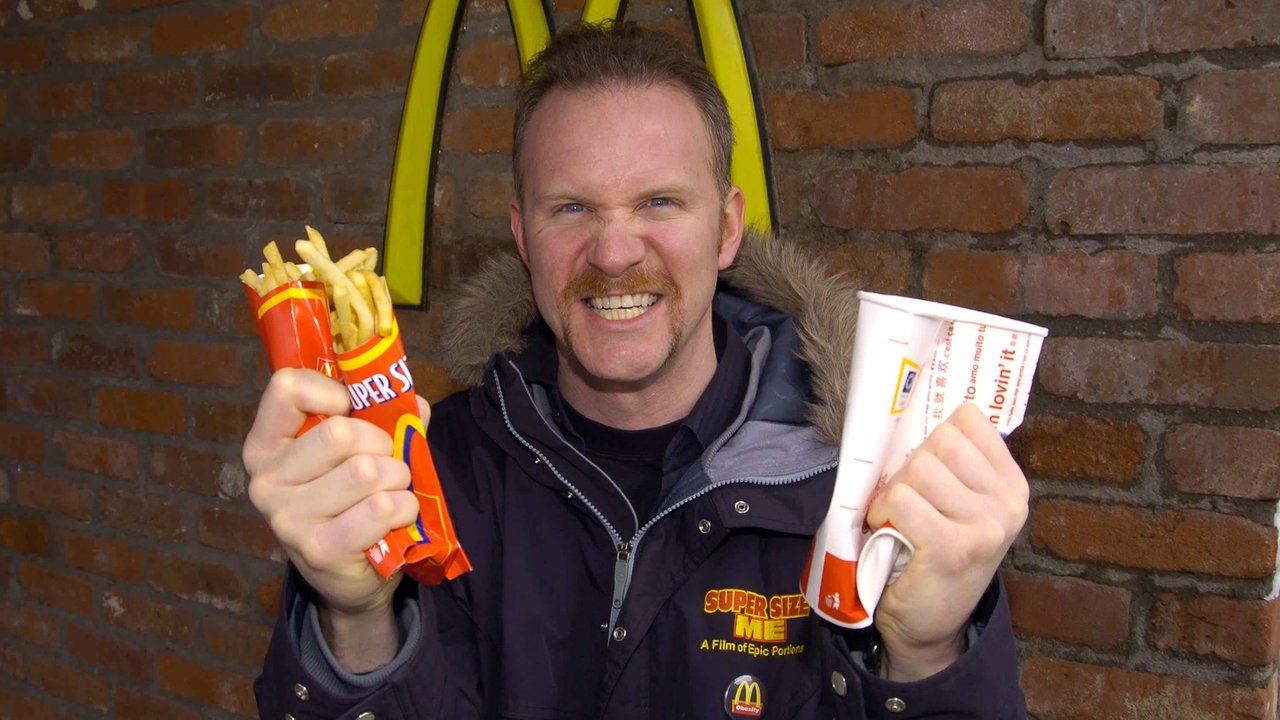
Looking back, Super Size Me is the ultimate poster child for the early 2000s indie boom. Shot for a measly $65,000, it bypassed the need for expensive sets or A-list stars by turning a corporate giant into an unwilling antagonist. This was the era where digital video was democratizing the medium; you didn't need 35mm film to change the world, just a Sony PD-150 camera and a terrifyingly high cholesterol count.
The film’s success at Sundance wasn't just about the message; it was about the "stunt" nature of the storytelling. It felt like Jackass for the intellectual set. The production was so lean that the "crew" was often just Spurlock and a camera operator, which allowed them to sneak into locations and capture authentic, unvarnished reactions from fast-food workers and school cafeteria staff. It’s a masterclass in how a limited budget can actually enhance a film’s urgency. If this had been a slick, studio-backed production with a massive catering budget, it wouldn't have felt half as authentic. Instead, the grainy, low-res footage makes the grease look more real, the fluorescent lighting more oppressive, and the corporate headquarters more impenetrable.
The DVD Era and the "Spurlock Effect"
We have to talk about the legacy this film left behind, particularly how it thrived in the height of DVD culture. This was a movie people didn't just watch; they passed it around. It was the kind of disc that stayed in your player for weeks so you could show your friends the "French Fry" time-lapse experiment in the special features. It tapped into a very specific post-9/11 anxiety about corporate control and personal agency, framed through the lens of something as mundane as a burger.
In retrospect, the film's impact was staggering. Within weeks of its release, McDonald’s famously axed the "Super Size" option, though they officially claimed it had nothing to do with the movie. (Sure, and I’m the King of Denmark). While some of Spurlock’s later work—and his own personal admissions regarding his health history—have complicated his legacy as a narrator, the power of this specific film remains intact. It’s a snapshot of a time when we still believed a single guy with a camera could make a billion-dollar company flinch. It doesn't rely on CGI or elaborate set-pieces; it relies on the sight of a man crying over a double cheeseburger. That’s a drama everyone can understand.
Ultimately, Super Size Me succeeds because it never feels like a lecture. It feels like a dare. It’s funny, disgusting, and genuinely alarming in equal measure. While the "stunt documentary" genre has been done to death in the years since, Spurlock’s original descent into fast-food madness remains the gold standard. It’s a film that earns its place in history not just for what it says about nutrition, but for how it proved that a tiny indie budget could kick-start a global conversation. Just maybe skip the snacks while you’re watching.

Keep Exploring...
-
Bowling for Columbine
2002
-
An Inconvenient Truth
2006
-

Waltz with Bashir
2008
-

One Direction: This Is Us
2013
-
Fahrenheit 9/11
2004
-
Grizzly Man
2005
-
Man on Wire
2008
-
This Is It
2009
-
Monster's Ball
2001
-
Session 9
2001
-

Waking Life
2001
-
Secretary
2002
-
Elephant
2003
-

Thirteen
2003
-
Garden State
2004
-

Napoleon Dynamite
2004
-
Primer
2004
-
Hard Candy
2005
-

Mysterious Skin
2005
-

The Squid and the Whale
2005