Taxi
"High speed, low stakes, and a very confused Ford Crown Vic."
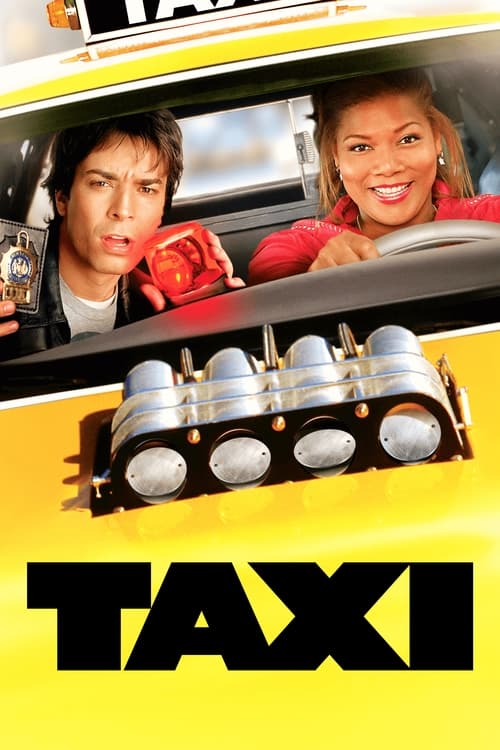
There was a specific window in the early 2000s when Hollywood was convinced that Jimmy Fallon was destined to be our next great leading man. It was the same era that gave us "Pimp My Ride" and saw Queen Latifah successfully transition from royalty in the hip-hop world to a genuine box-office draw. Somewhere in the middle of that cultural soup, someone decided to take Luc Besson’s high-octane French hit Taxi (1998) and give it a New York makeover.
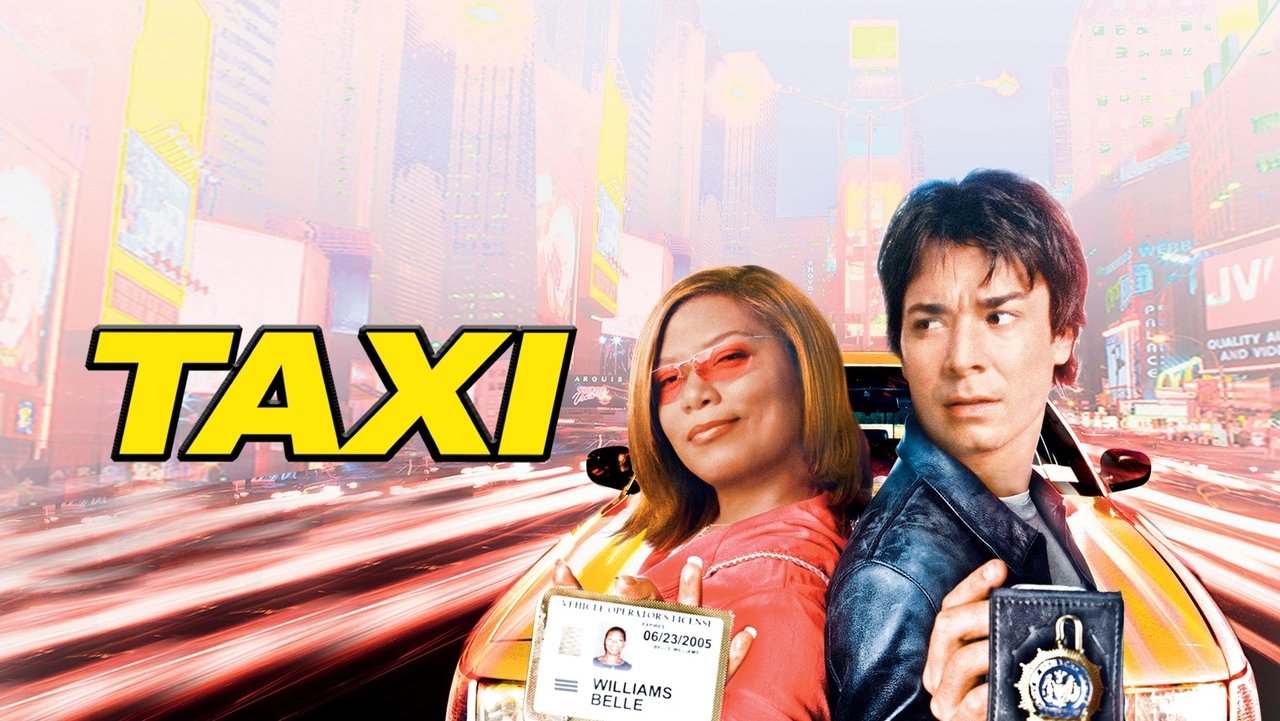
I revisited this one on a rainy Tuesday while trying to ignore a pile of laundry that had reached sentient heights, and honestly, the movie’s frantic, slightly messy energy matched my domestic vibe perfectly. It’s a film that feels like a time capsule—not because it’s a masterpiece, but because it captures a very specific, glossy, pre-streaming brand of studio comedy that doesn't really exist anymore.
The Crown Vic with an Identity Crisis
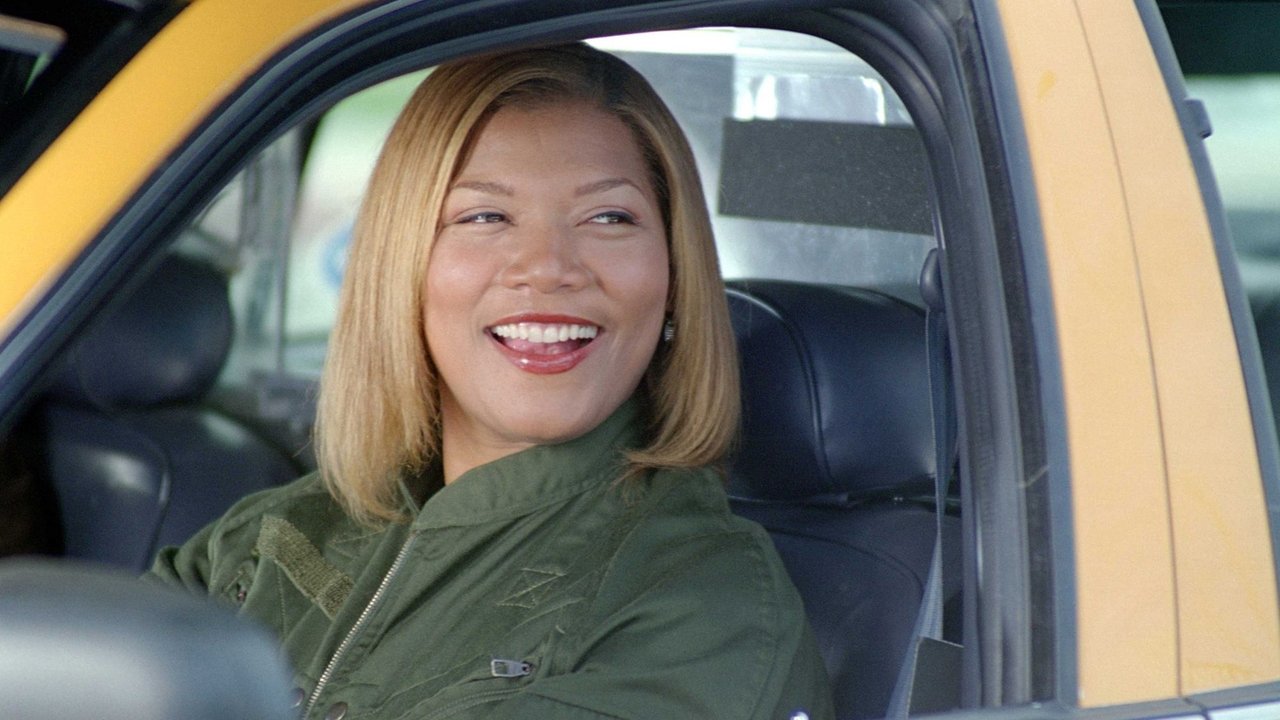
The heart of Taxi isn't the dialogue; it's the car. Queen Latifah plays Belle, a bike messenger turned cabbie who has spent her life savings turning a standard-issue Ford Crown Victoria into a transforming street racer. This was 2004, the peak of the "Fast & Furious" neon-underglow craze, and the film leans into it with goofy, practical joy. When Belle hits a series of switches and the car sprouts a spoiler, switches its tires, and lowers its suspension, it’s pure cinematic wish fulfillment for anyone who has ever been stuck in Manhattan gridlock.
Director Tim Story (fresh off the success of Barbershop) handles the action with a light, almost cartoonish touch. While the French original was grittier and more focused on the visceral mechanics of driving, the American remake treats its stunts like a live-action Wile E. Coyote short. We get cars jumping over drawbridges and high-speed chases through narrow alleys that defy several laws of physics. The real star of the movie is a Ford Crown Victoria with an identity crisis, and I’m okay with that. The stunts feel physical and loud, though you can see the early-2000s digital sheen starting to creep into the wider shots, a reminder of that transition period where CGI was becoming the "easy" button for directors.
A Pairing from a Different Timeline
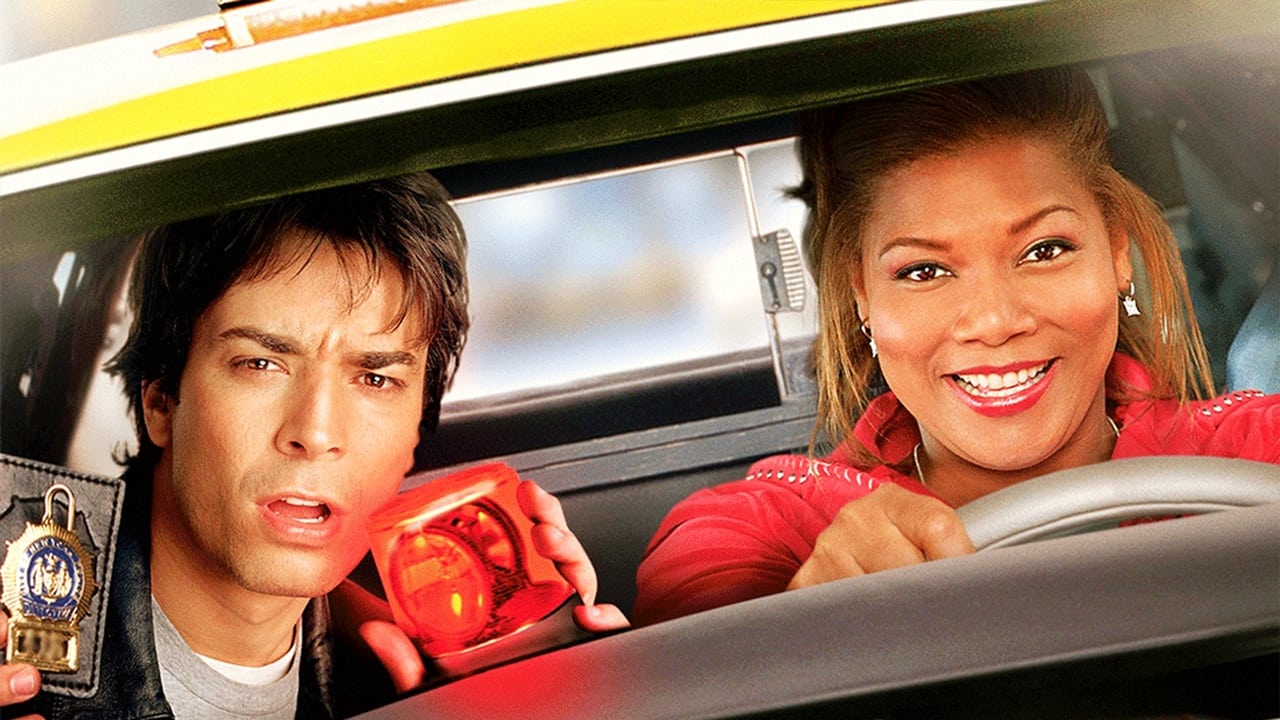
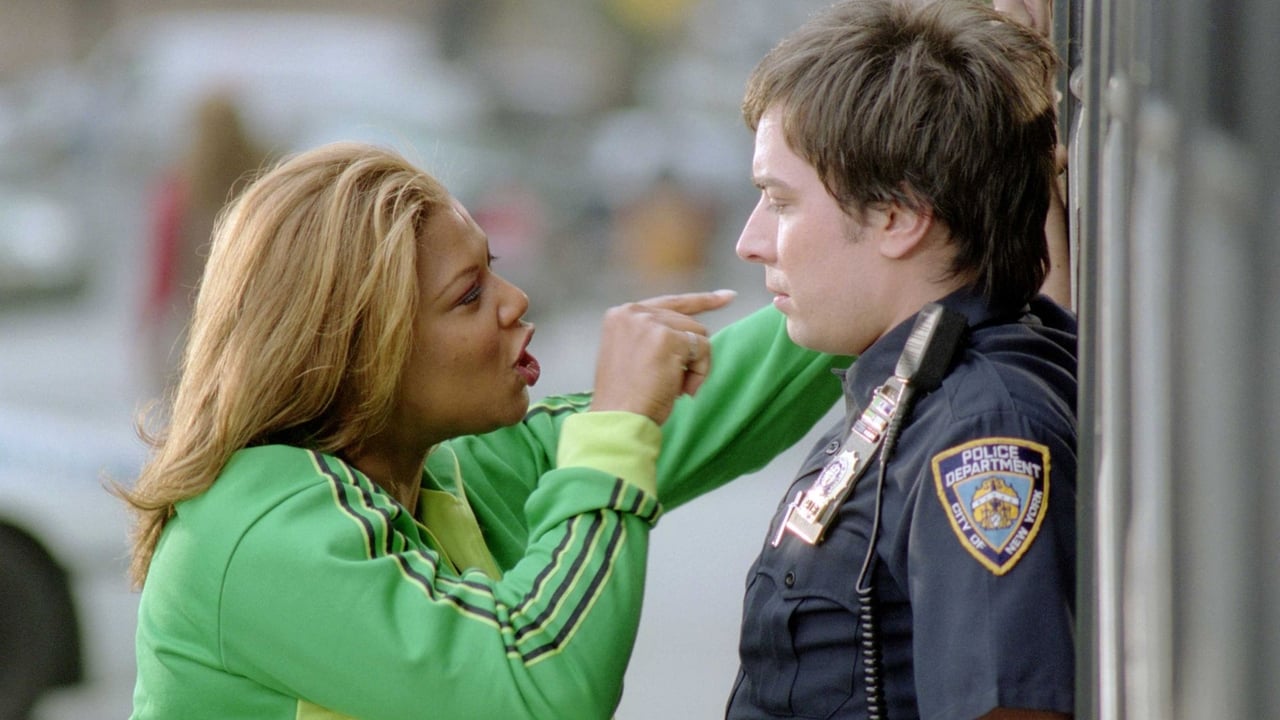
The "odd couple" trope is the engine here. You’ve got Belle, who is hyper-competent and fast, paired with Jimmy Fallon’s Washburn, a cop so inept at driving that he managed to reverse a patrol car into a pastry shop. Looking back, Fallon’s best performance is still just trying not to break during a Saturday Night Live sketch, and he brings that same "I’m just happy to be here" energy to Washburn. He’s playing a human cartoon, all flailing limbs and high-pitched yelps.
Latifah, however, is the glue. She brings a grounded, charismatic warmth that the script probably didn't deserve. She’s the "straight man" to Fallon’s chaos, and their chemistry is... well, it’s there. It’s not exactly Glover and Gibson in Lethal Weapon, but it’s functional. Then you have the villains: a quartet of Brazilian bank robbers led by supermodel Gisele Bündchen in her acting debut. They are essentially there to look intimidatingly tall and drive BMWs very fast. It’s a peak-2004 casting choice—prioritizing "cool" and "glamorous" over anything resembling a deep character arc.
Why We Let This One Stall
So, why has Taxi mostly vanished from the collective memory, relegated to the deep "Suggested for You" carousels of cable TV? It’s a classic case of a movie being "just fine" in a year that was crowded with more impactful entries. It was overshadowed by the looming "Franchise Era"—this was the year of Spider-Man 2 and The Bourne Supremacy. Compared to those, Taxi felt like a lightweight.
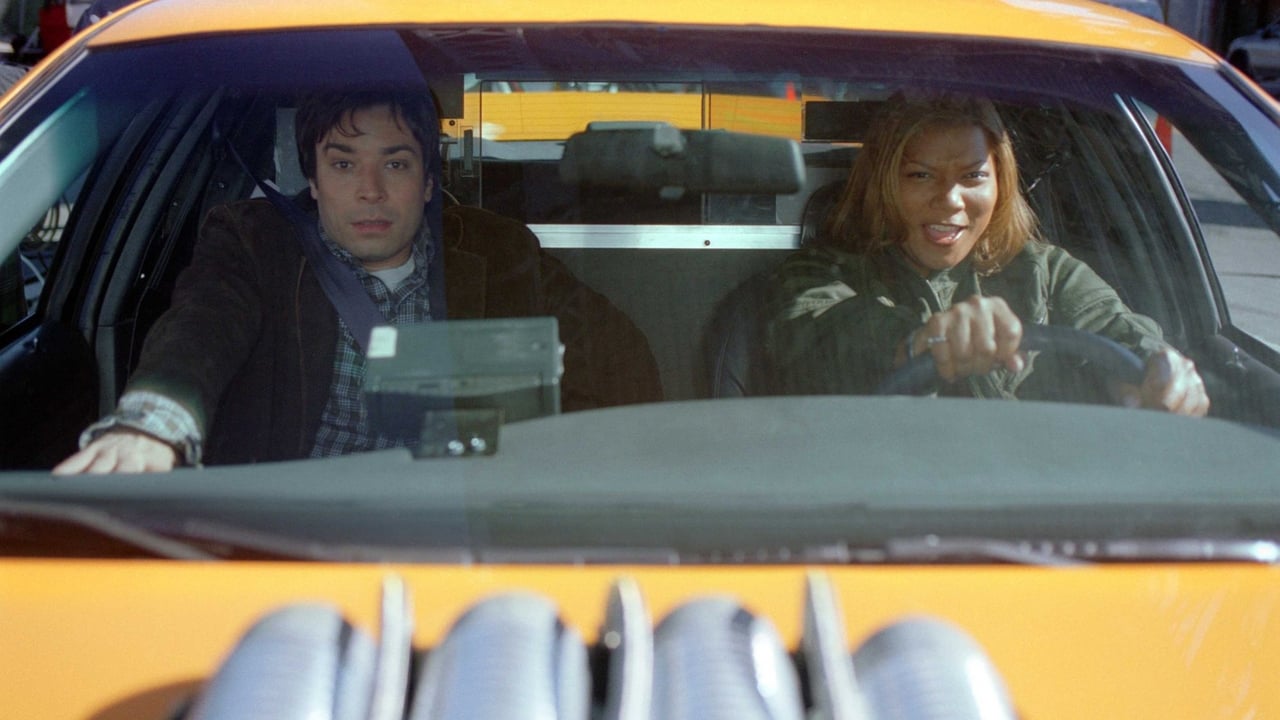
The film also suffers from the "remake curse." If you’ve seen the French version, the US version feels like a diluted, PG-13 cup of coffee. It lost the edge and the genuine sense of danger that Luc Besson (who actually produced this version too) usually brings to his European productions. It’s also a product of the mid-2000s comedy style where the jokes were often broad, loud, and relied heavily on the leads just doing "bits."
Still, there’s a charm to its obscurity. It reminds me of the DVD era, where you’d walk into a Blockbuster and pick this up because the cover looked fun and you needed 97 minutes of distraction. It doesn’t ask anything of you. It doesn't want to build a cinematic universe or deconstruct the police procedural. It just wants to show you a taxi doing a 180-degree turn at sixty miles per hour. There is a place for that.
Taxi is a sugary snack of a movie—entirely processed, arguably too loud, but occasionally exactly what you want when you don’t want to think. Queen Latifah is always a win, and seeing a pre-Talk Show Jimmy Fallon try to be an action star is a fascinating, if awkward, historical footnote. It’s the kind of film that’s best enjoyed with zero expectations and a very large bag of actual popcorn. It won’t change your life, but it might make you look at a yellow cab a little differently the next time you’re in the city.
Keep Exploring...
-
Stand Up Guys
2012
-
Shoot 'Em Up
2007
-
Smokin' Aces
2006
-
Shaft
2019
-
Another 48 Hrs.
1990
-
Blue Streak
1999
-
The Mexican
2001
-
National Security
2003
-
Taxi 3
2003
-
The Medallion
2003
-
Bandidas
2006
-
Taxi 4
2007
-
Cop Out
2010
-
Big Mommas: Like Father, Like Son
2011
-

One for the Money
2012
-
Ride Along
2014
-
Lake Placid
1999
-
Eight Legged Freaks
2002
-
The Ladykillers
2004
-
The Whole Ten Yards
2004