The Aviator
"The sky wasn't big enough for his demons."
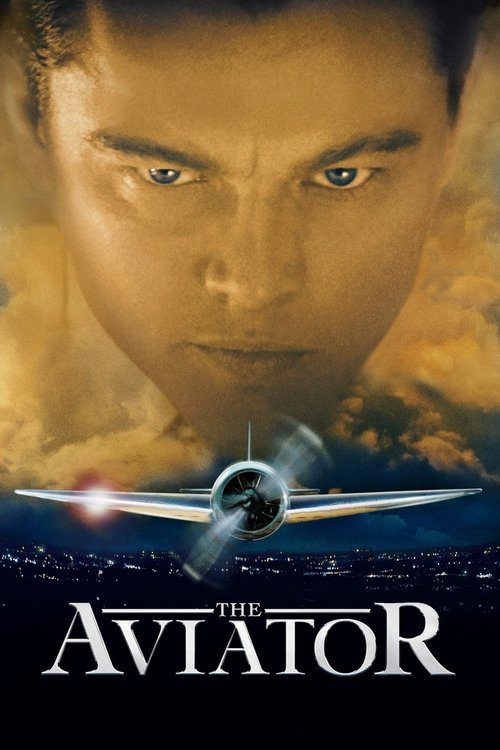
I watched The Aviator again recently while my neighbor was leaf-blowing his driveway for three straight hours, and honestly, the relentless, high-pitched drone outside my window actually felt like a 4D immersive experience. It provided the perfect, irritating soundtrack to Howard Hughes’ slow-motion psychological tailspin. If you haven't revisited this one since the mid-2000s, you’re missing out on the exact moment Leonardo DiCaprio stopped being the "King of the World" and started being the most interesting actor in the room.
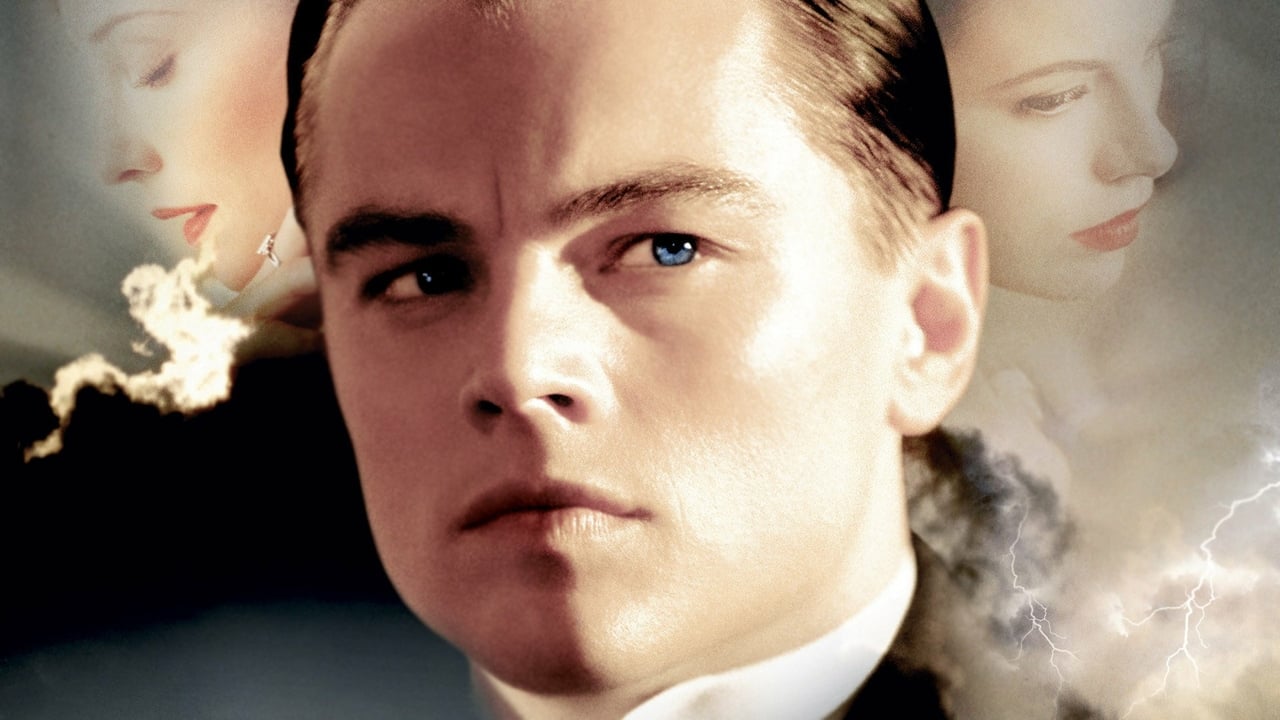
The Science of a Technicolor Breakdown
There is a specific look to this film that I haven't seen replicated since. Martin Scorsese and cinematographer Robert Richardson (who also lensed Casino and JFK) didn't just shoot a period piece; they invented a time machine. They used a digital color-grading process to mimic the "two-strip" and "three-strip" Technicolor looks of the era. The first hour of the movie is saturated in these surreal, vibrant cyans and crimsons that make the screen look like it was dipped in liquid emeralds and rubies. It’s gorgeous, but it’s also a trick.
As Hughes’ mental state deteriorates, the world loses that lushness. By the time we get to the 1940s, the film adopts a more "modern" look, which ironically feels colder and more sterile. It’s a subtle piece of visual storytelling that matches Hughes’ transition from a dashing, boundary-breaking maverick to a man trapped in a screening room, terrified of a dust mite. I remember seeing this in theaters in 2004 and thinking the blue peas on the dinner plate looked like a mistake; it wasn't until the DVD special features explained the color-timing history that I realized Scorsese was just flexing his film-historian muscles.
Leo’s Descent into the Milk Bottle
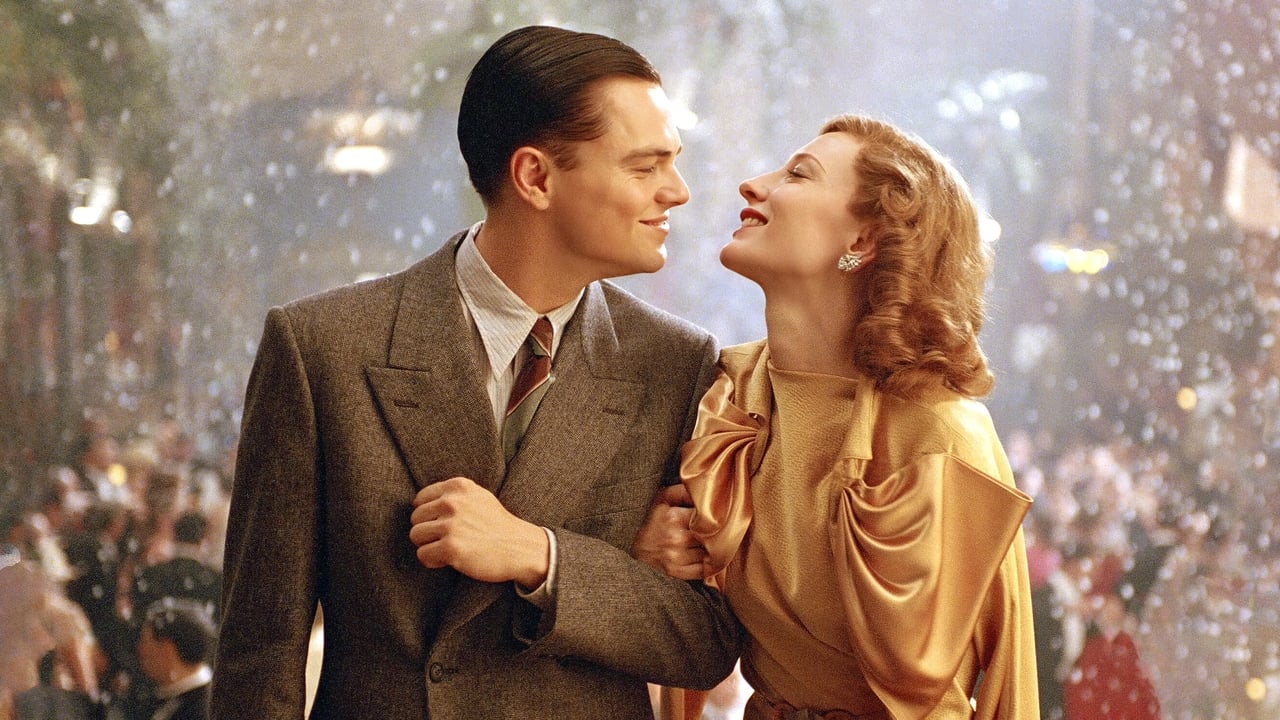
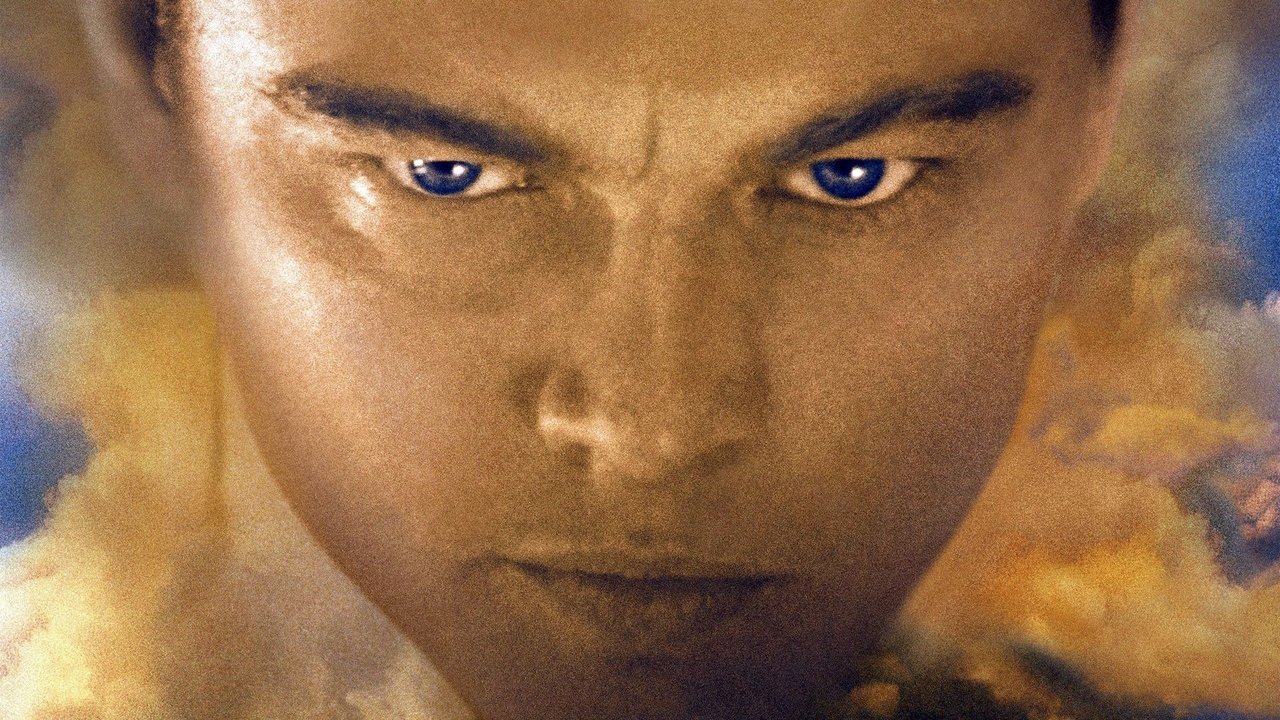
Let’s talk about the performance. This was the second collaboration between Scorsese and Leonardo DiCaprio, and it’s the one where the chemistry truly sparked. People forget that back then, there was still a bit of "pretty boy" skepticism surrounding Leo. DiCaprio didn't just play Hughes; he inhabited the guy's skin until it looked like he wanted to crawl out of it. The way he handles the onset of OCD—the repetitive "show me the blueprints," the frantic hand-washing—is agonizing to watch because it’s not played for "Oscar bait" theatrics. It’s played as a genuine, terrifying loss of control.
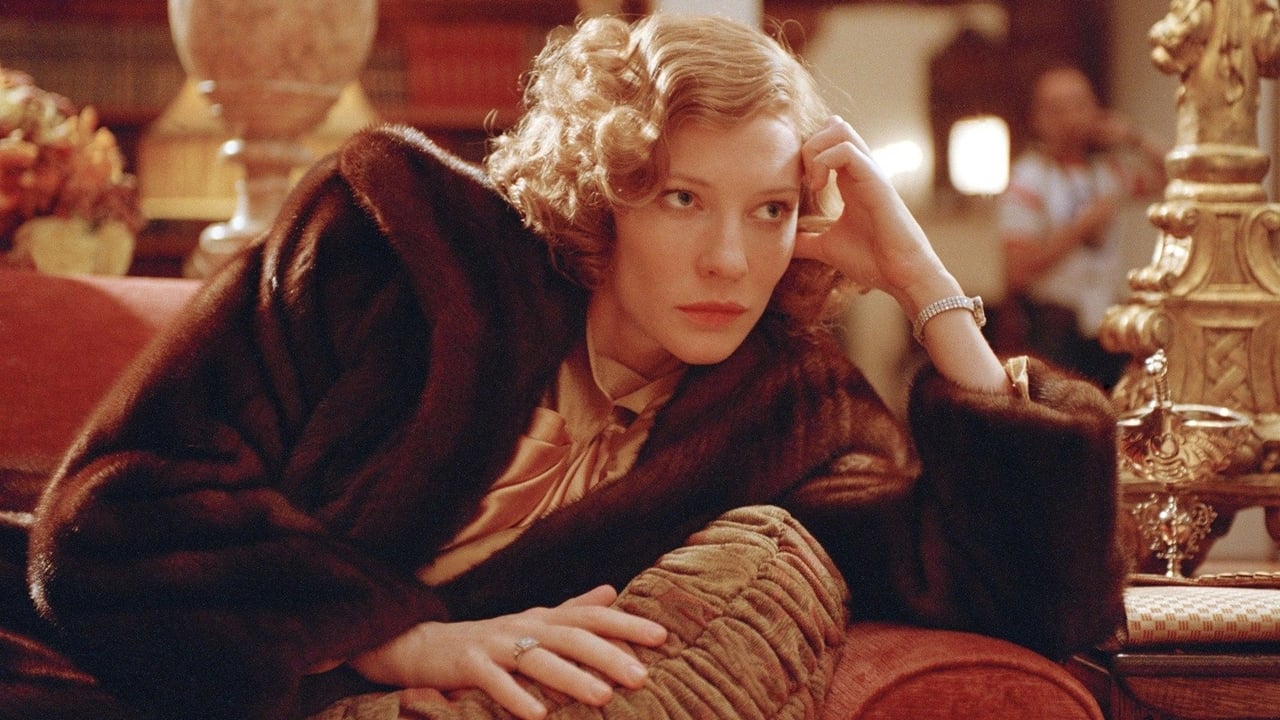
Then you have Cate Blanchett as Katharine Hepburn. It’s a high-wire act that should have been a disaster. She’s playing one of the most recognizable voices in history, and for the first ten minutes, you might think she’s doing a caricature. But then she finds the soul underneath the "re-ah-lly" and the "mah-velous," and you see why Hughes was captivated by her. The scene where she takes him home to meet her high-society family is a masterclass in social awkwardness. Alec Baldwin shows up as the villainous Juan Trippe of Pan Am, and Alan Alda is deliciously slimy as Senator Brewster. They’re the "sane" corporate villains who make you want to root for the guy who stores his own urine in milk bottles.
The Stuff You Didn’t Notice in the Cockpit
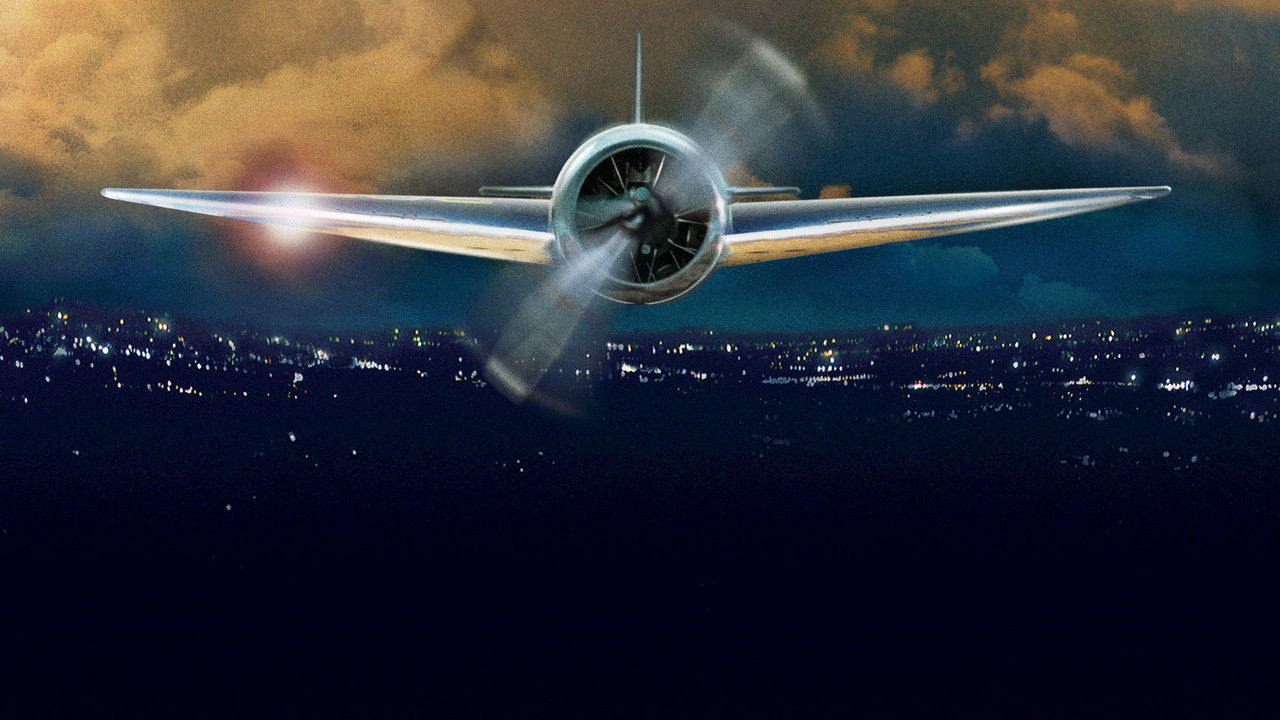
Despite being a massive prestige biopic, The Aviator has developed a bit of a cult following among craft nerds and aviation geeks. There’s an obsessive level of detail that mirrors Hughes himself. For instance, the crash of the XF-11 in Beverly Hills is still one of the most bone-rattling sequences ever filmed. They used a 1:4 scale model with a nearly 30-foot wingspan because Scorsese wanted the physics to feel "heavy" in a way early-2000s CGI often couldn't manage.
Apparently, DiCaprio spent a staggering $250,000 of his own money to hire a private researcher to dig up every scrap of info on Hughes before filming even started. That’s the kind of dedication that makes the "Way of the future" scene so haunting. It turns out that much of that scene’s repetition was improvised by Leo and Scorsese on the day of shooting to really nail the feeling of a broken record in a human brain. Also, keep an eye out for a young John C. Reilly as Noah Dietrich; he provides the grounded, tragic heart of the film, watching his friend disappear into madness while trying to keep the books balanced.
In the mid-2000s, we were flooded with biopics, but most of them felt like they were checking boxes on a Wikipedia page. The Aviator is different because it’s a film about obsession made by an obsessed filmmaker. It captures that transition from the analog grit of the early 20th century to the sleek, corporate digital age. It’s a long sit at 170 minutes, but it never feels like a slog. Howard Hughes was the original tech bro, just with better taste in planes, and this film remains the definitive portrait of what happens when you have enough money to build your own reality, only to find you’re the only one who can’t leave.
Keep Exploring...
-
Gangs of New York
2002
-
The Departed
2006
-
Hugo
2011
-
Shutter Island
2010
-
The Wolf of Wall Street
2013
-
Blood Diamond
2006
-
Killers of the Flower Moon
2023
-
Bringing Out the Dead
1999
-
Casino
1995
-
Body of Lies
2008
-
Revolutionary Road
2008
-
Cape Fear
1991
-
The Age of Innocence
1993
-

The Perfect Storm
2000
-
A.I. Artificial Intelligence
2001
-
Road to Perdition
2002
-
The Life Aquatic with Steve Zissou
2004
-
Click
2006
-
The Curious Case of Benjamin Button
2008
-
Magnolia
1999