The Bourne Supremacy
"Forget the gadgets. This is about survival."
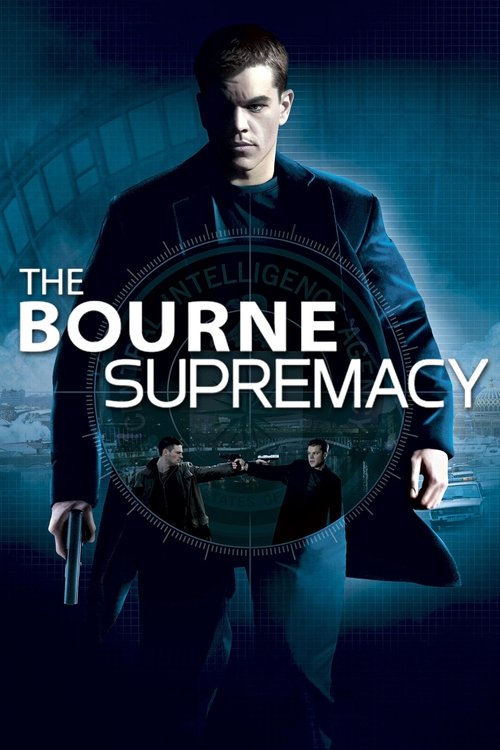
In 2004, the action genre was suffering from a massive hangover of slow-motion bullets and leather trench coats. We were still trying to shake off the "Matrix-clone" era where every fight felt like a choreographed ballet in a digital void. Then Paul Greengrass (who had previously directed the harrowing Bloody Sunday) stepped in and decided that if we were going to watch a man get punched in the face, we should feel the sinus pressure ourselves.
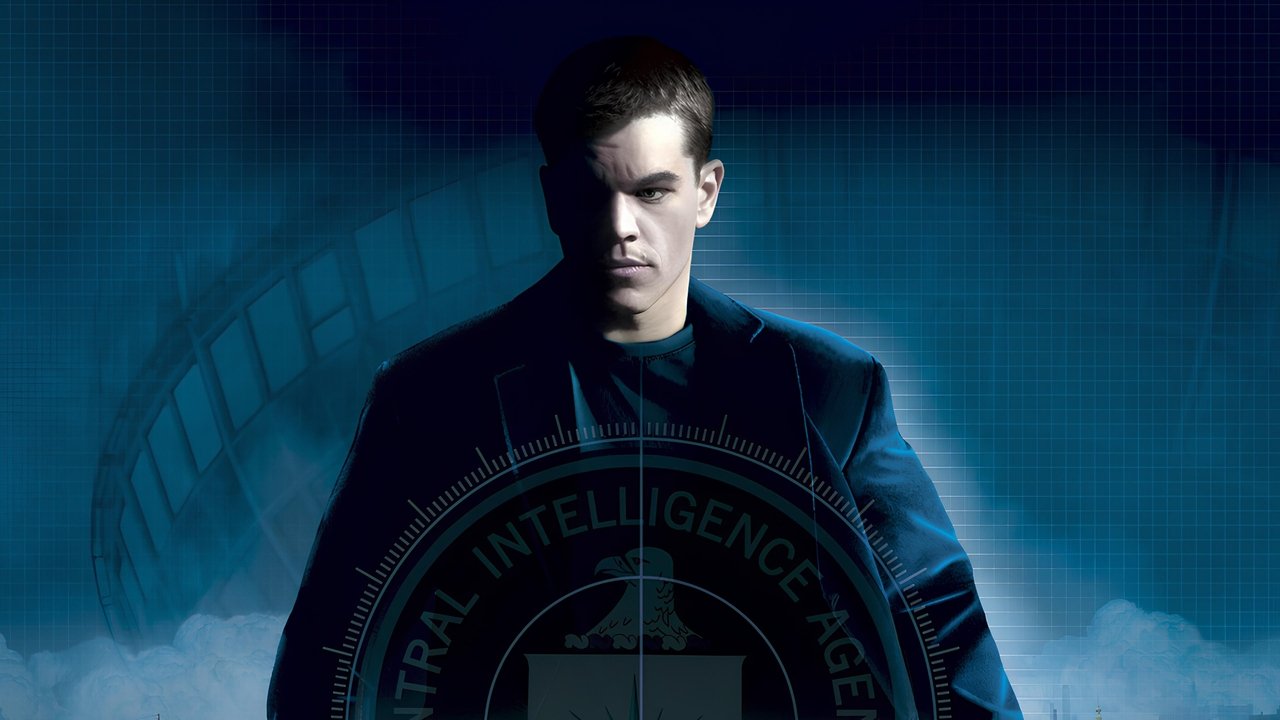
The Bourne Supremacy didn’t just continue the story started by Doug Liman in The Bourne Identity; it fundamentally rewrote the DNA of the modern blockbuster. It traded the slick, postcard-ready vistas of Europe for a grimy, rain-slicked Berlin and a Moscow that felt like a freezing concrete trap. Looking back, this was the moment the "Post-9/11 action film" truly found its voice: paranoid, breathless, and deeply skeptical of the people in the high-backed chairs.
The Art of the Raw Nerve
I’ll be honest: the first time I saw this, I was watching it on a cramped bus ride with a screen so small I could barely tell the difference between a car and a dumpster, and my seatmate was aggressively peeling an orange the entire time, but the film still managed to reach out and grab me by the throat. That’s the magic of what Paul Greengrass brought to the table. He introduced a "shaky cam" aesthetic that many have tried to copy since—usually failing miserably—because here, the jittery frame isn't a gimmick. It’s a reflection of Jason Bourne’s internal state.
Matt Damon is incredible because he plays Bourne as a man who is constantly vibrating with the effort of not collapsing. He doesn't have the quips of Bond or the invincibility of Ethan Hunt. He looks tired. He looks haunted. When he loses Marie (Franka Potente) in the opening act—a bold, devastating move that strips the film of its only warmth—the movie descends into a cold, relentless pursuit of accountability. Damon’s best acting is done through his peripheral vision, showing us a man who sees every exit, every weapon, and every threat before he even realizes he’s looking for them.
A Collision of Metal and Morals
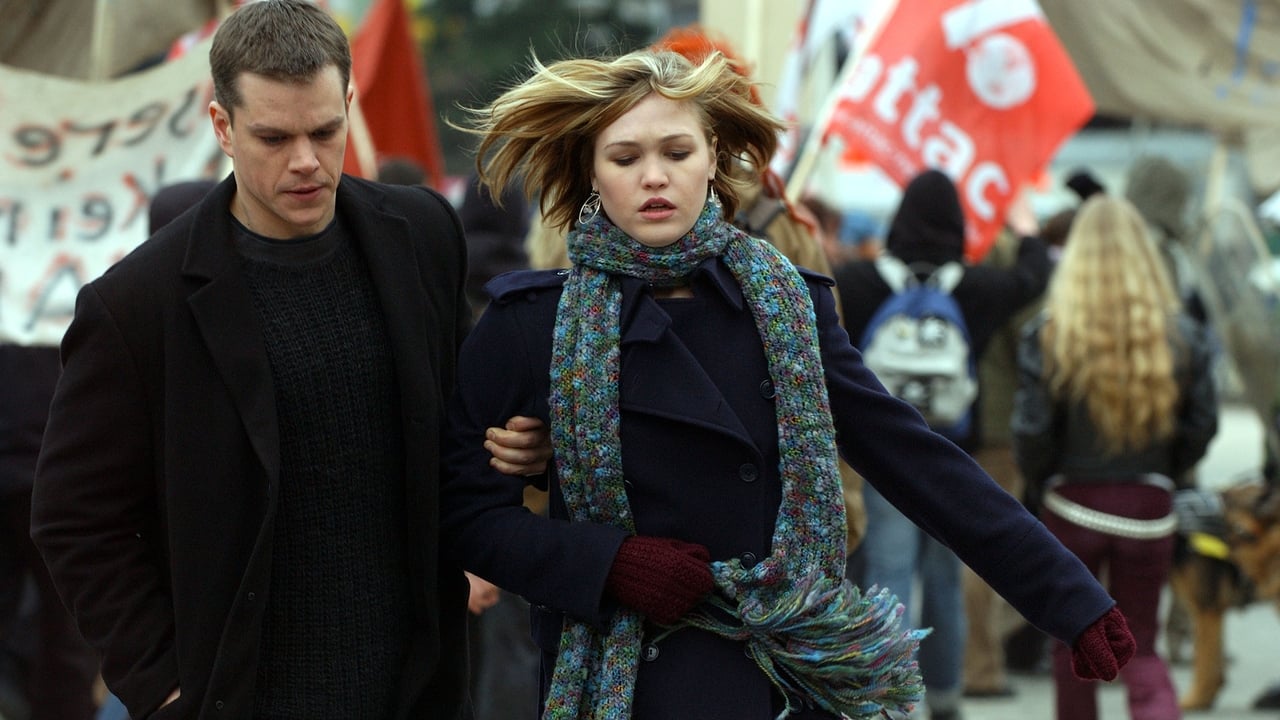
The action choreography here is a far cry from the wire-fu of the early 2000s. The famous "magazine fight" in Munich is a perfect example of the film’s grounded philosophy. Bourne doesn't need a high-tech laser watch; he needs a rolled-up copy of The Economist and a toaster. It’s brutal, ugly, and over in seconds. The film treats violence as a desperate necessity rather than a spectacle.
But the real crown jewel is the Moscow car chase. This sequence is a masterclass in spatial storytelling despite the frantic editing. Most directors would use CGI to smooth out the crashes, but Greengrass and his team used a "Go-Mobile"—a stripped-down truck that allowed them to film Matt Damon right in the middle of the carnage while stunt drivers did the heavy lifting. The result is a sequence where you can practically smell the burnt rubber and the leaking coolant. It’s one of the few times in cinema history where a dented yellow taxi feels more intimidating than a tank.
The Shadow Side of the CIA
The "Dark/Intense" modifier isn't just about the lighting; it’s about the soul of the film. Tony Gilroy’s screenplay digs into the idea that Bourne isn't just a hero—he’s a victim of a system that turns humans into hardware. The villains aren't mustache-twirling megalomaniacs; they’re middle managers in suits. Brian Cox is chilling as Ward Abbott, a man who justifies his crimes with the casual tone of someone discussing a quarterly earnings report.
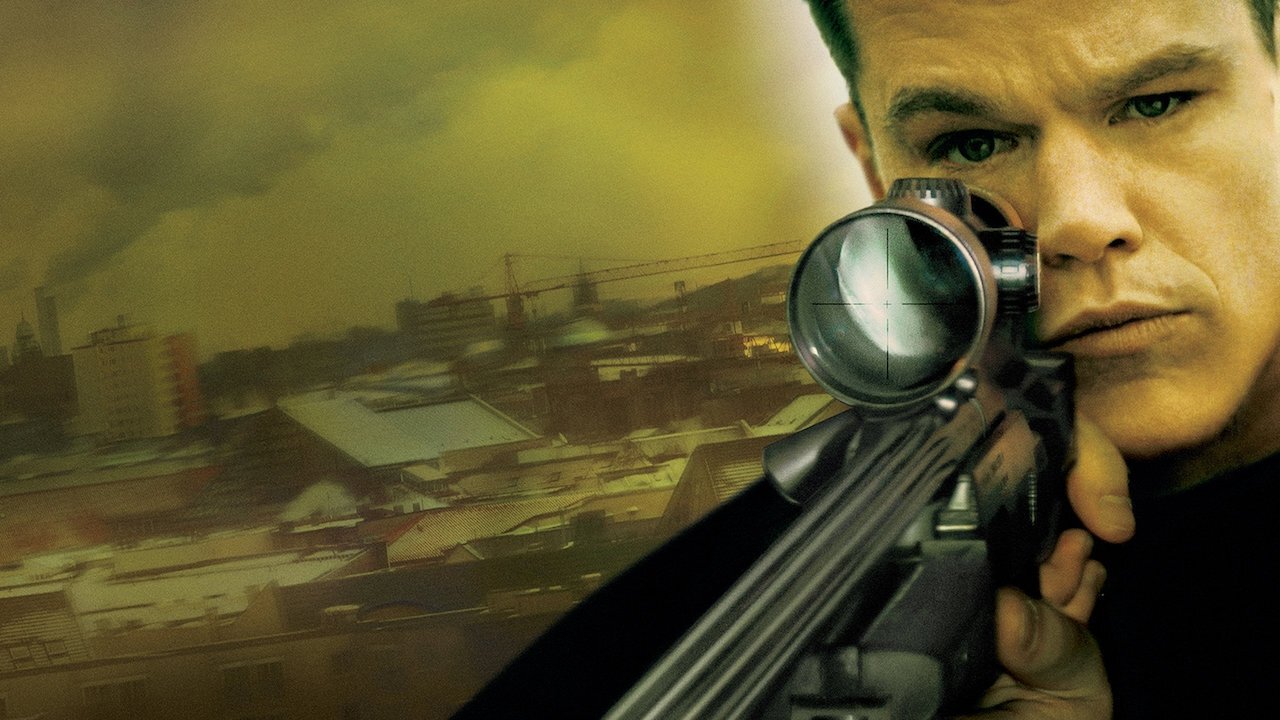
Opposite him, Joan Allen brings a needed professional steel as Pamela Landy. Her back-and-forth with Bourne via burner phones and sniper scopes provides the film’s intellectual backbone. It’s a cat-and-mouse game where the cat realizes the mouse might actually be the only one telling the truth.
Stuff You Didn't Notice
Financial Powerhouse: On a budget of $75 million, the film raked in over $288 million. This success basically forced the James Bond franchise to reboot itself into the grittier Casino Royale. The 360-Degree Spin: During the climactic Moscow chase, that 360-degree spin the taxi does was a real stunt. The crew used a specialized rig to ensure the camera stayed fixed on Damon's face, capturing his actual reaction to the G-forces. Realism over Ego: Matt Damon accidentally knocked out actor Tim Griffin during a scene. Damon was reportedly horrified, but the film’s commitment to close-quarters intensity made those kinds of accidents almost inevitable. The Score: John Powell’s music is a character in itself. The way he uses strings to build a sense of inescapable dread is far more effective than any loud explosion. And, of course, Moby’s "Extreme Ways" kicking in at the end remains the ultimate "cool guys walk away" anthem.
The Bourne Supremacy is the rare sequel that improves upon its predecessor by deepening the emotional stakes while refining its visual language. It’s a cold, hard slap of a movie that refuses to offer easy comfort or flashy heroics. Looking back from an era of green-screen exhaustion, the tangible weight of Bourne’s world feels more vital than ever. It’s a film about the heavy cost of remembering, and it’s one you won’t easily forget.
Keep Exploring...
-
The Bourne Ultimatum
2007
-

The Bourne Identity
2002
-
Jason Bourne
2016
-

Captain Phillips
2013
-
United 93
2006
-
Green Zone
2010
-
The Bourne Legacy
2012
-
Rise of the Planet of the Apes
2011
-
The Talented Mr. Ripley
1999
-
Dawn of the Planet of the Apes
2014
-
The Fugitive
1993
-
The Last Castle
2001
-
Man on Fire
2004
-
Munich
2005
-
Blood Diamond
2006
-
Shooter
2007
-

The Dark Knight Rises
2012
-

Mr. & Mrs. Smith
2005
-
Fast & Furious
2009
-
The Count of Monte Cristo
2002