The Butterfly Effect
"Sometimes the past is better left broken."
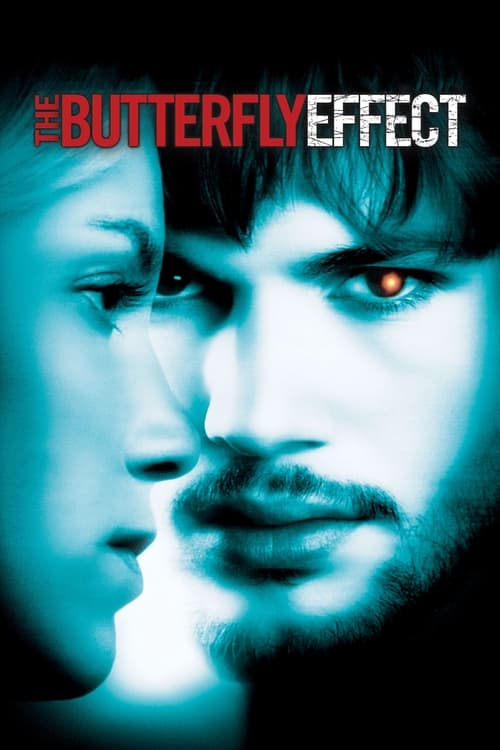
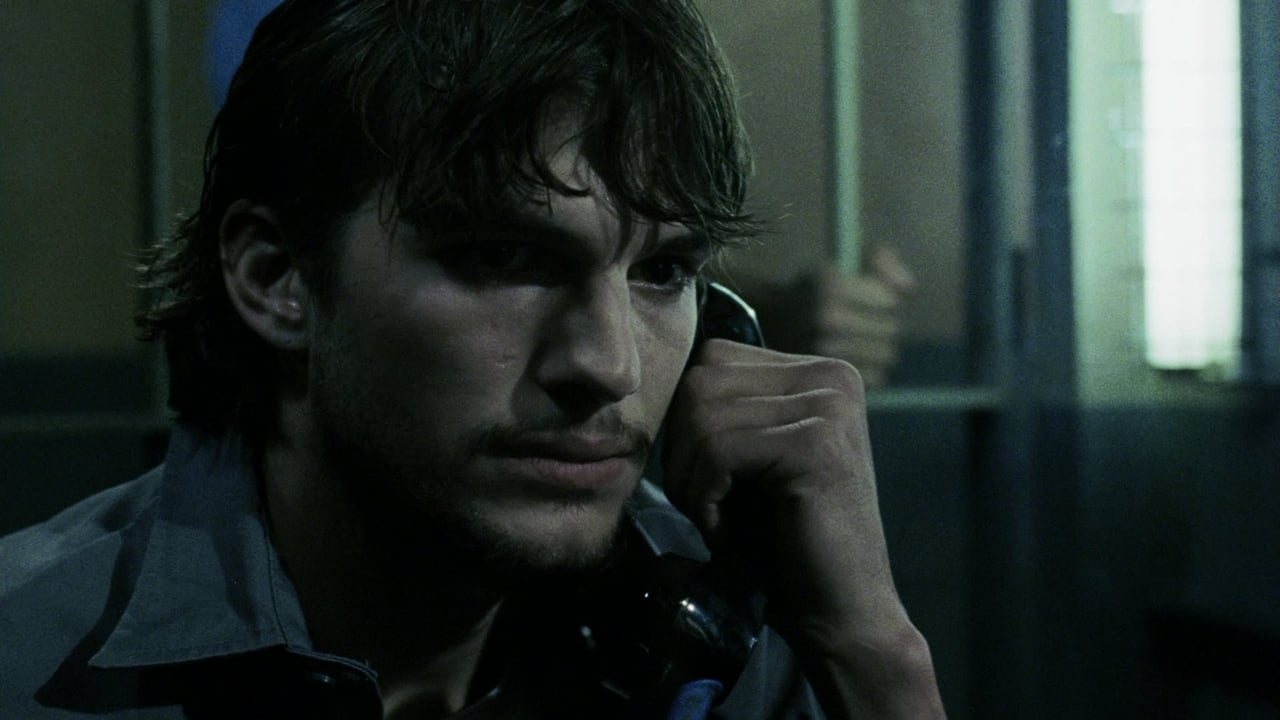
There is a specific, jagged cruelty to the way 2004 cinema handled trauma. Before the Marvel Cinematic Universe sanitized our blockbusters into quip-heavy spectacles, there was a brief window where mid-budget studio films were allowed to be relentlessly, almost pathologically, bleak. I remember sitting in a cramped theater in the suburbs, clutching a bag of increasingly salty popcorn—I actually dropped a piece of cold, congealed pizza on my lap during the prison sequence and was too stressed to even brush it off—watching Ashton Kutcher try to "fix" his life, only to realize that the universe might just be a sadistic prankster.
The Kutcher Gamble and the Y2K Edge
At the time, casting Ashton Kutcher (fresh off That '70s Show and Dude, Where's My Car?) as Evan Treborn was seen as a massive risk. We knew him as the "Punk’d" guy, the goofy heartthrob with the trucker hats. But The Butterfly Effect demanded something different: a frantic, sweaty desperation. Looking back, Kutcher’s performance carries that specific "trying-too-hard" energy common in the early 2000s when sitcom stars sought dramatic legitimacy. Paradoxically, that intensity works here. Evan isn't a hero; he’s a man trying to outrun a childhood that feels like a minefield.
The film captures a very specific post-9/11 anxiety—the terrifying realization that the world is fragile and that a single, tiny oversight can lead to total collapse. Directors Eric Bress and J. Mackye Gruber (who also wrote Final Destination 2) don't just lean into the sci-fi hook; they dive headfirst into the "gritty" aesthetic of the era. Everything is desaturated, high-contrast, and feels slightly greasy. It’s a film that smells like stale cigarettes and damp basements.
A Rube Goldberg Machine of Misery
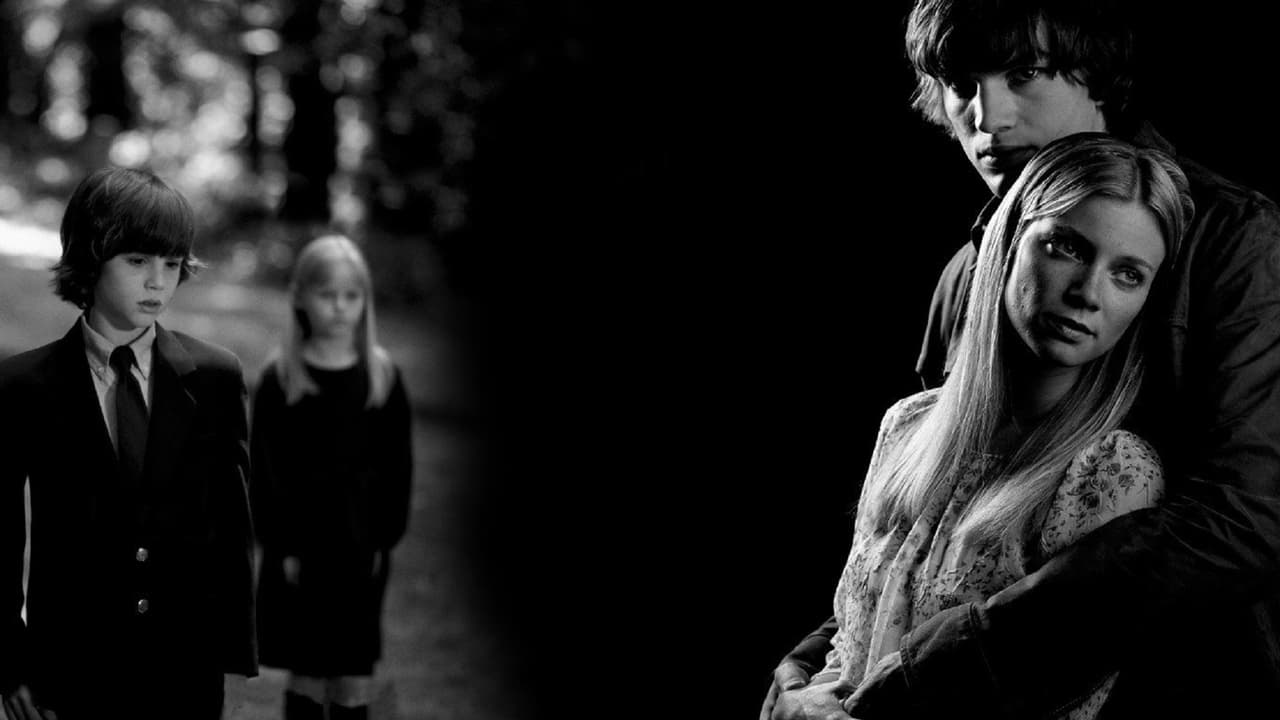
The science fiction here isn't about spaceships or laser beams; it's "Soft Sci-Fi" that functions as a psychological horror. Evan discovers he can travel back into his younger self by reading his childhood journals. It’s a brilliant "what if?" that exploits the inherent regret we all carry. However, the movie is essentially a Rube Goldberg machine of human suffering. Every time Evan goes back to save his childhood sweetheart, Kayleigh (played with heartbreaking vulnerability by Amy Smart), he creates a timeline that is exponentially worse.
One moment he’s a frat boy; the next, he’s a double amputee; the next, he’s in a high-security prison. The internal logic holds up surprisingly well, mostly because the film prioritizes emotional stakes over hard physics. It understands that the "how" of time travel is less interesting than the "why" of the person doing it. The supporting cast is vital here, particularly Elden Henson (who many now know as Foggy Nelson in Daredevil) as the traumatized Lenny. His physical and psychological transformations across the different timelines are the film's secret weapon, anchoring the high-concept madness in something that feels painfully real.
The DVD Revolution and the "True" Ending
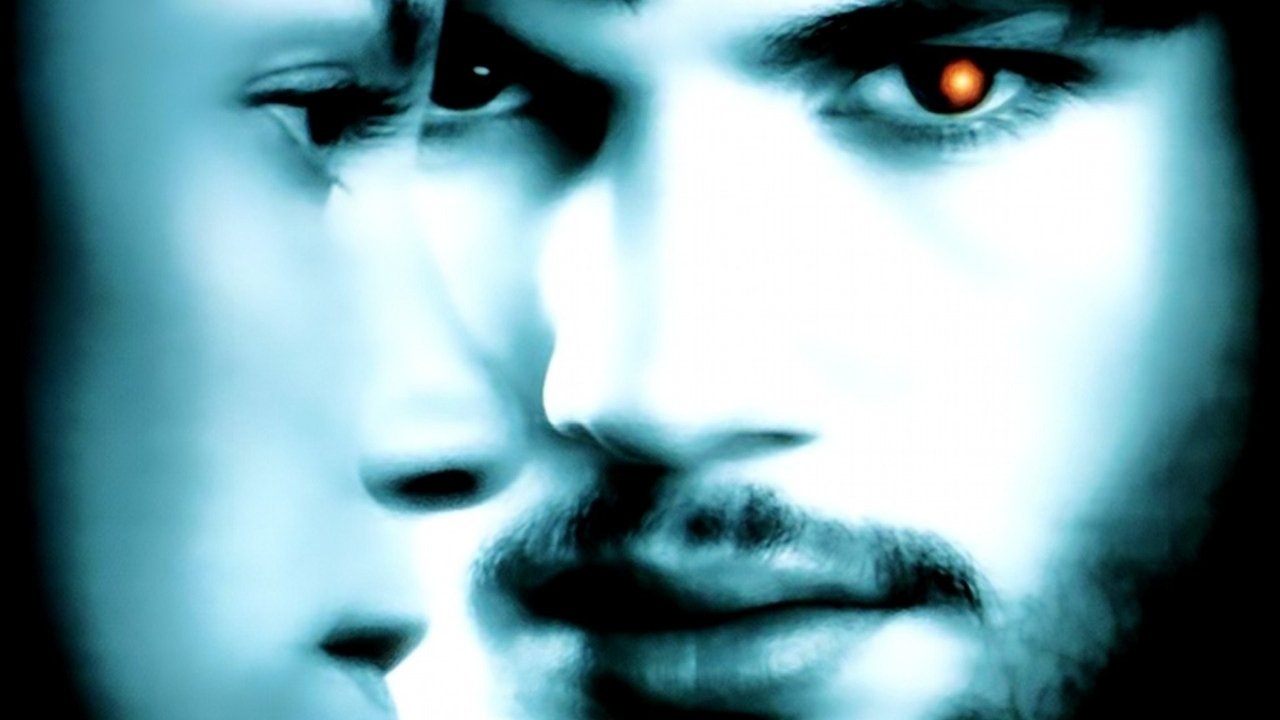
If you saw this in theaters, you saw a bittersweet ending. If you were part of the massive DVD cult that formed shortly after, you likely saw the "Director’s Cut." This is where The Butterfly Effect earns its status as a cult classic. The DVD era allowed films to have second lives, and the alternate ending—involving a womb and an umbilical cord—is one of the most infamously dark creative choices in modern cinema. It transformed the movie from a tragic thriller into a pitch-black nihilistic statement.
The film is arguably the pinnacle of "Edgelord Cinema," pushing boundaries of taste (the Eric Stoltz subplot is still genuinely difficult to watch) to prove a point about the futility of control. It was panned by many critics at the time for being melodramatic, but the fans understood something the critics didn't: life often feels like a series of cascading disasters.
Cool Details & Sublimated Memories
Ashton Kutcher actually did extensive research on psychology and chaos theory to prepare for the role, wanting to ensure Evan’s "blackouts" felt like actual medical phenomena. The script was stuck in development hell for over seven years because studios found the subject matter—particularly the child abuse and animal cruelty—too repulsive for a mainstream audience. Melora Walters, who plays Evan's mother, was cast specifically because of her ethereal, slightly broken performance in Paul Thomas Anderson’s Magnolia (1999). The "Director’s Cut" was so controversial that it was reportedly used as a litmus test by the filmmakers to see how much the studio would actually let them get away with. * Despite the critical drubbing (it holds a dismal score on most aggregate sites), it was a massive financial success, grossing nearly $100 million on a modest $13 million budget, proving the "Butterfly Effect" of word-of-mouth marketing.
The Butterfly Effect is a fascinating relic of an era when mid-budget sci-fi wasn't afraid to leave the audience feeling like they needed a long, hot shower. It’s messy, occasionally exploitative, and unapologetically grim, but it possesses a narrative momentum that most modern thrillers lack. While some of the CGI-enhanced "brain-shaking" effects have aged like milk, the core question of the film remains evergreen. It reminds me that our scars, as ugly as they are, are often the only things keeping us from becoming someone much worse.
Keep Exploring...
-
Equilibrium
2002
-
Serenity
2005
-

28 Days Later
2002
-

V for Vendetta
2006
-
Gattaca
1997
-
Children of Men
2006
-

Paprika
2006
-

Starship Troopers
1997
-
The Thirteenth Floor
1999
-
Frequency
2000
-
John Q
2002
-
Identity
2003
-
Predestination
2014
-
Pitch Black
2000
-

The Mist
2007
-
9
2009
-
Pandorum
2009
-
Batman Beyond: Return of the Joker
2000
-
Minority Report
2002
-

The Matrix Reloaded
2003