The Chorus
"Where words fail, the music speaks."
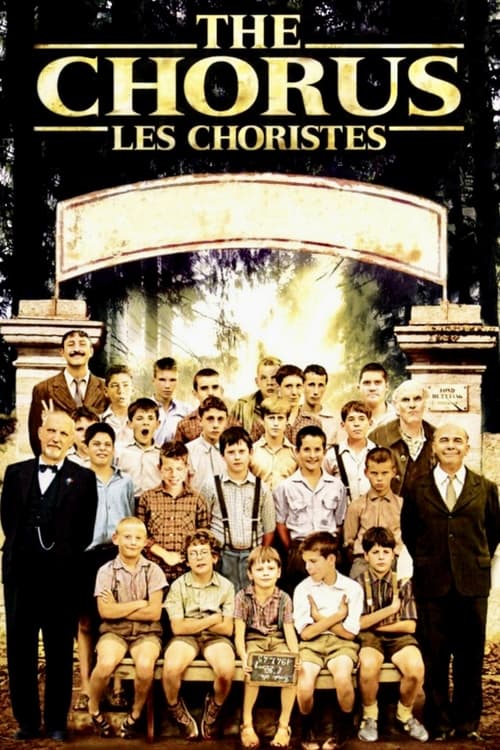
The year 2004 was a loud one at the multiplex. We were dodging flying debris in Spider-Man 2, hiding from the apocalypse in The Day After Tomorrow, and laughing at the absurdity of Team America: World Police. Then, drifting over from France like the scent of a fresh baguette in a crowded subway, came The Chorus (Les Choristes). It was a quiet, sepia-toned rebellion against the digital noise of the mid-2000s, proving that you don’t need a $200 million budget to make a room full of adults reach for their napkins to dry their eyes.

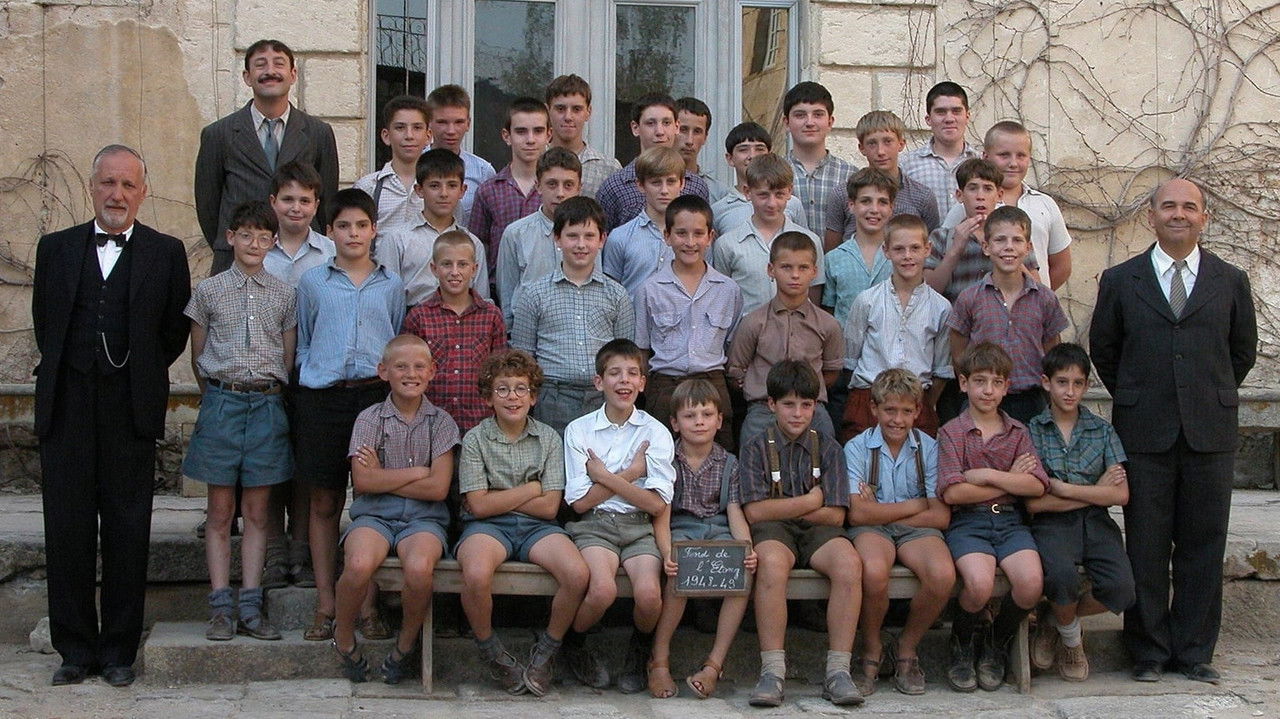
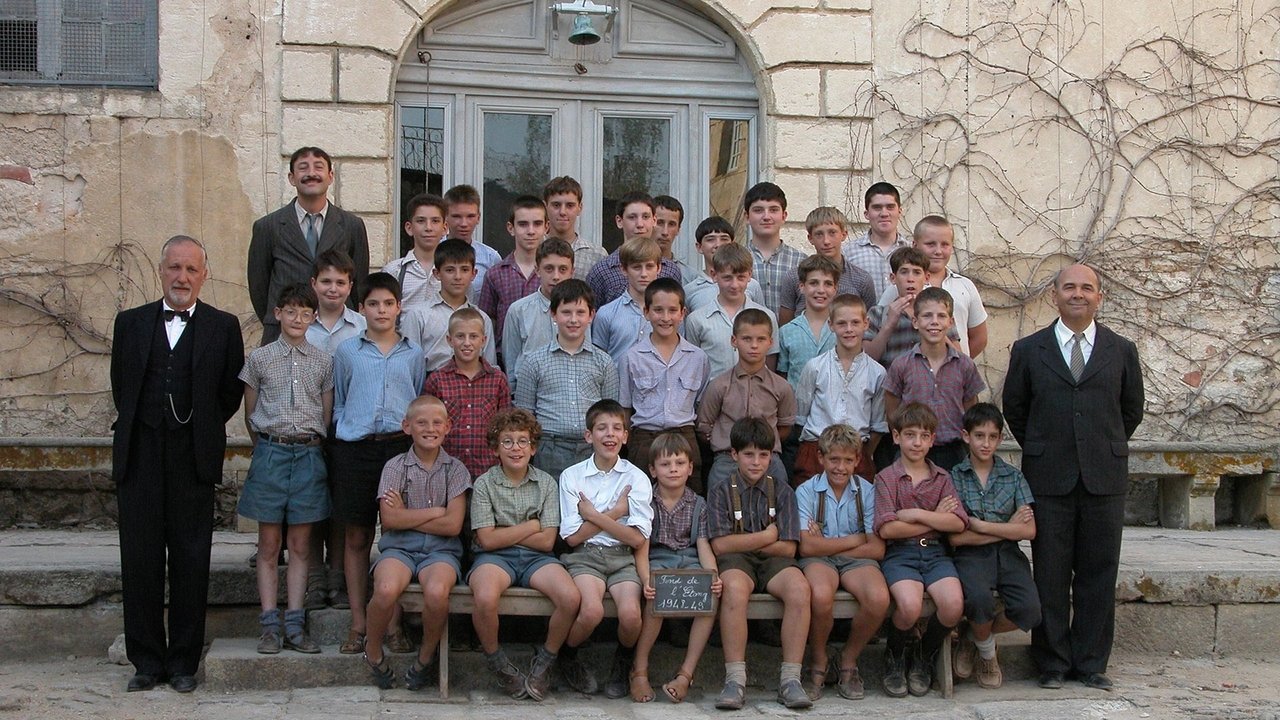
I watched this again last Tuesday while my neighbor was loudly assembling what I assume was a DIY trebuchet in his backyard, and the contrast was hilarious. While he was hammering away at wood and screaming about missing screws, I was transported to the damp, gray halls of "Fond de l’Étang"—which literally translates to "Bottom of the Pond." It’s a school for "difficult" boys that feels less like an educational institution and more like a Victorian prison for children who look like they’ve never seen a vegetable.
The Art of the Everyman
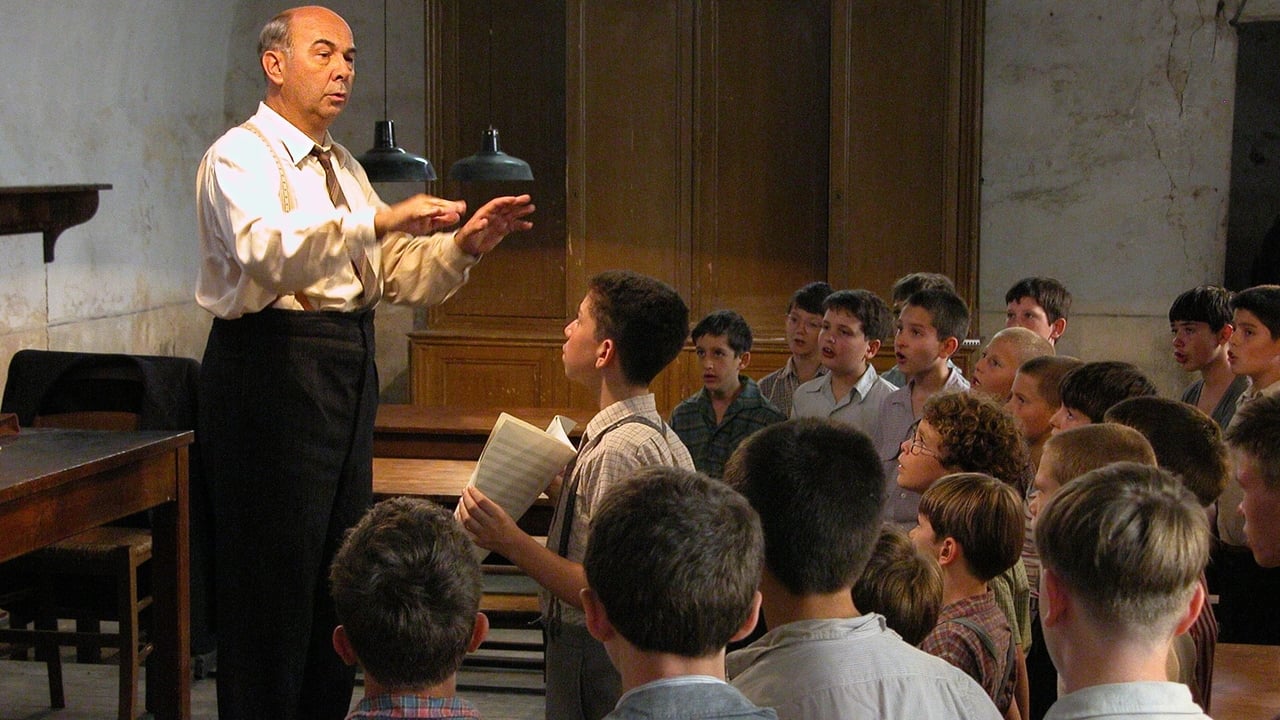
The heart of the film is Gérard Jugnot as Clément Mathieu, a failed musician turned supervisor. Jugnot is a revelation here because he doesn’t play Mathieu as a savior with a gleaming smile. He’s a short, bald, slightly rumpled man who looks like he’s perpetually apologizing for occupying space. He’s the anti-Hollywood lead. Watching him navigate the "Action-Reaction" tyranny of the school’s headmaster, Rachin (François Berléand), is like watching a soft breeze try to erode a granite cliff.
François Berléand plays Rachin with such delicious, pinched-nerve irritability that you almost want to hand him a lozenge. He is the quintessential bureaucratic villain, convinced that the only way to handle children is through cold-blooded discipline. My hot take? Berléand plays the headmaster like a cartoon vulture who accidentally wandered into a prestige drama, and honestly, the movie is better for it. His performance provides the necessary friction that makes Mathieu’s gentle musical experiment feel like an act of high-stakes espionage.
A Voice from the Clouds
Then there’s the music. If you were alive and near a radio or a DVD player in the mid-2000s, you couldn't escape "Vois sur ton chemin." The score by Bruno Coulais is the film's secret weapon. It’s not just background noise; it’s the actual plot. When Jean-Baptiste Maunier, playing the "angel-faced devil" Pierre Morhange, opens his mouth to sing, the film stops being a school drama and becomes something ethereal.
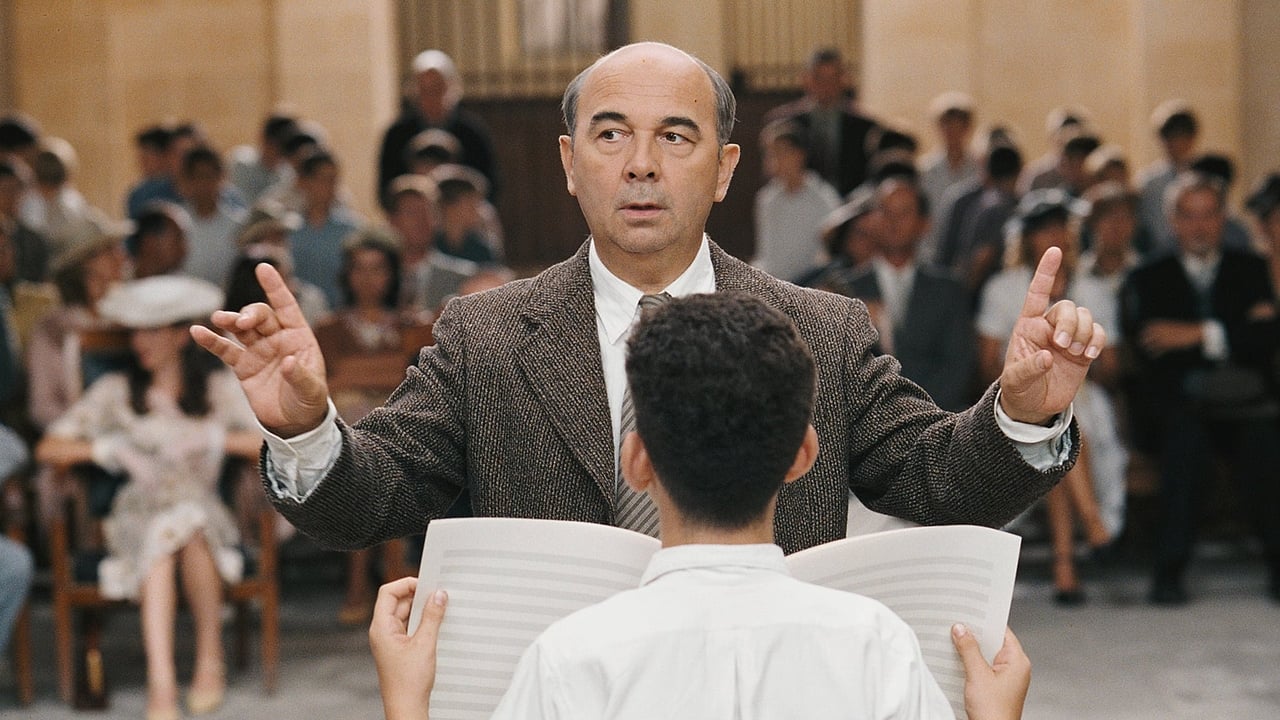
Maunier wasn't just some kid who could lip-sync; he was a soloist in a real-life choir (the Petits Chanteurs de Saint-Marc), and you can feel that authenticity. His voice has a crystalline quality that feels like it could shatter the very walls of the school. The scene where Mathieu lets Morhange sing his solo during a visit from the school's benefactors is a masterclass in directorial restraint. Director Christophe Barratier (who also co-wrote the screenplay and is the nephew of the film's producer, Jacques Perrin) lets the camera linger on the faces of the boys. You see them transform from "disruptive" statistics into human beings with a purpose.
The DVD Era and the Cult of Heart
The Chorus is a fascinating relic of the early 2000s international film boom. This was the era when a foreign language film could become a massive sleeper hit through word-of-mouth and the "DVD effect." It was the ultimate "parent gift." I remember my own mother buying three copies to give to various aunts. It found a cult following not because it was weird or avant-garde, but because it was unapologetically earnest in a decade that was becoming increasingly cynical.
Here are a few things you might not know about this choir:
The Remake Factor: It’s actually a remake of the 1945 film La Cage aux rossignols (A Cage of Nightingales), but it vastly improved on the original’s sugary tone by adding a bit more grit to the school's atmosphere. The Maunier Mania: Jean-Baptiste Maunier became such a sensation in France that he had to deal with boy-band levels of fame for years after the release. Budget vs. Beauty: Despite its polished look, the film was made for a relatively modest $5.3 million. It went on to gross over $80 million worldwide, making it one of the most successful French films of all time. The Perrin Connection: The adult Morhange is played by Jacques Perrin (Cinema Paradiso), who also produced the film. His involvement gave the movie a certain "prestige" weight that helped it secure two Oscar nominations. * Practical Sets: The school itself was filmed at the Château de Ravel in central France. The production crew spent weeks making the beautiful castle look dilapidated and miserable.
Why It Still Hits
Looking back, The Chorus captures that specific post-millennium transition where we were starting to miss the tangible. It’s a film about paper, ink, wooden desks, and the vibration of vocal cords. In 2004, we were just beginning to see the rise of digital everything, and this movie felt like a warm, analog hug.
The film handles its heavy themes—poverty, abandonment, and the cycle of abuse—with a surprisingly light touch. It doesn't scream its message at you. Instead, it hums it. It’s a comedy of manners as much as it is a drama, with Kad Merad providing some wonderful levity as the school’s handyman, Chabert. It reminds me that the most effective teachers aren't the ones who demand respect through fear, but the ones who find the one thing you’re good at and refuse to let you forget it.
The Chorus is a beautifully composed melody in a world that often feels like a cacophony. It avoids the trap of being "too cute" by grounding its story in the harsh reality of post-war France, making the moments of musical triumph feel earned rather than manipulated. It’s the kind of movie that makes you want to join a choir, even if—like me—your singing voice sounds like a bag of wrenches in a dryer. If you haven't seen it since the days of Netflix-by-mail, it’s time for a rewatch. Bring a tissue; you'll need it for the paper airplanes at the end.
Keep Exploring...
-
High Fidelity
2000
-
Punch-Drunk Love
2002
-
Stranger Than Fiction
2006
-

The Darjeeling Limited
2007
-
3 Idiots
2009
-
Mary and Max
2009
-
Ed Wood
1994
-
The Life Aquatic with Steve Zissou
2004
-
Just Like Heaven
2005
-
The Boat That Rocked
2009
-
Fear and Loathing in Las Vegas
1998
-
The Spanish Apartment
2002
-
The Triplets of Belleville
2003
-

What If
2013
-
Blast from the Past
1999
-
Billy Elliot
2000
-

About Schmidt
2002
-
Holes
2003
-

Mean Girls
2004
-

The Devil Wears Prada
2006