The Consequences of Love
"Silence is the most expensive thing he owns."
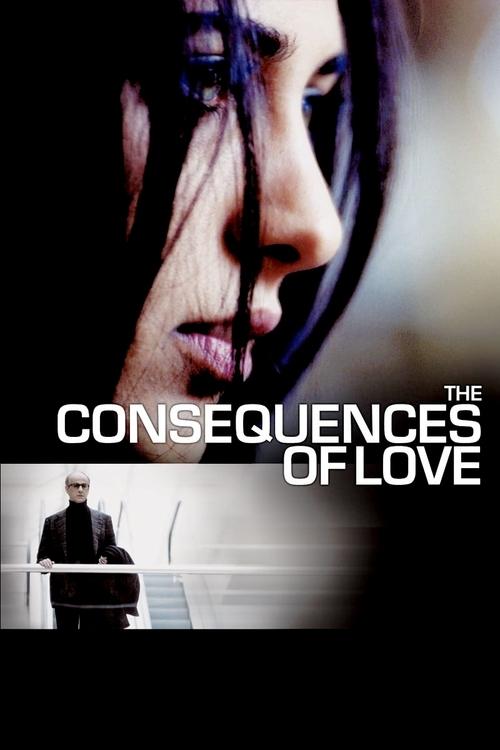
The man sitting in the corner of a sterile Swiss hotel lobby isn't a ghost, but he’s doing a damn good impression of one. He has lived there for ten years, a decade of identical breakfasts, calculated cigarette breaks, and a weekly ritual involving a suitcase full of cash and a high-security bank vault. His name is Titta Di Girolamo, and if you saw him on the street, you wouldn’t just ignore him—your brain would probably refuse to record his existence entirely.

I watched this in the middle of a brutal August heatwave with a desk fan blowing directly into my face, which made the cold, clinical Swiss hotel rooms on screen feel like a literal sanctuary. It’s a film that demands you turn the lights down and match its frequency. If you’re looking for a high-octane thriller where cars explode every twenty minutes, you’re in the wrong lobby. But if you want to see a man’s soul slowly defrost in a way that feels as dangerous as a shootout, this is your movie.
The Geometry of a Secret
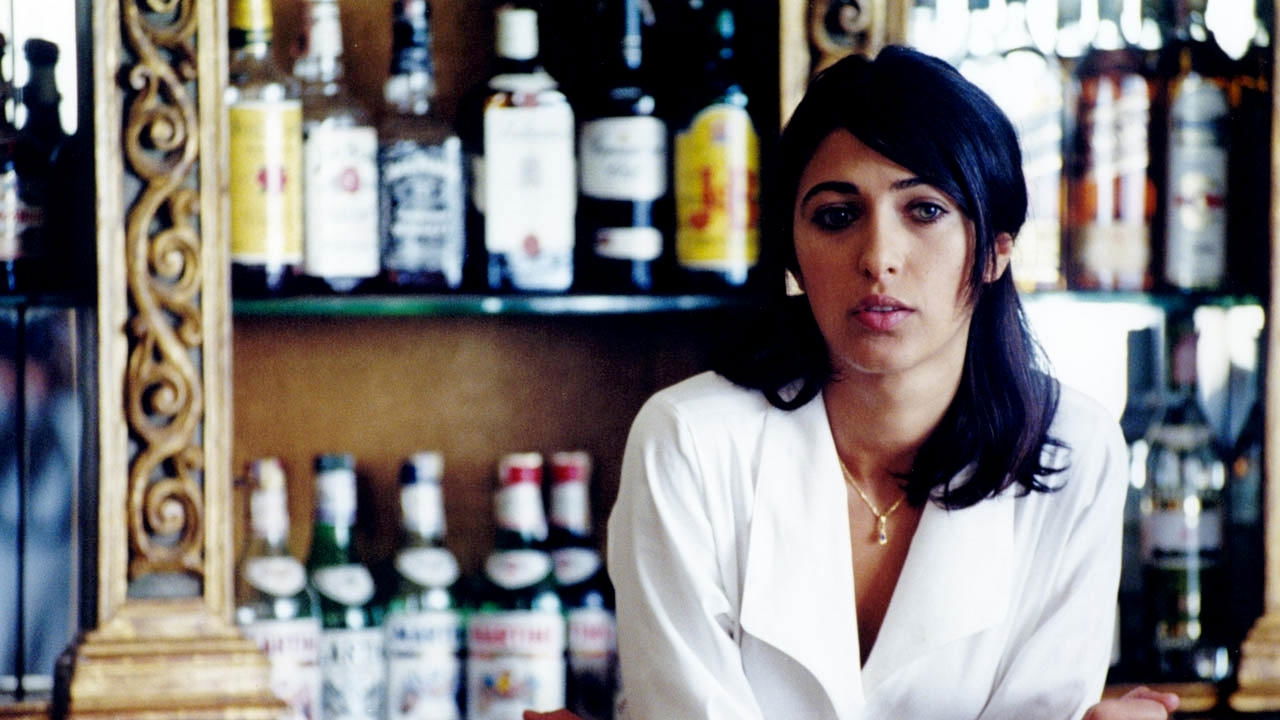
Toni Servillo is an actor who can do more with a slight adjustment of his glasses than most actors can do with a three-minute monologue. As Titta, he is a masterpiece of rigid posture and hidden depths. He’s a man who has turned his life into a mathematical equation to avoid the messy "consequences" mentioned in the title. For the first thirty minutes, we are just as much a prisoner of his routine as he is. We watch him play cards with a pair of elderly aristocrats who clearly despise him; we watch him ignore the beautiful barmaid, Sofia (Olivia Magnani), with a discipline that feels almost pathological.
This is where Paolo Sorrentino—years before he became the global face of Italian cinema with The Great Beauty—really shows his teeth. The 1990-2014 era of cinema was defined by a transition toward a hyper-stylized, almost music-video aesthetic, and Sorrentino was an early adopter. Working with cinematographer Luca Bigazzi, he treats the hotel like a labyrinth. The camera doesn't just move; it glides, zooms, and pirouettes around Titta’s stillness. Titta Di Girolamo is essentially what happens when you turn a high-functioning spreadsheet into a human being.
The Post-9/11 Noir
Released in 2004, The Consequences of Love fits neatly into that specific post-9/11 cultural anxiety regarding identity and the unseen systems that govern our lives. In an era where we were suddenly obsessed with who was living next door and what secrets they were harboring, Titta represents the ultimate "sleeper." He isn’t a terrorist, but he is a cog in a very dark machine.
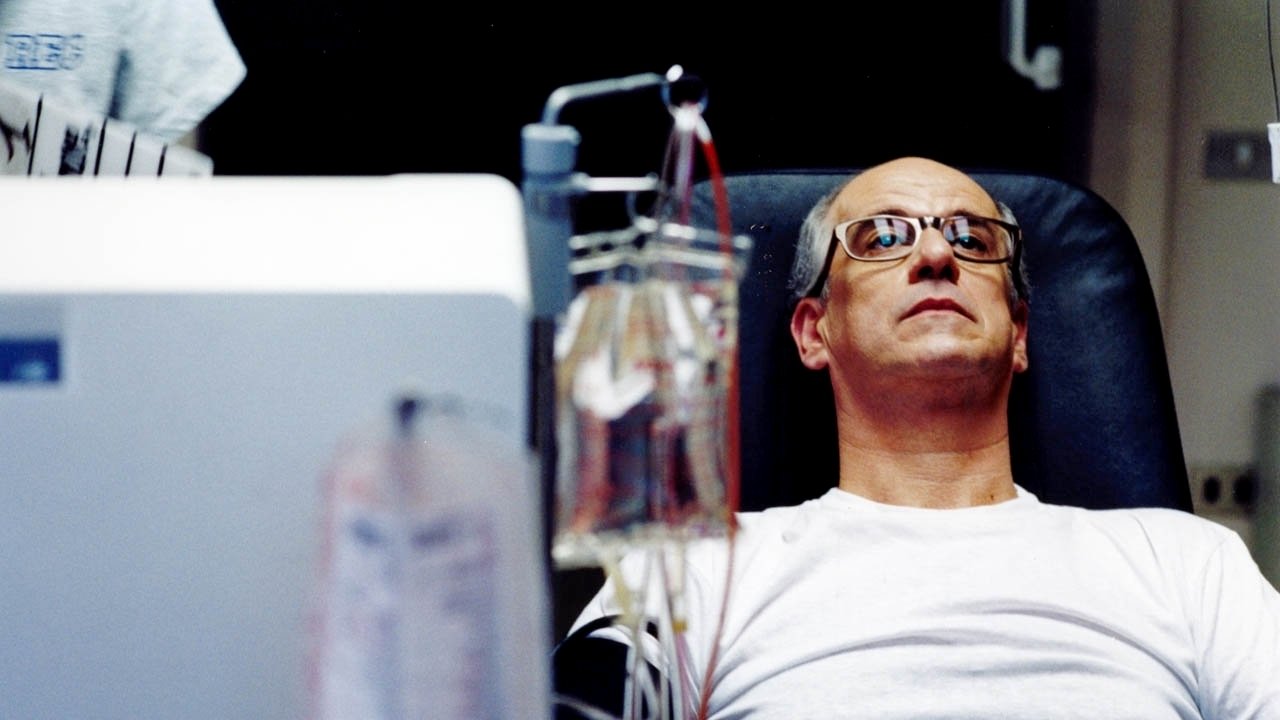
When the film finally peels back the curtain on why Titta is in that hotel—why he hasn't spoken to his family in years and why he has to inject himself with a mysterious substance every Wednesday—it shifts from a character study into a cold-blooded noir. The revelation of his connection to the Mafia is handled with a chilling lack of sentimentality. There are no "cool" gangsters here, just business-minded thugs and the crushing weight of a debt that can never be paid.
The DVD culture of the mid-2000s was how I, and many others, first stumbled upon this gem. It was the kind of movie that thrived on word-of-mouth among film nerds who were tired of the increasingly bloated Hollywood franchises. Finding a movie like this felt like discovering a secret code; it was sleek, European, and utterly unapologetic about its slow pace. Sorrentino's camera moves like it's been lubricated with the world's most expensive olive oil, making even the most mundane act of walking down a hallway look like a high-stakes heist.
Breaking the Routine
The "thriller" aspect of the movie kicks in when Titta decides, almost on a whim, to acknowledge Sofia. It’s a tiny crack in his armor, but in his world, a crack is a death sentence. The tension doesn't come from ticking bombs, but from the terrifying prospect of a man regaining his humanity.
One of the coolest behind-the-scenes details is how Toni Servillo prepared for the role. He stayed in character, maintaining a distant, sullen demeanor on set to keep the atmosphere as stiff as Titta’s collars. It paid off. When Titta finally smiles or shows a flicker of genuine emotion, it feels like an earthquake.
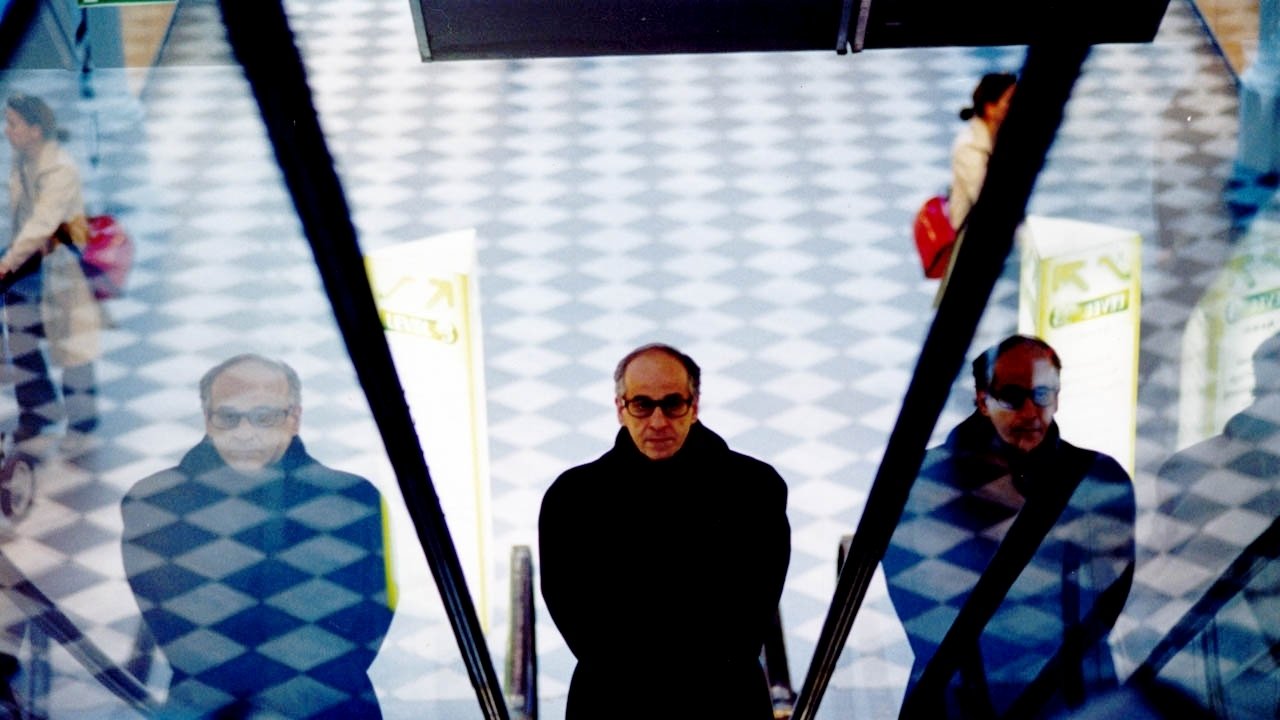
Interestingly, the film's score by Pasquale Catalano was a bit of a departure for Italian drama at the time. It’s heavy on electronic beats and moody synths, very much in line with the "cool" digital sound of the early 2000s. It shouldn't work with a story about a middle-aged man in a suit, but it creates this hypnotic, trancelike state that makes the final act’s descent into violence feel inevitable and dreamlike. The movie suggests that the only thing more dangerous than the Mafia is a man who has perfected the art of being bored.
The Consequences of Love is a reminder of a time when "stylized" didn't mean "shallow." It’s a film that rewards patience with a finale that is both visually stunning and emotionally devastating. It manages to take the tropes of the mob thriller and the lonely-man drama and fuse them into something that feels entirely unique, even twenty years later. If you’ve ever felt like your life was becoming a little too much like a ritual, Titta’s story might be the cold shower you need.
Just don't expect a happy ending; in Titta's world, everything has a price, and the bill always comes due. It’s a haunting, beautiful piece of work that deserves to be pulled out of the "forgotten" bin and put back on the pedestal where it belongs. It’s a movie that lingers in your mind like the smell of expensive tobacco and the cold silence of a Swiss morning.
Keep Exploring...
-
Il Divo
2008
-
The Great Beauty
2013
-
I'm Not Scared
2003
-
This Must Be the Place
2011
-
Arlington Road
1999
-
The Insider
1999
-
The Experiment
2001
-

The Last Castle
2001
-
Infernal Affairs
2002
-
The Count of Monte Cristo
2002
-
Matchstick Men
2003
-
The Phantom of the Opera
2004
-
Caché
2005
-

Lady Vengeance
2005
-
The Protector
2005
-

Black Book
2006
-

Inland Empire
2006
-
Tell No One
2006
-
Undisputed II: Last Man Standing
2006
-
United 93
2006