The Day After Tomorrow
"Nature has no mercy."
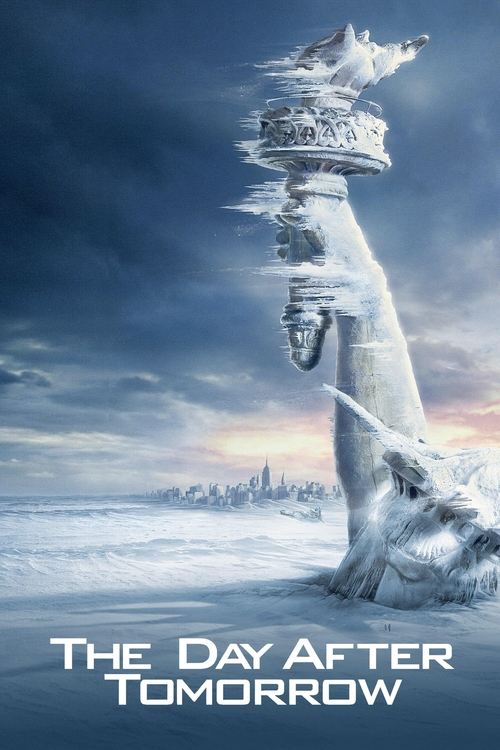
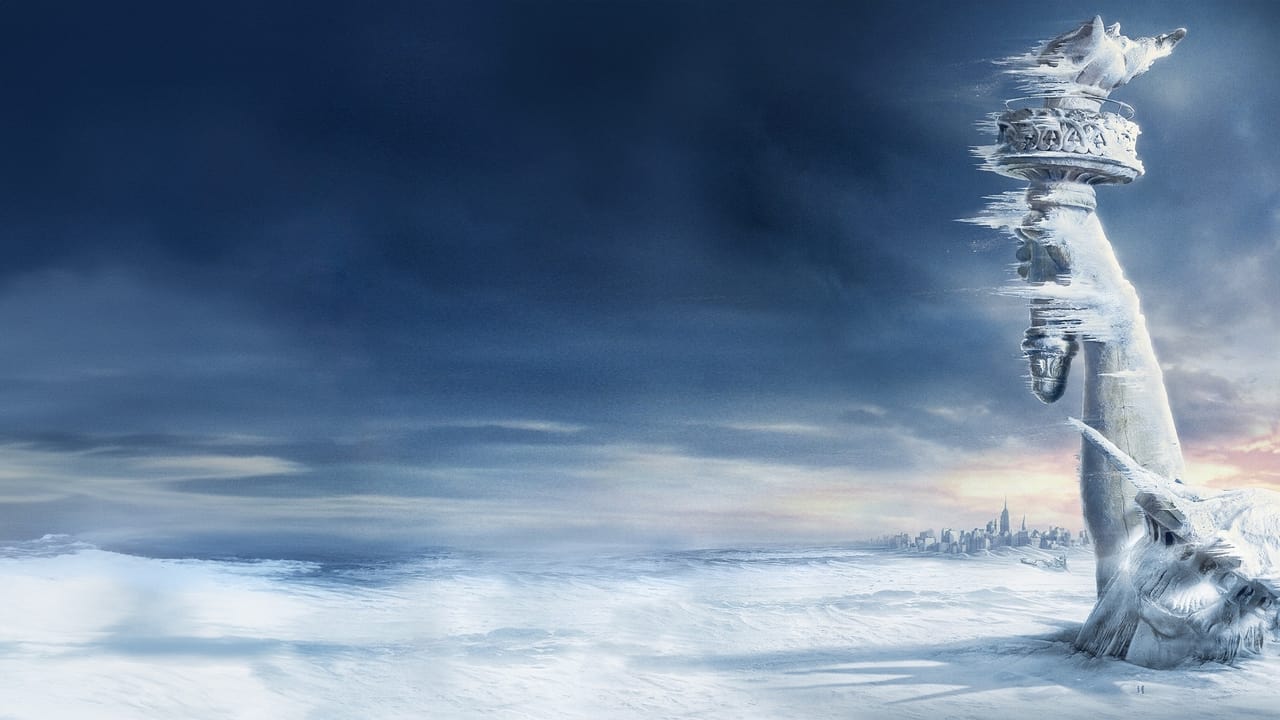
In the early 2000s, Roland Emmerich was the undisputed king of the "everything must go" clearance sale of human civilization. After blowing up the White House in Independence Day (1996) and letting a giant lizard stomp through Manhattan in Godzilla (1998), he decided to turn the thermostat down to a lethal sub-zero. The Day After Tomorrow arrived in 2004 as a massive, blue-tinted spectacle that attempted to turn the relatively slow-burning anxiety of climate change into a sprint for survival. It’s a film that perfectly captures that mid-aughts transition where CGI was finally becoming capable of rendering massive environmental destruction, yet the writing was still firmly rooted in the "disaster movie" tropes of the 1970s.
Science Fiction or Science Friction?
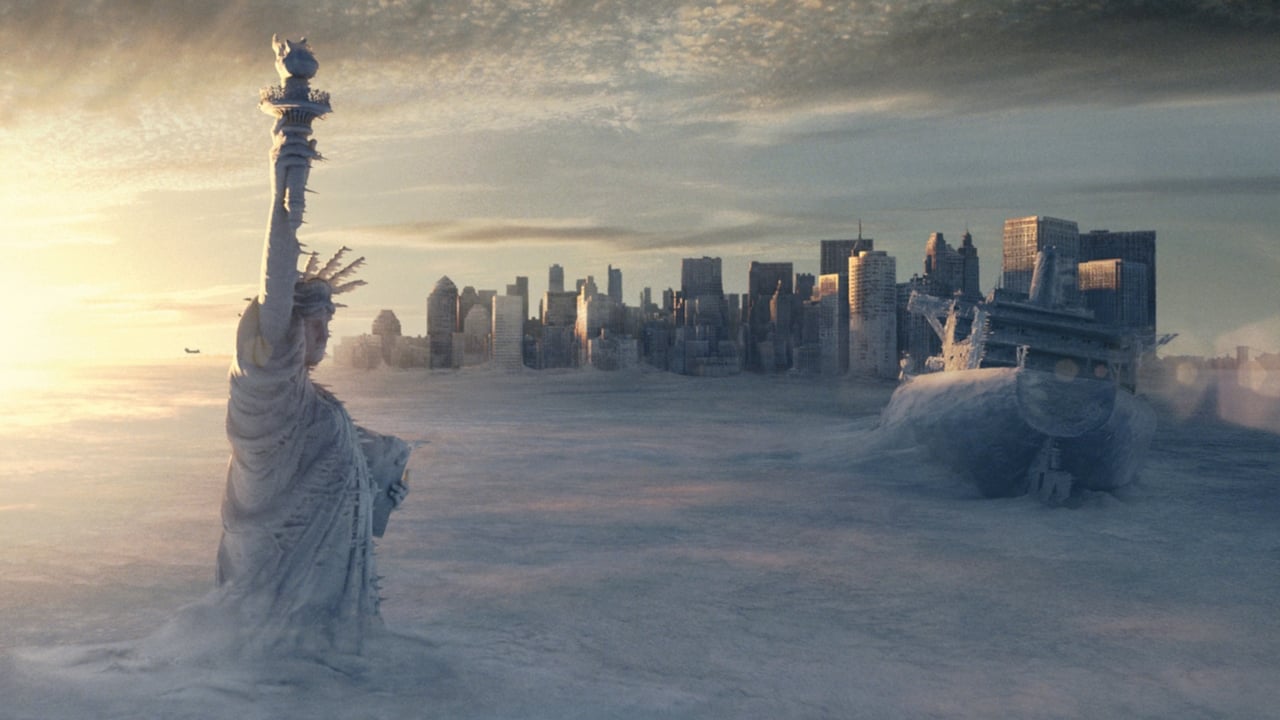
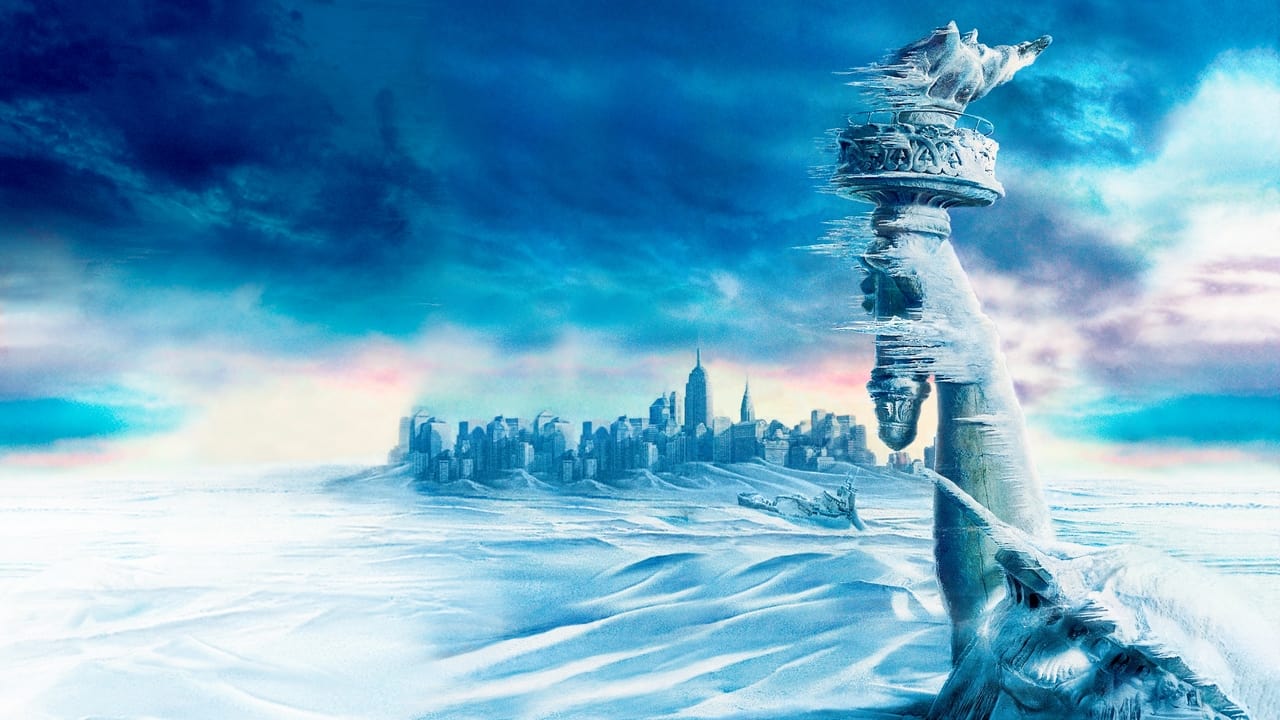
The plot follows paleoclimatologist Jack Hall (Dennis Quaid), a man who spends his life looking at ice cores and warning politicians about the end of the world. Jack predicts a new Ice Age is coming, but he thinks it’s decades away. Instead, thanks to some "disrupted North Atlantic currents" that the movie explains with a few frantic diagrams, the weather decides to move at the speed of a Ferrari. We get hailstones the size of grapefruit in Tokyo, multiple tornadoes shredding Los Angeles, and eventually, a massive storm surge that turns New York City into a giant bathtub.
I watched this recently while sitting in a room where the air conditioner was rattling so loudly it sounded like a small aircraft was landing in my hallway, and honestly, the mechanical roar added a level of 4D immersion that Roland Emmerich would have envied. Looking back, the film’s science is—to put it gently—complete and utter nonsense. It treats the laws of thermodynamics like mere suggestions. However, that’s almost beside the point. This isn't a documentary; it's a "what if" scenario dialed up to eleven. The film prioritizes the visual of a cargo ship floating down a flooded 5th Avenue over minor details like "how freezing air actually moves."
The Frozen Heart of the Blockbuster
While the world is ending, we focus on Jack’s son, Sam (Jake Gyllenhaal), who is trapped in the New York Public Library with his high school crush, Laura (Emmy Rossum). It’s here that the movie finds its weird, cozy rhythm. There is something undeniably charming about a group of kids burning tax law books to stay warm while surrounded by millions of dollars of literature. It’s the ultimate "day off school" fantasy, just with a much higher body count and the threat of instant frostbite.
Dennis Quaid delivers his lines with a permanent squint of paternal concern, while Jake Gyllenhaal—then just beginning his ascent to A-list stardom after Donnie Darko (2001)—manages to make a fairly thin character feel like a human being. The supporting cast, including Dash Mihok and Jay O. Sanders, provide the necessary "brave team members" vibes, though you can usually tell who isn't going to make it by how much they talk about their families in the first act. The real villains of the movie aren't the storms, but the CGI wolves that escaped from the zoo. Those wolves look like they were rendered on a Nintendo GameCube and provide a jarring break from the otherwise impressive environmental effects.
A Relic of Mid-Aughts Anxiety
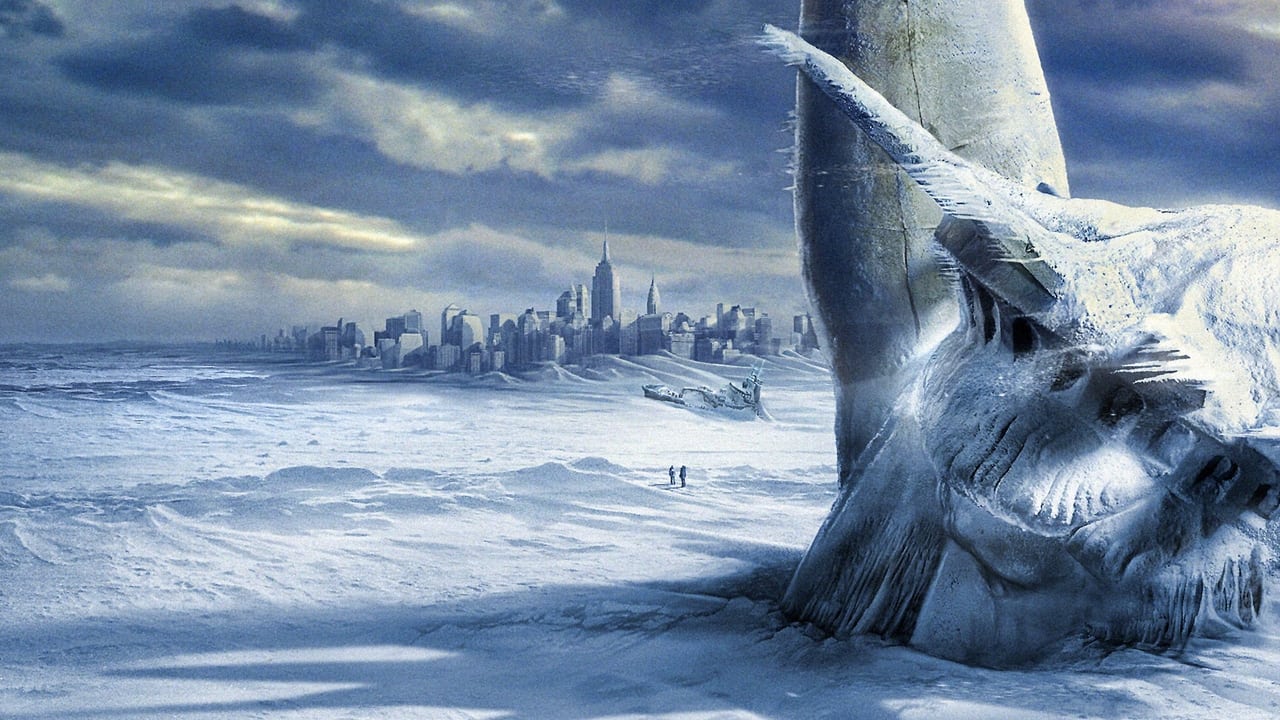
At the time, this was a massive financial gamble. With a budget of $125 million, it was one of the most expensive productions of its year. It paid off handsomely, raking in over $552 million worldwide. It was the sixth highest-grossing film of 2004, proving that audiences were hungry for a "safe" version of the apocalypse. This was the era where DVD culture was peaking; I remember the "Special Edition" cases filling the shelves of Blockbuster, often packaged with behind-the-scenes featurettes showing how they built a massive water tank in Montreal to simulate the flooding of Manhattan.
The film also serves as a fascinating snapshot of post-9/11 cinema. Seeing NYC destroyed again so soon after 2001 was a risky move, but Emmerich handles it with a strange sort of reverence, focusing on survival and collective effort rather than purely exploitative chaos. It reflects a specific brand of American anxiety from that time—the realization that despite our technological prowess, we are ultimately at the mercy of forces far beyond our control. It’s a loud, proud, and beautifully shot piece of popcorn cinema that treats the end of the world with the same gravity as a spilled milkshake, yet somehow still manages to be a lot of fun.
Ultimately, The Day After Tomorrow is a testament to the "Big Mac" style of filmmaking. It’s not particularly good for you, it’s assembled with corporate precision, but it hits the spot when you’re in the mood for it. The CGI for the water still looks surprisingly decent twenty years later, even if the "instant freeze" logic is pure fantasy. It’s a movie that asks very little of you, other than to sit back and watch the world turn into a giant popsicle. If you can ignore the wolves and the questionable physics, it’s a perfectly enjoyable way to spend two hours indoors.

Keep Exploring...
-
2012
2009
-
Stargate
1994
-
Independence Day
1996
-
Godzilla
1998
-
Universal Soldier
1992
-

Jurassic Park III
2001
-
Planet of the Apes
2001
-

The Matrix Reloaded
2003
-

War of the Worlds
2005
-
Armageddon
1998
-

The Hunger Games
2012
-

The Hunger Games: Mockingjay - Part 1
2014
-
Star Trek: Generations
1994
-
Final Fantasy: The Spirits Within
2001
-

Star Trek: Nemesis
2002
-

Paycheck
2003
-
The Matrix Revolutions
2003
-
Sky Captain and the World of Tomorrow
2004
-
The Island
2005
-

X-Men: The Last Stand
2006