The Grudge
"The house remembers everything."
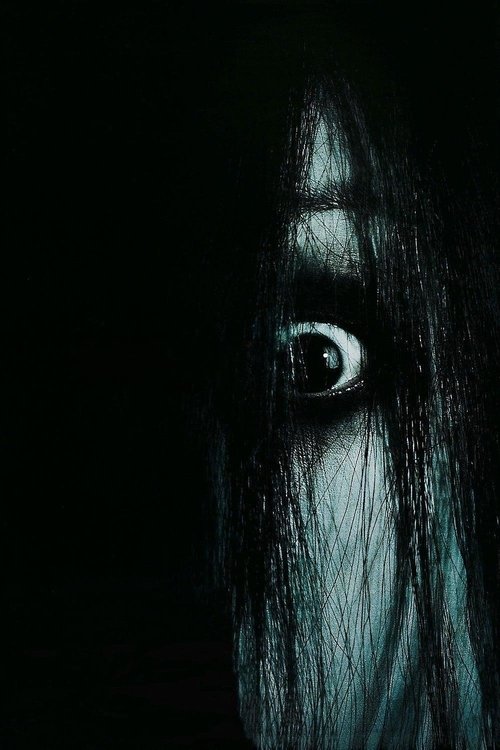
That rhythmic, guttural clicking sound—the "death rattle"—is the auditory equivalent of a cold finger tracing your spine. In 2004, you couldn’t escape it. It was in ringtones, playground parodies, and the nightmares of anyone who dared to wash their hair with their eyes closed. While Gore Verbinski’s The Ring (2002) proved that Americans were hungry for the damp, existential dread of Japanese ghost stories, Takashi Shimizu’s The Grudge was the film that truly turned J-Horror into a full-blown Hollywood fever dream.
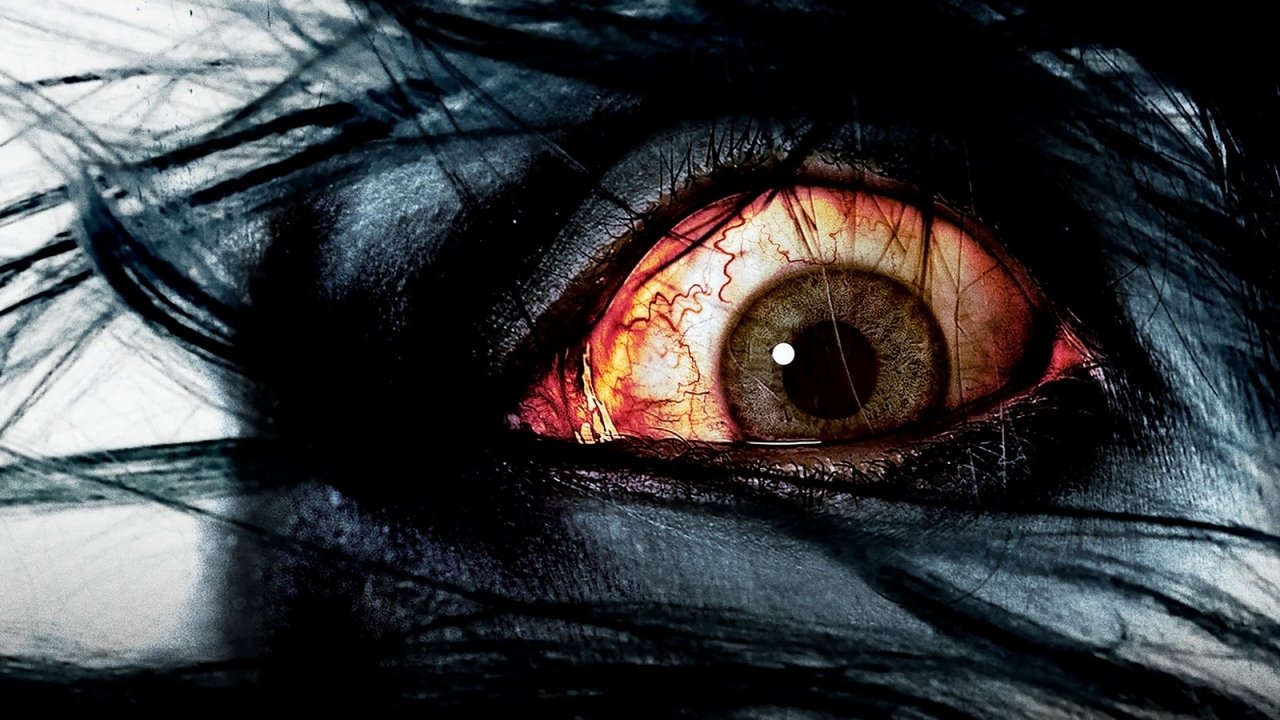
I recently rewatched this while sitting in a chair that squeaks in the exact same frequency as the ghost boy’s meow, and I can confirm that my floorboards have never felt more treacherous. It’s a film that thrives on the specific anxiety of being a stranger in a strange land, then doubles down by making that land occupied by vengeful, blue-tinted spirits who don't care about your visa status.
A Masterclass in Creeping Dread
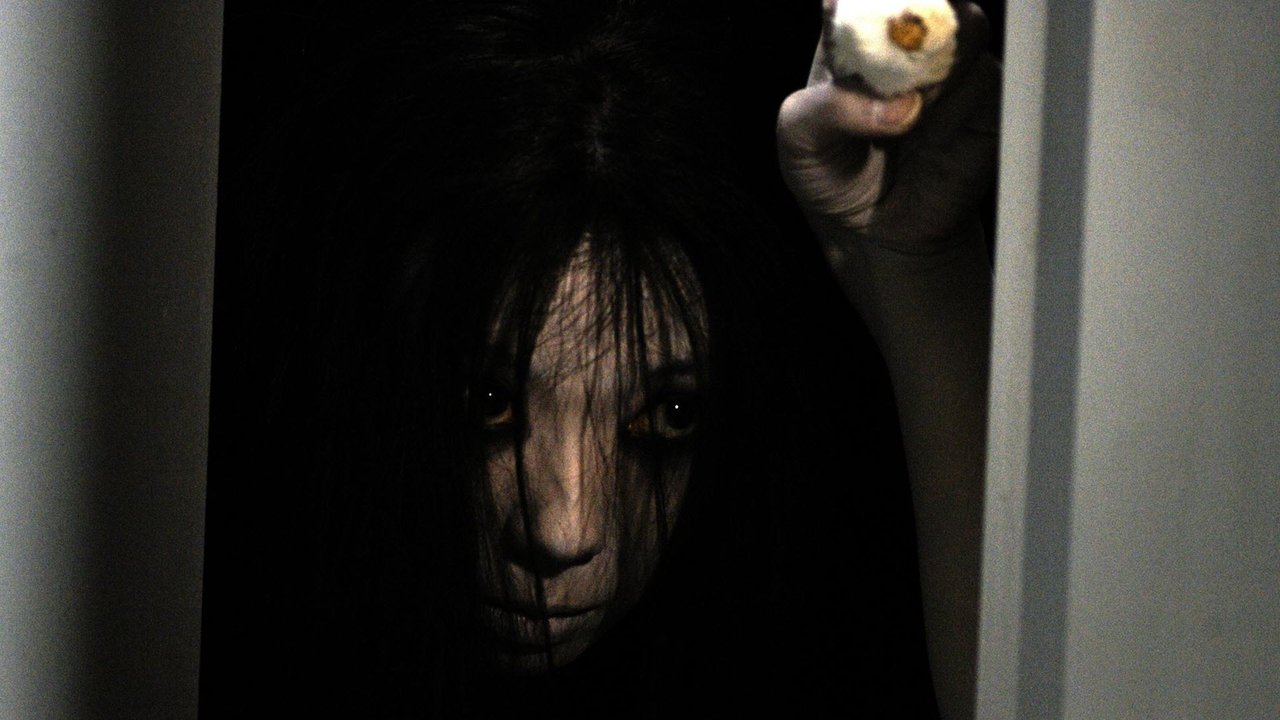
Unlike the slashers of the late 90s that relied on witty meta-commentary and high body counts, The Grudge is an exercise in atmospheric suffocation. Takashi Shimizu, who also directed the original Japanese Ju-On films, brought an authentic, unsettling eye to this remake. He understands that a ghost is much scarier when it’s just there—standing in the corner of a frame, out of focus, rather than jumping out with a loud orchestral stinger.
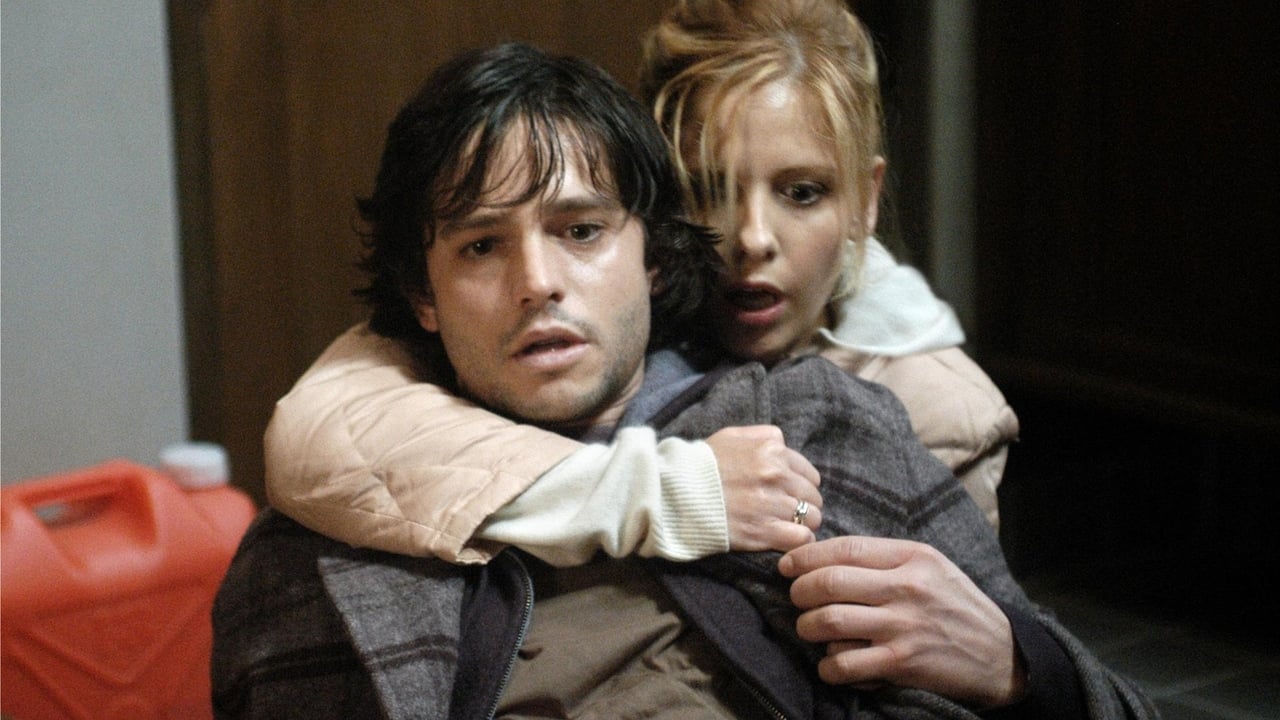
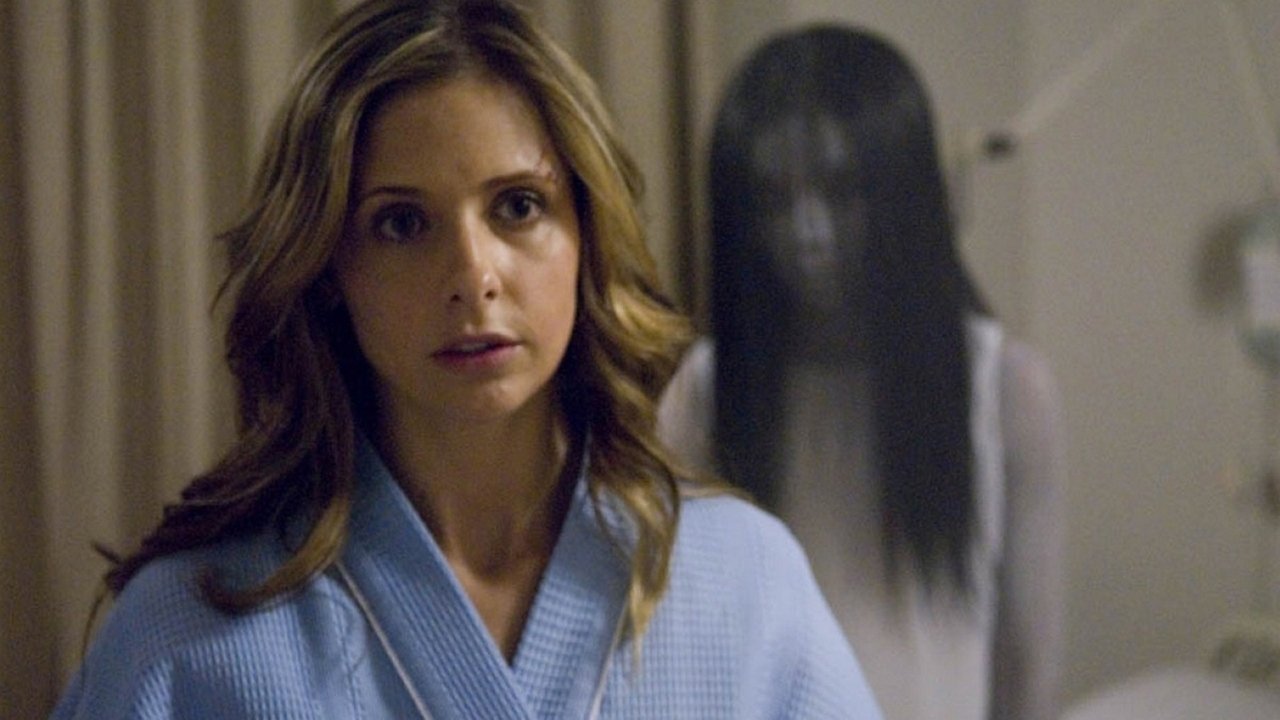
The non-linear structure was somewhat polarizing at the time, but looking back, it’s what gives the film its dreamlike (or nightmare-like) quality. We follow Sarah Michelle Gellar as Karen, an American social worker in Tokyo who stumbles into a house cursed by a "ju-on"—a curse born from a person dying in a grip of powerful rage. Gellar was at the height of her Buffy fame here, and while she doesn’t get to roundhouse kick any vampires, she provides a grounded, vulnerable center to a story that is essentially a series of vignettes about people being deleted by a house. The non-linear plot is essentially just a fancy way of hiding that the characters have the survival instincts of a suicidal lemming, but in the context of a supernatural curse, their doom feels inevitable rather than just stupid.
The Face of the Curse
What really holds up in this era of early-2000s horror is the reliance on practical performance over CGI. Takako Fuji, reprising her role as Kayako from the Japanese originals, is nothing short of iconic. Her jerky, disjointed movements weren't the result of digital manipulation; they were the result of Fuji's background in Butoh dance. There’s a scene where she crawls down the stairs that still feels more disturbing than any $200 million Marvel villain. It’s human, yet fundamentally wrong.
The cinematography by Hideo Yamamoto captures Tokyo in a way that feels both claustrophobic and alien. Even the daytime scenes have a sickly, desaturated quality, as if the curse is draining the color out of the world. It’s a stark contrast to the glossy, high-contrast look of modern digital horror. This was the era of the DVD boom, and I recall the special features on the disc revealing how they built the house on a soundstage to allow for those impossible camera angles—like the terrifying shot looking down through the attic insulation.
A Box Office Juggernaut
From a production standpoint, The Grudge was a massive win for Sam Raimi’s Ghost House Pictures. Produced for a lean $10 million, it went on to rake in over $183 million worldwide. It wasn't just a movie; it was a cultural event that signaled a shift in how studios approached horror. Suddenly, every J-Horror property was being scouted for a Western facelift.
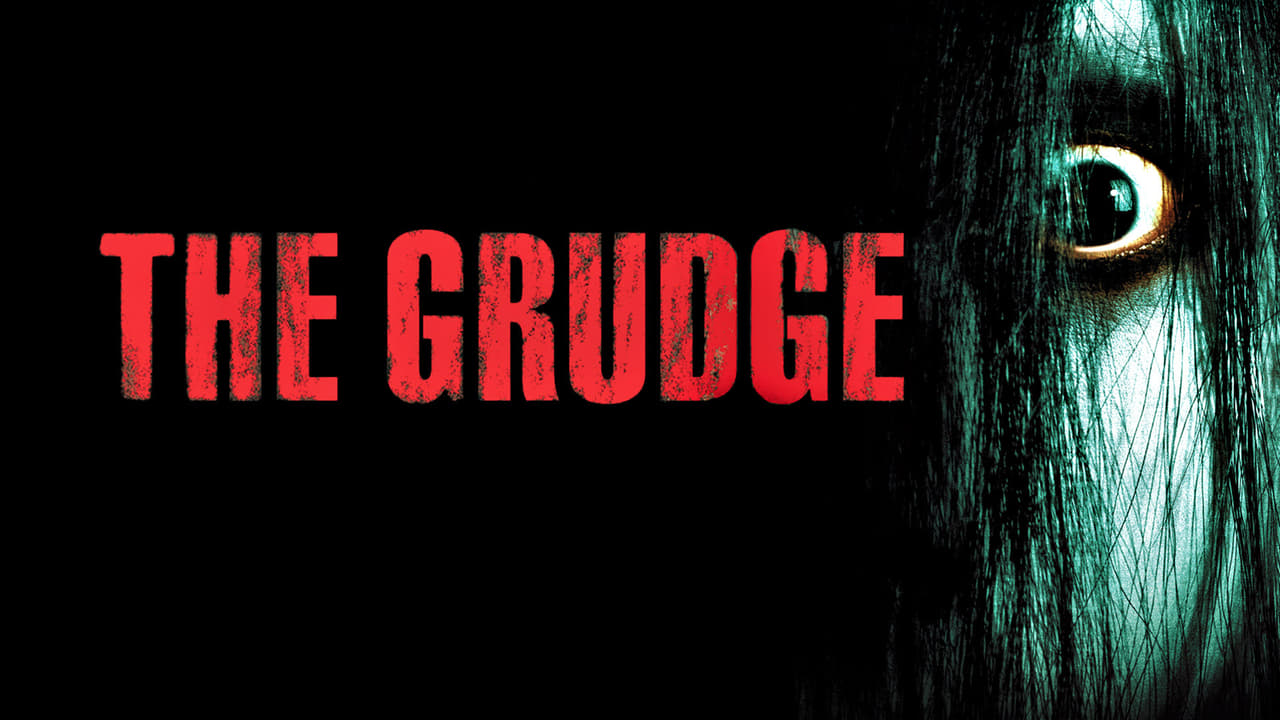
The film's success was also a testament to its marketing. That original tagline—"It never forgives. It never forgets"—hit the zeitgeist perfectly. We were in a post-9/11 world where the "slasher in the woods" felt a bit quaint; we were more interested in invisible, inescapable threats that could follow you home. The trivia surrounding the production is equally fascinating. For instance, the signature "croak" sound was actually performed by Takashi Shimizu himself into a microphone, proving that sometimes the best way to scare an audience is with a director making weird noises in a dark room.
The cast is a "who’s who" of 2000s character actors. You’ve got Jason Behr from Roswell, Clea DuVall looking perpetually concerned, and William Mapother (Bill Mapother is basically the human equivalent of a 'Check Engine' light in horror movies). They all play their parts well, serving as the necessary fuel for the supernatural engine.
While it may not have the narrative depth of The Ring, The Grudge remains a visceral, sensory experience that understands the mechanics of a scare better than almost any of its contemporaries. It’s a relic of a time when Hollywood was genuinely experimental with international talent, allowing a Japanese director to bring his specific vision to a massive American audience. It’s a film that makes you look twice at your closet door and think twice about taking a shower when you’re home alone. It might not be "prestige horror" by today’s A24 standards, but it’s a damn effective ghost story that still knows how to make your skin crawl.
Keep Exploring...
-
The Grudge 2
2006
-
Gothika
2003
-

The Omen
2006
-
I Know What You Did Last Summer
1997
-

Ju-on: The Grudge
2002
-

Stir of Echoes
1999
-
The Ninth Gate
1999
-

The Gift
2000
-
From Hell
2001
-
House of Wax
2005
-
The Skeleton Key
2005
-
Untraceable
2008
-
Pandorum
2009
-
The Others
2001
-
What Lies Beneath
2000
-
Ghost Ship
2002
-

The Invasion
2007
-
After.Life
2009
-
Case 39
2009
-
Scream 3
2000