The Ladykillers
"Tom Hanks laughs, God listens, and the heist goes south."
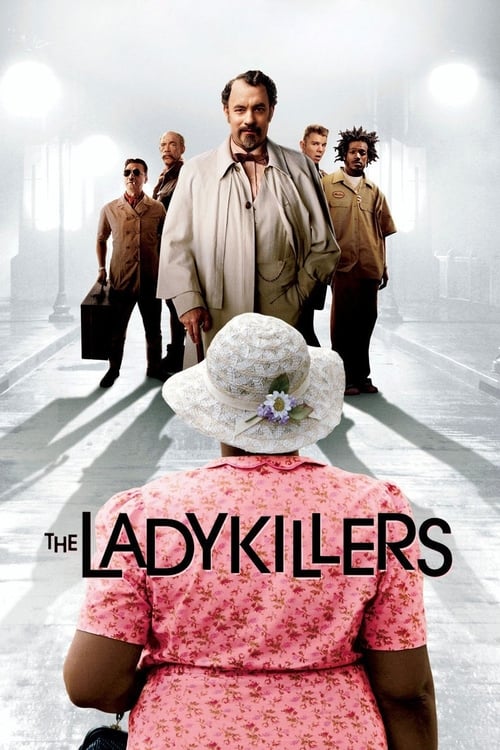
If you ask a group of film nerds to rank the Coen Brothers' filmography, there is a 95% chance that The Ladykillers is sitting right at the bottom, probably being kicked by Intolerable Cruelty. It is the black sheep of a family of masterpieces—the one that arrived with a thud in 2004 and has since drifted into a strange sort of cinematic purgatory. But looking back at it twenty years later, I’m convinced it’s not the disaster people remember; it’s just a very loud, very Southern, very weird cartoon that happens to star the most famous man in the world.
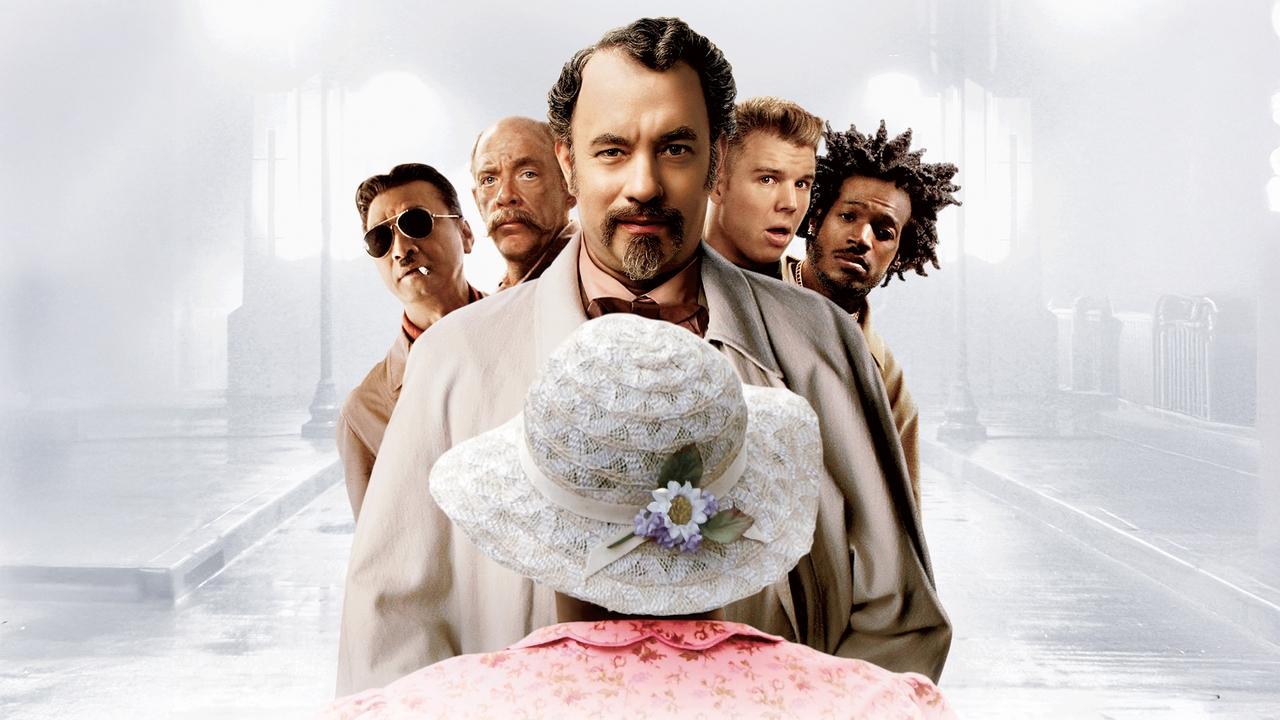
I rewatched this last week while trying to fold three loads of laundry, and I realized that my perspective on it has shifted. Back in the early 2000s, we expected Joel Coen and Ethan Coen to deliver either a profound existential crisis (The Man Who Wasn't There) or a genre-defining cult classic (The Big Lebowski). When they handed us a remake of an Ealing Comedy classic—swapping London for Mississippi and Alec Guinness for a guy with literal "denture-acting" skills—the collective response was a confused "Why?"
The Professor and the Pews
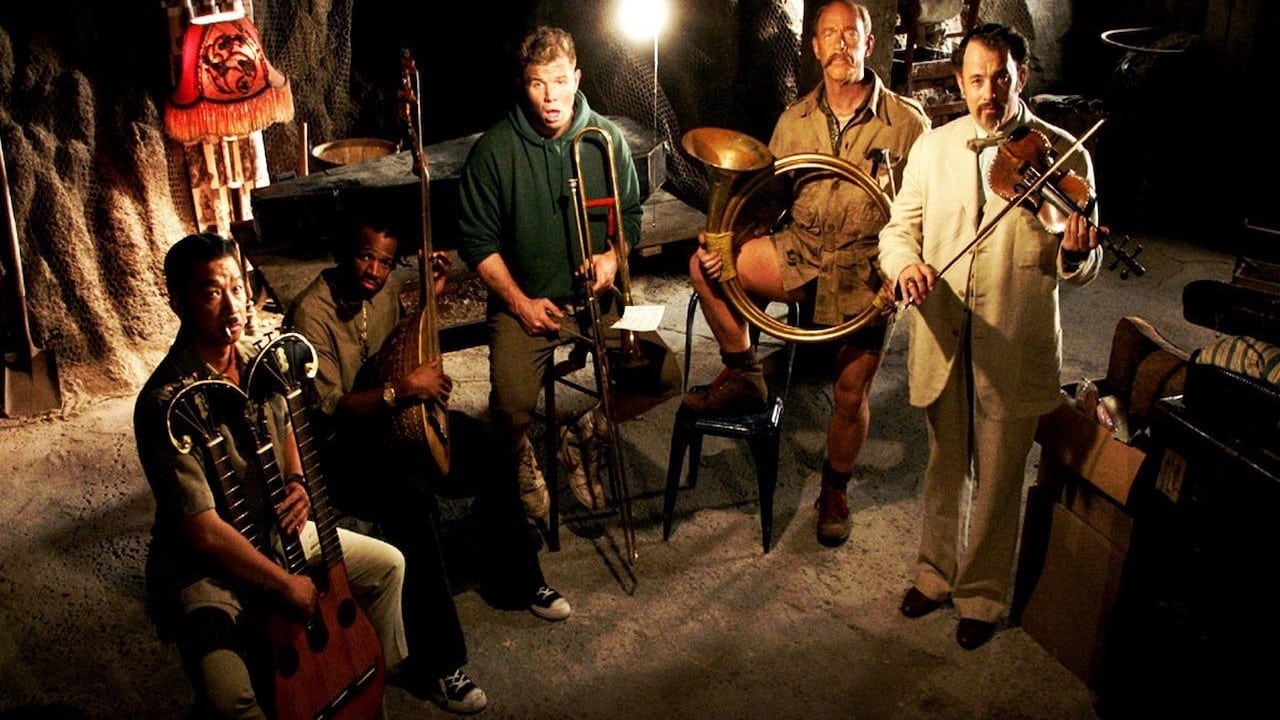
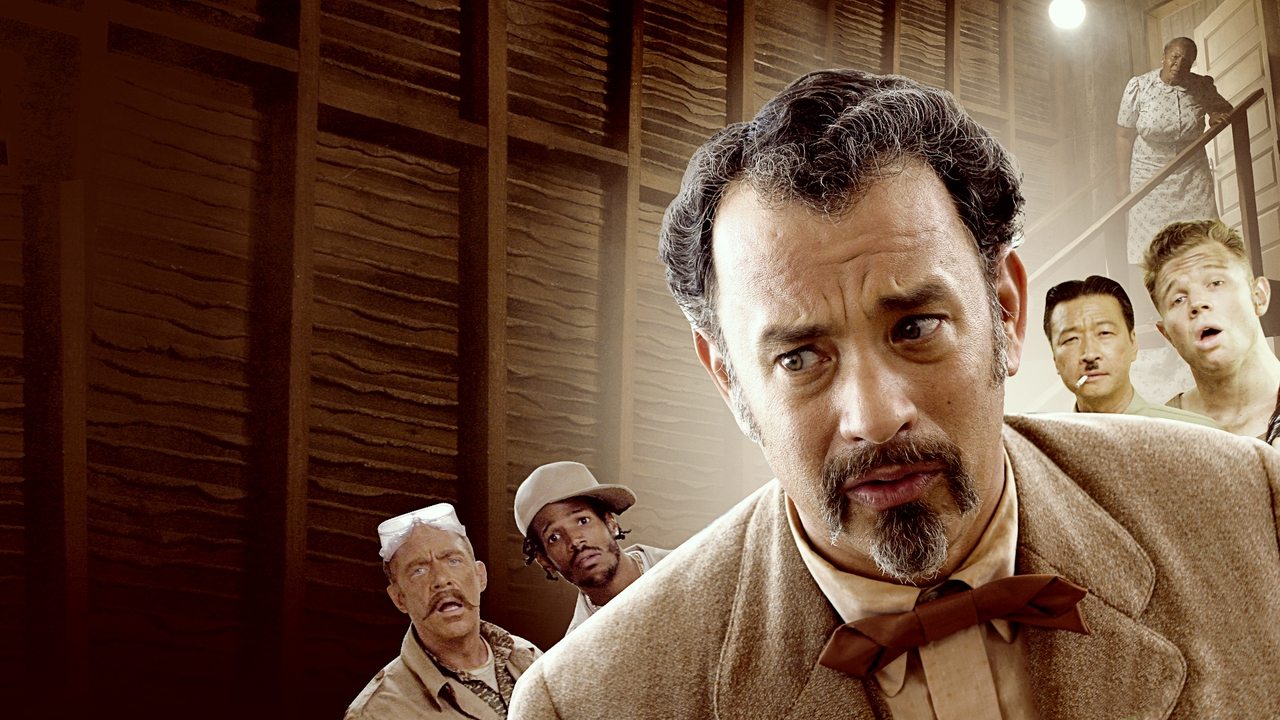
The movie centers on Professor G.H. Dorr, played by Tom Hanks with a performance so stylized it feels like he’s trying to chew the very air around him. He’s a silver-tongued charlatan who rents a room from Marva Munson (Irma P. Hall), a deeply religious widow who doesn't take kindly to "hippity-hop" music or swearing. Dorr’s plan is to use Marva’s root cellar to tunnel into a riverboat casino vault, posing as a Renaissance music ensemble to mask the noise.
This was a major moment in the "Modern Cinema" transition. By 2004, we were moving away from the gritty indie aesthetic of the 90s and into a period where auteurs were given massive budgets to play with high-concept studio films. Tom Hanks was at his peak "America's Dad" status, so watching him transform into a giggling, verbose, sinister dandy was a shock to the system. He uses a high-pitched, wheezy laugh that sounds like a tea kettle having a panic attack, and honestly, it’s one of the bravest things he’s ever done. Whether it’s good is up for debate, but it is certainly a choice.
A Masterclass in Chaotic Chemistry
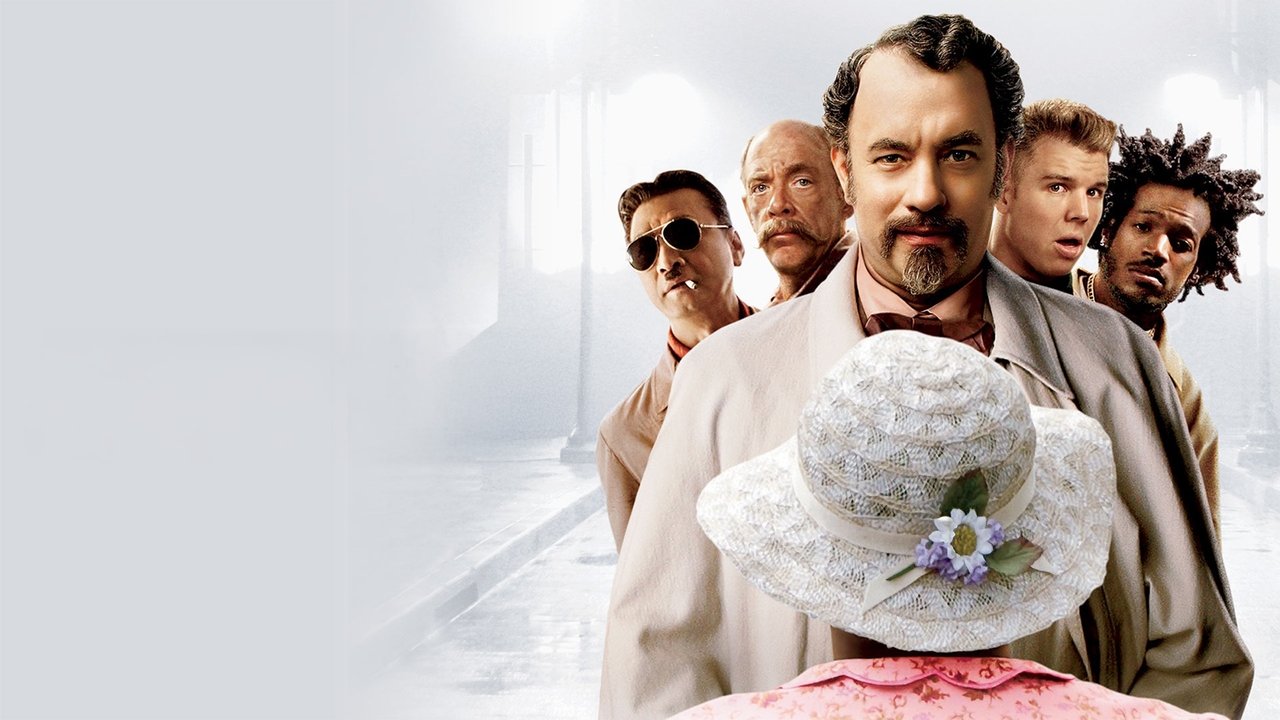
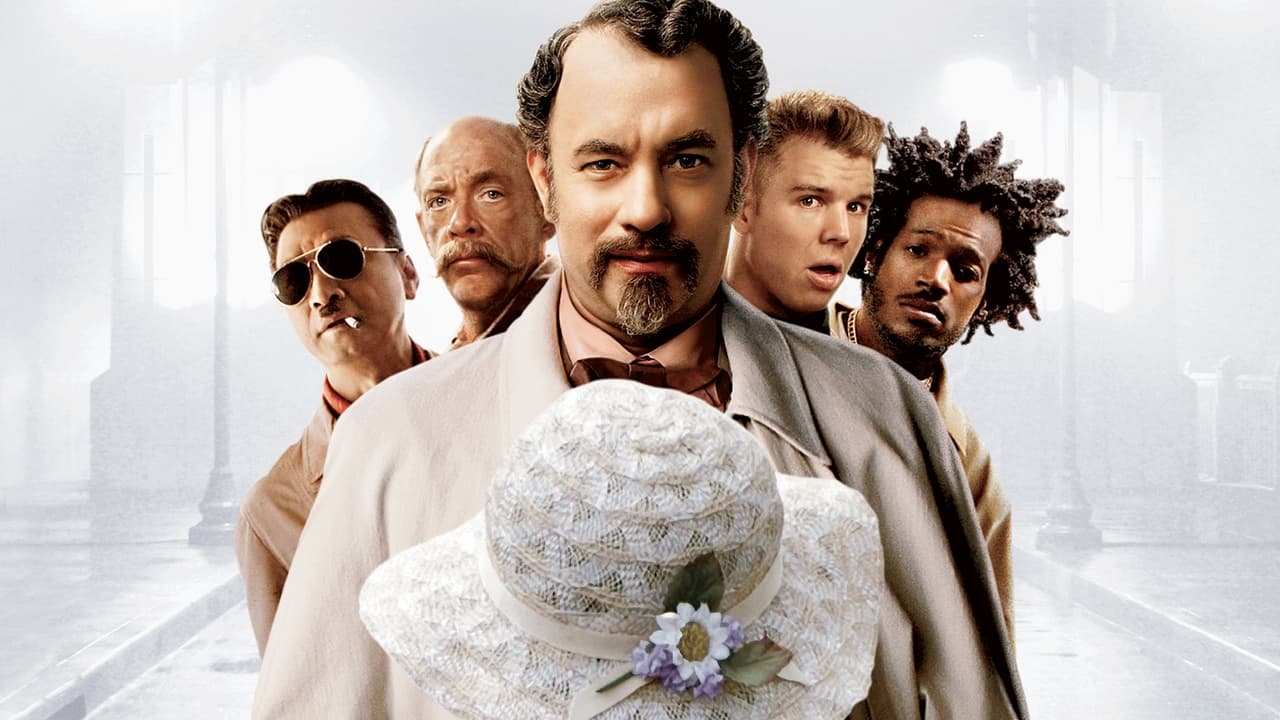
The heist crew is where the Coens really lean into their love for the grotesque and the absurd. You’ve got Marlon Wayans as Gawain, the "inside man" whose constant profanity is the perfect foil for Marva’s piety. Then there’s J.K. Simmons as Garth Pancake, an explosives expert with chronic IBS. Simmons is a Coen regular staple now, but here he’s playing a specific kind of 2000s-era caricature that feels like he stepped out of a comic strip.
Rounding out the group is Tzi Ma as The General, a silent and deadly tunnel expert who hides cigarettes in his mouth, and Ryan Hurst as Lump, a football player who is essentially a sentient brick. The way these men interact is pure slapstick. The Coens have always been masters of "the comedy of errors," but here they turn the dial to eleven. The timing of the physical gags—especially a recurring bit involving a bridge and a garbage barge—is mathematically precise.
What really anchors the film, though, is Irma P. Hall. She won a Special Jury Prize at Cannes for this role, and she earns it. She is the moral center of a movie that is otherwise spinning off its axis. Watching her smack Marlon Wayans across the head for his language is the kind of simple, character-driven comedy that actually holds up better than the elaborate heist plotting.
The Gospel and the Ghost of the Original
If there’s a reason this film vanished from the conversation, it’s likely because it was overshadowed by its own pedigree. Remaking a beloved 1955 classic is a dangerous game. The original Ladykillers was subtle, dry, and British. The 2004 version is sweaty, loud, and obsessed with digestive issues. It’s a classic case of a studio-backed remake trying to "Americanize" a property by adding more noise.
However, the soundtrack is a legitimate hidden gem. Produced by T Bone Burnett (who also did O Brother, Where Art Thou?), the gospel music is incredible. It provides a spiritual weight that the plot lacks. I found myself humming the choir arrangements long after the credits rolled. In the DVD era, this was the kind of movie you’d buy because the "Behind the Scenes" featurette on the music was actually more compelling than the film itself.
Looking back, The Ladykillers captures that weird mid-2000s anxiety where directors were trying to figure out how to be "prestige" and "commercial" at the same time. It doesn't always work. The CGI used for a recurring gag involving a cat is shockingly bad even by 2004 standards, looking more like a taxidermy project gone wrong than a living animal. But there’s a charm to its messiness.
At the end of the day, a "bad" Coen Brothers movie is still more interesting than 90% of the comedies coming out of Hollywood today. It’s an eccentric, colorful, and occasionally mean-spirited little fable that deserves a second look, if only to see Tom Hanks completely lose his mind in a basement. It’s not a masterpiece, but it’s a fascinating footnote in the careers of the best directing duo in the business. Just don't expect it to make much sense.
Keep Exploring...
-
Intolerable Cruelty
2003
-
11:14
2003
-
Taxi
2004
-

The Whole Ten Yards
2004
-
Shoot 'Em Up
2007
-
Smokin' Aces
2006
-

Stand Up Guys
2012
-

Miller's Crossing
1990
-
Barton Fink
1991
-
Rumble in the Bronx
1995
-
Confessions of a Dangerous Mind
2002
-
Burn After Reading
2008
-
The Hudsucker Proxy
1994
-
Turner & Hooch
1989
-
O Brother, Where Art Thou?
2000
-
No Country for Old Men
2007
-
The Mexican
2001
-
Matchstick Men
2003
-
Lake Placid
1999
-

Romeo Must Die
2000