The Machinist
"Guilt is a weight that never stops dropping."
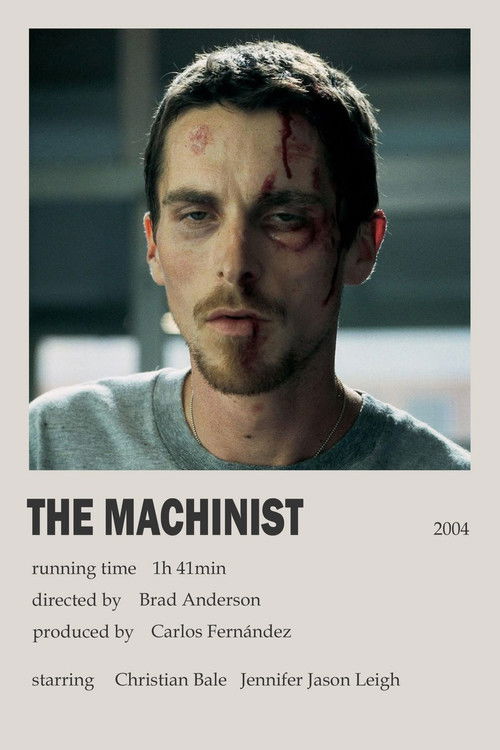
I remember finding the DVD for The Machinist in a dusty “3 for $15” bin at a Blockbuster that was clearly on its last legs. I watched it late that night, fueled by a cup of lukewarm gas-station coffee that gave me the kind of mild heart palpitations that actually made the movie feel more immersive. It’s that kind of film—a grimy, industrial nightmare that makes you want to scrub your skin with steel wool and check your own reflection to make sure you’re still entirely there.
Looking back from 2024, it’s easy to categorize this movie as "The One Where Christian Bale Lost All the Weight," but that’s doing a massive disservice to what Brad Anderson actually achieved. This isn't just a physical stunt; it’s a masterclass in atmospheric dread that captured a very specific mid-2000s anxiety. It’s a relic of an era when indie cinema was shifting from the talkative cool of the 90s into something much darker, more psychological, and deeply obsessed with the crumbling of the male psyche.
The Skeleton in the Room
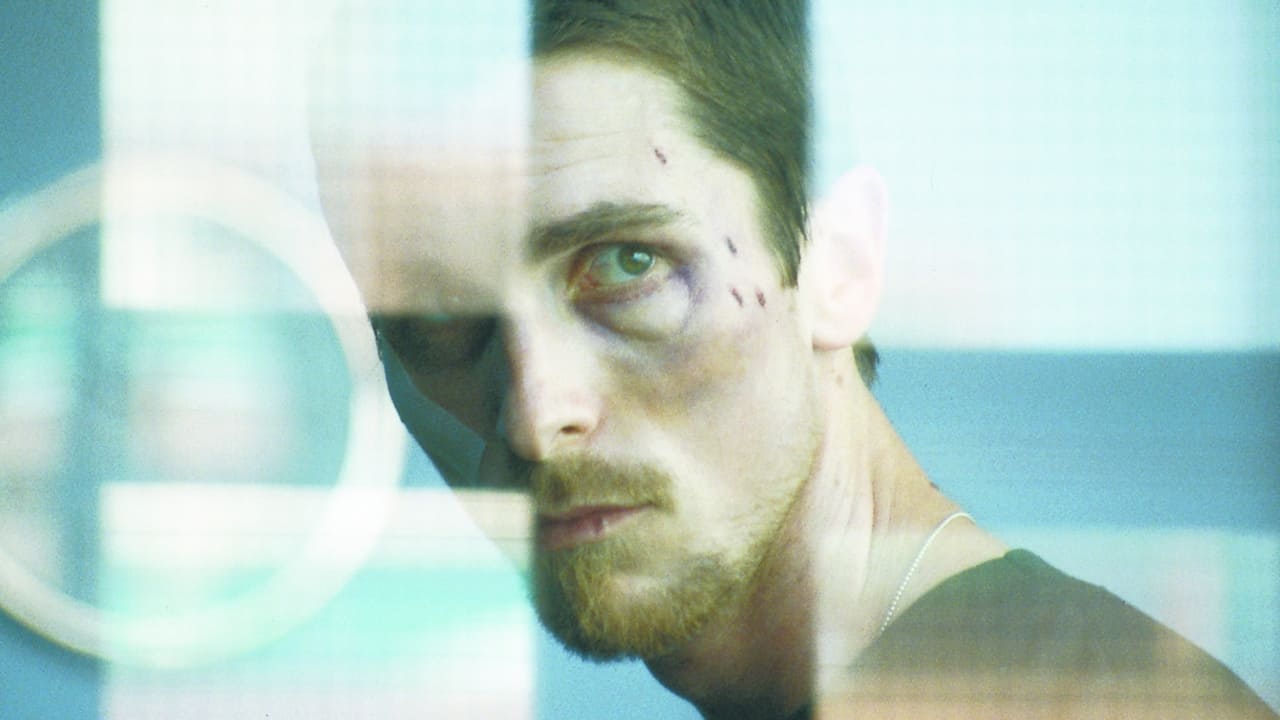
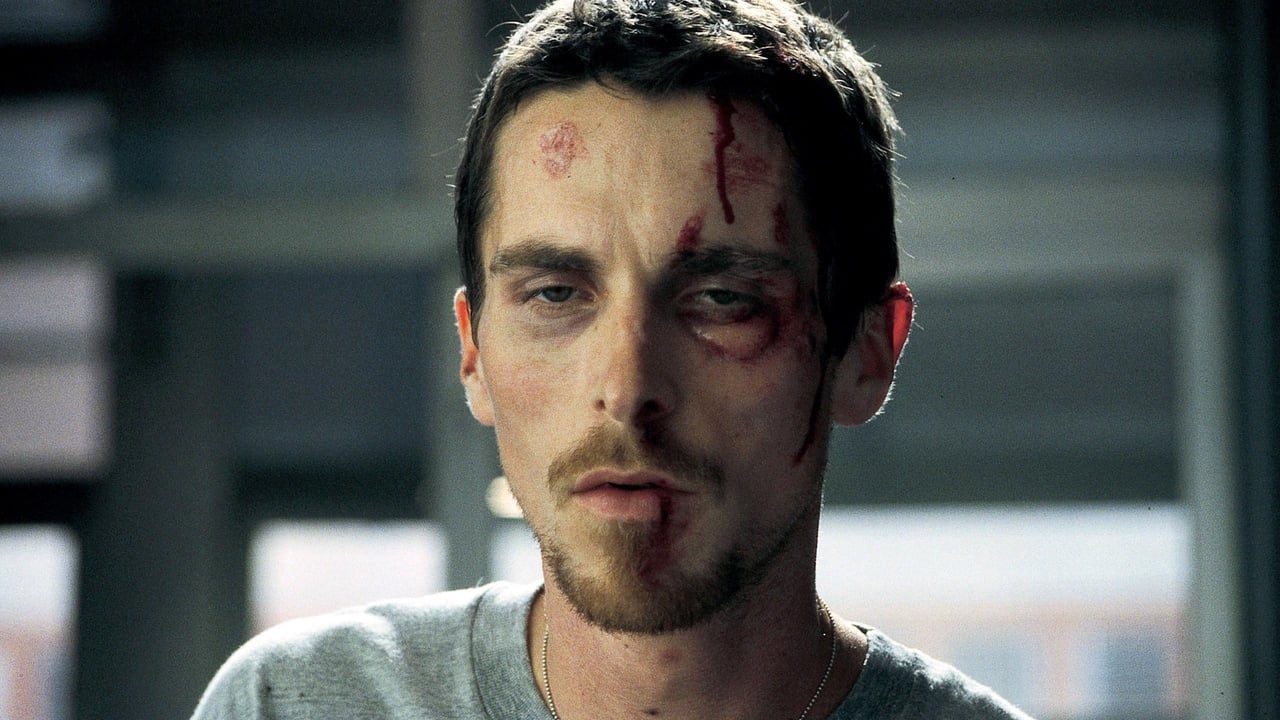
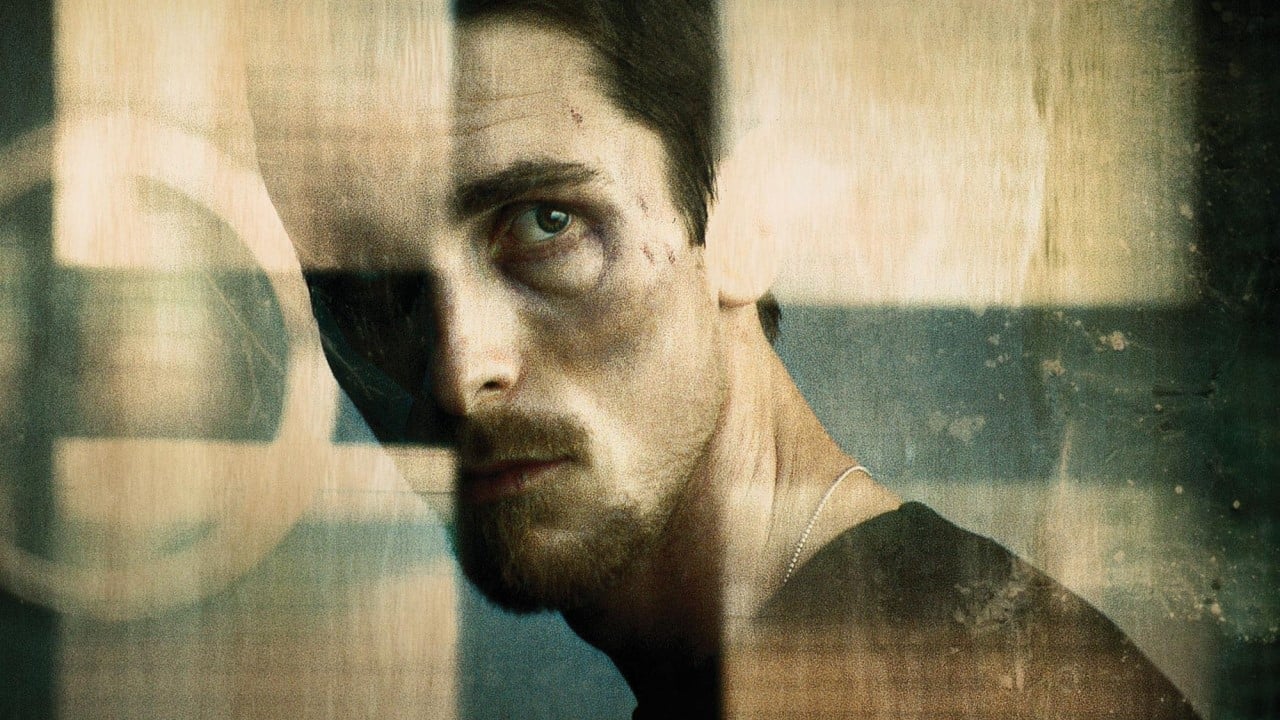
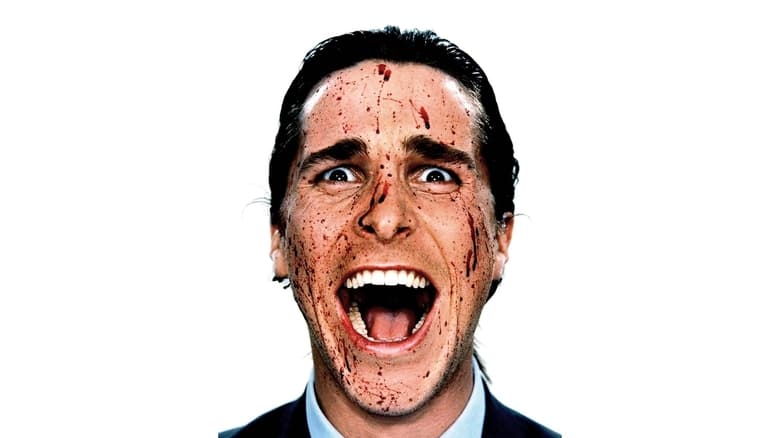
We have to talk about the ribs. Christian Bale’s transformation into Trevor Reznik remains one of the most jarring things I’ve ever seen on a screen. Coming off the back of the polished, muscular vanity of American Psycho, seeing him here—literally a walking anatomy chart—is sickening. There’s a scene where he’s hunched over a sink, and his shoulder blades look like they’re trying to escape his skin.
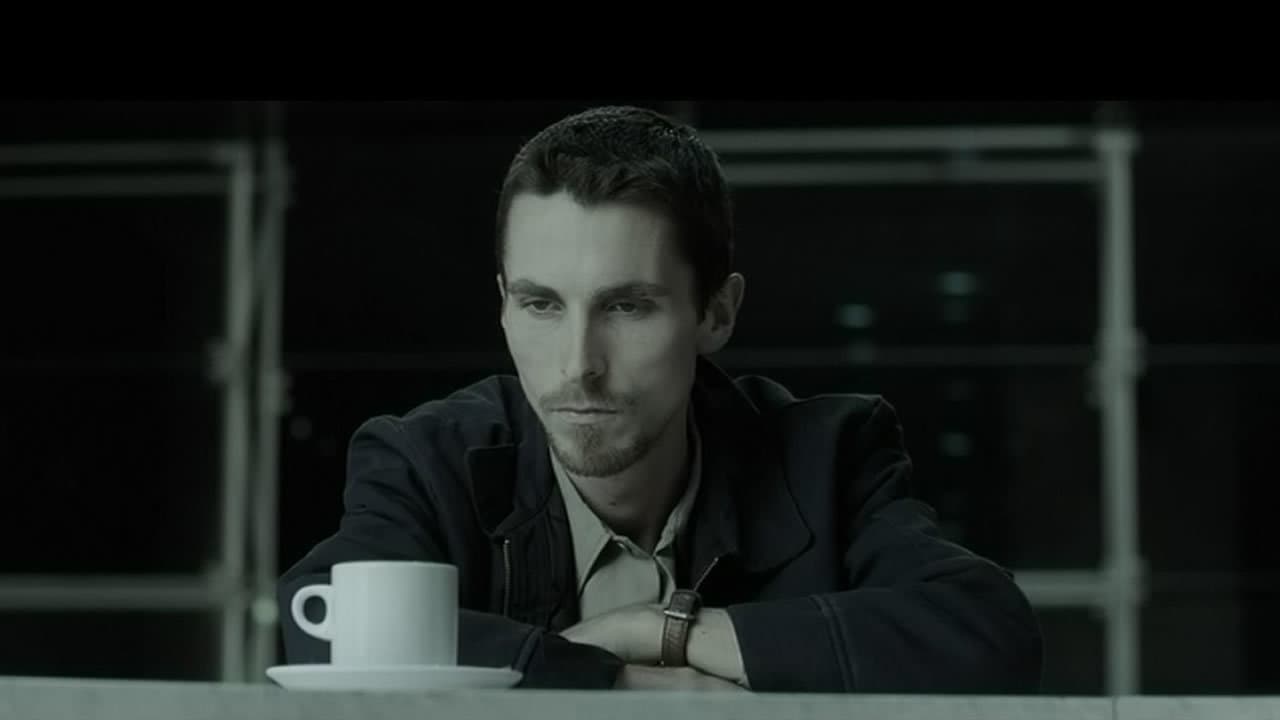
But the real magic is in the eyes. Bale plays Reznik with a frantic, wide-eyed exhaustion that feels dangerously real. He hasn't slept in a year, and the film does a brilliant job of making you feel that fatigue. The color palette, courtesy of cinematographer Xavi Giménez, is a sickly wash of cigarette-ash greys and bruised greens. It looks like the inside of an old refrigerator that’s been unplugged for a week.
As Trevor moves through his repetitive life—working the lathe, visiting a kind prostitute named Stevie (Jennifer Jason Leigh), and drinking coffee at an airport diner served by Marie (Aitana Sánchez-Gijón)—the world starts to glitch. A mysterious, grinning man named Ivan (John Sharian) appears at the factory, causing a horrific accident involving Miller (Michael Ironside). The problem? Nobody else can see Ivan. It’s a classic "unreliable narrator" setup, but Anderson handles it with a surgical precision that keeps the tension from snapping too early.
Industrial Paranoia and DVD Obsessions
One thing that reveals the film’s 2004 DNA is its total commitment to a "mood." This was the peak of the DVD era, where we’d spend hours dissecting special features and commentary tracks to understand the "how" and "why." I remember the trivia around this one being particularly legendary in film circles: the script was originally written for a much shorter actor, which is why the weight loss looks so terrifyingly extreme on Bale’s 6-foot frame. He allegedly wanted to go down to 100 pounds, but the producers had to step in because he was effectively flirting with actual heart failure.
There’s also a strange, cross-cultural energy to the production. Despite being set in a nondescript American city, it was filmed entirely in Barcelona for budgetary reasons. This gives the "American" streets a slightly off-kilter, dreamlike quality. The signs look right, the cars look right, but the architecture feels just a bit too sharp, a bit too old. It adds to the sense that Trevor is living in a purgatory of his own making.
The score by Roque Baños is the secret weapon here. He uses a theremin—usually reserved for kitschy 50s sci-fi—but here it sounds like a high-pitched scream of nerves. It’s unsettling and relentless, mimicking the ringing in the ears that comes with prolonged sleep deprivation.
Why the Cult Keeps Growing
The Machinist didn't set the box office on fire in 2004. It was a bit too grim for the mainstream, and maybe a bit too "art-house" for the thriller crowd. But it found its life on home video, championed by people like me who loved the puzzle-box nature of the story. It sits comfortably alongside Memento and Fight Club as a film that demands a second viewing the second the credits roll.
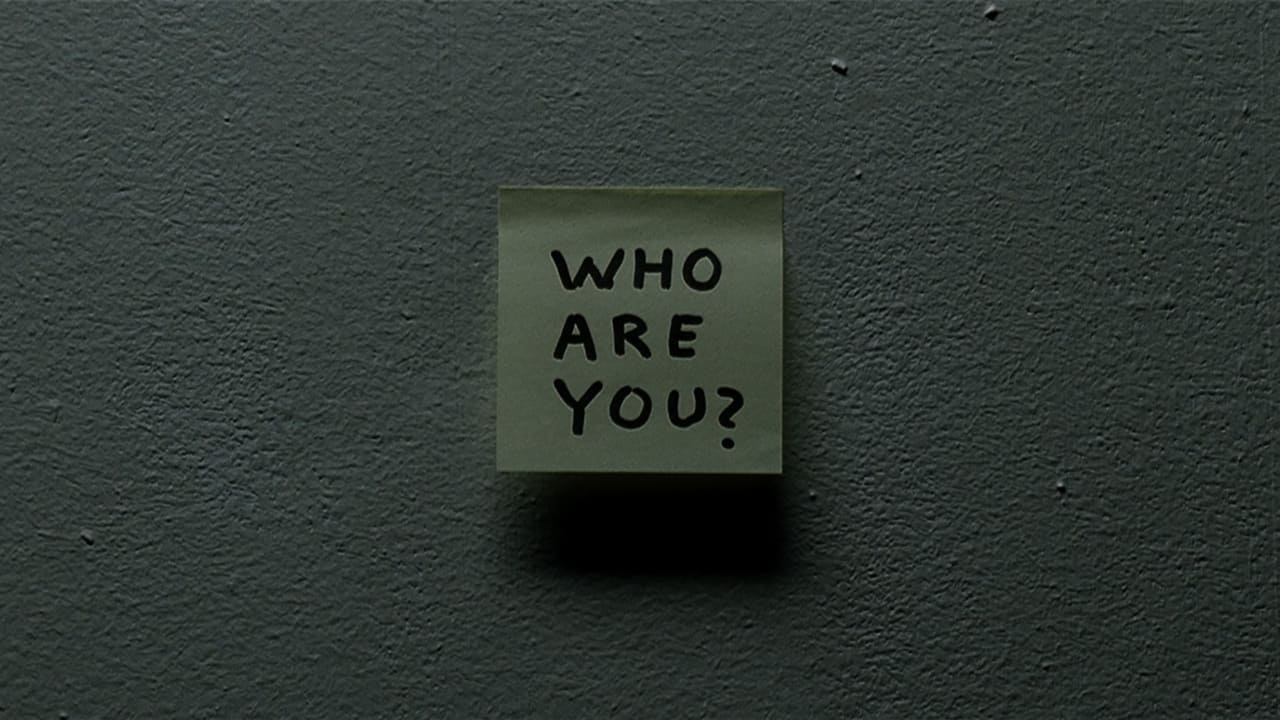
What holds up best isn't even the "twist"—which you might spot early if you’re a seasoned noir fan—but the emotional core. Beneath the layers of Post-it notes and cryptic hangman games, it’s a story about the physical weight of a secret. Trevor Reznik is the human embodiment of a guilty conscience, and the film's climax provides a catharsis that is as exhausting as it is earned.
It’s also a fascinating bridge in Bale’s career. He went straight from this skeletal husk to the bulked-up warrior of Batman Begins in a matter of months. Watching The Machinist now, knowing he was about to become the definitive Batman of his generation, adds a layer of "holy crap" to the performance. It’s a testament to a level of commitment that feels increasingly rare in the era of green screens and CGI touch-ups.
This isn't a "fun" Friday night movie, but it is an essential one for anyone who loves seeing a director and actor perfectly in sync. It captures that 2000s transition where the digital revolution hadn't yet polished away the grit of independent filmmaking. The Machinist is a cold, hard, uncomfortable watch that lingers in your mind like a shadow you can't quite shake, reminding us that no matter how far we run, we always bring our baggage with us.
Keep Exploring...
-
American Psycho
2000
-
Road to Perdition
2002
-
John Q
2002
-
21 Grams
2003
-

Match Point
2005
-
Lucky Number Slevin
2006
-
The Illusionist
2006
-

The Hurt Locker
2008
-

Brothers
2009
-
Equilibrium
2002
-

Dogville
2003
-
The Life of David Gale
2003
-
Man on Fire
2004
-

A History of Violence
2005
-
Munich
2005
-
Blood Diamond
2006
-
Shooter
2007
-
Martyrs
2008
-
The Wave
2008
-

Law Abiding Citizen
2009