The Motorcycle Diaries
"Before the legend was written, the road was traveled."
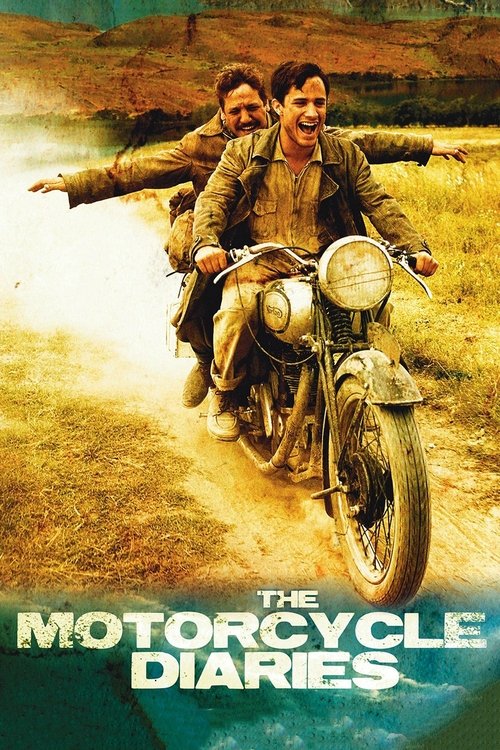
If you’ve ever stepped foot inside a college dorm or a vintage thrift shop, you’ve seen the face of Ernesto "Che" Guevara. It’s usually a high-contrast red and black stencil on a t-shirt, a symbol so commodified that it has almost lost all meaning. But back in 2004, Walter Salles (who gave us the haunting Central Station) decided to peel that sticker off the suitcase and show us the human being underneath. I watched this for the third time recently while sitting in a dentist’s waiting room, trying to ignore the sound of a high-pitched drill and the smell of mint-scented fluoride, which is a bizarrely clinical way to experience a film so defined by dust, wind, and open air. Yet, even on a tiny screen with bad headphones, the film’s pull remains undeniable.
Two Friends and a Leaking Engine
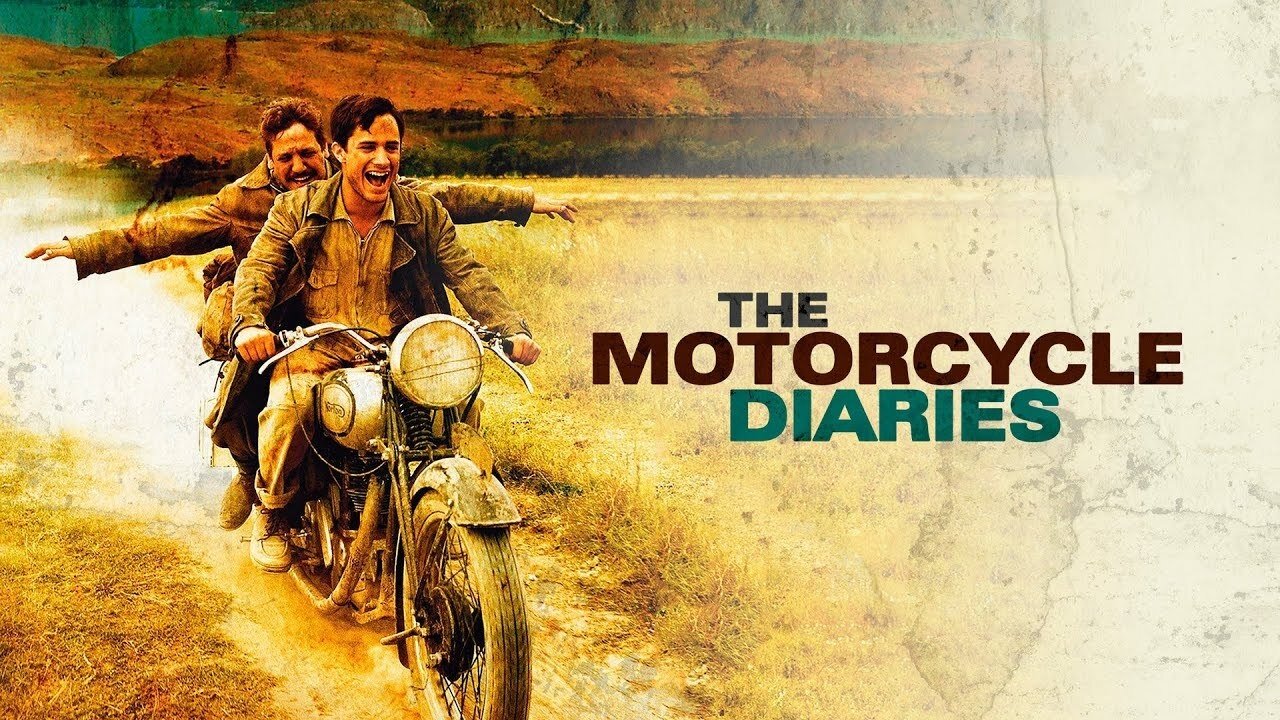
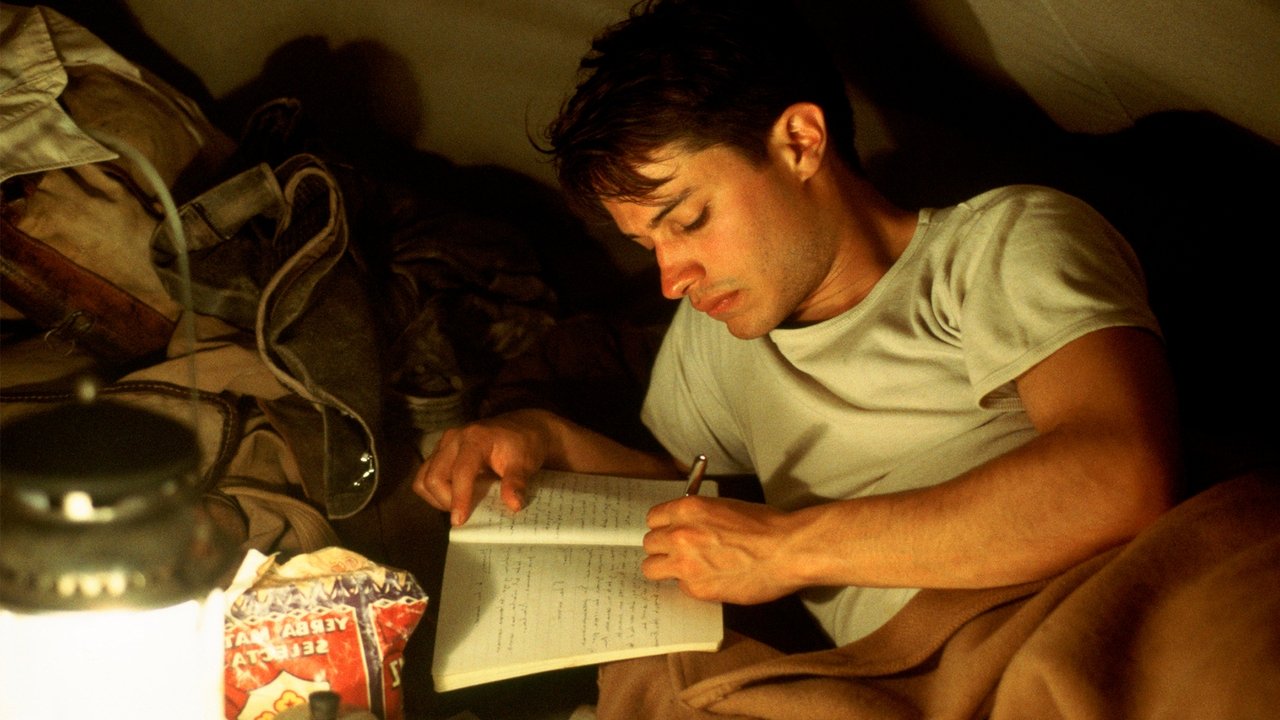
The story is deceptively simple: two young Argentines, a 23-year-old medical student named Ernesto and his older biochemist pal Alberto Granado, decide to hop on a beat-up 1939 Norton 500 (lovingly dubbed La Poderosa, or "The Mighty One") to see the South America they’ve only read about in books. Gael García Bernal, fresh off the lightning-bolt success of Amores Perros and Y Tu Mamá También, plays Ernesto with a quiet, asthmatic intensity. He’s the "serious" one, while Rodrigo de la Serna plays Alberto as a charismatic, womanizing force of nature who provides much of the film’s early levity.
The first half of the film plays like a classic road comedy. The bike breaks down constantly, they slide into ditches, and they trick local ranch owners into giving them food and shelter. It’s a quintessential 2000s indie-spirit film, shot with a handheld intimacy that makes you feel the grit in your teeth. It’s basically a bromance movie where the third wheel is the entire lower class of South America. But as the bike eventually gives out and they are forced to hitchhike and walk, the tone shifts. The road stops being a playground and starts being a classroom.
The Awakening in the Dust
What makes The Motorcycle Diaries stand out in the pantheon of biopics is its restraint. It doesn’t end with a guerrilla soldier in the jungle; it ends with a young man realizing his life’s work might be different than he imagined. When the duo reaches the San Pablo leper colony in the Peruvian Amazon, the film hits its emotional stride. Salles avoids the typical Hollywood "white savior" tropes by focusing on the human connection between Ernesto and the patients.
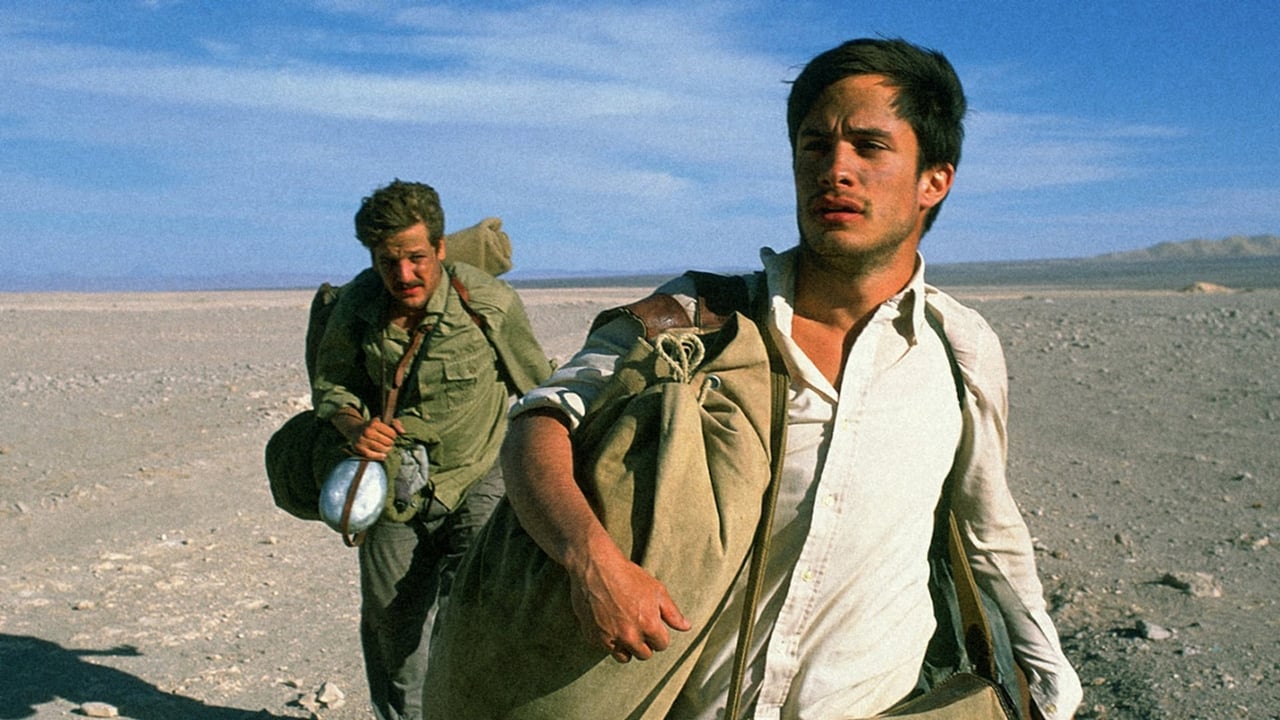
There’s a specific scene where Ernesto swims across the river at night to celebrate his birthday with the lepers on the other side—the "excluded" ones—that still feels like a gut-punch. It’s a literal and metaphorical crossing of a boundary. Gael García Bernal’s face is so unfairly expressive that he can convey a total shift in political ideology just by staring at a group of displaced miners. The film argues that you don't become a revolutionary by reading a manifesto; you become one by seeing a mother who can't feed her kids while a foreign company sits on the land.
Behind the Scenes and the 2004 Vibe
Looking back, 2004 was a peak moment for the "Global Cinema" boom. This was the era of the high-quality DVD release—I remember the special features on this disc being a goldmine for film students, showing how Walter Salles actually retraced the real route taken in 1952. They even cast real people they met along the way in improvised scenes, which gives the film a documentary-like texture that a big studio production would have polished away.
One of the coolest details I’ve discovered is that the real Alberto Granado, who was 82 at the time of filming, actually makes a brief appearance at the very end of the movie. It’s a poignant touch that grounds the story in reality. Also, Gustavo Santaolalla’s score—all brooding ronroco and minimalist guitar—basically defined the "prestige drama" sound for the next decade. If you like the music in The Last of Us, you’ll hear the DNA of it right here.
This film seems to have slipped into a bit of a "forgotten" category lately, perhaps because the political figure at its center is so controversial, or because modern audiences are less patient with subtitles. But to ignore it is to miss one of the best road movies ever made. The motorcycle is essentially a metaphor for Ernesto’s lungs: both are struggling to keep up with the world's demands, but they keep chugging along anyway. It’s a film about the exact moment the idealism of youth meets the reality of the world.
The film doesn't force a political agenda down your throat; it simply invites you to sit on the back of a Norton 500 and look at the scenery. By the time the credits roll, you realize the scenery has changed you just as much as it changed the guy on the bike. It captures that brief, flickering moment before a man becomes a myth, reminding us that every icon was once just a kid with a leaky engine and a curious heart.
Keep Exploring...
-
On the Road
2012
-
Bad Education
2004
-
Central Station
1998
-
Any Given Sunday
1999
-
Arlington Road
1999
-
Blast from the Past
1999
-
Boys Don't Cry
1999
-
Bringing Out the Dead
1999
-
Double Jeopardy
1999
-
Election
1999
-

Man on the Moon
1999
-
October Sky
1999
-
Payback
1999
-
The Cider House Rules
1999
-
The Hurricane
1999
-
The Insider
1999
-
The Messenger: The Story of Joan of Arc
1999
-
The Straight Story
1999
-
The Thomas Crown Affair
1999
-
Dancer in the Dark
2000