The Notebook
"The letter that arrived seven years too late."
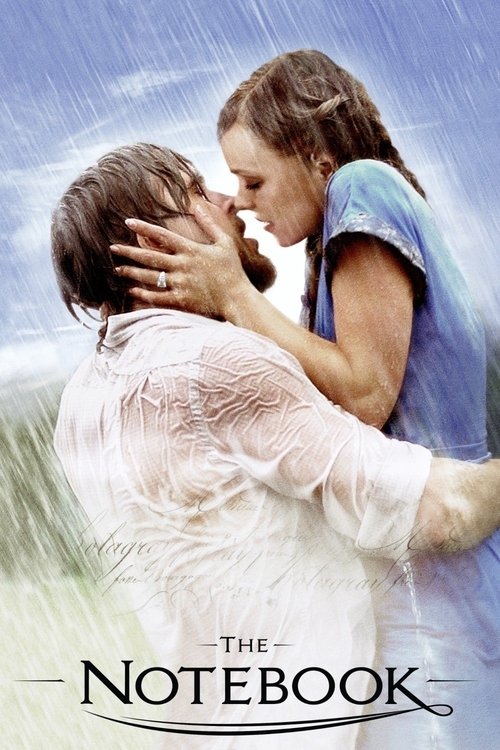
I remember watching The Notebook for the first time on a laptop with a screen so dim I had to turn off every light in my apartment, including the little blue LED on the microwave, just to see the shadows in the rowing scene. I expected a sugary, disposable romance. Instead, I found myself staring at the darkened screen long after the credits rolled, wondering why a movie about a guy building a house made me feel like I’d just survived a 12-round boxing match with my own heart.
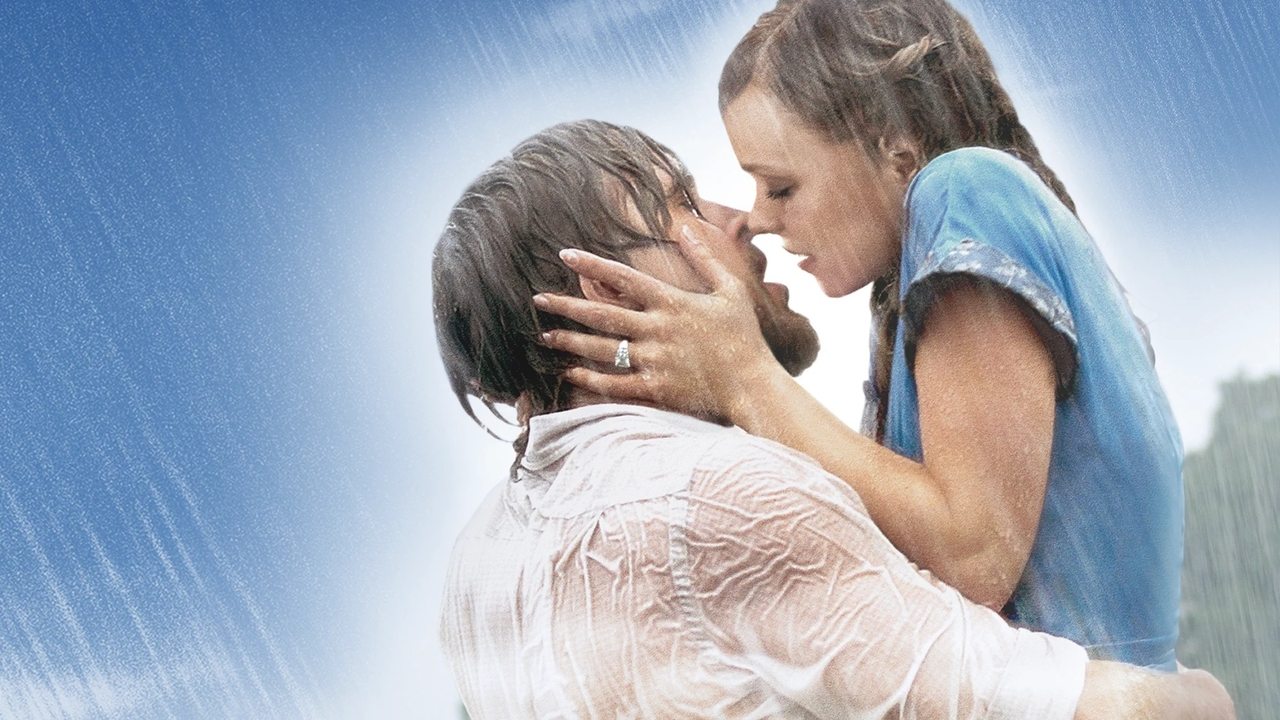
Released in 2004, The Notebook arrived at a specific crossroads in cinema. We were deep into the post-9/11 era, a time when audiences were pivoting away from the cynical, irony-drenched "cool" of the 90s and toward something more earnest—even if that earnestness bordered on the melodramatic. It was also the peak of the DVD boom. This wasn't just a movie you saw in theaters; it was a movie you owned, lent to friends, and eventually replaced because the disc got too scratched from overuse.
Lightning in a Southern Bottle
The film’s endurance doesn't actually come from the plot, which—let’s be honest—is a fairly standard "wrong side of the tracks" romance adapted from a Nicholas Sparks novel. The secret sauce is the nuclear-grade chemistry between Ryan Gosling and Rachel McAdams. It’s easy to forget now that Gosling is an Oscar-nominated powerhouse and McAdams is a versatile screen queen, but in 2004, they were the "new kids."
Gosling plays Noah with a quiet, vibrating intensity that makes his famous "I wrote you 365 letters" outburst feel like a genuine release of pressure rather than a scripted line. McAdams, as Allie, manages to make a wealthy socialite feel grounded and relatable. There’s a raw, unpolished edge to their fights. Apparently, the two actors famously clashed on set, with Gosling even asking Director Nick Cassavetes to bring in someone else for off-camera lines because they weren't getting along. My hot take? That genuine friction is exactly why their "love" feels so combustible and real on screen. You can’t fake that kind of energy with a "meditation on romance" (oops, banned phrase—let’s say "boring acting"). They look like they might actually kill each other or kiss each other, and the movie thrives in that uncertainty.
The Prestige of the Present

While the 1940s sequences provide the visual candy—thanks to Robert Fraisse’s lush, golden-hour cinematography—the emotional anchor of the film is the modern-day framing device. James Garner (as Duke) and Gena Rowlands (as older Allie) elevate this from a teen flick to a prestige drama. Rowlands, who was the muse for her late husband John Cassavetes, brings a devastating nuance to her portrayal of Alzheimer’s.
Watching Garner—a man who spent decades playing the charming rogue—patiently read to a woman who doesn't recognize him is the film's true "prestige" move. It’s a performance of restraint. He isn't playing for the cheap seats; he’s playing for the person sitting right across from him. This thread of the story earned James Garner a Screen Actors Guild nomination for Best Supporting Actor, a rare feat for a summer romance. It signaled to the industry that The Notebook wasn't just "chick flick" fodder—it was a serious exploration of the persistence of identity.
A Relic of the Analog Era
Looking back, The Notebook feels like one of the last great analog romances. In 2004, we were on the cusp of the smartphone revolution. The internet existed, sure, but it hadn't yet colonized our romantic lives. The conflict relies on lost letters, missed connections, and the physical distance of a world before social media. If Noah and Allie had Instagram, the movie would have been five minutes long: he would’ve seen her wedding photos, muted her, and moved on to building his house in peace.
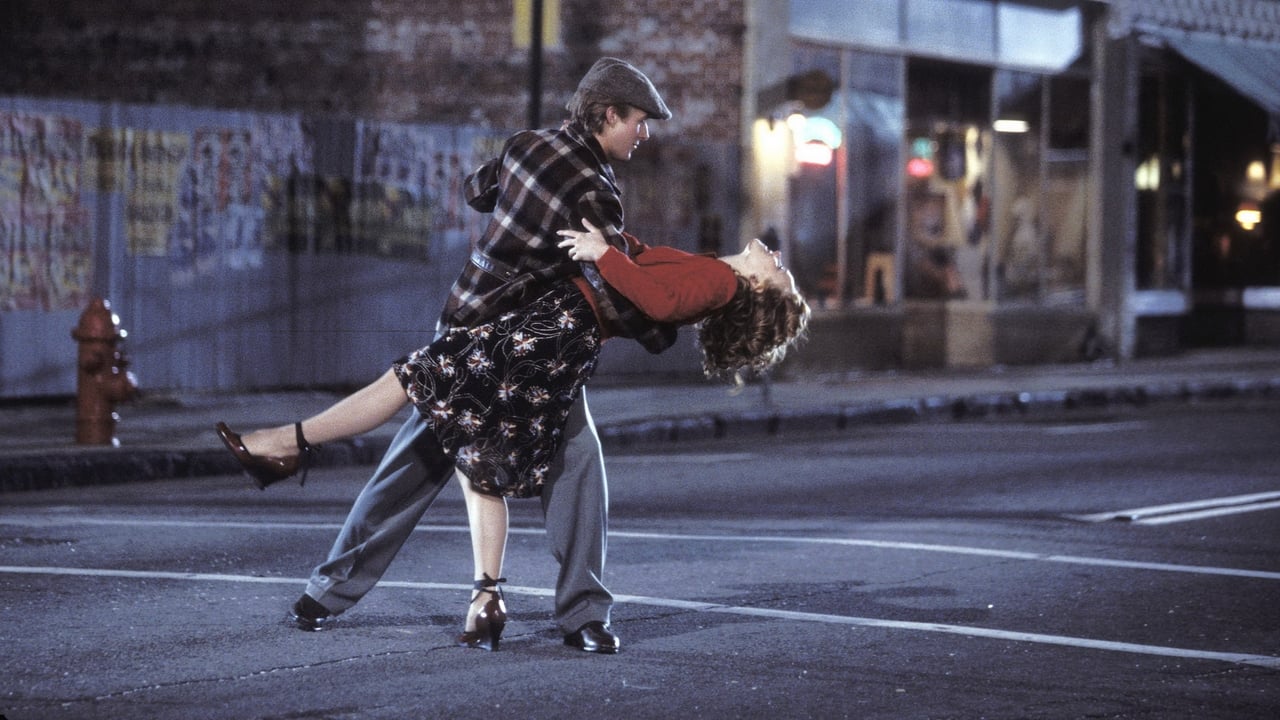
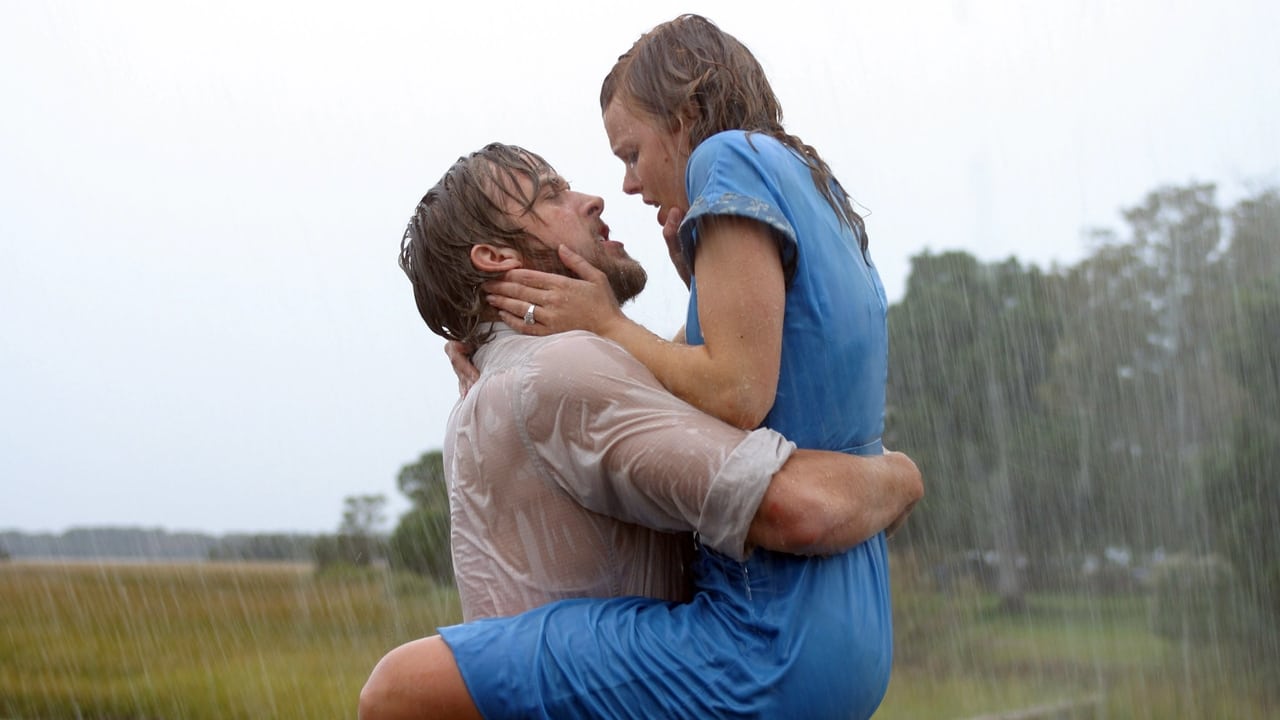
The film also captures that transition in filmmaking where digital effects hadn't yet taken over every frame. The famous scene with the thousands of swans was done with real birds (trained to stay on the lake), and the rain in the "it wasn't over" scene was a massive practical rig. You can see the weight of the water on their clothes. It feels tactile. The ferris wheel scene, however, is a total red flag—Noah basically blackmails Allie into a date by threatening to fall to his death, which is a move that would definitely get a "creepy" label in 2024. But in the glow of 2004 cinema, it was peak chivalry.
The Notebook succeeds because it treats its central emotion as the most important thing in the world. It doesn't apologize for being big, loud, and tearful. While some of the plot beats are predictable, the performances from Gosling, McAdams, Garner, and Rowlands provide a level of craft that keeps it from sinking into the swamp of its own sentimentality. It’s a movie that earns its ending, even if you spend the final twenty minutes looking for a box of tissues. If you haven't seen it in a decade, it's worth a re-visit—just to remember what it felt like when movies weren't afraid to be a little bit "too much."

Keep Exploring...
-
My Sister's Keeper
2009
-
John Q
2002
-
Lars and the Real Girl
2007
-

A Walk to Remember
2002
-
Eternal Sunshine of the Spotless Mind
2004
-
A Beautiful Mind
2001
-

Pride & Prejudice
2005
-
Mr. Nobody
2009
-
The Time Traveler's Wife
2009
-
About Time
2013
-

Flipped
2010
-
Her
2013
-
In the Mood for Love
2000
-

Before Sunset
2004
-
Blue Valentine
2010
-
Forrest Gump
1994
-
Before Sunrise
1995
-

Dilwale Dulhania Le Jayenge
1995
-
Titanic
1997
-
10 Things I Hate About You
1999