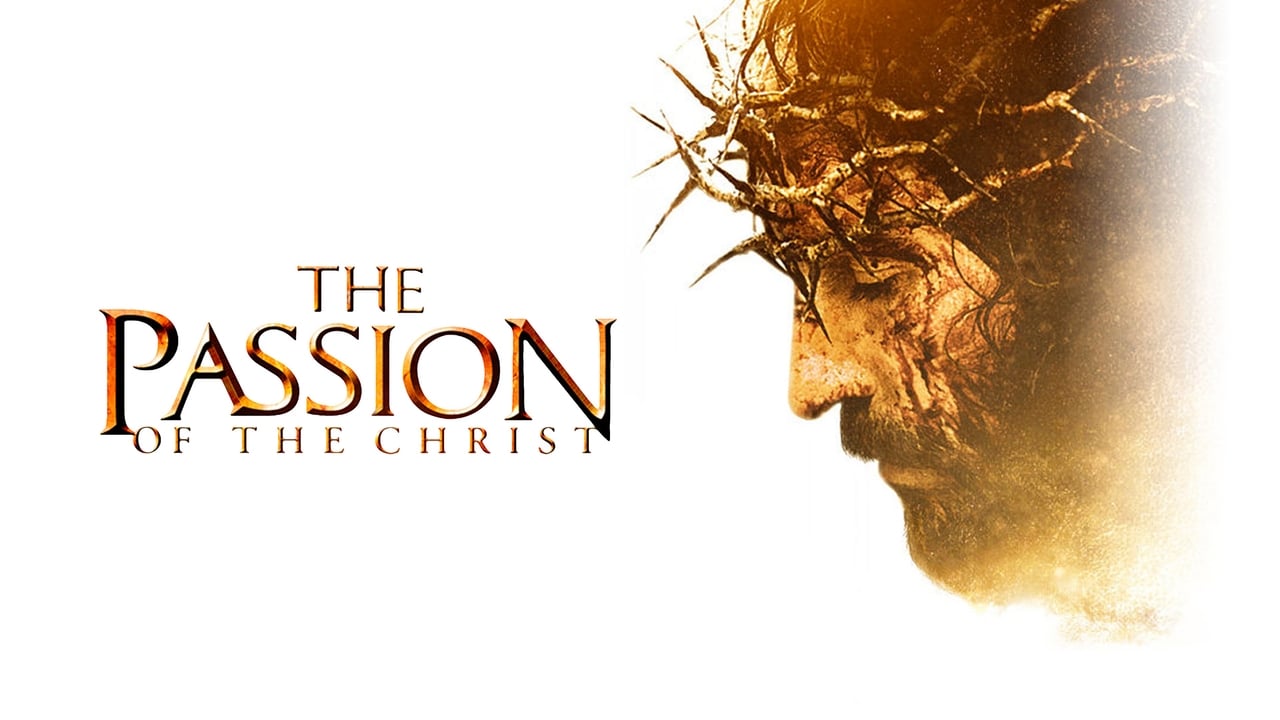
The Passion of the Christ
"Sacrifice rendered in shadow, blood, and stone."
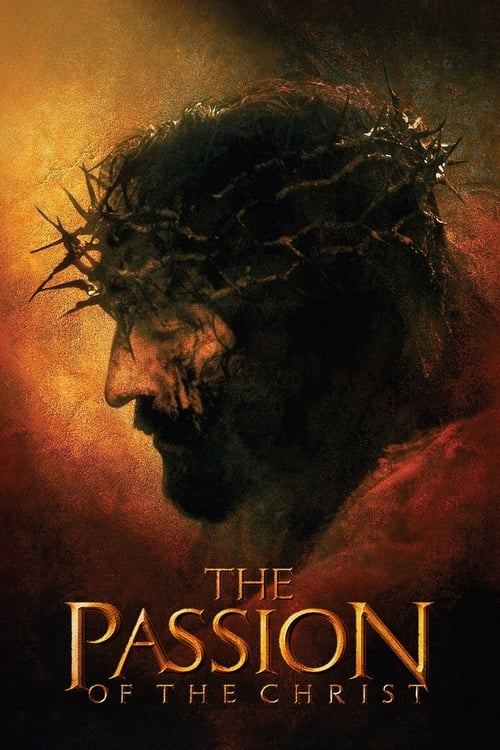
In 2004, the smartest money in Hollywood was betting against a self-funded, ultra-violent drama performed entirely in reconstructed Aramaic, Latin, and Hebrew. Mel Gibson—then still the gold-standard movie star of Lethal Weapon and Braveheart—was essentially told he was lighting $30 million on fire. Instead, he ended up with a cultural earthquake. I watched this again recently on a dusty DVD I found in a thrift store, and the experience was oddly punctuated by the fact that I was eating a bowl of overly salted popcorn that made me thirsty for the entire two-hour runtime, which felt like a very minor, self-inflicted penance compared to what was happening on screen.
A Silent Epic in Dead Tongues
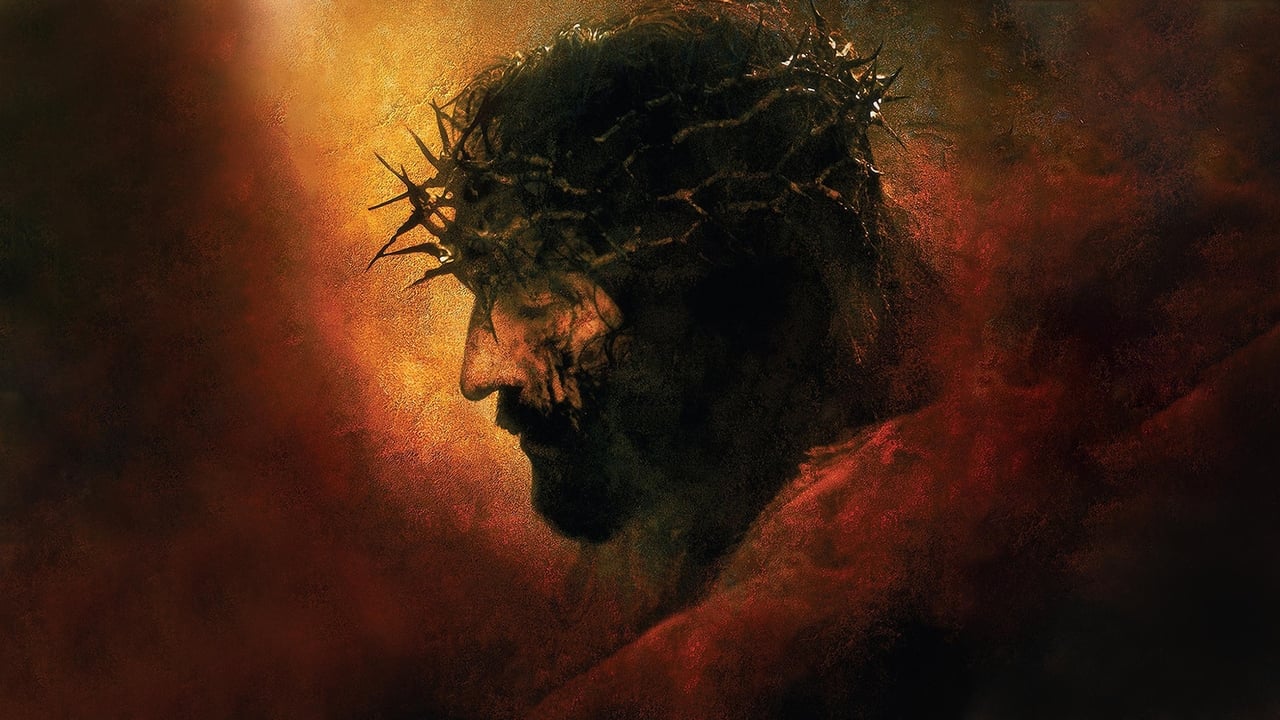
The most striking thing about revisiting this film twenty years later is how little it relies on dialogue. Mel Gibson famously considered releasing the movie without any subtitles at all, and watching it now, you realize he almost could have. The storytelling is purely pictorial. It functions less like a standard Hollywood biopic and more like a series of Caravaggio paintings brought to life with a bone-crunching Foley track. Caleb Deschanel (The Right Stuff) uses a color palette of tobacco browns, deep blacks, and bruised blues that makes the film feel ancient, as if the celluloid itself was dug out of a Judean tomb.
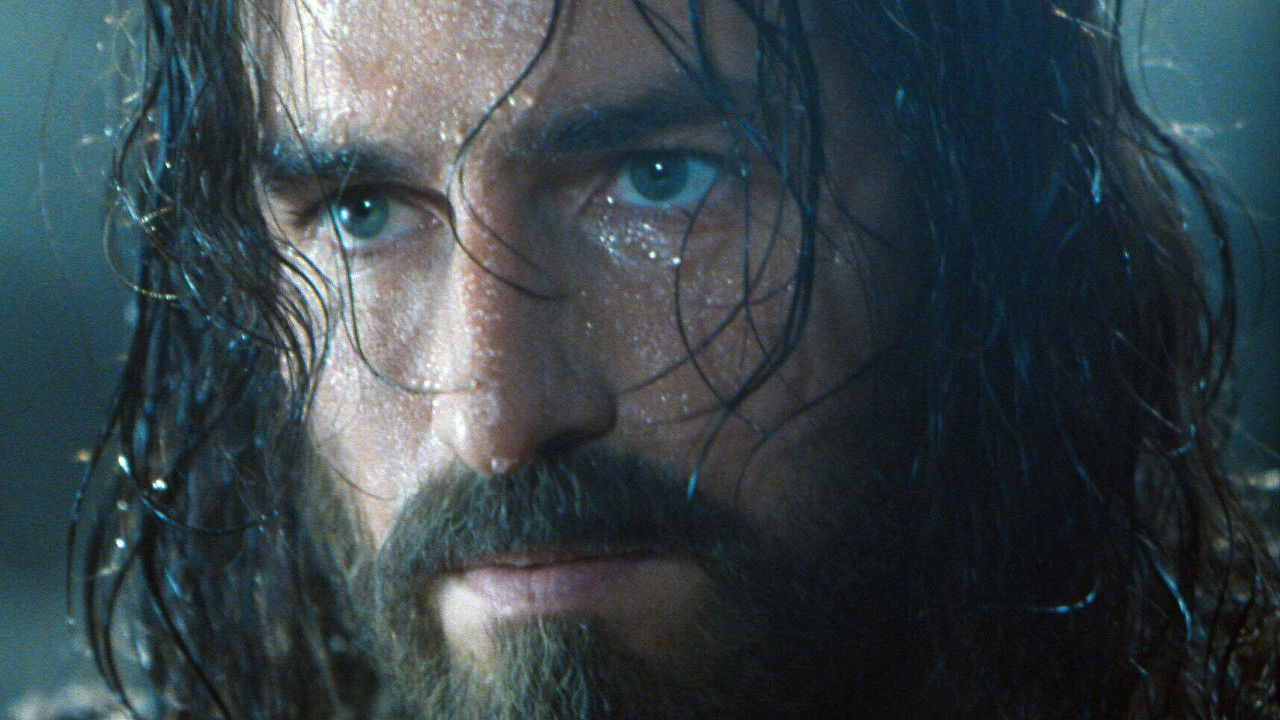
Jim Caviezel turns in a performance that is almost entirely physical. Because the dialogue is in dead languages, the burden of the narrative falls on his eyes and his endurance. It’s a transformative turn, not just because of the prosthetic makeup that gradually turns his body into a map of trauma, but because of the terrifying stillness he maintains amidst the chaos. It’s effectively the most expensive and well-shot "silent" movie of the 21st century. Looking back, this was a massive middle finger to the polished, fast-talking blockbusters of the early 2000s. It demanded the audience lean in and watch rather than just listen.
The Human Toll of the Divine
While the headlines at the time focused on the controversy and the "Gore-nography" labels, the emotional core actually rests with the women. Maia Morgenstern, as Mary, provides the only air the viewer is allowed to breathe. Her performance is a masterclass in restrained grief. There’s a flashback to a young Jesus falling down and Mary running to him that is edited with such precision against the "current" timeline that it earns every bit of its emotional weight. It’s one of the few moments where the film stops being a historical document and becomes a relatable tragedy about a mother losing her son.
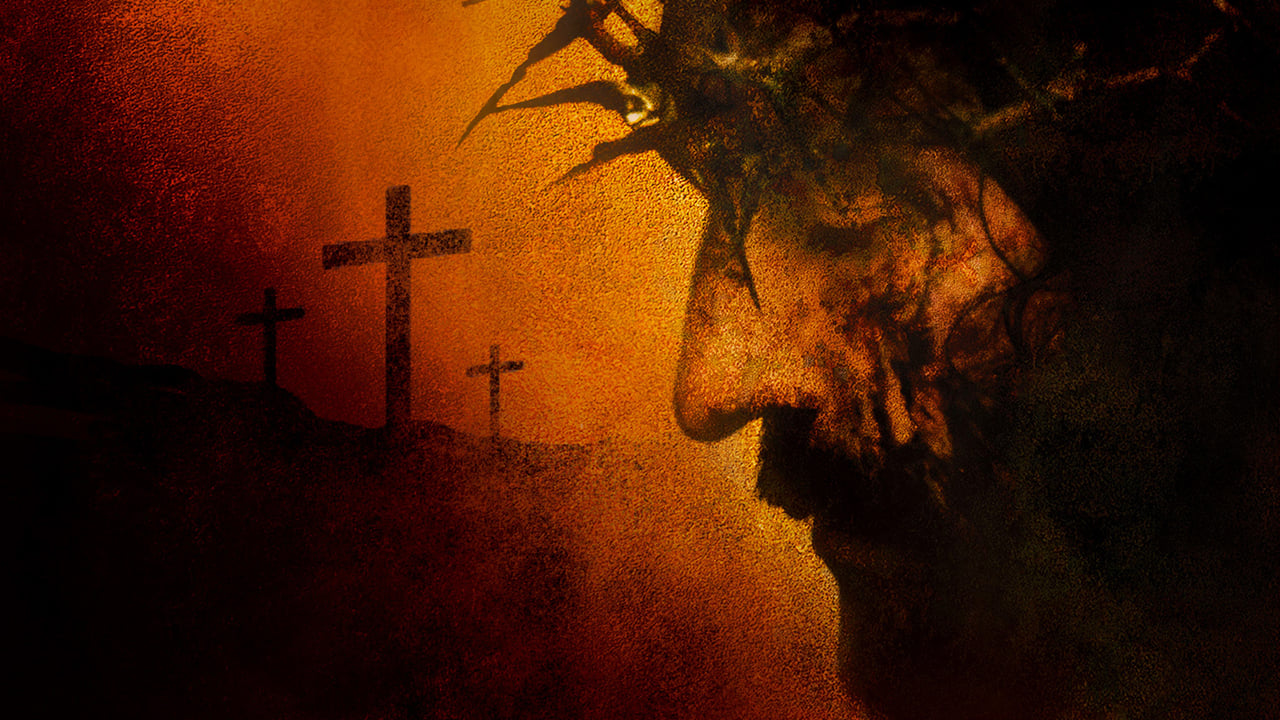
Then you have Monica Bellucci (The Matrix Reloaded) as Mary Magdalene. Casting a global sex symbol in such a somber, dusty role was a classic "Modern Cinema" move, but she disappears into the soot and the tears. The film doesn't give these characters long monologues to explain their motivations; we see their history in the way they trade glances. This was a period in film history where "gritty" was becoming the default setting—think of the desaturated look of Saving Private Ryan or Black Hawk Down—and Gibson applied that aesthetic to the foundational story of Western civilization.
Production Hazards and Box Office Miracles
The behind-the-scenes lore of this movie is arguably as famous as the film itself. Jim Caviezel didn't just play the role; he survived it. During production, he was struck by lightning, suffered from pneumonia, and accidentally took a real lash during the scourging scene that left a 14-inch scar on his back. The man basically walked into a biblical meat grinder for the sake of the craft.
From a business perspective, the film changed everything. It proved that "faith-based" audiences weren't just a niche—they were a superpower. Without The Passion, you don't get the explosion of religious cinema that followed, though few have ever matched the technical proficiency seen here. It was a "Blockbuster" in the truest sense, dominating the watercooler talk in a way that feels impossible in our current fragmented streaming era. In 2004, you couldn't escape the conversation about whether the violence was too much or if the historical accuracy held up.
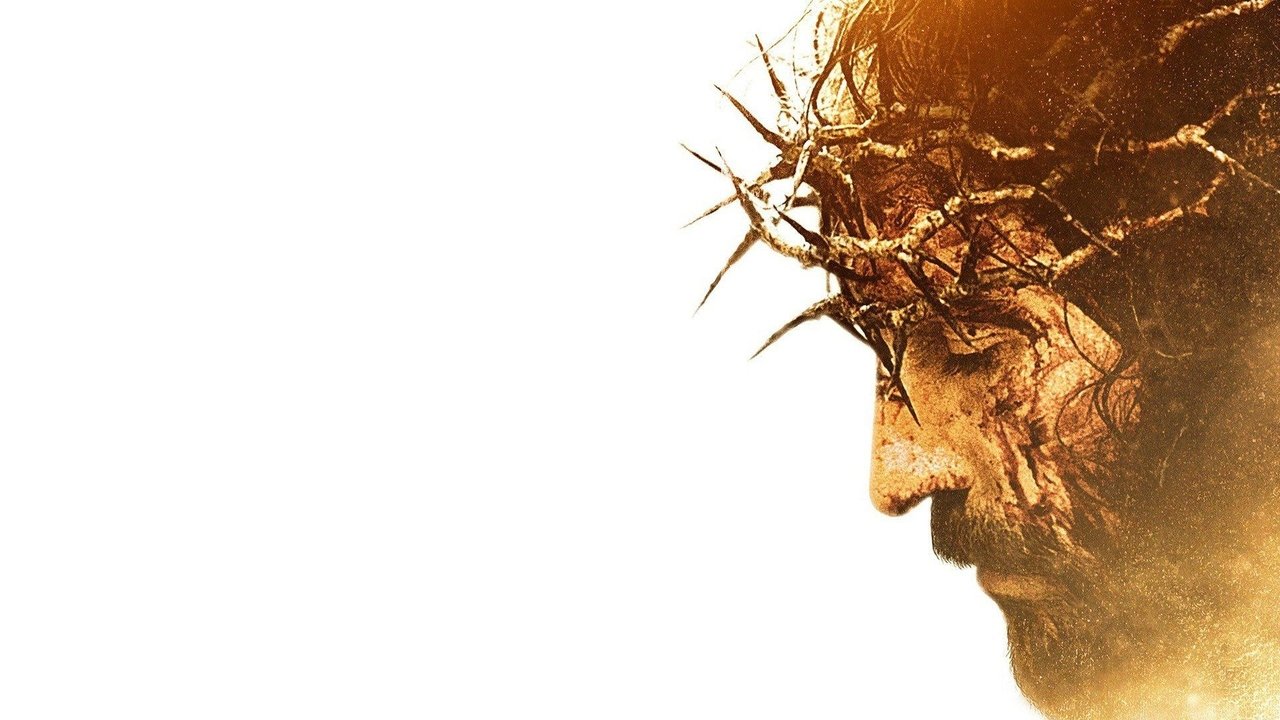
Looking back, the film captures that post-9/11 anxiety where we were suddenly obsessed with the "clash of civilizations" and the harsh realities of the Middle East. It feels like a product of its time—intense, uncompromising, and deeply skeptical of the "polished" version of history. It’s a film that asks you to look at the ugly parts of a beautiful story, and even if you find the violence excessive, the sheer artistic ambition is impossible to ignore.
This isn't a movie you "put on in the background." It’s an exhausting, singular piece of art that demands your full attention and a bit of your soul. Whether you view it as a religious experience or a high-end historical horror film, its impact on the landscape of independent cinema is undeniable. It remains a staggering example of what happens when a filmmaker has a specific, unshakeable vision and the bank account to bypass the studio censors entirely. It’s heavy, it’s harrowing, and it’s hauntingly beautiful.
Keep Exploring...
-
Apocalypto
2006
-
Remember the Titans
2000
-
Brokeback Mountain
2005
-

Little Miss Sunshine
2006
-
The Reader
2008
-
The Blind Side
2009
-
Moulin Rouge!
2001
-

Hero
2002
-
Atonement
2007
-
Seven Pounds
2008
-
A Few Good Men
1992
-
Philadelphia
1993
-
The Bridges of Madison County
1995
-

Braveheart
1995
-
10 Things I Hate About You
1999
-
Girl, Interrupted
1999
-
Magnolia
1999
-
October Sky
1999
-
The Straight Story
1999
-

I Am Sam
2001