The Phantom of the Opera
"His face is a secret. His voice is a trap."
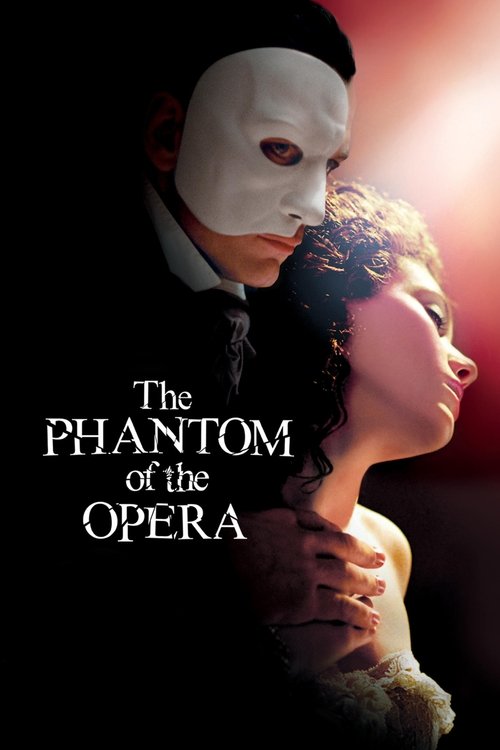
I first watched this movie while recovering from a wisdom tooth extraction, and the Phantom’s facial deformity felt oddly relatable through the haze of post-op painkillers. There is something about the 2004 version of The Phantom of the Opera that demands you be in a slightly altered state of mind—whether induced by dentistry or just a willingness to succumb to pure, unadulterated kitsch.
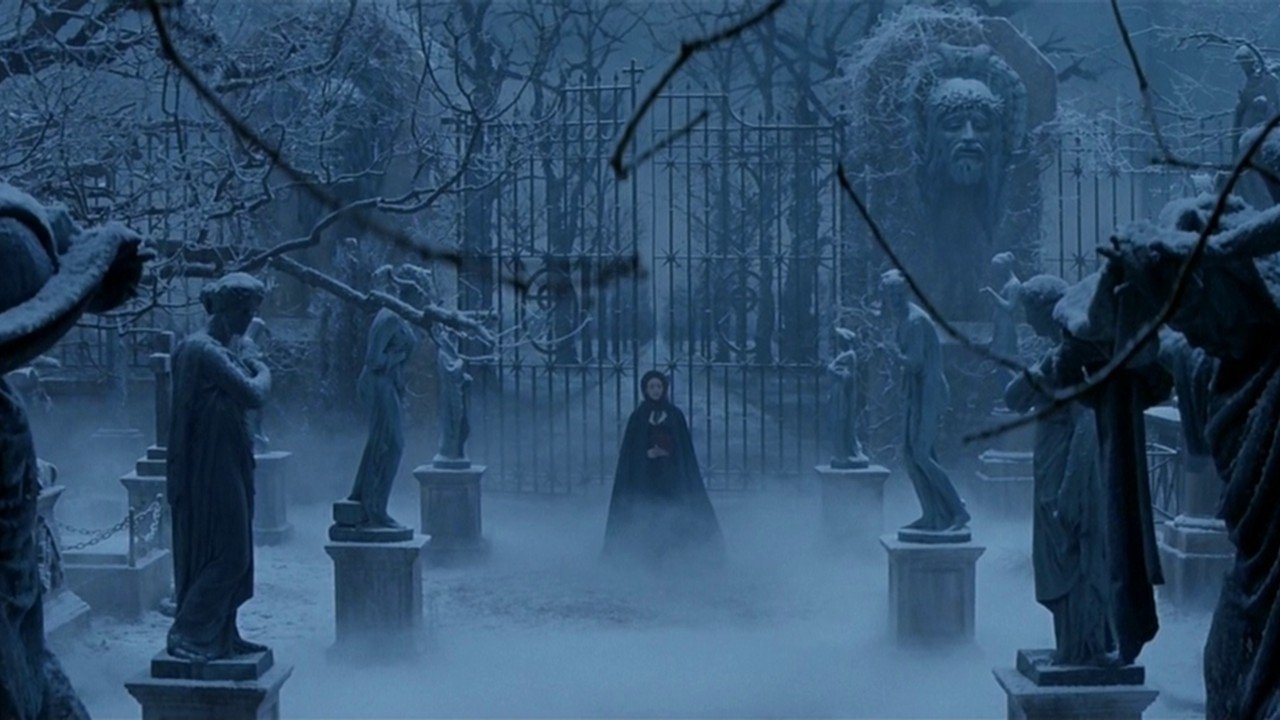
It is a film that exists in a strange, shadow-drenched limbo. It arrived during the tail end of the early-2000s musical revival, sandwiched between the Oscar-winning glitz of Chicago and the gritty realism that would eventually take over the genre. Looking back, Joel Schumacher (the man who gave Batman nipples and made neon-soaked vampires cool in The Lost Boys) was the only person crazy enough to try and turn Andrew Lloyd Webber’s stage juggernaut into a cinematic fever dream.
A Masterclass in Maximalism
From the moment the black-and-white prologue explodes into a Technicolor past, Joel Schumacher makes his intentions clear: more is more. The Opera House isn’t just a setting; it’s a gold-leafed prison. I remember the DVD special features—back when we actually sat through those "Making Of" documentaries—spending an absurd amount of time on the fact that the chandelier was made of actual Swarovski crystals. That’s the movie in a nutshell: expensive, glittering, and heavy enough to kill you if it loses its grip.
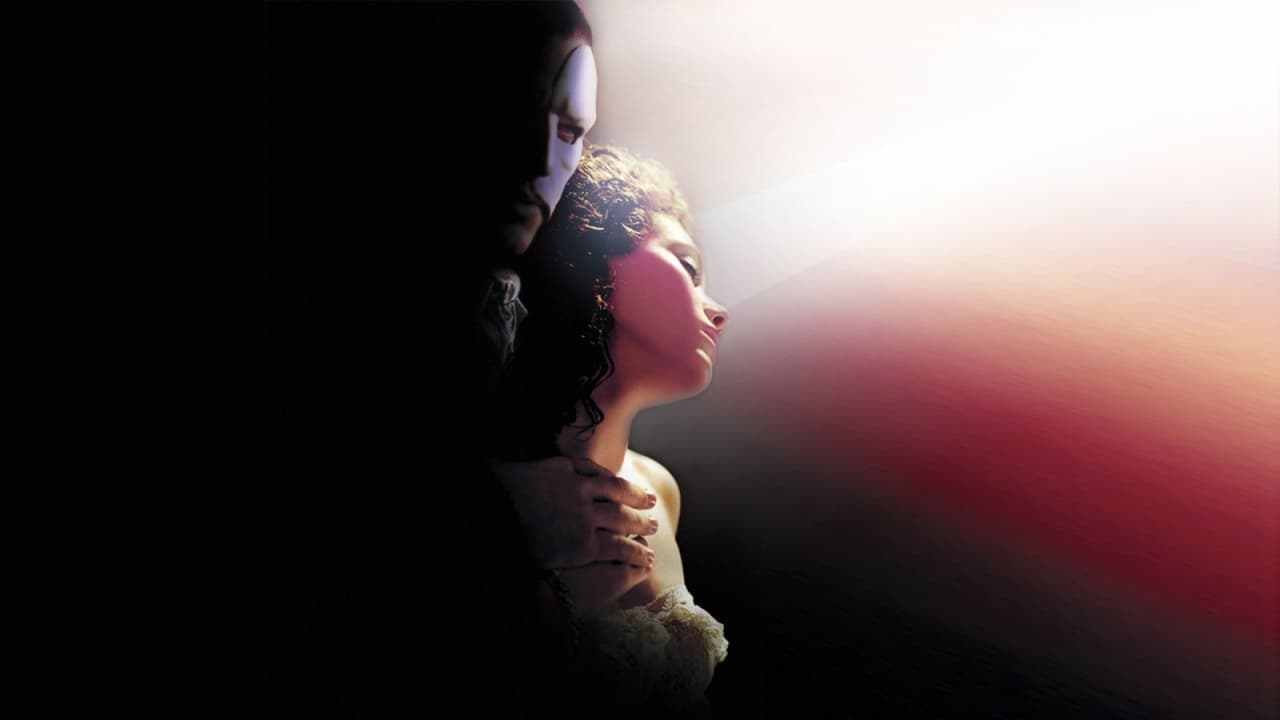
The atmosphere is undeniably thick. The "Phantom’s Lair" sequence, with its hundreds of floating candles and subterranean gondola rides, feels like a gothic romance novel come to life. It’s dark, intense, and claustrophobic. However, this is where the film’s "Modern Cinema" roots show their age. We were right at the cusp of the CGI revolution, and while the physical sets are staggering, the digital touch-ups and the overly polished "movie magic" sheen give it a slightly artificial flavor that hasn't aged quite as well as the practical effects of the 90s.
The Rock Star and the Nightingale
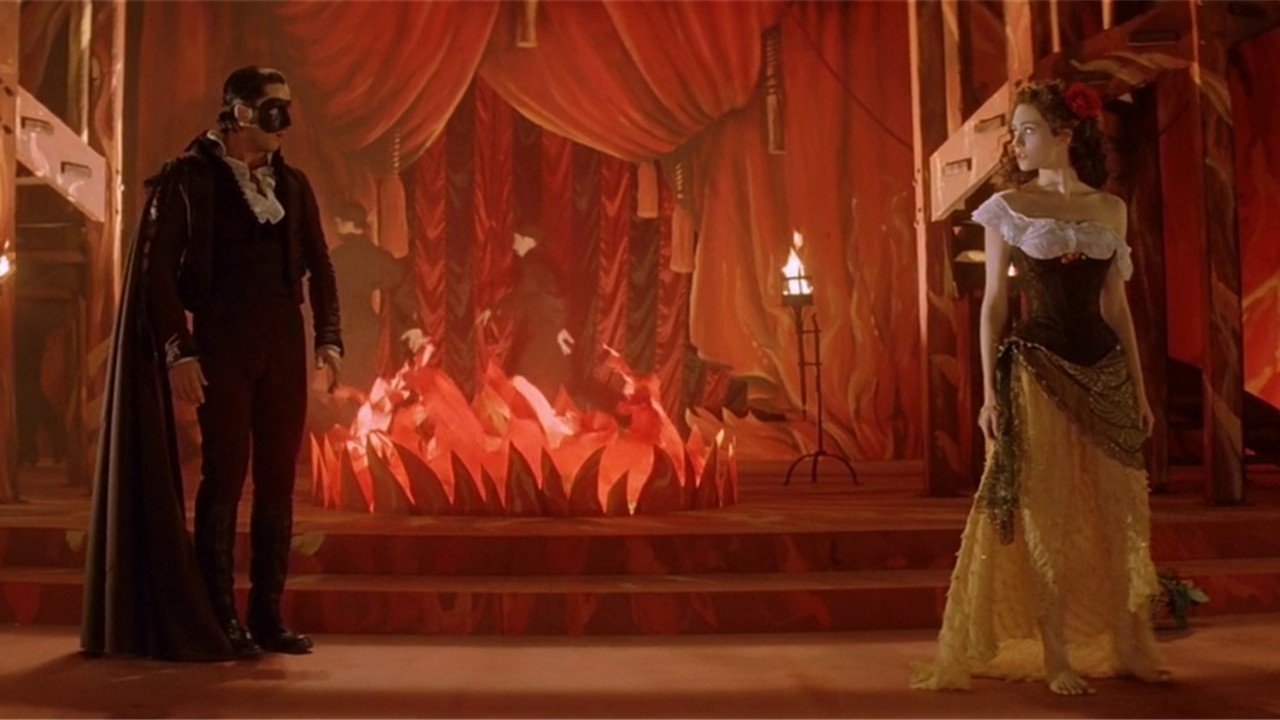
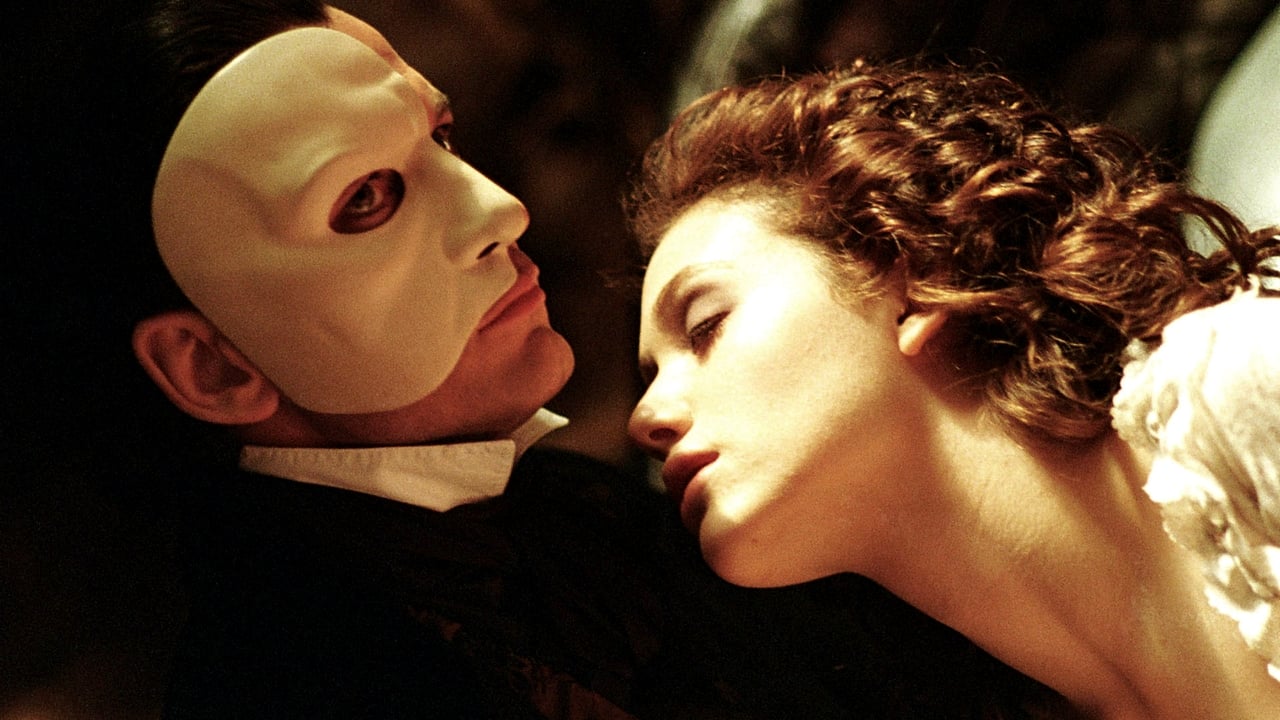
Then there is the casting, which remains the most debated topic in musical theater history. Gerard Butler was an inspired, if terrifying, choice for the Phantom. Fresh off of Lara Croft: Tomb Raider – The Cradle of Life, Butler didn't have the classical training the role usually demands. Gerard Butler sings like he’s trying to gargle a handful of gravel while being electrocuted, and yet, strangely, it works for this specific version. His Phantom isn't a tragic poet; he’s a predatory rock star in a leather mask. There’s a raw, masculine aggression to his "Music of the Night" that makes the stakes feel genuinely dangerous.
Contrast that with Emmy Rossum, who was only sixteen or seventeen during filming. Her Christine Daaé is the heart of the film, and her voice is genuinely lovely, providing a much-needed purity to counter Butler’s growl. She captures that "deer in the headlights" vulnerability perfectly, even if the script requires her to be obsessively attracted to a man who literally murders her coworkers. Then you have Patrick Wilson as Raoul. Wilson is a Broadway veteran, and he’s the only one who sounds like he truly belongs in an opera house, even if Patrick Wilson’s wig in this movie is a crime against humanity that the Phantom should have focused on instead of the chandelier.
The Forgotten Spectacle
So, why has this film fallen into the "obscure" category of our collective memory? It made money, sure, but it’s rarely cited as a "great" film. I think it’s because it’s so fiercely committed to being a melodrama. In an era where we started demanding our dramas be "grounded" (think the post-9/11 shift toward the gritty realism of Batman Begins), The Phantom of the Opera was a holdout of pure, operatic excess.
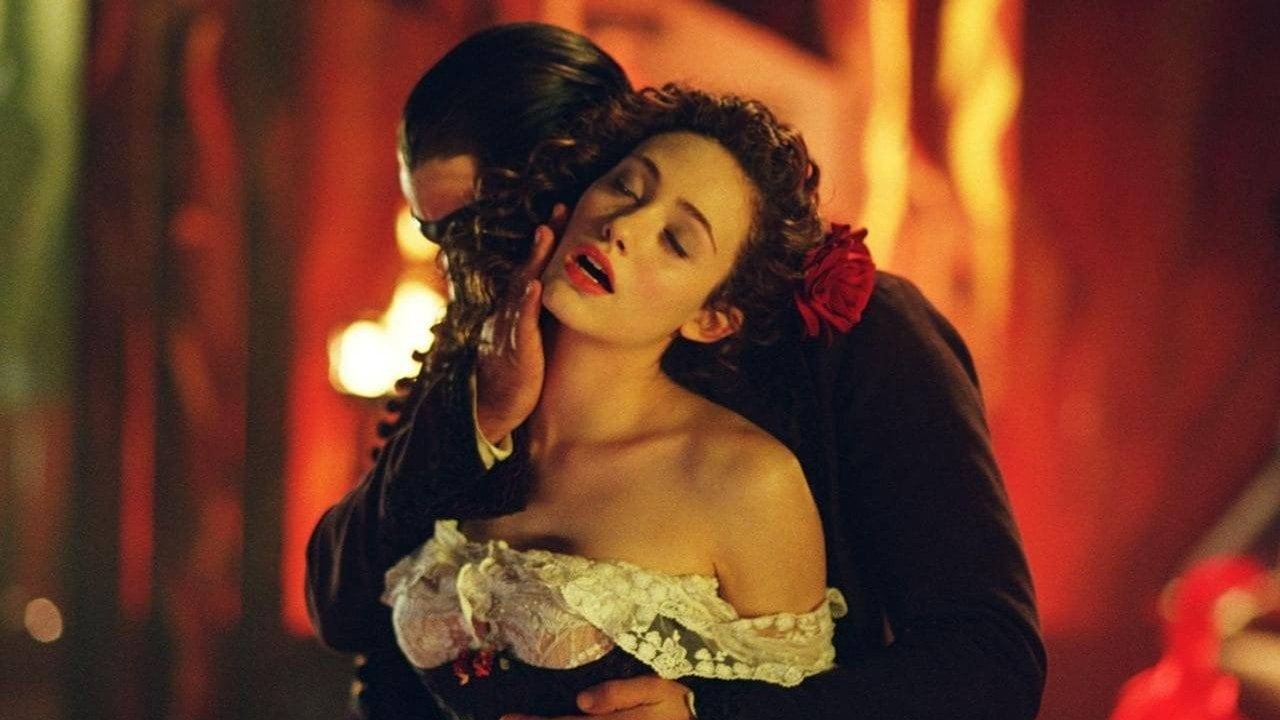
The film shines brightest in its supporting cast. Minnie Driver (who also starred in Good Will Hunting) is a riot as the diva Carlotta, and she’s the only person in the movie who seems to realize how ridiculous everything is. Her performance is a masterclass in comic timing, even though her singing was dubbed by professional soprano Margaret Preece. Meanwhile, Miranda Richardson (from The Crying Game) and Ciarán Hinds add a level of gravitas that the central love triangle occasionally lacks.
The "Point of No Return" sequence remains the film’s peak. It’s sweaty, intense, and captures that specific 2000s brand of "dark romance" that felt so revolutionary before the Twilight era sanitized the trope. It earns its "Drama" tag not through subtle character beats, but through the sheer weight of its emotional crescendos.
Ultimately, The Phantom of the Opera is a beautiful, flawed relic of a transitionary period in Hollywood. It’s a movie that values the curve of a velvet curtain more than a coherent character arc, and honestly, sometimes that’s exactly what you need. It’s a dark, candle-lit ride through a genius's obsession, and even if Gerard Butler’s vocals make you wince once or twice, the spectacle is enough to keep you in your seat until the final rose falls. If you missed it during the DVD boom of the mid-2000s, it’s worth a revisit just to see how much glitter $70 million could buy in 2004.
Keep Exploring...
-

Falling Down
1993
-
A Time to Kill
1996
-
Kill Your Darlings
2013
-
Labor Day
2013
-
The Client
1994
-

Unfaithful
2002
-

Match Point
2005
-
The Illusionist
2006
-
The Last Castle
2001
-
Matchstick Men
2003
-
Joyeux Noel
2005
-
Confessions of a Dangerous Mind
2002
-
Arlington Road
1999
-
The Experiment
2001
-
The Count of Monte Cristo
2002
-
I'm Not Scared
2003
-
The Consequences of Love
2004
-
The Protector
2005
-
Inland Empire
2006
-
Undisputed II: Last Man Standing
2006