The Polar Express
"A fever-dream freight train to the North Pole."
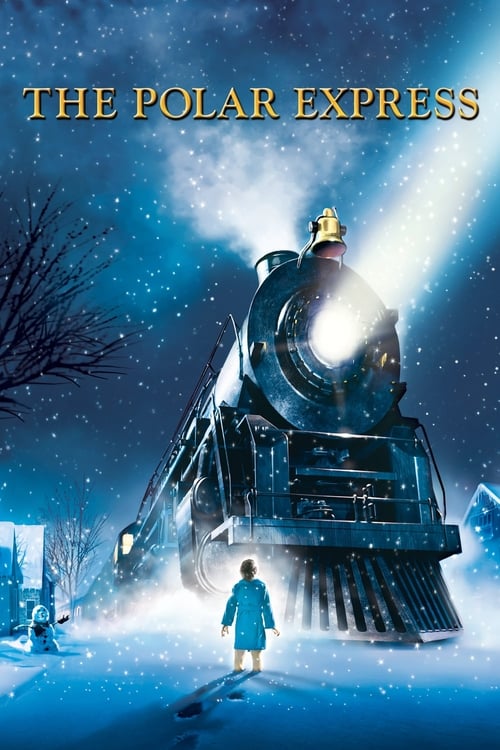
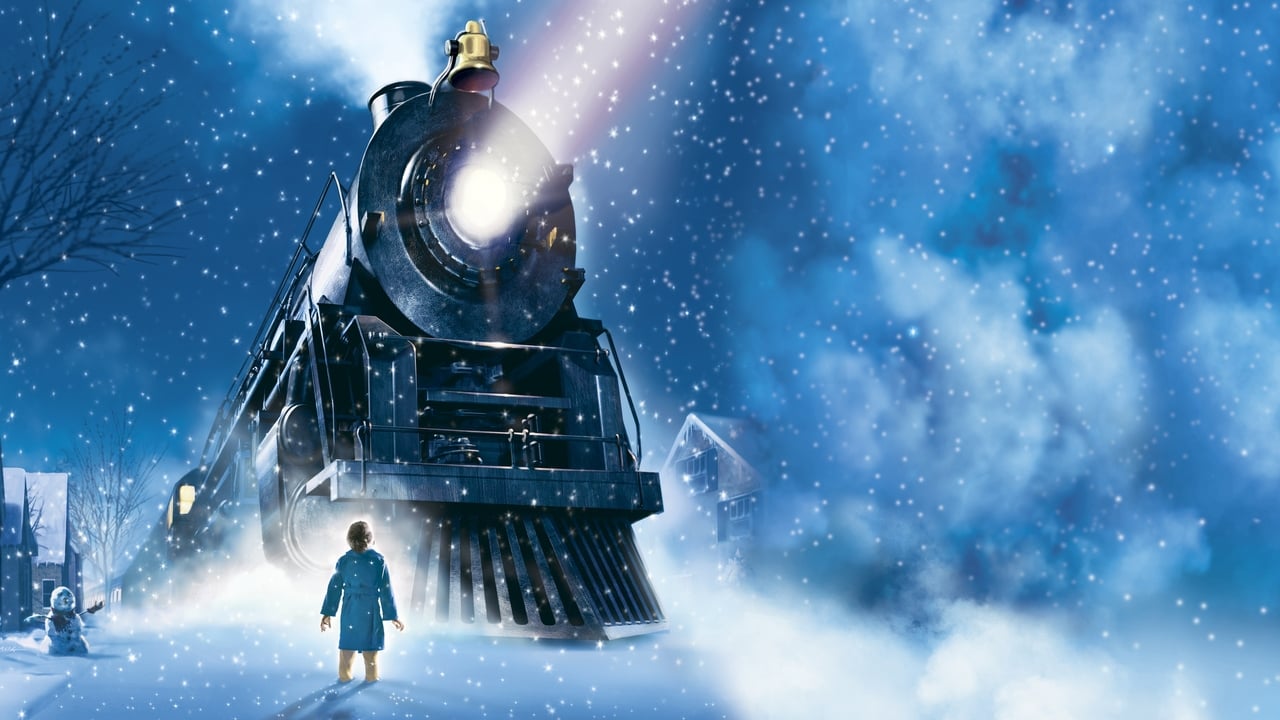
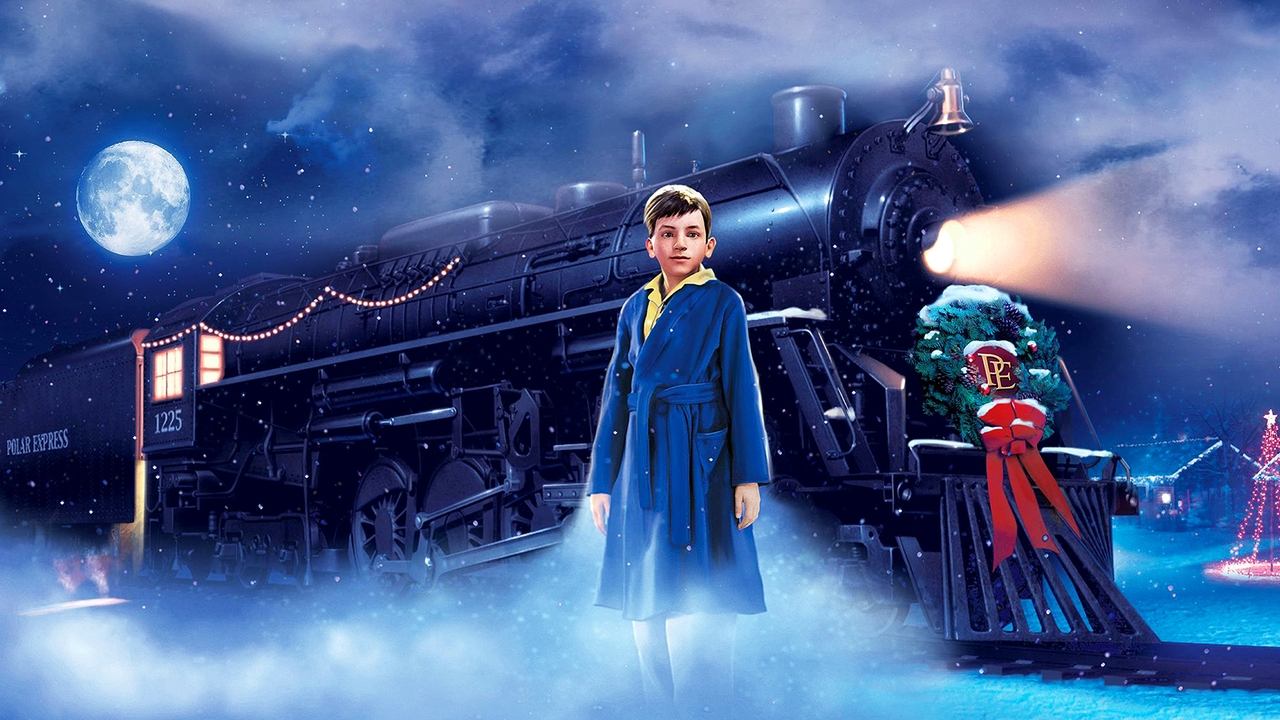
The eyes are the first thing you notice—staring out from the screen with a glassy, unblinking intensity that suggests the characters are either seeing God or have been taxidermied by a master craftsman. When The Polar Express pulled into theaters in 2004, it didn't just bring a holiday story; it brought the "Uncanny Valley" into the mainstream vocabulary. It was a high-stakes gamble by Robert Zemeckis, the man who gave us Back to the Future and Forrest Gump, and it remains one of the most fascinating artifacts of the early digital revolution. It’s a film that exists in the strange, shimmering space between a cozy Christmas card and a high-budget survival horror, and I find myself more mesmerized by it every year.
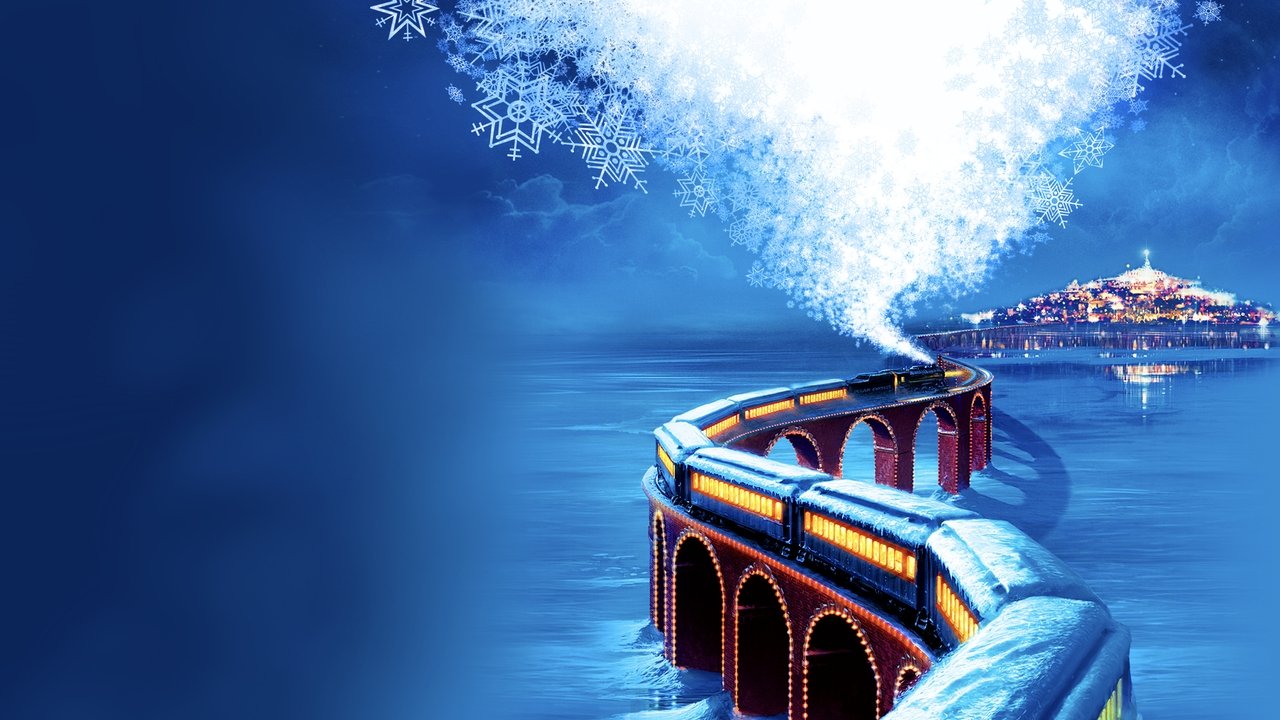
The Soul in the Motion Capture
By the early 2000s, Robert Zemeckis had clearly grown bored with the limitations of physical reality. He wanted to translate the soft, oil-painted textures of Chris Van Allsburg’s beloved children's book directly onto the screen, and he decided that "Performance Capture" was the only way to do it. This was the era of the CGI explosion, where we were moving past the plastic-toy look of the original Toy Story and trying to replicate human skin and movement.
Watching it today, the tech is a time capsule of 2004’s digital ambitions. Every hair on the Conductor’s mustache is rendered with obsessive detail, yet the mouths don't quite sync with the souls of the characters. Tom Hanks is the MVP here, pulling a literal "Swiss Army Knife" of performances by playing five distinct roles, including the Hero Boy, the Conductor, and Santa himself. While the technology was intended to capture the nuance of Hanks, there’s a persistent feeling that the characters are actually ghosts trying very hard to remember how to be human. It’s eerie, but that eeriness gives the film a dreamlike quality that traditional animation simply can't touch.
A Freight Train Through a Nightmare Landscape
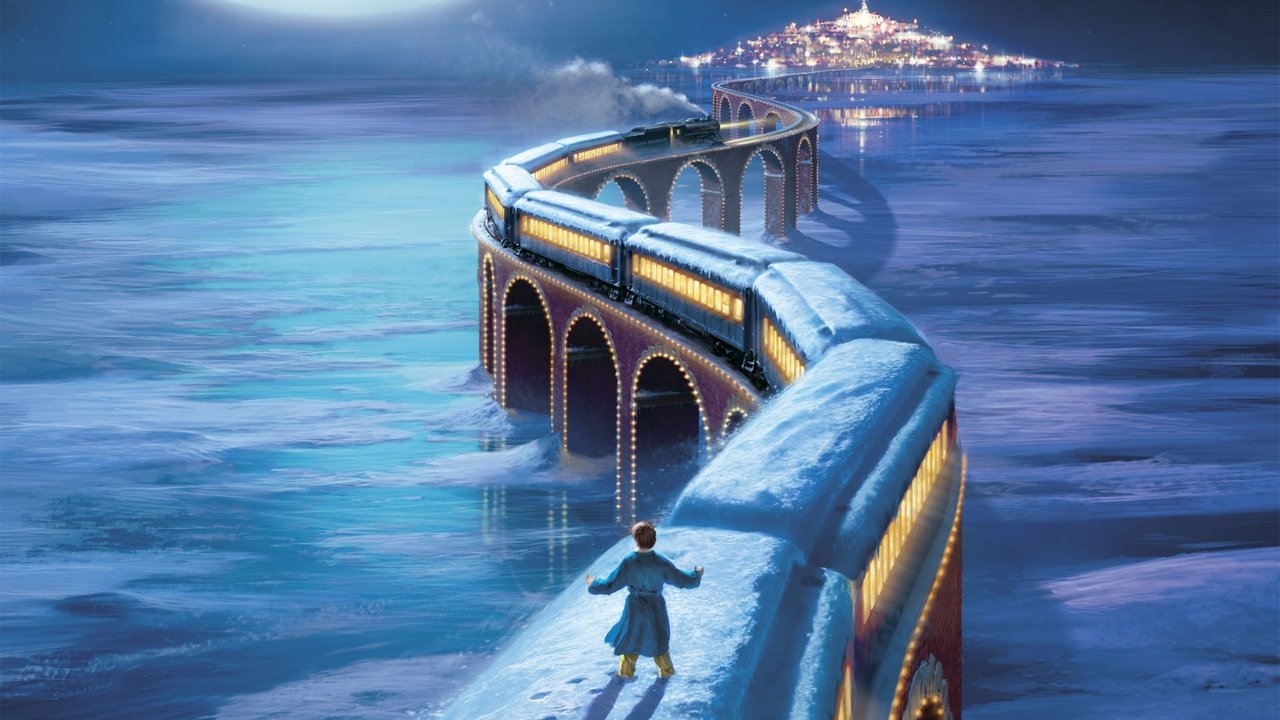
As an adventure film, The Polar Express is surprisingly stressful. This isn't a gentle ride through a snowy meadow; it’s a high-speed, 100-minute anxiety attack involving runaway train cars, frozen lakes that crack at the worst possible moment, and a literal "Car of Forsaken Toys" that feels like it was designed by a committee of therapists. I watched this most recently while eating a slightly stale ham sandwich in my pajamas, and the sequence where the train hurtles down "Glacier Gulch"—which is basically a 90-degree drop on ice—made me lose my appetite entirely.
The pacing is relentless. Zemeckis treats the journey like an amusement park ride, utilizing the "virtual camera" to fly through the engine’s gears and over the rooftops of the cars. It’s here where the adventure genre shines. There’s a genuine sense of peril. When the boy loses his ticket and it flies out into the wilderness, the movie spends a solid three minutes following the paper’s journey through the wind and a wolf pack. It serves no real narrative purpose other than to show off the digital world-building, but it creates a sense of scale that makes the North Pole feel like a destination worth the trauma.
The Hobo and the Fringe of the Holiday
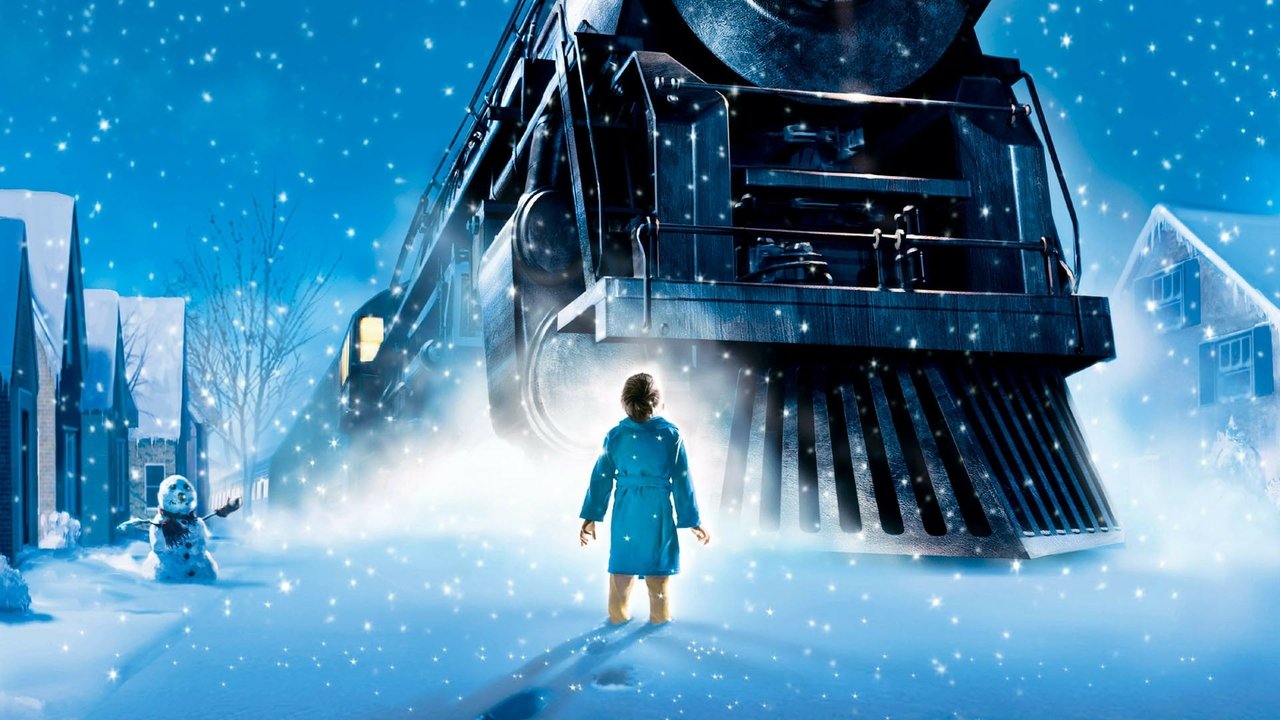
One of the reasons this film has achieved such a massive cult following—despite being a $165 million studio blockbuster—is its bizarre tone. It’s far darker and more philosophical than your average "believe in Santa" flick. Take the Hobo, voiced by Tom Hanks but modeled after the late Michael Jeter. He lives on top of the train, drinks "Joe" made of sock water, and openly mocks the boy’s skepticism. The Hobo is basically a ghost-philosopher on a caffeine bender, and he represents the film's willingness to acknowledge the doubt and loneliness that often haunt the edges of Christmas.
The trivia behind the scenes is just as wild as the movie itself. Because the motion capture suits required actors to be covered in reflective markers, Eddie Deezen (the voice of the Know-It-All kid) had to have his "performance" captured separately from the other kids because he was too tall. Michael Jeter, who played the twin engineers Smokey and Steamer, sadly passed away before the film was released; his frantic, elastic performance remains a tribute to his talent. And let’s not forget that the film was a bit of a commercial "slow burn." It opened to decent numbers but didn't become a juggernaut until the IMAX 3D re-releases and the DVD market turned it into a mandatory annual ritual.
Ultimately, The Polar Express works because it captures the feeling of a dream you had when you were seven—vivid, slightly terrifying, and filled with logic that only makes sense while you're asleep. It marks the exact moment when cinema tried to conquer the human face with code and stumbled into something much more interesting: a beautifully haunted holiday classic. It’s not perfect, but it’s brave, and in an era of safe, polished sequels, I’ll take a weird, unblinking train ride any day of the week.
Keep Exploring...
-
A Christmas Carol
2009
-
Beowulf
2007
-

The Emperor's New Groove
2000
-
The Road to El Dorado
2000
-
Treasure Planet
2002
-

Sinbad: Legend of the Seven Seas
2003
-
Epic
2013
-

Arthur and the Invisibles
2006
-
Anastasia
1997
-
Hercules
1997
-
Brave
2012
-
Rise of the Guardians
2012
-
The Book of Life
2014
-

Cast Away
2000
-

The Cat Returns
2002
-
Shrek 2
2004
-

The Ant Bully
2006
-
Shrek the Halls
2007
-
Shrek the Third
2007
-
Horton Hears a Who!
2008