The SpongeBob SquarePants Movie
"Big Adventure. Small Pants. Real Mustache."
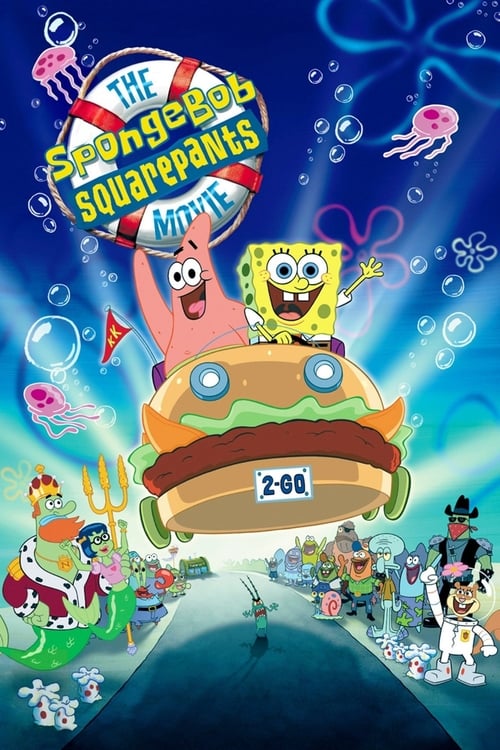
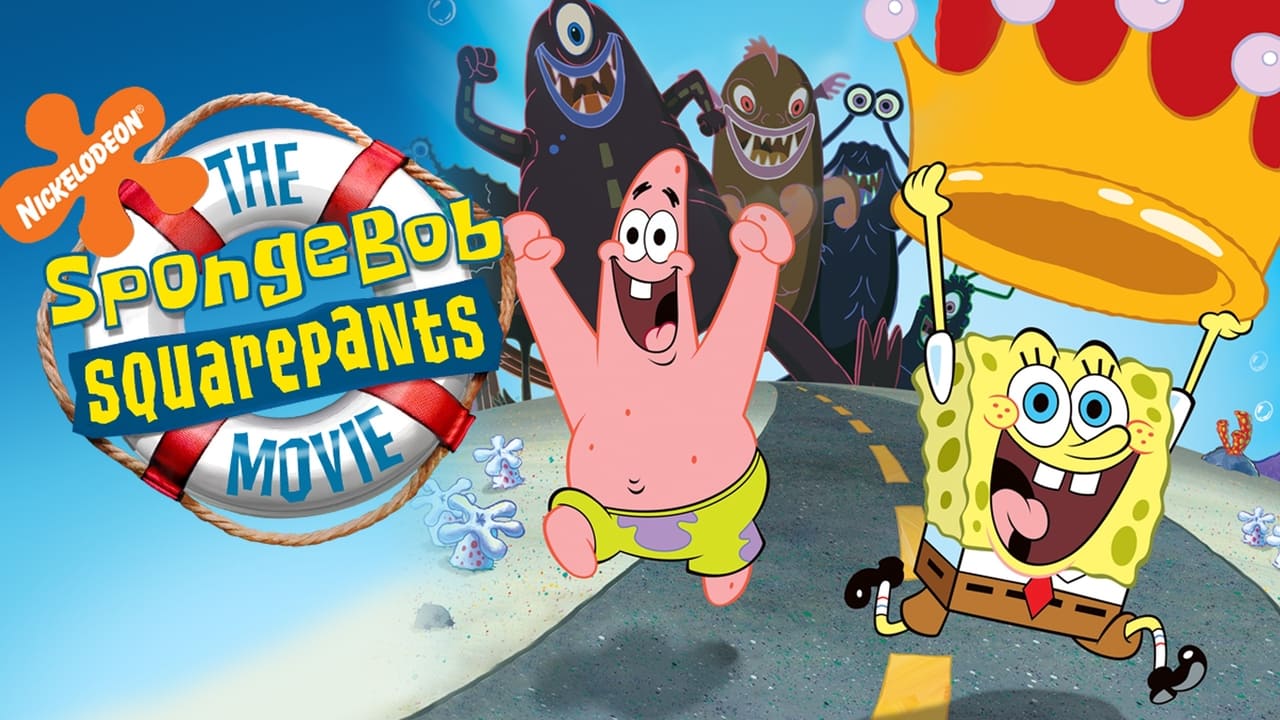
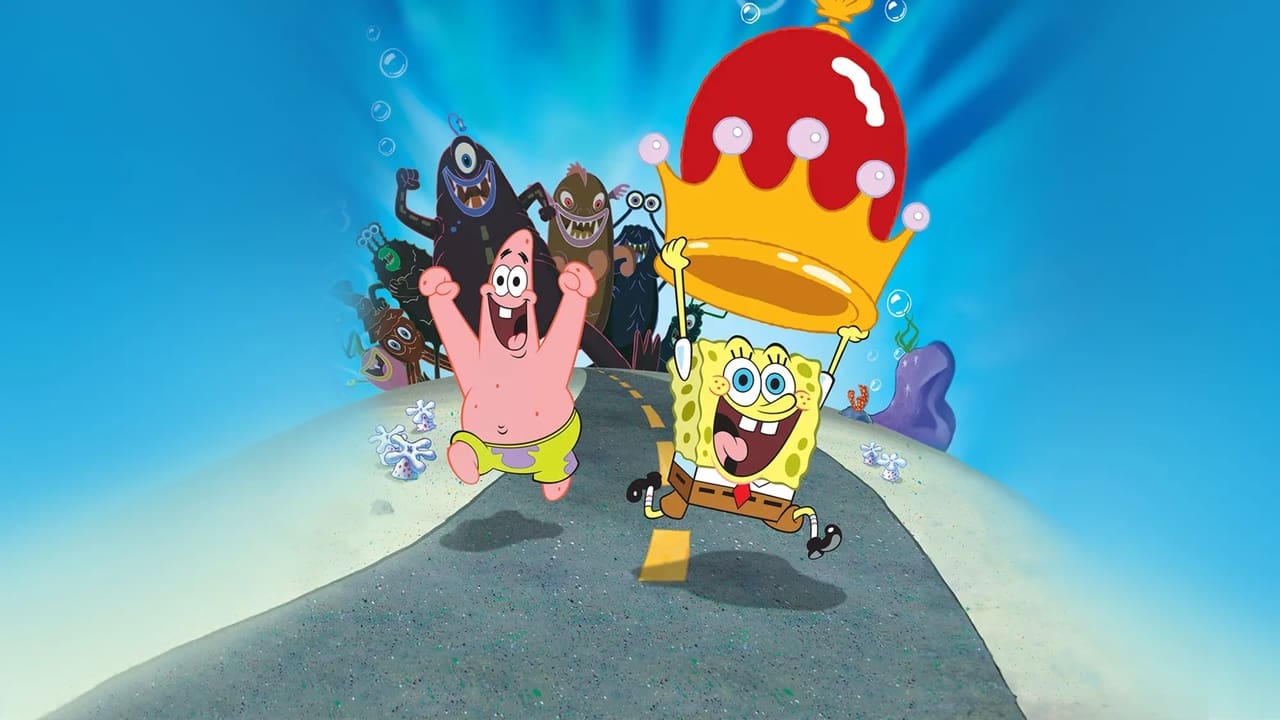
By 2004, the traditional hand-drawn animation landscape was essentially a graveyard of pixels. Disney had just shuttered its 2D department after Home on the Range, and the industry was sprinting toward the cold, hard embrace of CGI. Then came a porous yellow rectangle and his starfish companion, proving that a $30 million budget and a surrealist sensibility could outshine any high-tech render. The SpongeBob SquarePants Movie wasn't just a theatrical extension of a TV hit; it was a defiant, psychedelic victory lap for 2D animation that managed to be both a sincere hero’s journey and a bizarre piece of avant-garde comedy.
An Underwater Odyssey
The film treats its adventure with a surprising amount of gravitas, mirroring the structure of a classic Western or an epic Greek myth. When King Neptune’s crown goes missing and Clancy Brown’s Mr. Krabs is framed for the "theft," the stakes feel genuinely high for a world made of bubbles and pineapples. SpongeBob and Patrick’s trek to Shell City is a masterclass in world-building. We leave the familiar neon-lit safety of Bikini Bottom for the "trench," a literal abyss filled with monsters that look like they were pulled from the sketchbooks of Stephen Hillenburg, who brought his background as a marine biologist to the film's creative DNA.
The sense of progression is palpable. Every obstacle—from the Thug Tug to the terrifying Cyclops—feels earned. It’s an adventure that respects the audience enough to include moments of genuine peril. I revisited this on a flight where my tray table wouldn’t lock and the person behind me was humming the "Chicken Dance," and honestly, the physical instability perfectly matched the chaotic energy of the "Goofy Goober" finale. Looking back, the David Hasselhoff sequence is the peak of 2000s surrealism, a moment where the "digital vs. practical" debate of the era was settled by simply strapping two cartoon characters to the back of a live-action Baywatch star.
The Practicality of the Absurd
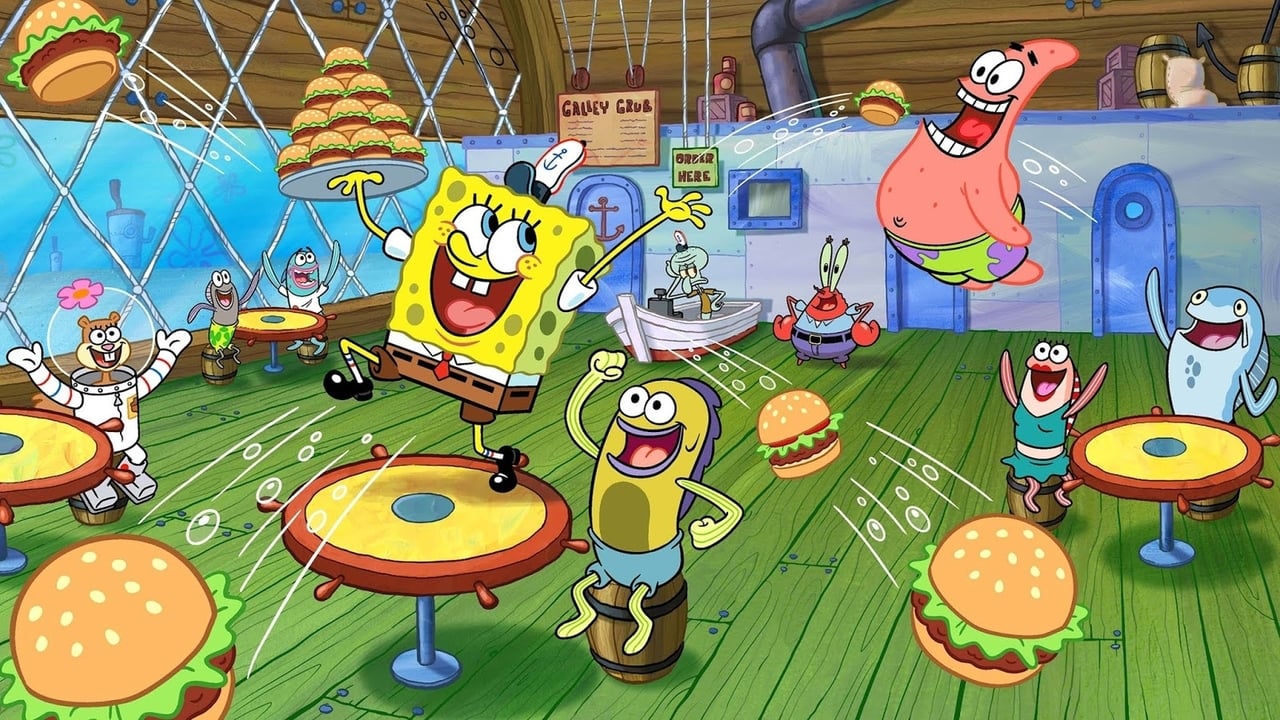
What strikes me now, twenty years later, is how well the animation holds up compared to its early-CGI contemporaries. While some 2004 digital effects now look like muddy soup, the hand-drawn vibrancy here is timeless. The film utilizes "cel" animation but pairs it with incredibly creative live-action inserts—like the terrifying "Cyclops" (a man in a deep-sea diving suit) and the infamous "Shelf City" sequence, which utilized actual dried sea creatures. This blend of textures gave the film a tactile, grungy feel that distinguished it from the polished, plastic look of the burgeoning 3D era.
The voice cast, led by the incomparable Tom Kenny, delivers performances that go beyond standard cartoon zaniness. Kenny brings a vulnerability to SpongeBob that anchors the "I’m a kid" theme, while Bill Fagerbakke as Patrick Star provides some of the most quotable dialogue of the decade. Let’s be honest: Plankton is the most relatable millennial villain in cinematic history, a tiny creature with a college degree and a computer wife who just wants a win. Mr. Lawrence voices him with a Shakespearean ego that makes his eventual industrial-fascist takeover of Bikini Bottom—rechristened "Planktopolis"—feel oddly prophetic of the corporate franchise dominance that would follow in real-world Hollywood.
A Blockbuster Built on Bubbles
Financially, this was a behemoth that proved Nickelodeon Movies was a force to be reckoned with. Off a relatively modest $30 million budget, it raked in over $141 million globally. But its success wasn't just in ticket sales; it was the birth of a genuine cultural phenomenon that transcended its target demographic. This was a "Watercooler Film" for the elementary school set that parents actually wanted to watch. The soundtrack alone—featuring the Flaming Lips, Wilco, and Ween—showed a level of curation that aimed for a hip, alternative vibe rather than just plugging the latest pop radio hits.
The production was famously meant to be the end of the series. Stephen Hillenburg originally envisioned this as the grand finale, which explains why the film feels so definitive. It has a "final boss" energy that the subsequent sequels and spin-offs have struggled to replicate. The trivia surrounding the production is equally legendary; for instance, the "Hasselhoff" used for the wide shots was a $100,000, 12-foot-long mannequin that reportedly terrified the actor himself. This was also one of the last major productions to rely heavily on the Derek Drymon and Hillenburg creative partnership before the show's tone shifted in later seasons, making it a "capsule" of the series’ golden age.
The SpongeBob SquarePants Movie is that rare blockbuster that manages to be completely ridiculous while maintaining a heart of pure gold. It captured a specific transition in cinema history, standing its ground with hand-drawn charm against a rising tide of digital uniformity. Whether you're here for the nostalgic "Goofy Goober" rock anthem or the genuinely impressive adventure pacing, it remains a high-water mark for TV-to-film adaptations. It doesn't just hold up; it practically glows with the kind of creative weirdness we rarely see in modern studio animation.
Keep Exploring...
-
The SpongeBob Movie: Sponge Out of Water
2015
-
The SpongeBob Movie: Sponge on the Run
2020
-
Shrek
2001
-
Shrek 2
2004
-
Horton Hears a Who!
2008
-

The Emperor's New Groove
2000
-

Puss in Boots
2011
-
How to Train Your Dragon 2
2014
-
The Lego Movie
2014
-
The Road to El Dorado
2000
-

Sinbad: Legend of the Seven Seas
2003
-
Shrek the Halls
2007
-
Shrek the Third
2007
-

Wallace & Gromit: The Curse of the Were-Rabbit
2005
-
DuckTales: The Movie - Treasure of the Lost Lamp
1990
-

The Swan Princess
1994
-

Ice Age
2002
-
Charlie and the Chocolate Factory
2005
-

Madagascar
2005
-
Cars
2006