The Village
"Fear is the oldest wall."
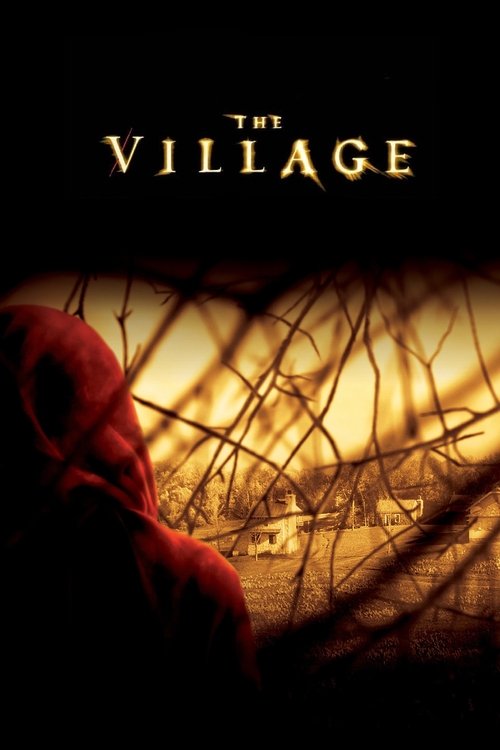
I distinctly remember sitting in a theater in 2004, clutching a tub of popcorn that was entirely too salty, and feeling a weird sense of betrayal as the credits rolled on The Village. I wasn't alone. At the time, M. Night Shyamalan was being crowned the next Spielberg, and the marketing for this film had us all primed for a creature feature—a terrifying showdown with "Those We Don't Speak Of." When the movie revealed itself to be something else entirely, the backlash was swift.
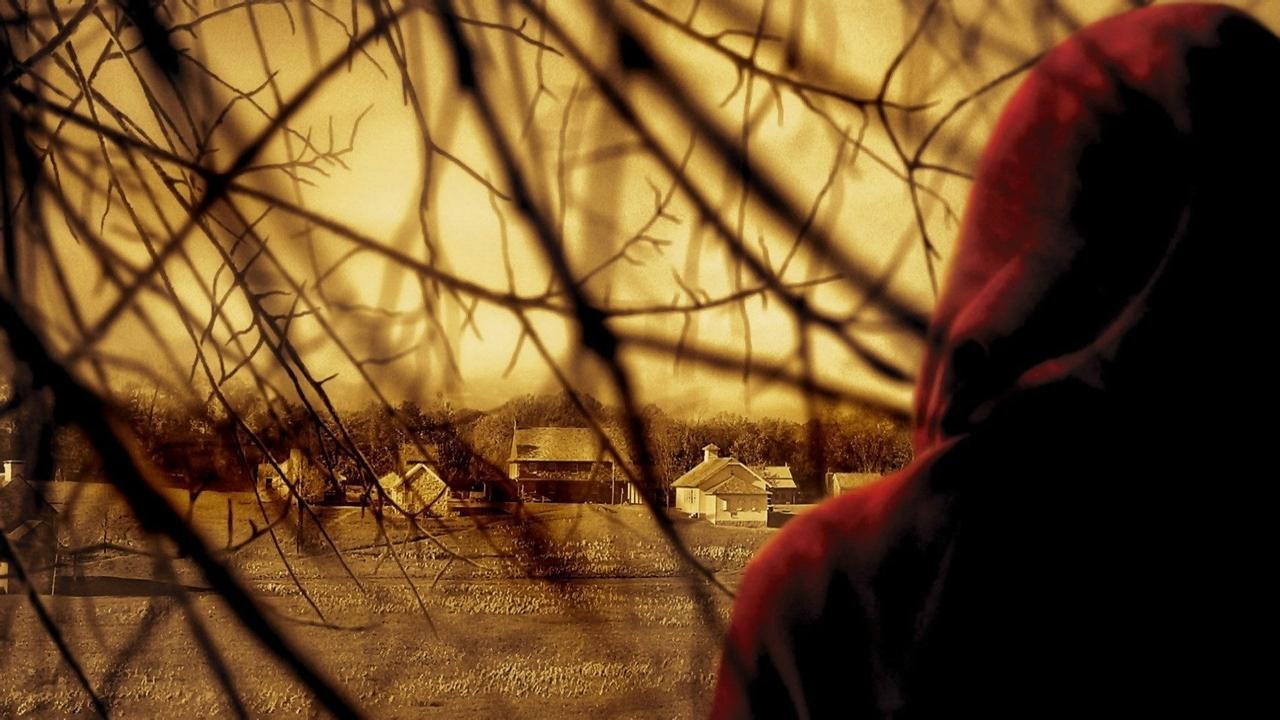
But looking back twenty years later, I’ve realized that The Village isn't a failed horror movie. It’s a beautifully shot, deeply mournful drama about the lengths people will go to protect themselves from grief. And honestly? It might be the most misunderstood blockbuster of the early 2000s.
A Masterclass in Atmosphere (and Red Berries)
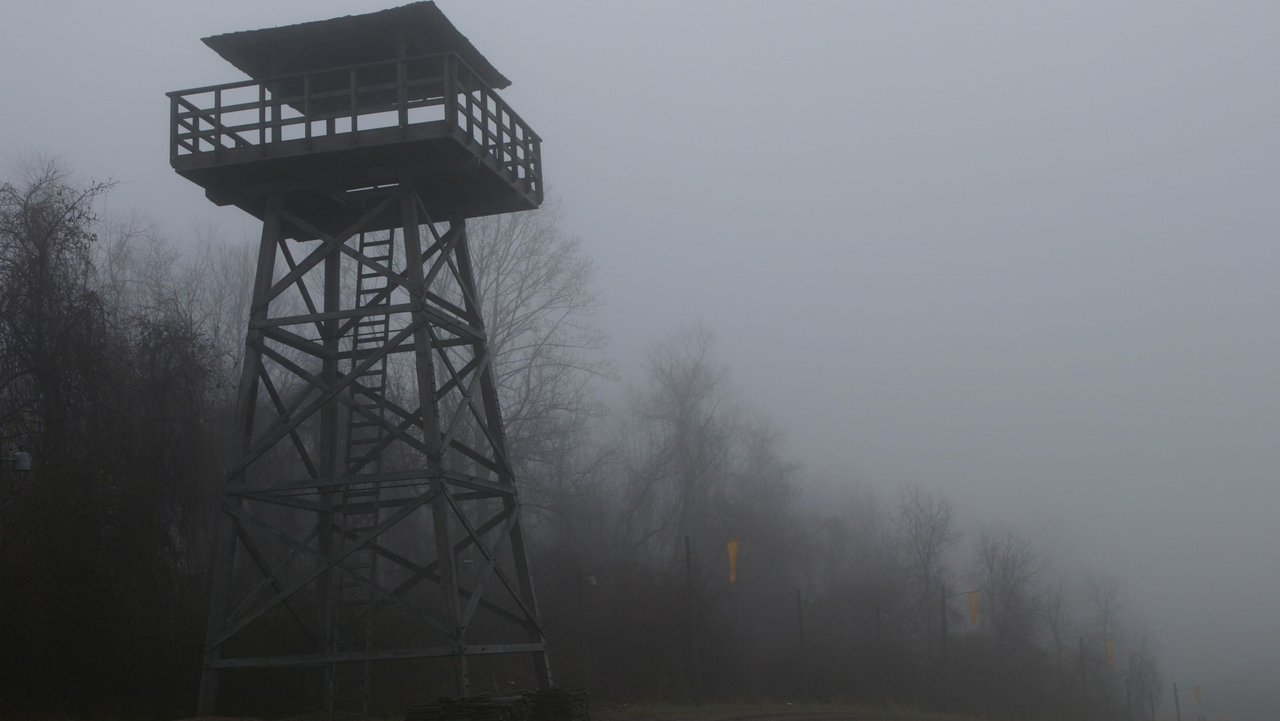
The setup is pure Gothic dread. In a small, 19th-century Pennsylvania valley, a community lives in total isolation. They don’t leave because the woods are inhabited by nameless, cloaked monsters who have a very specific aversion to the color red. It’s a simple, terrifying premise that allowed Roger Deakins (the cinematographer behind The Shawshank Redemption and No Country for Old Men) to paint some of the most striking images of that decade.
The way the camera lingers on a single red berry against a sea of grey and yellow is hypnotic. There’s a stillness here that you just don't see in modern thrillers. Shyamalan lets the scenes breathe, relying on the rustle of wind and James Newton Howard’s haunting, violin-heavy score to do the heavy lifting. I watched this again recently while my neighbor was loudly pressure-washing his driveway, and even that couldn't break the spell of the film's eerie, hushed tone.
The Breakout and the Stoic
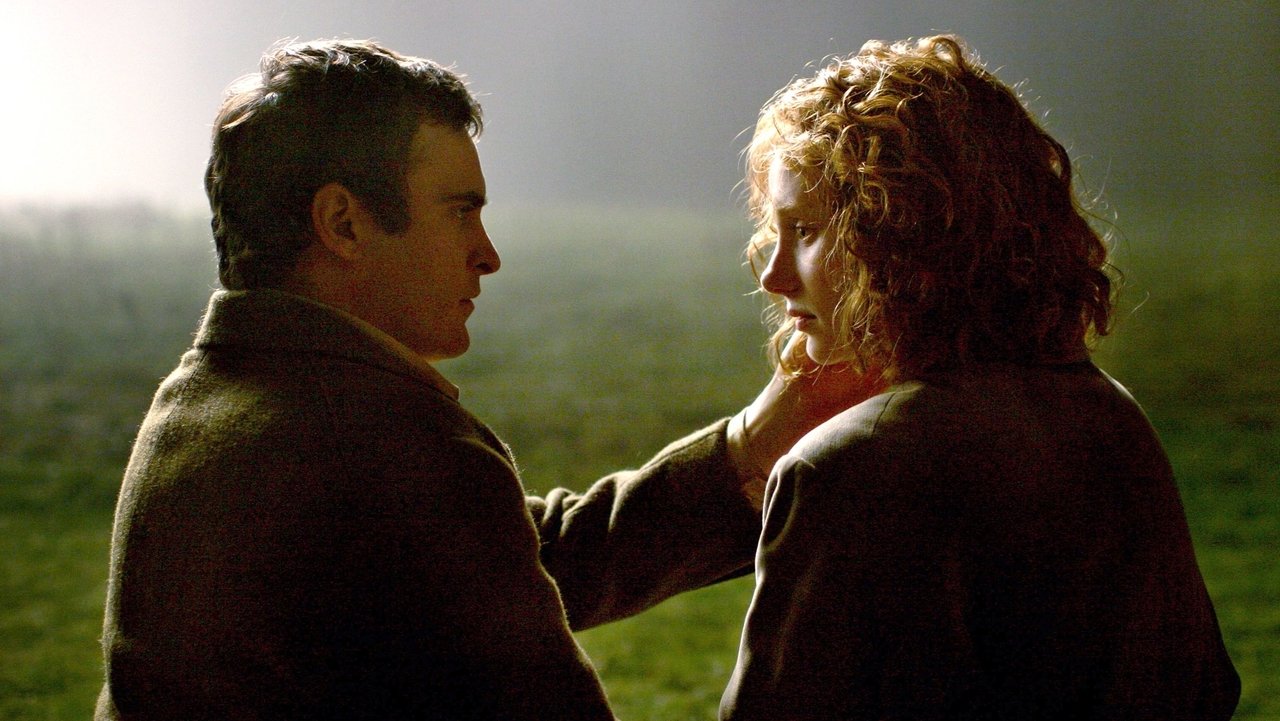
The heart of the film isn't the monsters; it's the relationship between Ivy Walker and Lucius Hunt. Bryce Dallas Howard, in her first major role, is an absolute revelation. She plays Ivy, the blind daughter of the village leader, with a fierce, capable energy that completely upends the "damsel in distress" trope. She’s the one who eventually has to navigate the forbidden woods, and her performance makes you feel every branch and every terrifying sound.
Opposite her is Joaquin Phoenix as Lucius. This was peak "quiet Joaquin," before he went full-method for Joker. He says more with a stoic nod than most actors do with a five-minute monologue. The chemistry between them is understated and sweet, making the stakes feel personal rather than just "don't get eaten by the monster." The supporting cast is a literal embarrassment of riches—William Hurt, Sigourney Weaver, Brendan Gleeson, and Adrien Brody—all putting in work that feels grounded in a way that makes the eventual "reveal" hit much harder.
The Twist That Divided a Generation
(Minor spoilers ahead, though the movie is two decades old!)
We have to talk about the twist. In 2004, audiences felt cheated because the monsters weren't "real" in the supernatural sense. But viewed through a post-9/11 lens, the twist is actually brilliant. It’s a story about a group of traumatized people who decided the modern world was too violent to handle, so they literally built a wall of lies to protect their children.
It’s a film about the ethics of "protection through deception." The elders—William Hurt especially—are essentially cult leaders who think they’re saints. The twist isn't a gimmick; it’s a tragic indictment of isolationism. In an era where we were all reeling from global shifts and newfound anxieties, The Village captured that "gated community" mentality perfectly.

The "Village" by the Numbers
Despite the polarizing reviews, The Village was a massive commercial juggernaut. It cost $60 million to produce and raked in over $256 million worldwide. To put that in perspective, it out-earned cult hits like Mean Girls and Napoleon Dynamite that same year. Here’s some of the "how they did it" magic:
The "19th Century" Boot Camp: To ensure the performances felt authentic, the cast lived in a 19th-century style camp for weeks. They chopped wood, plucked chickens, and learned period-appropriate crafts. Sigourney Weaver reportedly got quite good at it, which explains why she looks so comfortable in that period apron. The Marketing Smoke and Mirrors: The trailers were notoriously edited to look like a slasher film. This helped the $50 million opening weekend but arguably hurt the film’s long-term reputation as people walked out feeling hoodwinked. A Lawsuit in the Woods: The film was famously hit with a plagiarism claim by author Margaret Peterson Haddix, who noted similarities to her book Running Out of Time. While it never went to court, the "simultaneous invention" of the story added a layer of drama to the film's release. A "Deakins" Rarity: This remains the only collaboration between M. Night Shyamalan and Roger Deakins. The result is a film that looks significantly more expensive and "prestige" than the typical summer thriller.
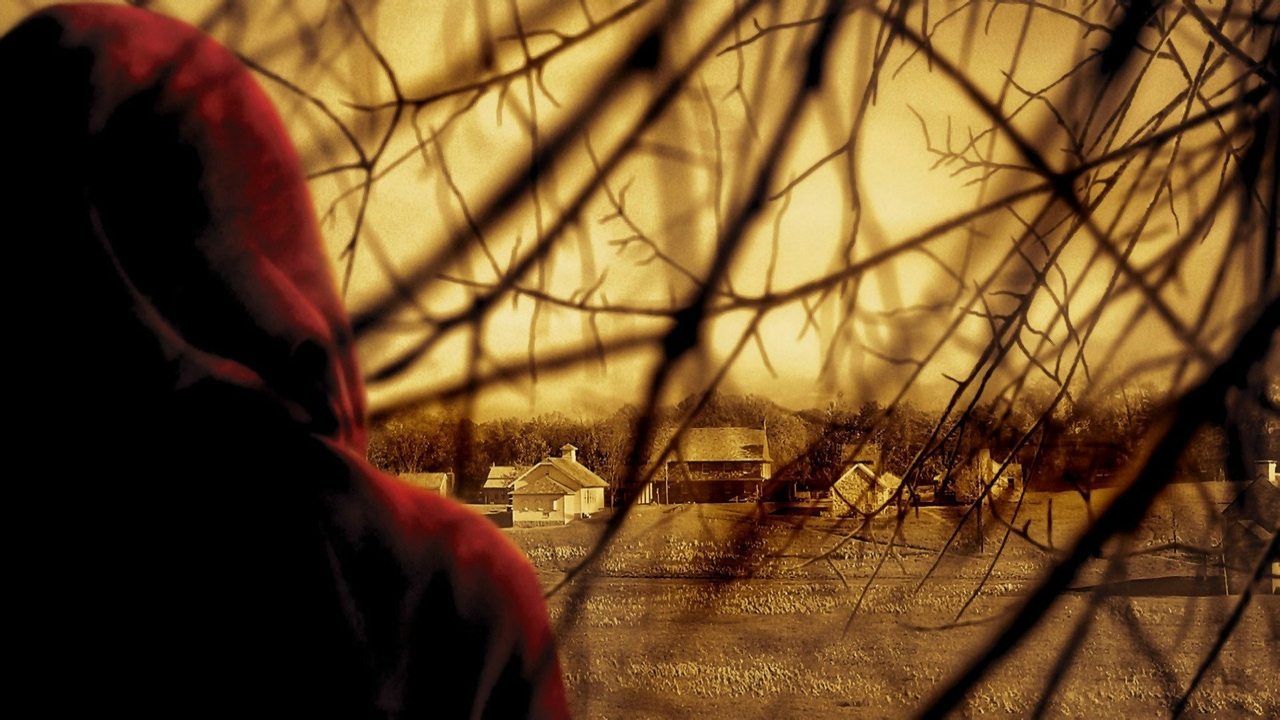
If you haven't seen The Village since 2004, I’m begging you to give it another shot. Strip away the expectations of a horror movie and watch it as a period drama about the fear of loss. It’s gorgeous, it’s acted with incredible sincerity, and its themes of manufactured fear are more relevant today than they were twenty years ago. It’s a moody, amber-colored trip into a valley that I’m finally glad I revisited.
Keep Exploring...
-
Signs
2002
-
Unbreakable
2000
-
Lady in the Water
2006
-
The Sixth Sense
1999
-
Flightplan
2005
-
The Bourne Ultimatum
2007
-
Disturbia
2007
-
Vantage Point
2008
-
After.Life
2009
-
Glass
2019
-
Ghost
1990
-
In the Line of Fire
1993
-

The Firm
1993
-
The Net
1995
-
Double Jeopardy
1999
-
The Bone Collector
1999
-
The 6th Day
2000
-
What Lies Beneath
2000
-
Basic
2003
-

The Manchurian Candidate
2004