Troy
"Immortal fame is written in blood and bronze."
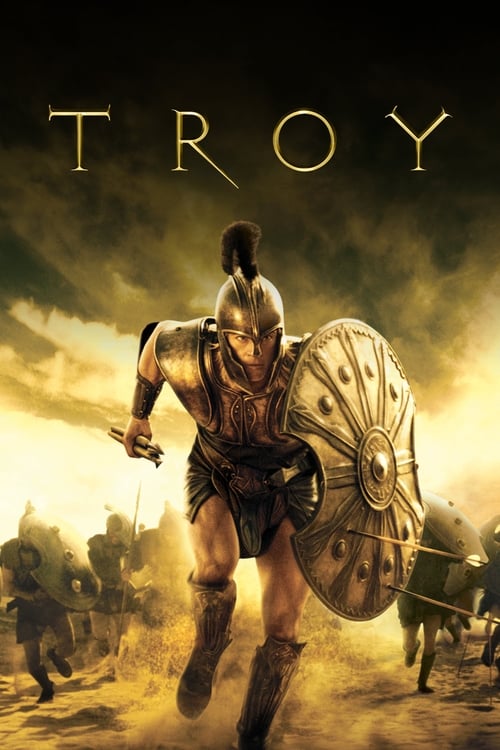
The first time I saw the duel between Achilles and Hector, I was sitting on a sagging beanbag chair in my college dorm, eating a bag of slightly burnt popcorn that smelled like regret. Even through the hazy resolution of a mid-2000s CRT television, that sequence stopped my breathing. There is no magic in this fight—no lightning bolts from Zeus or interference from Aphrodite. It is just two men, the rhythmic thud-clash of bronze on leather, and the terrifying realization that one of them isn’t going home.

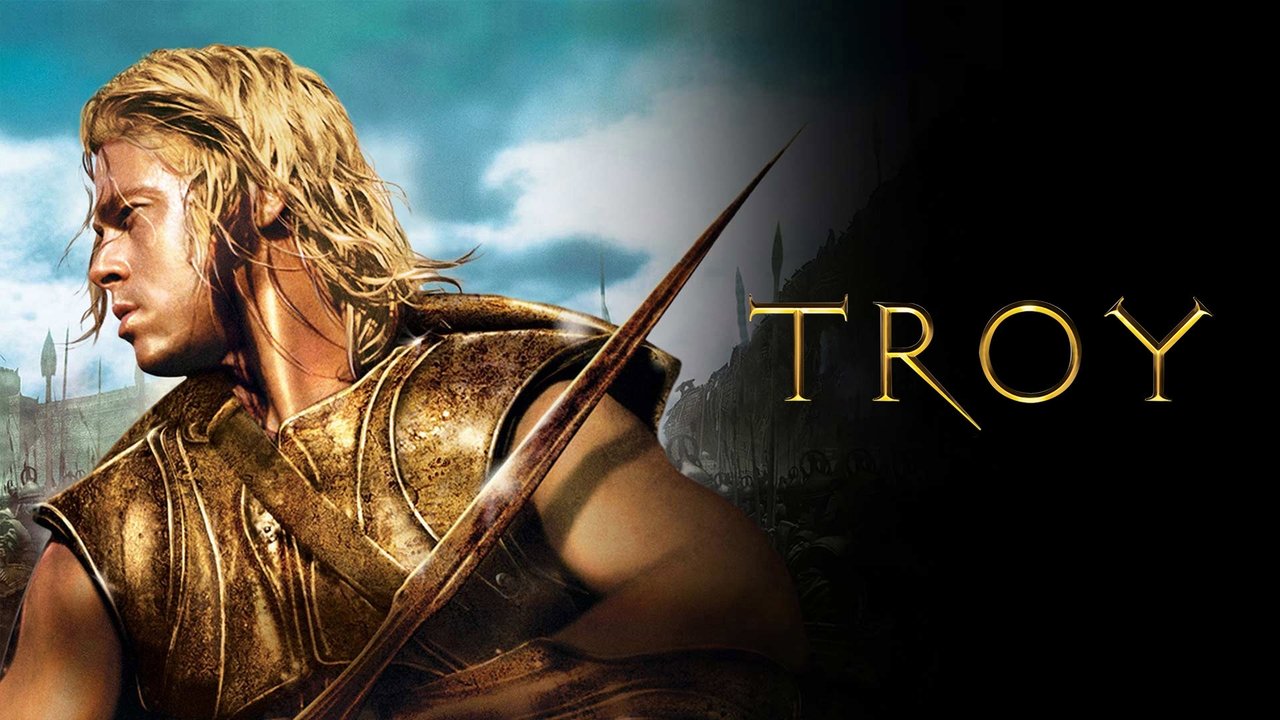
Wolfgang Petersen's Troy arrived in 2004 at the tail end of the post-Gladiator sword-and-sandal boom. At the time, critics were lukewarm, dismissing it as a hollowed-out version of Homer’s Iliad that traded poetic depth for Brad Pitt’s golden-tanned obliques. But looking back twenty years later, Troy has aged with a surprising, heavy dignity. By stripping away the literal presence of the Greek gods, Wolfgang Petersen and screenwriter David Benioff (long before he headed to Westeros for Game of Thrones) created a war movie that feels less like a myth and more like a tragedy about the absolute pointlessness of human ego.
The Weight of Bronze and Bone
The action in Troy is characterized by a specific type of early-2000s physicality. We were in that sweet spot where CGI was powerful enough to render 50,000 Greeks on a beach, but the actual stunt work still required men to hit the dirt hard. The choreography is grounded and punishing. Unlike the floaty, wire-work-heavy epics that would follow, the fighters in Troy have weight. When Eric Bana’s Hector swings a sword, you feel the exhaustion in his shoulders.
The centerpiece is, without question, the showdown outside the gates of Troy. I’ve always maintained that this fight is the blueprint for how to film a high-stakes duel. There is no music—just the ambient wind and the sound of weapons. It’s a masterclass in character through combat: Brad Pitt’s Achilles moves like a predatory cat, arrogant and efficient, while Eric Bana fights with the desperate, jagged energy of a man who knows he’s outmatched but has everything to lose. Apparently, the two actors made a gentleman’s agreement to pay each other for every accidental hit they landed during filming: $50 for a light tap, $100 for a hard blow. Pitt ended up paying Bana $750, while Bana owed Pitt nothing. That tells you everything you need to know about the precision required for those roles.
A Masterclass in Villainy and Victimhood
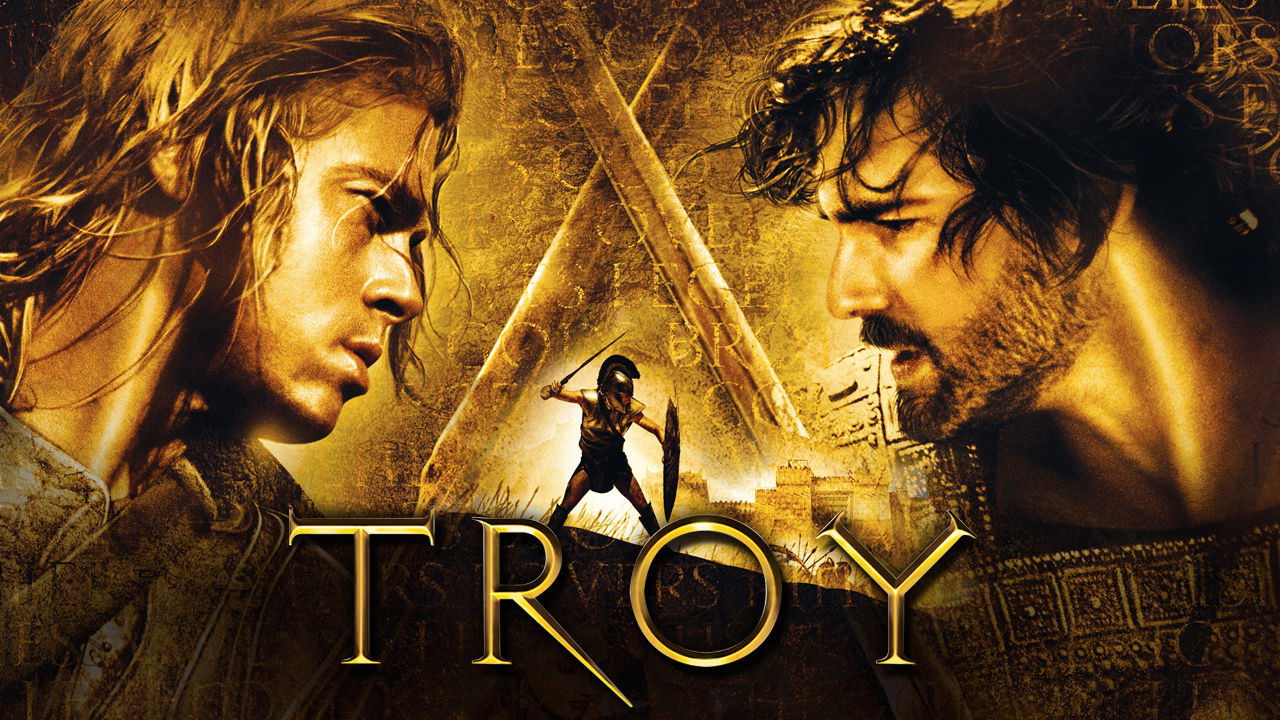
While Pitt is the face of the film, the supporting cast provides the marrow. Brian Cox as King Agamemnon is a revelation of pure, oily greed. He isn't fighting for Helen; he’s fighting for the map. Watching him chew the scenery while Brendan Gleeson’s Menelaus blusters with wounded pride makes the "cause" of the war feel appropriately pathetic. On the other side, Orlando Bloom's Paris is the most punchable character in the history of the Bronze Age. Bloom plays the cowardice with such sincerity that you almost feel bad for how much you want to see him lose.
Then there is Sean Bean as Odysseus. In a film filled with screaming warriors, his quiet, weary intelligence is the anchor. It’s a bit of a meta-joke for fans of the actor that Odysseus is one of the few characters who actually survives the movie, considering Sean Bean’s legendary track record for on-screen expiration. His performance hints at the "Post-9/11" anxiety that permeated the era; he is the soldier who sees the lies of his leaders but executes the mission anyway because he just wants to go home.
The Legacy of the Director’s Cut
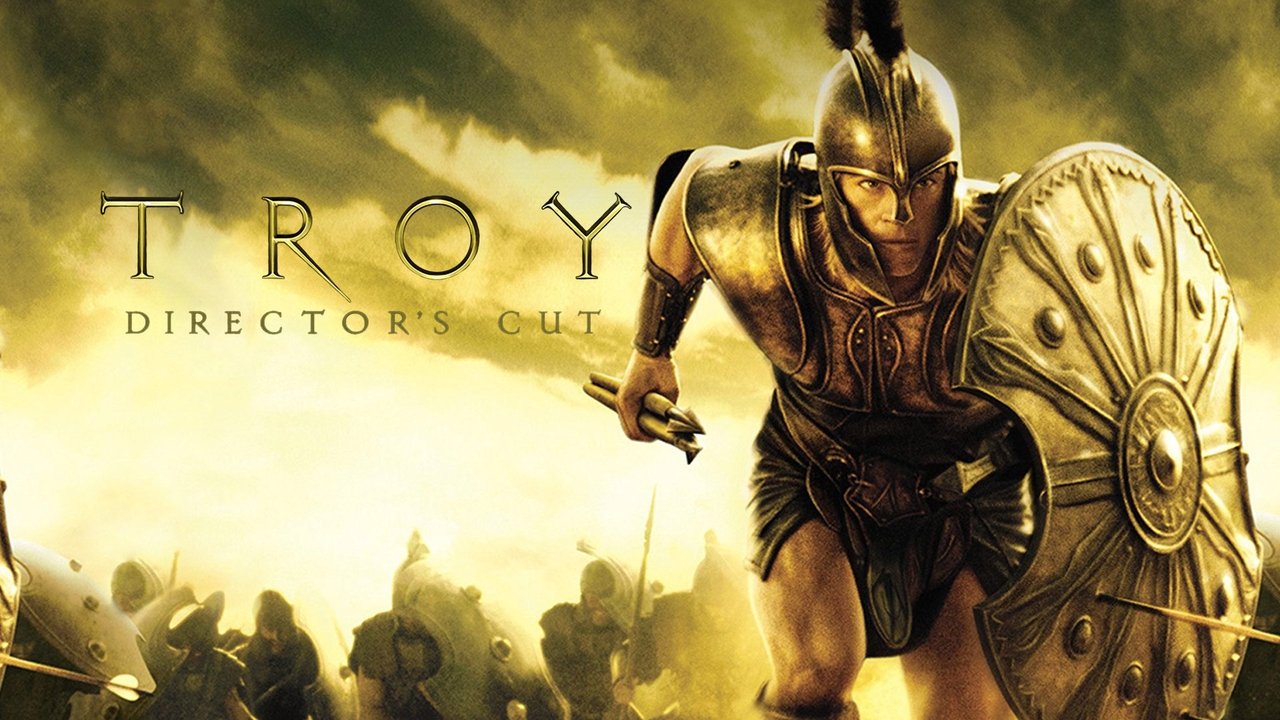
If you’ve only seen the theatrical version, you’ve only seen half the movie. The Troy Director’s Cut is a vastly different beast—darker, gorier, and far more cynical. It restores the brutality of the sack of Troy, making the Greeks look less like heroes and more like war criminals. This version solidified the film’s cult status among history buffs and action aficionados who felt the original cut was too sanitized for a PG-13 audience.
Interestingly, the production was plagued by the kind of "divine" bad luck the script tried to ignore. A massive hurricane wrecked the sets in Cabo San Lucas, and in a stroke of cosmic irony that would make Homer laugh, Brad Pitt actually tore his Achilles tendon during the production. It’s that kind of behind-the-scenes chaos that often polishes a film into something more memorable than a studio-mandated hit. Troy isn't a perfect adaptation of the source material, but as a meditation on how men throw their lives away for the sake of being remembered, it’s a cinematic steroid injection that still carries a massive punch.
Ultimately, Troy succeeds because it understands the cost of its spectacle. It captures that specific transition in cinema history where digital armies were becoming the norm, yet the impact of a single spear-thrust still felt real. It’s a loud, sprawling, often messy epic that rewards you for paying attention to the quiet moments of grief hidden behind the golden armor. Whether you're here for the technical brilliance of the stunts or the Shakespearean tragedy of it all, it remains a pillar of 2000s blockbuster filmmaking.
Keep Exploring...
-
Black Hawk Down
2001
-
Kingdom of Heaven
2005
-
The Patriot
2000
-
We Were Soldiers
2002
-
The Last of the Mohicans
1992
-

Braveheart
1995
-
King Arthur
2004
-
Red Cliff
2008
-
Enemy at the Gates
2001
-
Munich
2005
-

The Perfect Storm
2000
-
Letters from Iwo Jima
2006
-

Fury
2014
-
The Thin Red Line
1998
-
Das Boot
1981
-

Legends of the Fall
1994
-
Pearl Harbor
2001
-
Hotel Rwanda
2004
-

Brothers
2009
-
Rurouni Kenshin Part I: Origins
2012