Van Helsing
"Justice has a new monster."
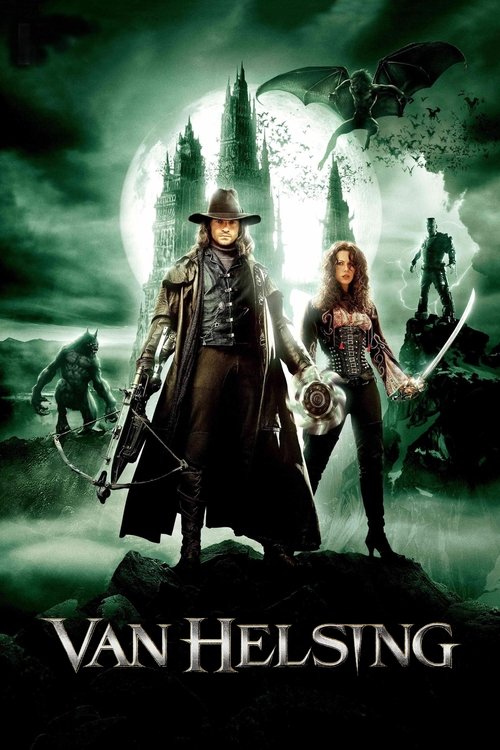
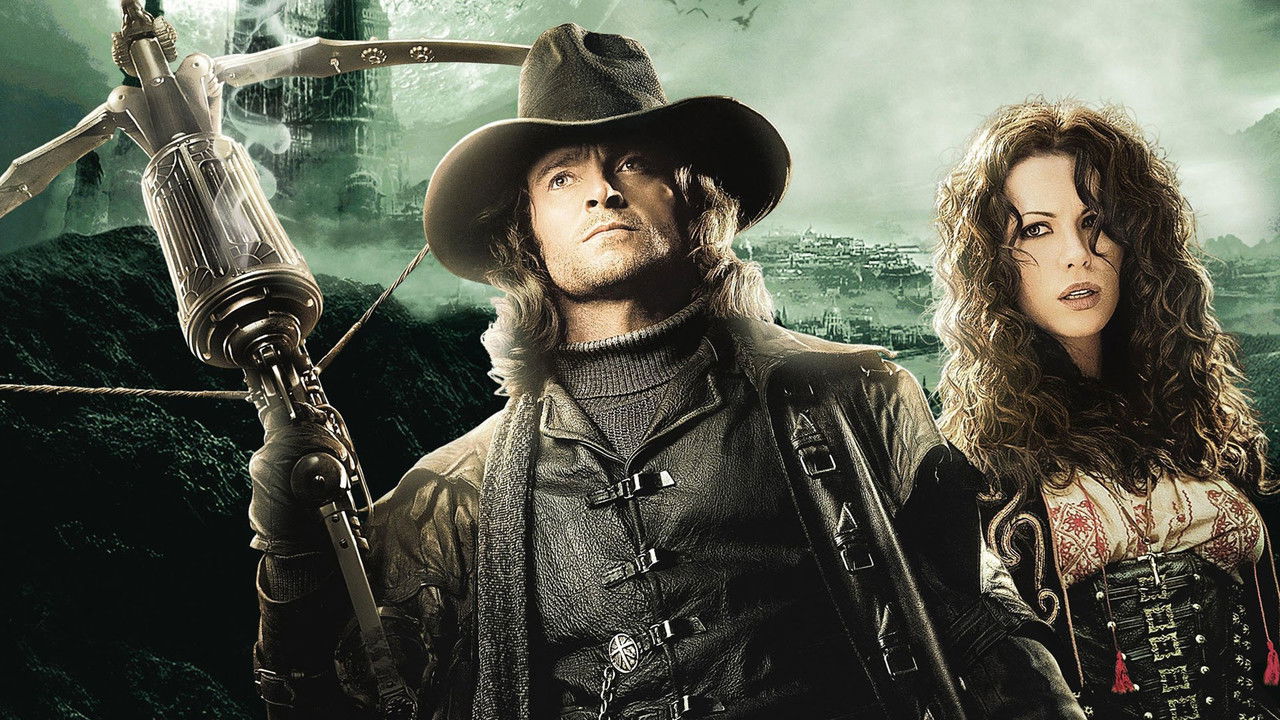
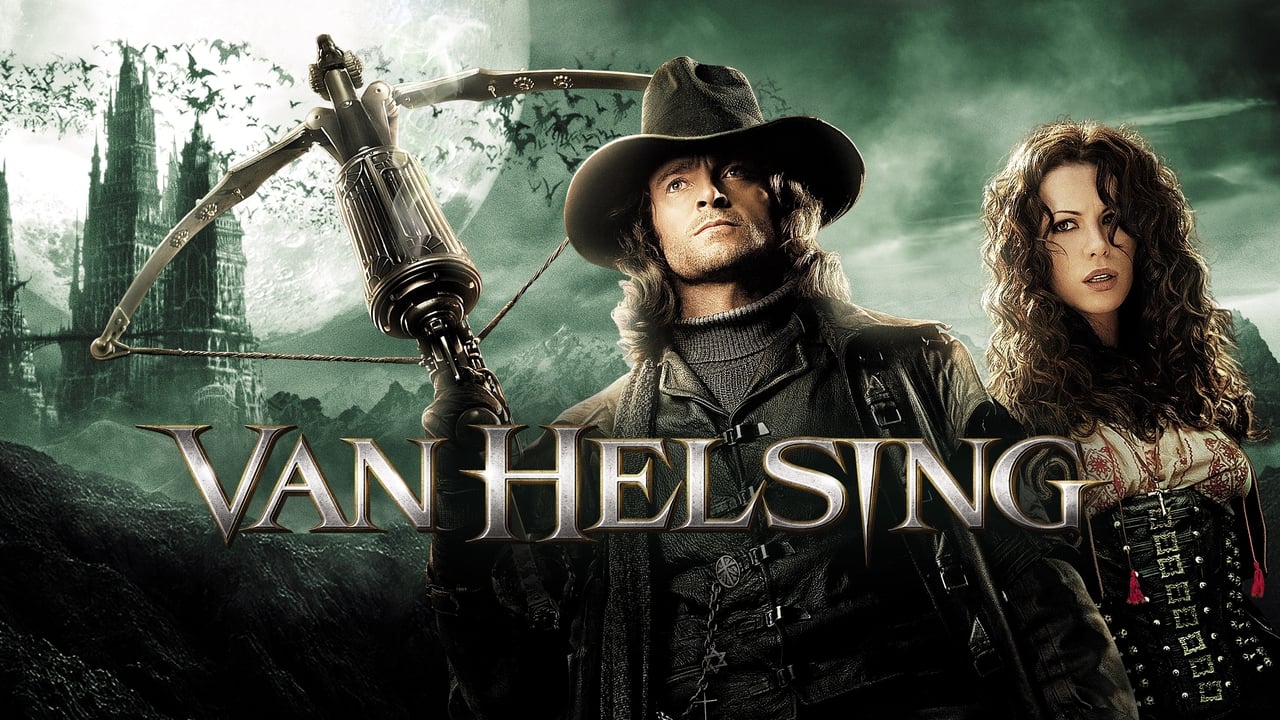
Gabriel Van Helsing doesn’t just walk into a room; he enters via a grappling hook, swinging through a stained-glass window while wearing a leather duster that defies the laws of aerodynamics. It is the quintessential 2004 entrance. At the time, Stephen Sommers was the undisputed king of the "everything and the kitchen sink" blockbuster, fresh off the success of The Mummy (1999) and its sequel. With Van Helsing, he didn’t just want to make a monster movie; he wanted to make every monster movie at the exact same time. It’s a loud, messy, and unashamedly digital fever dream that serves as a fascinating time capsule for the era when CGI transitioned from a tool into a total environment.
I watched this again recently while nursing a lukewarm cup of peppermint tea that had a single, lonely hair floating in it—don’t ask, I have a golden retriever—and I was struck by how much more "fun" this brand of chaos is compared to the modern, ultra-serialized franchise machine. There’s no homework required here. You just show up for the hats and the hollow-point silver bullets.
The Universal Monster Mash-Up
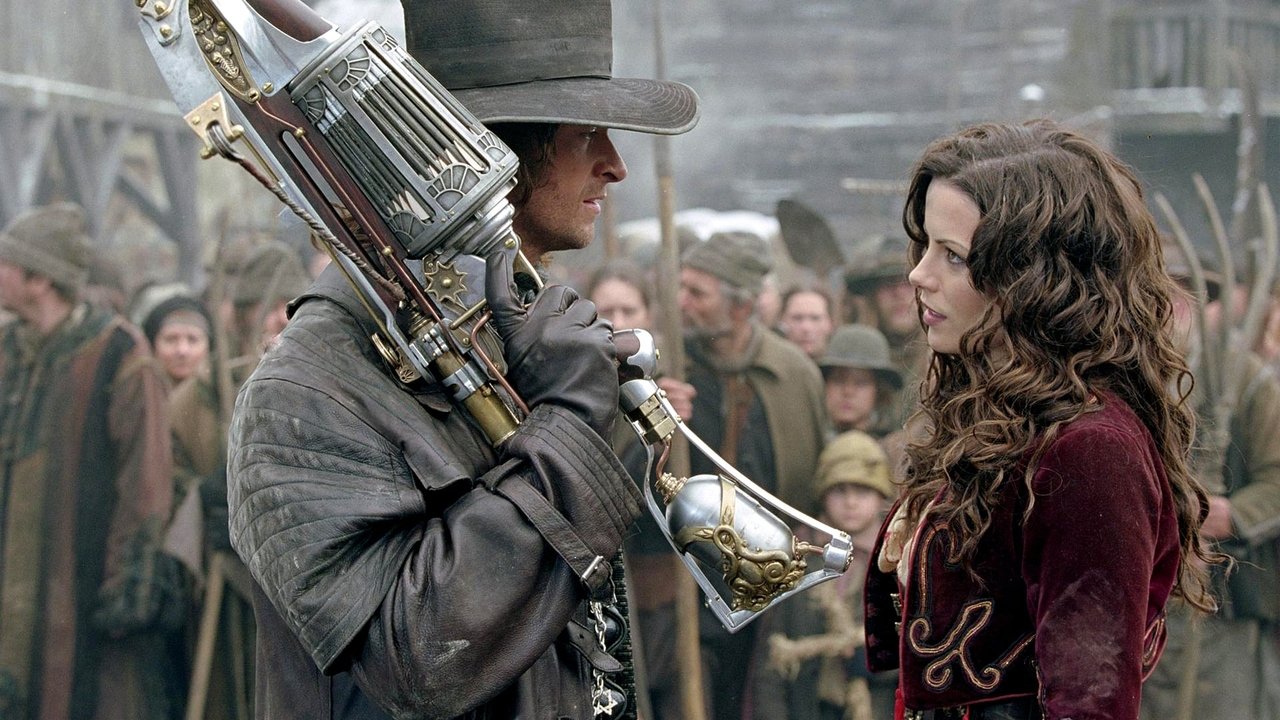
The plot is essentially a Gothic greatest-hits album. Hugh Jackman, smack-dab in the middle of his X-Men (2000) ascent, plays Gabriel Van Helsing, a holy hitman for a secret Vatican society. He’s sent to Transylvania to help Kate Beckinsale’s Anna Valerious, a princess whose family has been trying to kill Count Dracula for nine generations. Along for the ride is David Wenham as Carl, a friar who functions as the "Q" to Van Helsing’s James Bond, providing him with steam-punk gadgets like a rapid-fire crossbow.
Richard Roxburgh (whom I loved in Moulin Rouge!) plays Dracula not as a brooding aristocrat, but as a flamboyant, scenery-chewing diva. Roxburgh plays Dracula like a theater kid who’s had three espressos and a hit of smelling salts, and honestly, it’s the only way to survive a movie this loud. He’s joined by three brides who spend most of the movie screeching and turning into CGI harpies. It’s a lot. In fact, it’s too much. But in an era where movies often feel manufactured by a committee to be "grounded," there is something deeply refreshing about a film where Dracula’s master plan involves using Frankenstein’s Monster as a giant battery to jump-start thousands of bat-babies.
The Digital Frontier of 2004
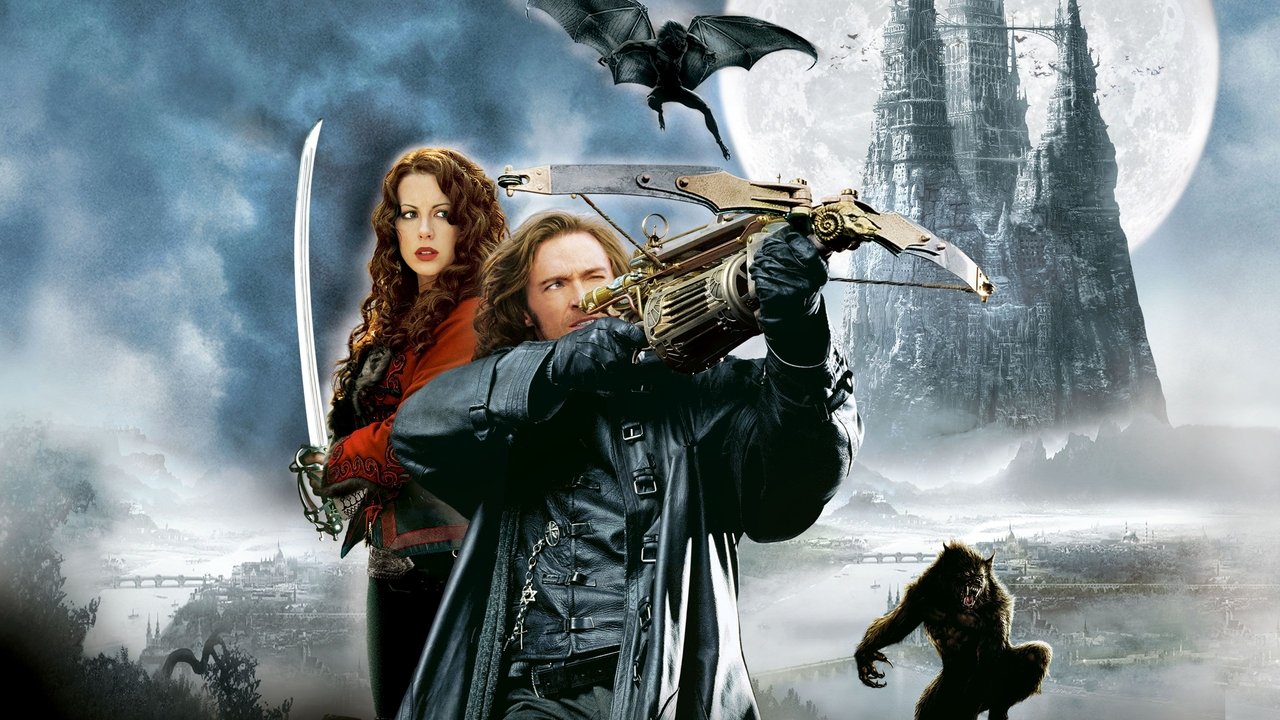
Looking back, Van Helsing arrived at a pivot point in cinema history. We were moving away from the tactile, mud-and-blood practical effects of the 80s and 90s and diving headfirst into the digital abyss. The CGI in this film is a wild rollercoaster. Some of it, like the werewolf transformations, actually holds up surprisingly well because Stephen Sommers understood the power of a silhouette. The way the skin rips off the human to reveal the beast underneath was legitimately gnarly for a PG-13 film.
However, other elements—like the CGI Mr. Hyde, who looks like a sentient potato with a glandular problem—reveal the limitations of the time. The backgrounds often feel like matte paintings that haven't quite finished rendering. Yet, there’s an ambition here that I find charming. This was the peak of the "DVD Special Features" era, and I recall the behind-the-scenes segments showing how Industrial Light & Magic pushed their processors to the limit to create the crumbling Gothic vistas. It was a bridge between the analog past and the Avatar (2009) future.
Why It Became a Cult Curiosity
When Van Helsing premiered, critics sharpened their stakes. It was called overblown and nonsensical. But the "Popcornizer" philosophy is about finding the joy in the oddities, and this film has grown into a formidable cult favorite. Why? Because it’s earnest. It’s not "meta," it doesn’t wink at the camera, and it takes its ridiculous lore completely seriously.
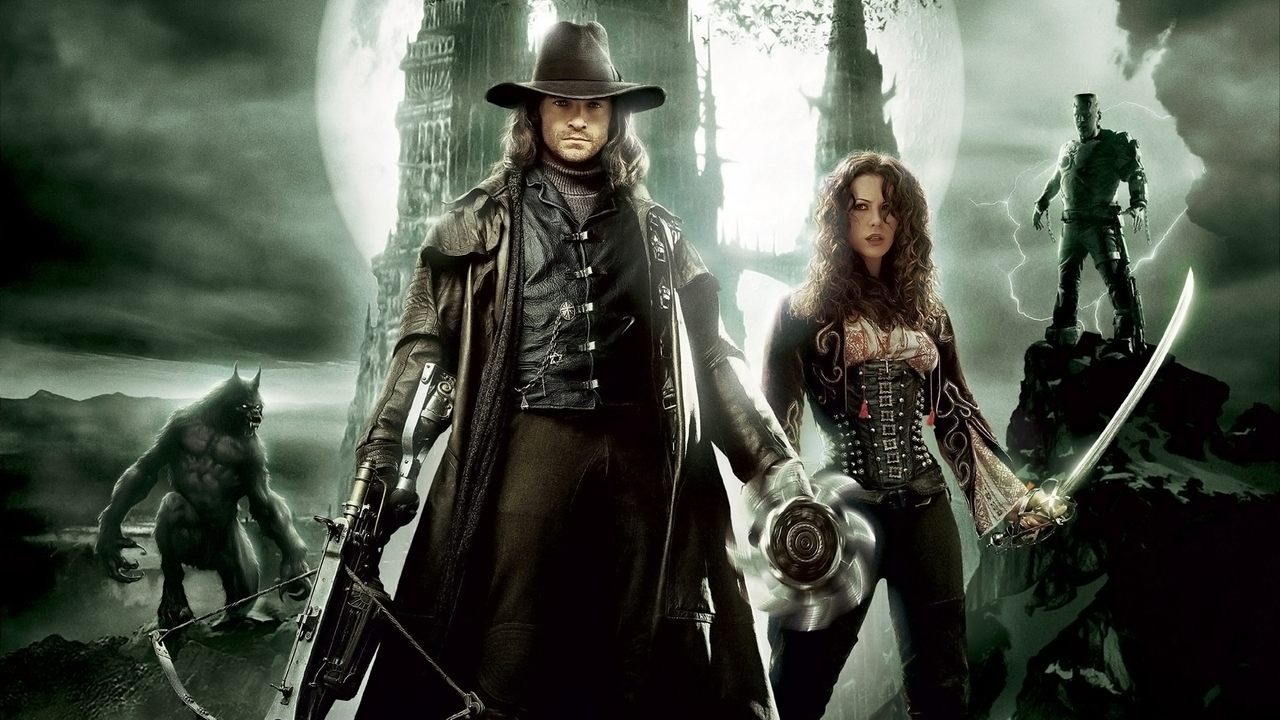
The production design is genuinely top-tier. The masquerade ball in Budapest is a visual feast, and Alan Silvestri’s score is one of the most bombastic, heroic themes of the 2000s. It’s the kind of music that makes you want to jump off a bridge and trust that a CGI wire will catch you.
Cool Details You Might Have Missed:
Hugh Jackman had to wear hair extensions for the role because his hair was still short from filming X-Men 2. The character was renamed "Gabriel" instead of the literary "Abraham" Van Helsing because the studio wanted him to feel like a younger, more active hero—and hinted at him being the Archangel Gabriel. The opening black-and-white sequence is a direct, loving homage to the original 1930s Frankenstein and Dracula films. Universal originally planned a spin-off TV series called Transylvania, using the film's massive sets in Prague, but the show was scrapped when the movie's domestic box office underperformed. * Shuler Hensley, who plays Frankenstein's Monster, also performed the motion capture for Mr. Hyde.
Van Helsing is a glorious mess of an adventure that captures the transition from practical horror to digital spectacle. It lacks the tight scripting of The Mummy, but it compensates with pure, unadulterated energy and a wardrobe that consists entirely of buckles and leather. It’s the kind of movie that reminds me why I love the "guilty pleasure" bin—it’s not trying to win an Oscar; it’s just trying to see how many monsters it can fit into a two-hour window. If you can stomach some dated CGI and a few questionable accents, it’s a Gothic riot worth revisiting.
Keep Exploring...
-
The Mummy Returns
2001
-

G.I. Joe: The Rise of Cobra
2009
-
The Mummy
1999
-
AVP: Alien vs. Predator
2004
-

X-Men: The Last Stand
2006
-

X-Men Origins: Wolverine
2009
-
The Scorpion King
2002
-

X-Men
2000
-
The Covenant
2006
-
Charlie's Angels
2000
-
Shanghai Noon
2000
-

The Perfect Storm
2000
-
A Knight's Tale
2001
-
Lara Croft: Tomb Raider
2001
-

Blade II
2002
-
The Time Machine
2002
-
Hulk
2003
-

Lara Croft: Tomb Raider - The Cradle of Life
2003
-

Sinbad: Legend of the Seven Seas
2003
-
The Matrix Revolutions
2003