Walking Tall
"Big stick. Bigger charisma."
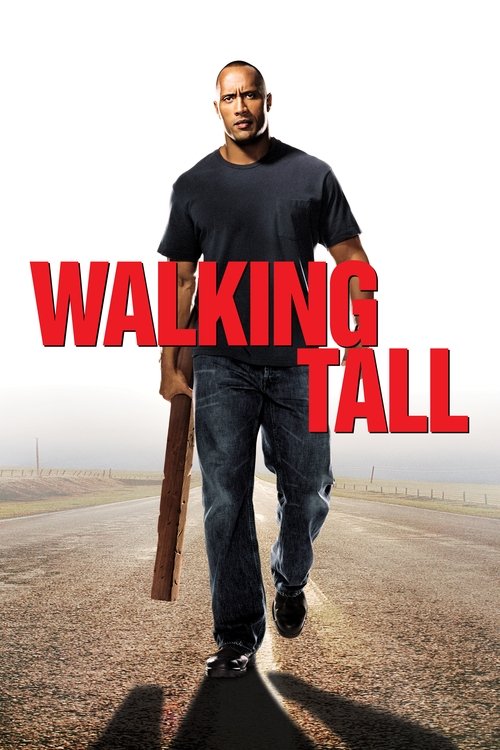
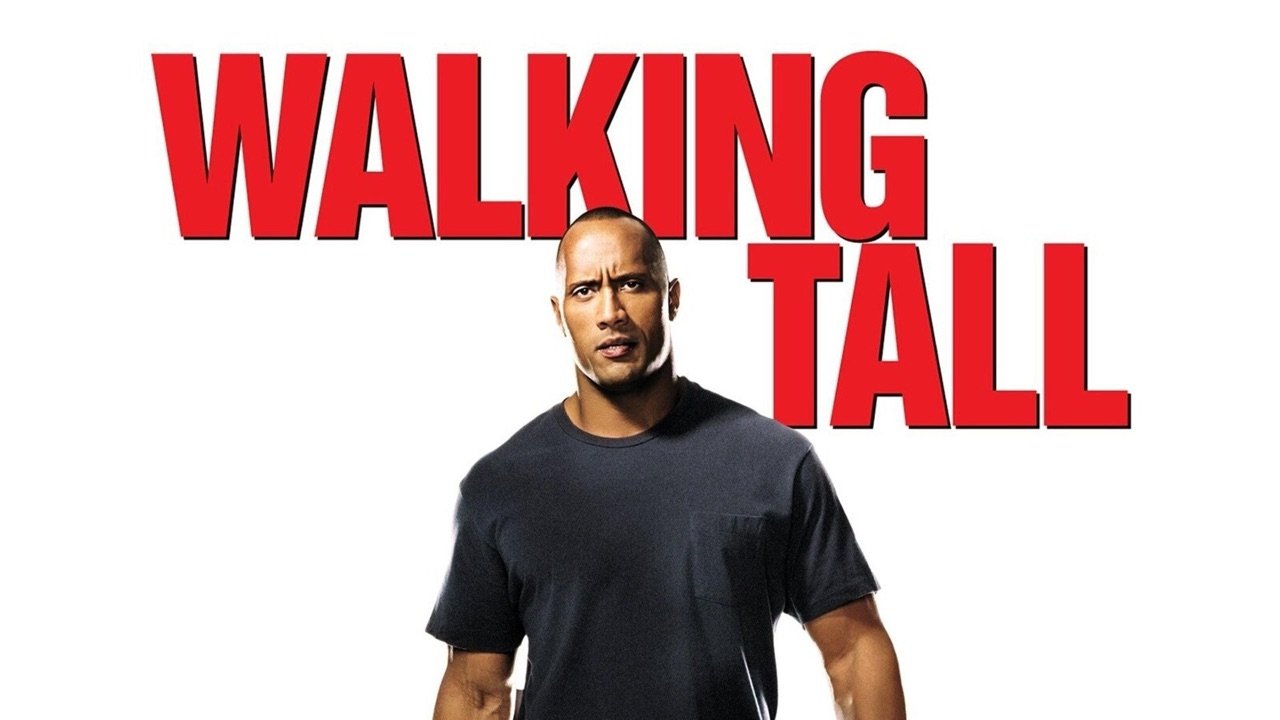
The most important character in the 2004 remake of Walking Tall isn’t even listed in the credits. It’s a four-foot-long piece of squared-off cedar. When Dwayne Johnson (then still being billed as "The Rock") finally puts down the legal paperwork and picks up that massive timber, the movie finds its soul. There’s something primal and deeply satisfying about the "thunk" it makes when it connects with a crooked casino table or a corrupt security guard’s midsection. In an era where action movies were starting to lean heavily into the "shaky-cam" chaos of The Bourne Supremacy, director Kevin Bray gave us something refreshingly geometric: a big man, a big stick, and a very straight line toward justice.
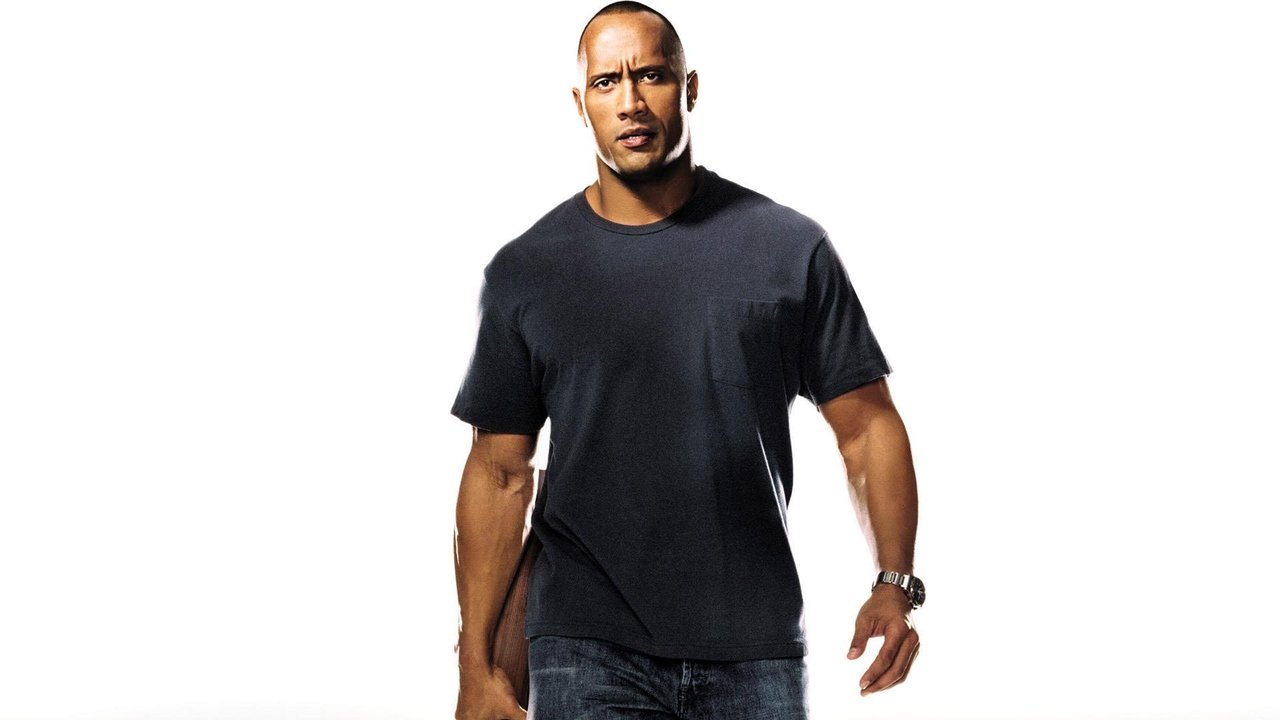
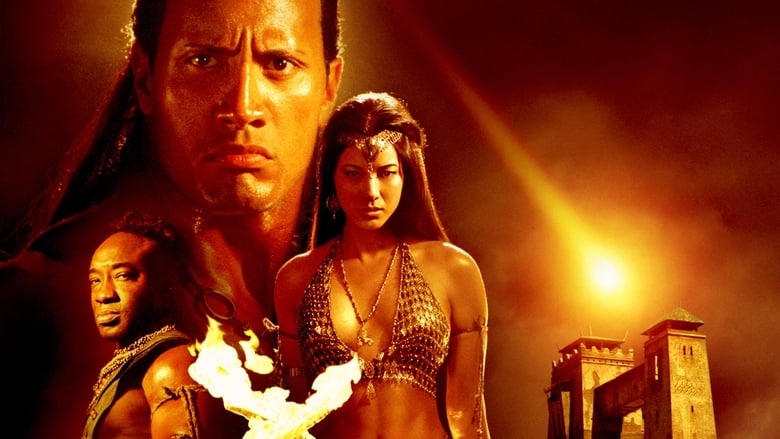
I rewatched this recently on a Tuesday afternoon while my radiator was clanking like a ghost in a junk drawer, and I was struck by how much of a relic this film is—not just of the 70s story it’s based on, but of the mid-2000s themselves. This was the exact moment Hollywood was trying to figure out if a professional wrestler could carry a film without wearing a loincloth (like in The Scorpion King) or being part of an ensemble. It turns out, the answer was a resounding yes, provided you gave him a sidekick who was professionally famous for being hit in the groin.
The Bridge to Megastardom
Looking back, Walking Tall is the essential bridge between "The Rock" and Dwayne Johnson. You can see the gears turning. He’s dialed back the "People’s Champ" theatricality, trading the raised eyebrows for a simmering, quiet stoicism that feels like he’s auditioning for a classic Western. He plays Chris Vaughn, a Special Forces veteran returning to his Pacific Northwest home only to find the local mill closed and a neon-lit casino sucking the life out of the town.
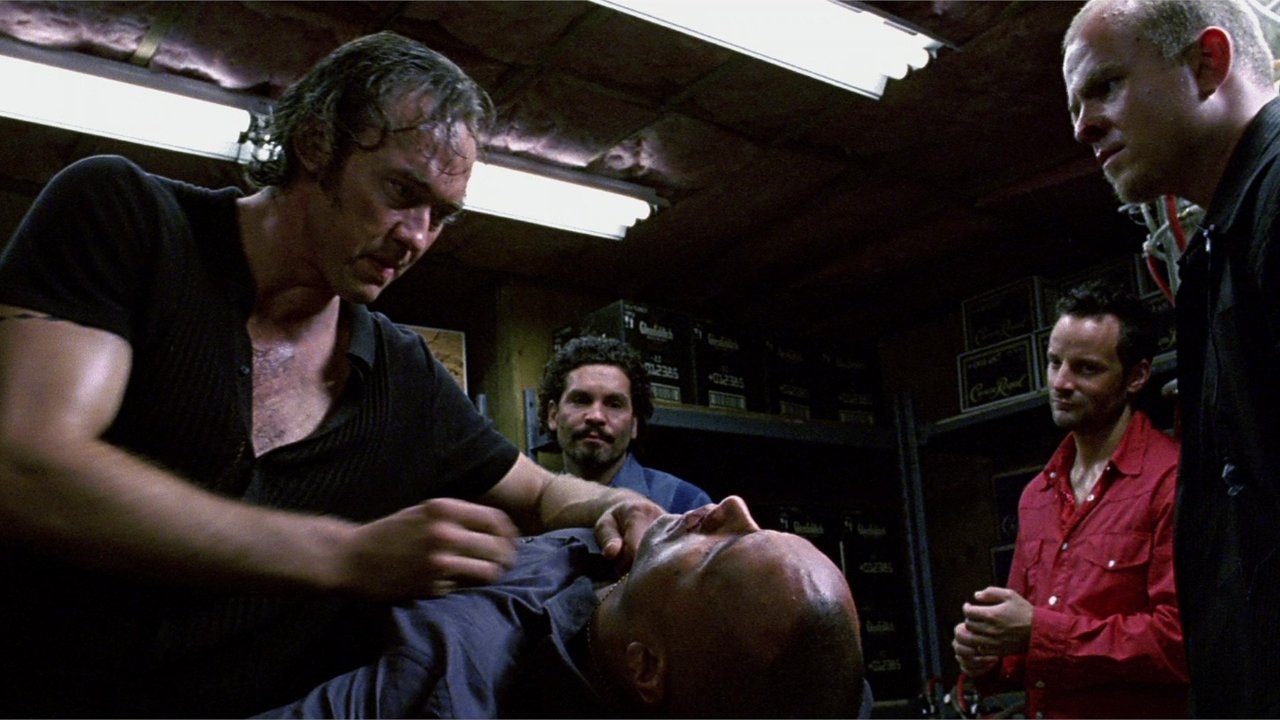
The villain is Jay Hamilton, played by Neal McDonough (Band of Brothers, Justified). McDonough is one of those actors who was born to play a smarmy, wealthy antagonist with translucent skin and eyes that suggest he hasn’t blinked since 1998. The chemistry between the two is basic but effective; it’s the classic clash of the blue-collar hero versus the corporate snake. What makes it work is that Johnson actually looks vulnerable at times. He gets beaten, he gets sliced up, and he spends a good chunk of the first act trying to do things the "right" way before realizing that the local sheriff is in the tank for the casino.
Jackassery and Justice
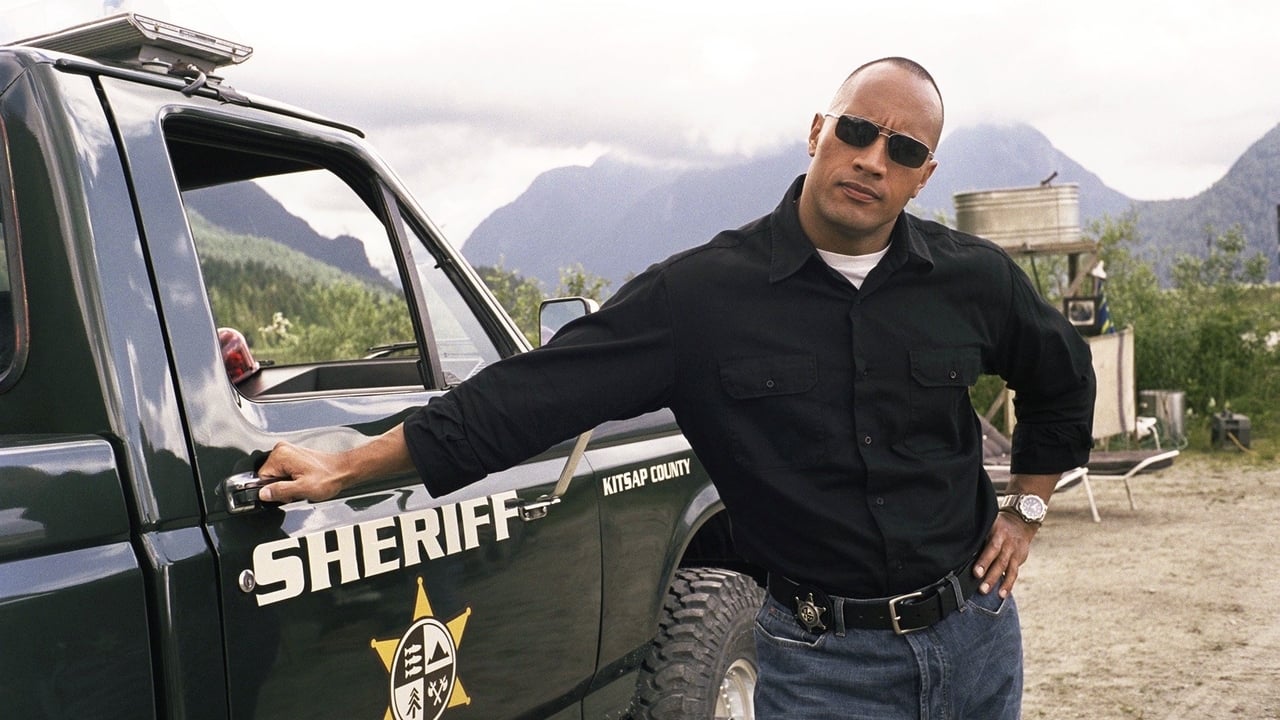
The secret weapon here, however, is Johnny Knoxville. Fresh off the peak of Jackass fame, Knoxville plays Ray Templeton, Chris’s best friend and eventual deputy. At the time, casting Knoxville felt like a cynical play for the MTV demographic, but in retrospect, he’s the best thing in the movie. He brings a loose, unpredictable energy that offsets Johnson’s rigid seriousness.
The action choreography is surprisingly grounded for a movie released in 2004. We were right on the cusp of the CGI takeover for stunts, but Walking Tall feels heavy and physical. When Vaughn tears apart the Wild Cherry casino, it’s not a ballet of wire-work; it’s a demolition derby. He’s just a man swinging a piece of wood. My personal hot take? Walking Tall is the cinematic equivalent of a perfectly cooked grilled cheese sandwich: simple, salty, and gone before you can even think about the calories.
The film clocks in at a lean 86 minutes. In today’s world of three-hour superhero epics and "part one of two" franchise starters, that runtime feels like a gift. Bray doesn't waste time on subplots or unnecessary lore. He knows why we’re here. We want to see the big man clean up the town. It’s "Dad Cinema" at its most refined—the kind of movie you start watching midway through on cable and find yourself unable to turn off until the credits roll.
The 2004 Time Capsule
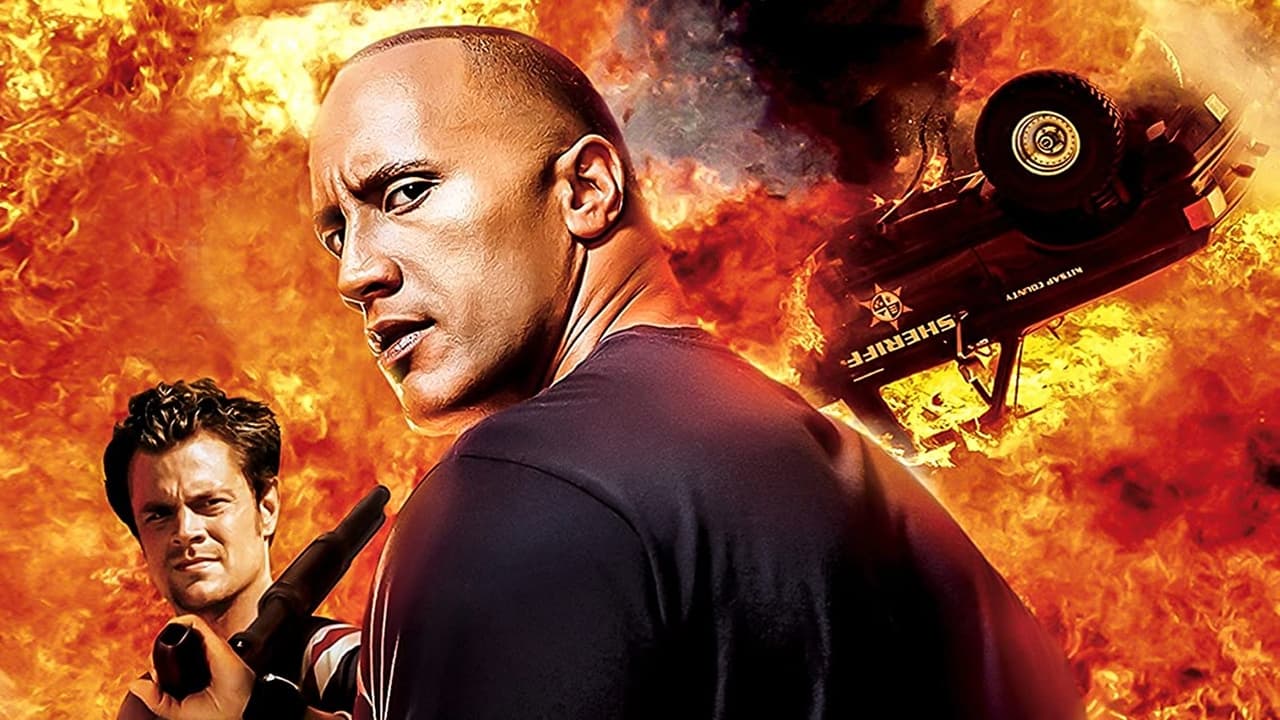
There are elements that date the film, of course. The soundtrack features that specific brand of early 2000s nu-metal/hard rock that feels like it was curated by a guy wearing a pinstriped flame shirt. And while the film is a reboot of the 1973 Joe Don Baker classic (based on the real-life Buford Pusser), it strips away the darker, grittier edges of the original in favor of a slicker, DVD-ready sheen.
Interestingly, the movie was originally set in Tennessee to stay true to the source material, but production moved it to the Pacific Northwest. This change actually helps the film’s longevity; the misty, evergreen backdrop gives it a timeless, "anytown" feel that prevents it from feeling like a parody of the South.
The film’s financial performance was modest—it barely made its budget back domestically—which is likely why it’s often overlooked in the grand scheme of Dwayne Johnson’s career. It didn’t launch a massive cinematic universe, though it did spawn some direct-to-video sequels starring Kevin Sorbo that we generally don’t talk about in polite company. But as a standalone piece of action-drama, it’s a testament to the power of a simple premise executed with maximum charisma.
It’s not a masterpiece, and it’s not trying to be. It’s a lean, mean, 2x4-swinging machine that showcases the exact moment a global superstar was born. If you have an hour and twenty minutes to kill and a lingering desire to see a corrupt casino get dismantled by a man who refuses to wear a shirt for the final twenty minutes, you really can’t do much better than this. It’s a reminder that sometimes, the best way to stand up for what’s right is to carry a very big stick.
Keep Exploring...
-
Race to Witch Mountain
2009
-
Executive Decision
1996
-
The Count of Monte Cristo
2002
-
xXx
2002
-
Into the Blue
2005
-

Poseidon
2006
-
Shaft
2000
-
Behind Enemy Lines
2001
-
Flight of the Phoenix
2004
-
Street Kings
2008
-
Cirque du Freak: The Vampire's Assistant
2009
-
The Scorpion King
2002
-
The Rundown
2003
-
The Grey
2012
-
Payback
1999
-

Space Cowboys
2000
-
Vertical Limit
2000
-
Final Fantasy: The Spirits Within
2001
-
The Last Castle
2001
-

Collateral Damage
2002