A Bittersweet Life
"One moment of mercy, a lifetime of regret."
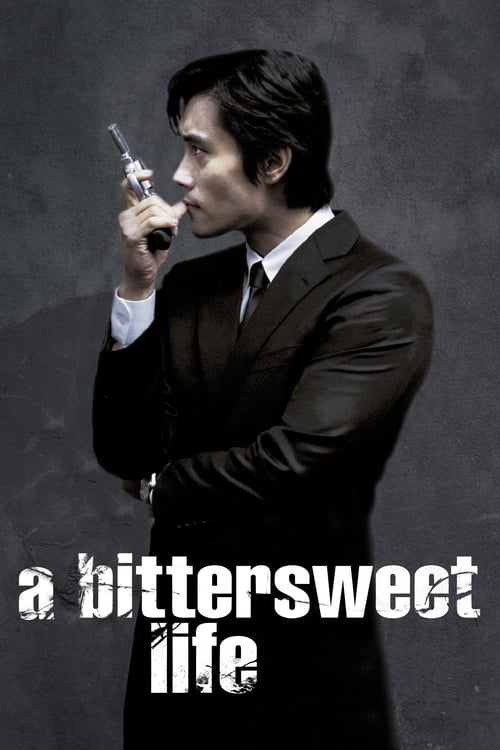
The first thing I noticed about Sun-woo isn't his lethality; it’s his perfection. He moves through the world like a man who has never tripped over a rug or forgotten where he put his keys. As the manager of a high-end hotel and a top-tier enforcer for a mob boss, his life is a series of sharp creases, polished chrome, and cold espresso. I remember watching this for the first time on a grainy, region-three DVD with yellow subtitles that occasionally drifted off the screen, and even through the digital fuzz, the sheer cool of the film was intimidating. I felt like I needed to apologize to my TV for wearing sweatpants.

But the brilliance of Kim Jee-woon’s 2005 masterpiece, A Bittersweet Life, is that it takes this icon of icy competence and systematically dismantles him. It’s a film about how a single, microscopic moment of human feeling can act like a wrench thrown into a high-precision engine.
The Elegance of the Fall
The setup is classic noir: Sun-woo, played with a haunting, stoic grace by Lee Byung-hun (I Saw the Devil, The Good, the Bad, the Weird), is tasked by his boss, Mr. Kang (Kim Yeong-cheol), to watch over a young mistress, Hee-soo (Shin Min-a). If she’s cheating, Sun-woo is to kill her. It’s a simple errand for a man who treats violence like a clerical duty.
However, Sun-woo discovers her affair and, in a moment he can’t quite explain to himself, he lets her go. He doesn't even do it out of love; it’s more like a flicker of curiosity about a life that isn't lived in the shadows. The movie is essentially a 119-minute punishment for a man having a soul.
When the boss finds out, the "bittersweet" part of the title evaporates, leaving only the bitter. The transition from the sterile, beautiful hotel environment to the muddy, rain-slicked hell of a revenge thriller is jarring and effective. Kim Jee-woon (who also wrote the screenplay) understands that for violence to matter, we have to feel the loss of the peace that preceded it.
A Symphony of Steel and Bone
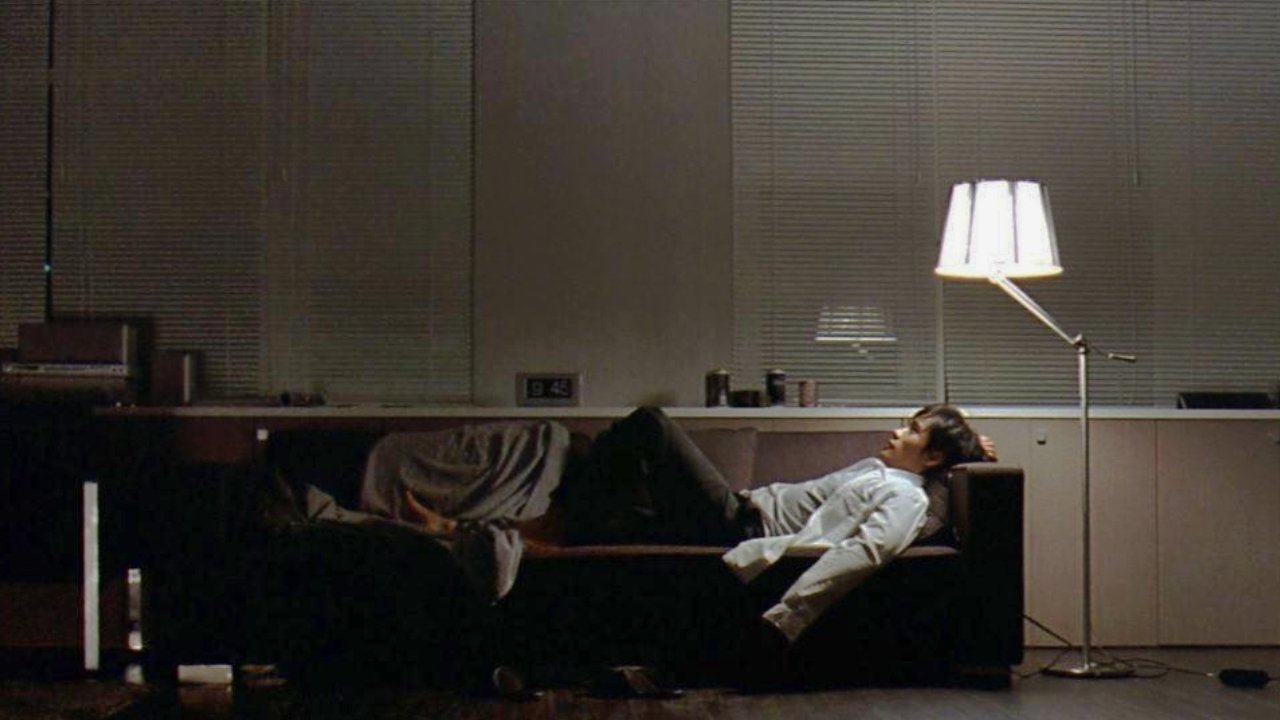
As an action film, A Bittersweet Life belongs in the same breath as John Wick or The Killer, but it’s far grittier. There is a sequence involving a frantic escape and the assembly of a handgun that is, in my opinion, one of the most stressful pieces of cinema ever put to tape. You aren't just watching a protagonist win; you're watching a man desperately try to remember his training while his body is failing him.
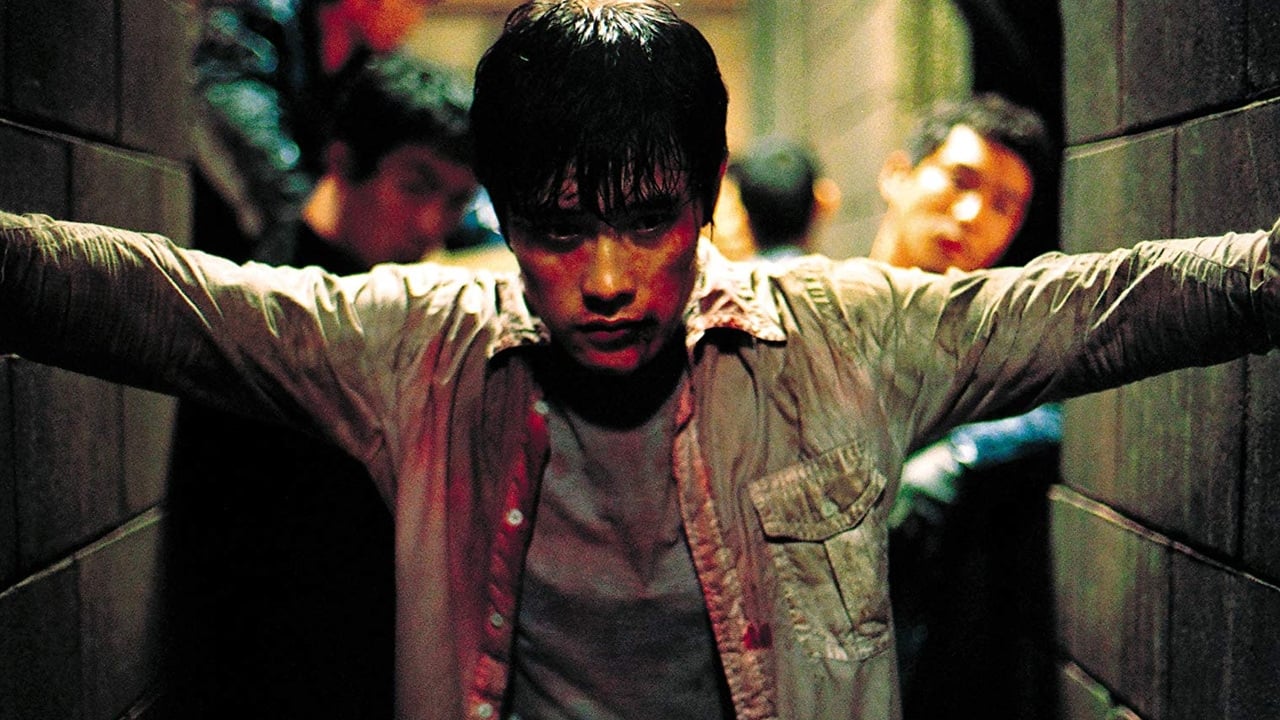
The choreography isn't "pretty" in the way a wuxia film is; it’s impactful. Every punch sounds like a wet bag of sand hitting a concrete floor. I found myself wincing and adjusting my seating position during the torture scenes—not because they are gratuitous, but because the sound design is so immediate. The clatter of a wrench or the sizzle of a flame feels uncomfortably close to your ear.
The cinematography by Kim Ji-yong is breathtaking, utilizing the deep blacks and amber glows that defined the mid-2000s South Korean aesthetic. It captures the transition from the analog grit of the 90s to the high-gloss digital future. Looking back, this was the peak of the Korean New Wave, a time when directors were taking Hollywood tropes and injecting them with a level of operatic tragedy that Western studios were too scared to touch.
Why This Masterpiece Slipped Through the Cracks
Despite being a critical darling at Cannes, A Bittersweet Life never quite achieved the household-name status of Park Chan-wook’s Oldboy. Part of that was due to a crowded market; 2005 was a year of massive cinematic shifts, and Western audiences were only just beginning to look toward Seoul for their genre fix. It also suffered from a limited US theatrical run, often relegated to the "World Cinema" shelves of Blockbuster, overshadowed by flashier, more "extreme" Asian horror titles.
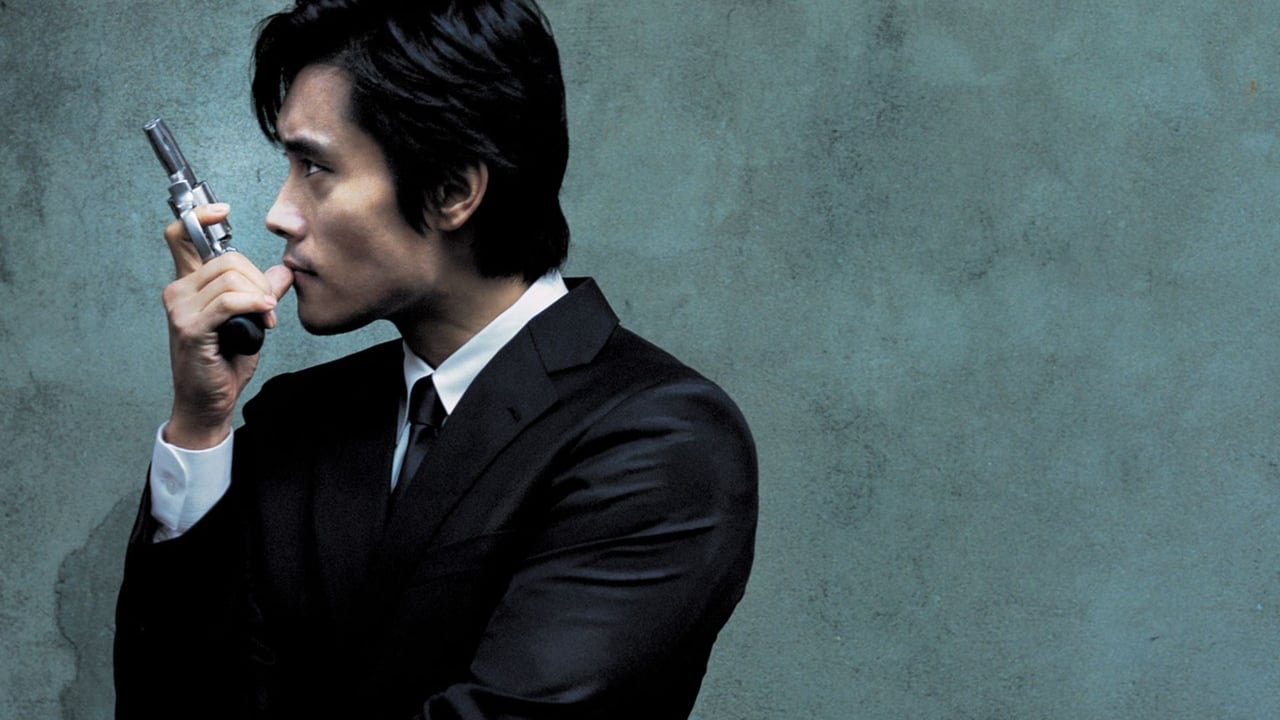
Interestingly, Lee Byung-hun performed many of his own stunts, including being buried alive in a shallow grave during a rainstorm—a detail that makes his performance feel even more exhausted and authentic. There's also a fantastic, brief turn by Hwang Jung-min (The Wailing) as Mr. Baek, a rival mobster who brings a terrifying, oily charisma to the screen.
The film is framed by a Zen Buddhist parable about a dream, which provides the emotional spine of the story. It asks a devastating question: Is it better to live a perfect, empty life, or a flawed, agonizing one? By the time the credits rolled—while I sat there eating my third bag of stale Pocky—I realized I wasn't just watching a crime movie. I was watching a tragedy about the high cost of becoming human.
A Bittersweet Life is a gorgeous, brutal reminder that style is nothing without stakes. It’s a film that wears a tuxedo while rolling in the mud, and it manages to look better than almost anything released in the two decades since. If you can find a high-definition copy, grab it, turn the lights down, and prepare for a film that stays with you long after the final shell casing hits the floor. It’s the kind of movie that makes you want to live a little better, if only to avoid the mess Sun-woo leaves behind.

Keep Exploring...
-
A Tale of Two Sisters
2003
-
Infernal Affairs
2002
-
The Protector
2005
-
Undisputed II: Last Man Standing
2006
-

United 93
2006
-
Mesrine: Killer Instinct
2008
-
Mesrine: Public Enemy #1
2008
-

Batman: Under the Red Hood
2010
-

Elite Squad: The Enemy Within
2010
-
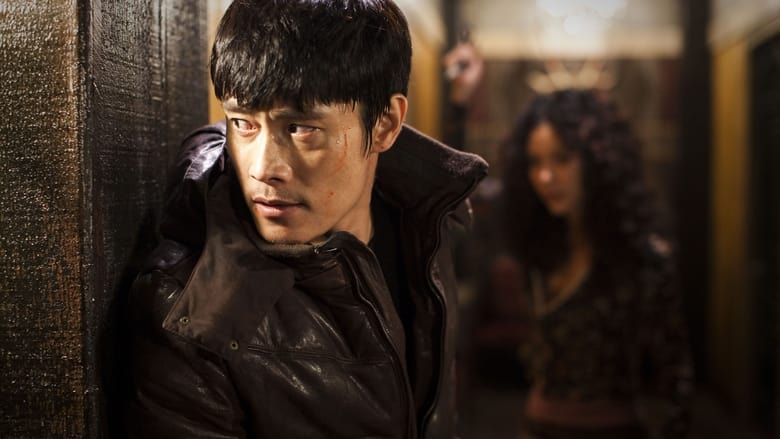
I Saw the Devil
2010
-

Batman: Mask of the Phantasm
1993
-
Bound by Honor
1993
-
Batman: Year One
2011
-
Batman: The Dark Knight Returns, Part 1
2012
-

Batman: The Dark Knight Returns, Part 2
2013
-
Training Day
2001
-

Batman Begins
2005
-
Elite Squad
2007
-
Felon
2008
-

Blood and Bone
2009