A History of Violence
"The deadliest man is the one you know."
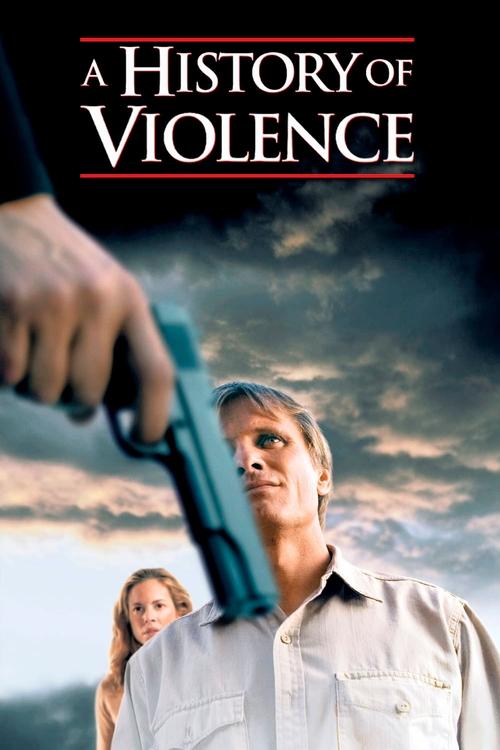
The first time I watched A History of Violence, I was sitting in a cramped studio apartment in 2006, trying to fix a leaky kitchen faucet with a wrench that didn't quite fit. Every time the faucet dripped, it echoed against the silence of the room, creating a rhythmic ticking that accidentally synchronized with the mounting dread of the film’s opening diner scene. By the time the coffee was poured and the first shot was fired, I had completely forgotten about the water pooling around my feet.
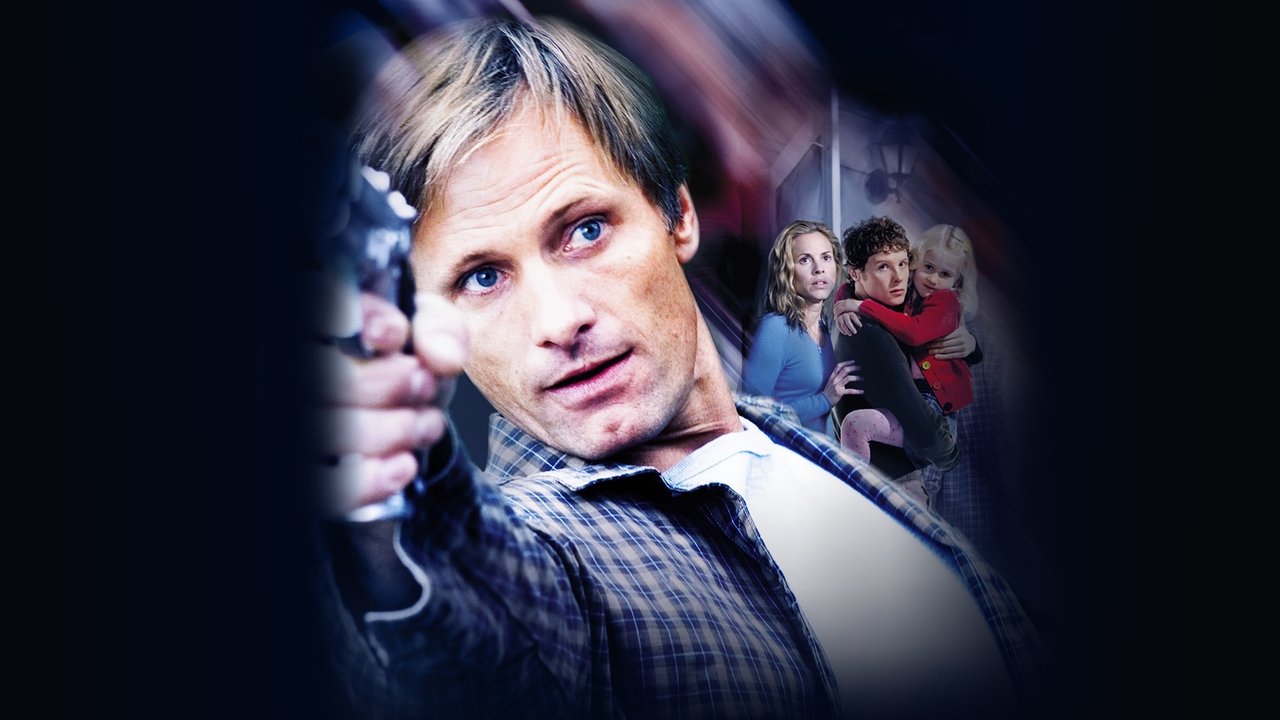
That’s the David Cronenberg effect. He doesn't just invite you into a story; he traps you in a headspace that feels slightly too small for comfort.
The Gentle Monster of Millbrook
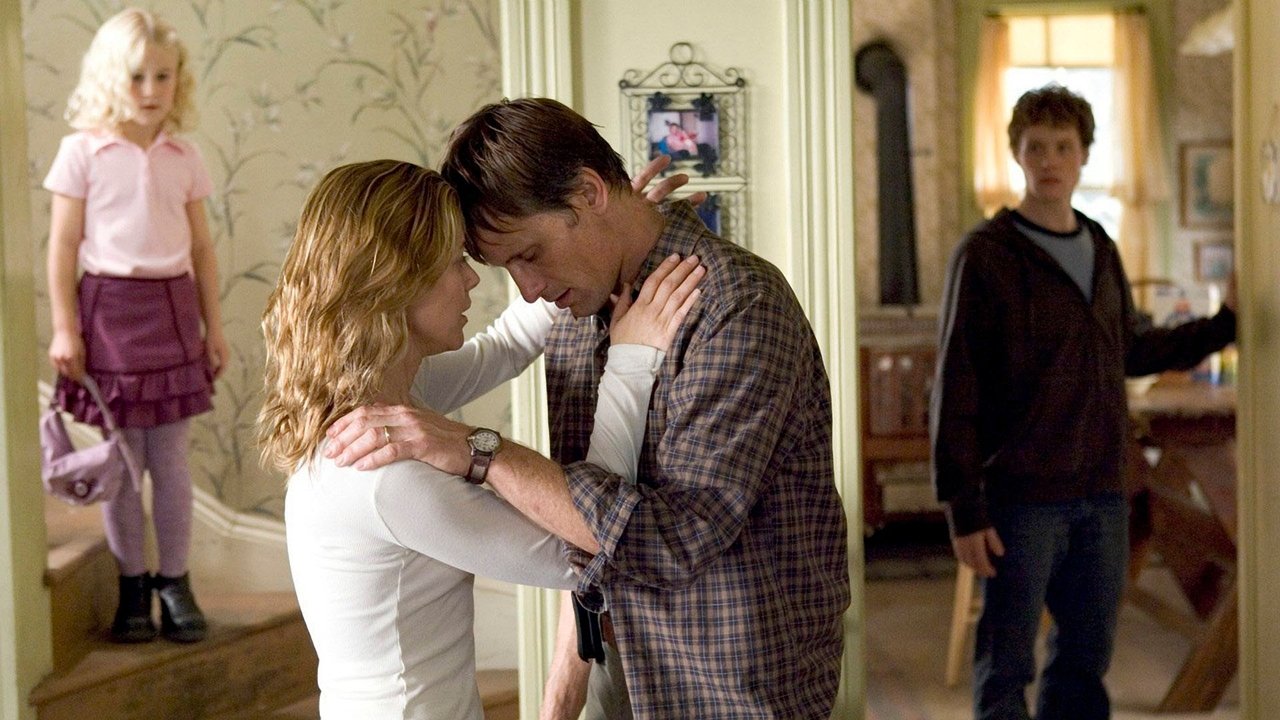
On the surface, this looks like a standard "wrong man" thriller or a modern Western. We have Tom Stall, played with a terrifyingly controlled stillness by Viggo Mortensen, running a diner in a town so idyllic it feels like it was built by a committee tasked with defining "Americana." Tom is a good husband to Edie (Maria Bello) and a patient father. Then, two killers walk into his diner, and Tom stops being a "good man" and starts being a "capable" one.
The way Cronenberg directs the ensuing explosion of violence is where the film earns its title. This isn't the stylized, bullet-ballet of the early 2000s—this isn't The Matrix or even the high-octane grit of The Bourne Identity. It’s clumsy, bone-crunching, and over in seconds. Violence in this movie isn't a spectacle; it’s a biological function.
Watching Viggo Mortensen (fresh off his Lord of the Rings superstardom) navigate this role is a masterclass in physical acting. Look at his eyes. In the first half, they are soft, reflecting the light of a man who likes his quiet life. In the second half, they turn into flat, grey stones. It’s not just a secret identity; it’s a cellular reorganization.
A Different Kind of Body Horror
For decades, Cronenberg was the king of "Body Horror"—think The Fly or Videodrome. But by 2005, he had pivoted. Instead of physical mutations, he began exploring the mutations of the soul. A History of Violence feels like a companion piece to the era's post-9/11 anxieties. We were obsessed with the idea of the "sleeper cell" or the monster hiding in plain sight, but Cronenberg flips the script: What if the monster is the one protecting you, and you’re the one who taught him how to love?
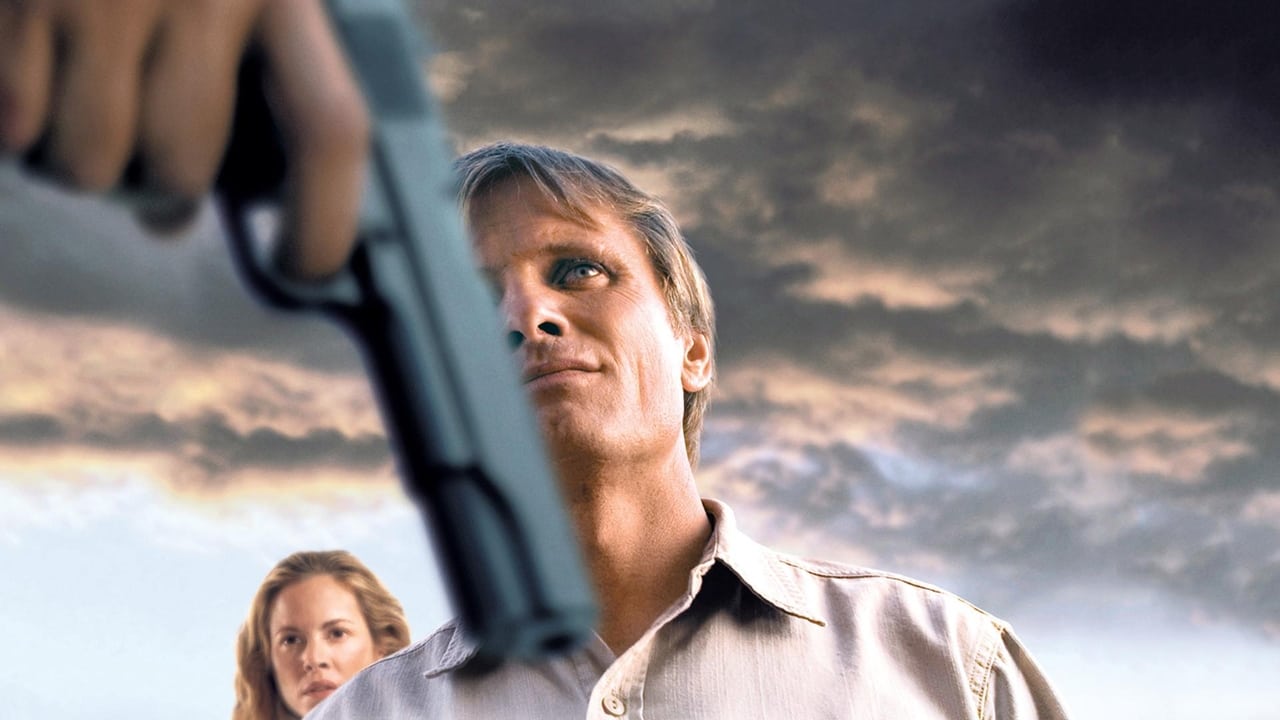
The chemistry between Viggo Mortensen and Maria Bello is essential here. Their relationship is the heartbeat of the film, which makes its eventual fracturing so painful to watch. There is a specific staircase scene halfway through the movie that remains one of the most uncomfortable, raw, and narratively complex depictions of intimacy I’ve ever seen. It’s a scene where lust, anger, and betrayal are indistinguishable from one another. It’s messy and human in a way most thrillers are too scared to be.
The Richie Cusack Factor
While the film stays grounded for eighty minutes, the final act takes a sharp, almost surreal turn when we meet Tom’s brother, Richie. Enter William Hurt.
William Hurt is only on screen for about ten minutes, but he managed to snag an Oscar nomination for it, and frankly, he deserved it. He plays Richie with a bizarre, theatrical menace that shouldn't work in such a grounded movie, yet it does. He feels like a ghost from a past life that Tom (or Joey) can’t quite exorcise. Watching him interact with Viggo Mortensen is like watching two different eras of acting collide—Hurt’s flamboyant eccentricity vs. Mortensen’s minimalist intensity.
The film also benefits from Ed Harris, who shows up early on as Carl Fogarty. With a scarred eye and a suit that looks like it smells of stale cigarettes and charcoal, Harris provides the perfect catalyst. He doesn't need to do much; his presence alone sours the air in the room.
The Stuff You Didn’t Notice
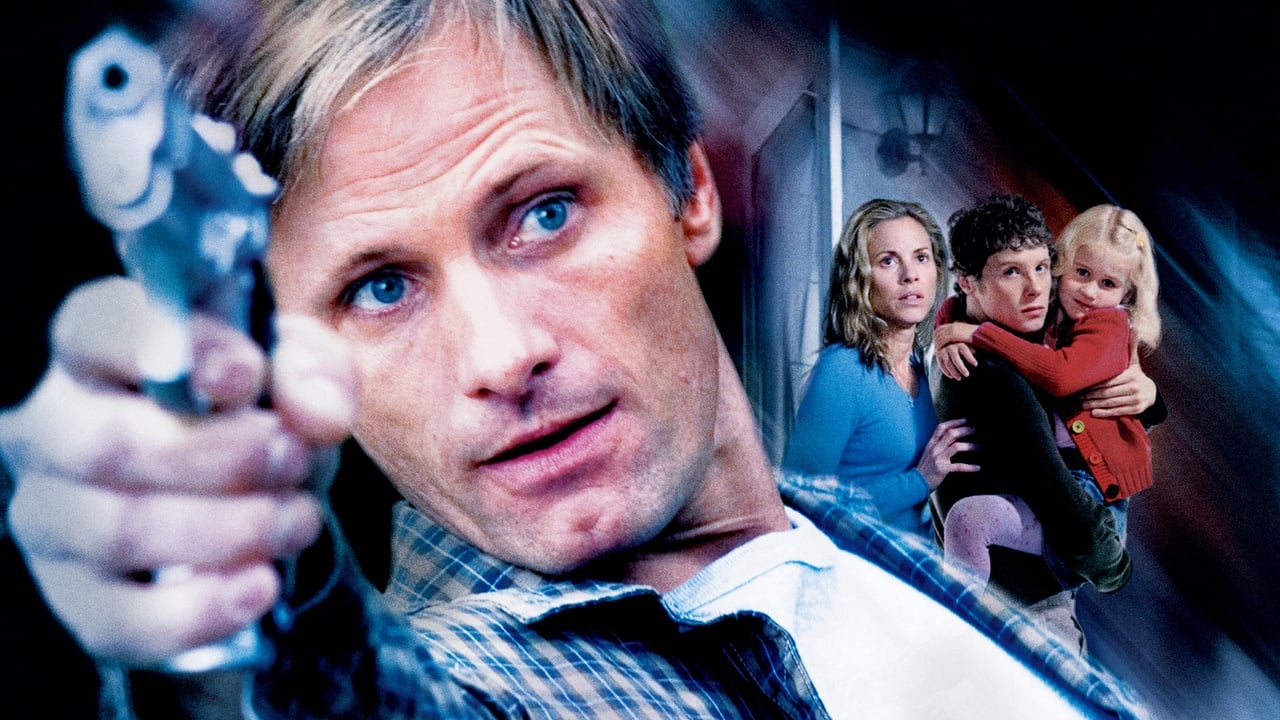
Interestingly, David Cronenberg actually had no idea the film was based on a graphic novel (by John Wagner and Vince Locke) until he had already signed on to direct. He wasn't interested in "comic book movies," which were just starting their global takeover with Batman Begins and X-Men. Because of this, the film feels untethered from the "source material" tropes. It’s its own beast.
Another fun bit of trivia: Viggo Mortensen is notorious for his "Method-lite" preparation. He reportedly spent weeks driving around the Midwest, buying local clothes and props to ensure Tom Stall felt like a man who had actually lived in Millbrook for twenty years. He even bought the horse he rode in Lord of the Rings, but for this film, he focused on the internal architecture of a man who had successfully deleted his own personality.
The DVD release back in the day was a staple of my collection. The commentary track by Cronenberg is legendary because he talks about the "geography of the face" and the "logic of the punch." He treats filmmaking like surgery—precise, clinical, and occasionally very bloody.
A History of Violence is a rare bird: a taut, 96-minute thriller that has the weight of a Greek tragedy. It asks if we can ever truly change, or if we are just "peaceful" because no one has pushed us lately. It’s dark, it’s intense, and it refuses to give you the "heroic" ending you think you want.
When the credits rolled, I finally turned my attention back to my kitchen sink. The leak was still there, the floor was a mess, and I felt like I had just witnessed something I wasn't supposed to see. If you haven't revisited this one since the mid-2000s, do yourself a favor. It’s aged better than most of the blockbusters that shared the marquee with it. It’s a reminder that the most dangerous thing in the world isn't a monster under the bed—it's the guy sitting across from you at the dinner table.

Keep Exploring...
-
Eastern Promises
2007
-
American Psycho
2000
-
John Q
2002
-
21 Grams
2003
-
Dogville
2003
-
Lucky Number Slevin
2006
-
The Next Three Days
2010
-
Road to Perdition
2002
-

Lord of War
2005
-

Law Abiding Citizen
2009
-
Naked Lunch
1991
-

Falling Down
1993
-
Natural Born Killers
1994
-

Jackie Brown
1997
-
Mesrine: Killer Instinct
2008
-
Mesrine: Public Enemy #1
2008
-
Drive
2011
-
The Lincoln Lawyer
2011
-
End of Watch
2012
-
Nightcrawler
2014