A Lot Like Love
"Right person, wrong time, seven years running."
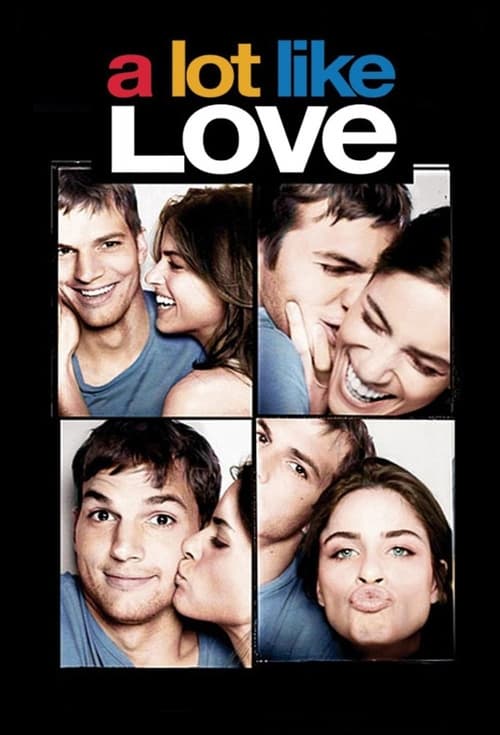
If you walked into a cinema in 2005, you could practically smell the transition of an era. It was the year of the iPod Nano, the rise of YouTube, and a specific brand of "indie-lite" romantic drama that tried very hard to be the next When Harry Met Sally. I recently revisited A Lot Like Love on a Tuesday night while eating a bag of slightly stale pretzel sticks I found in the back of my pantry, and I realized something: we don’t make movies this earnest anymore.
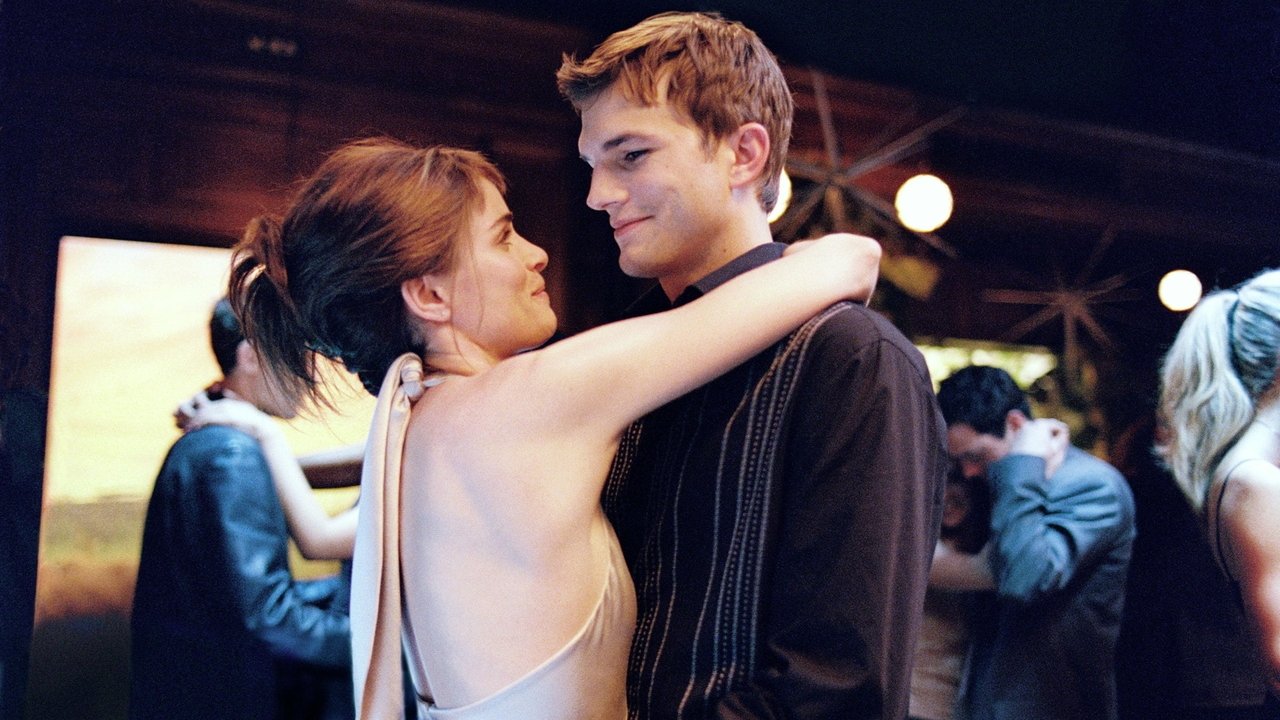
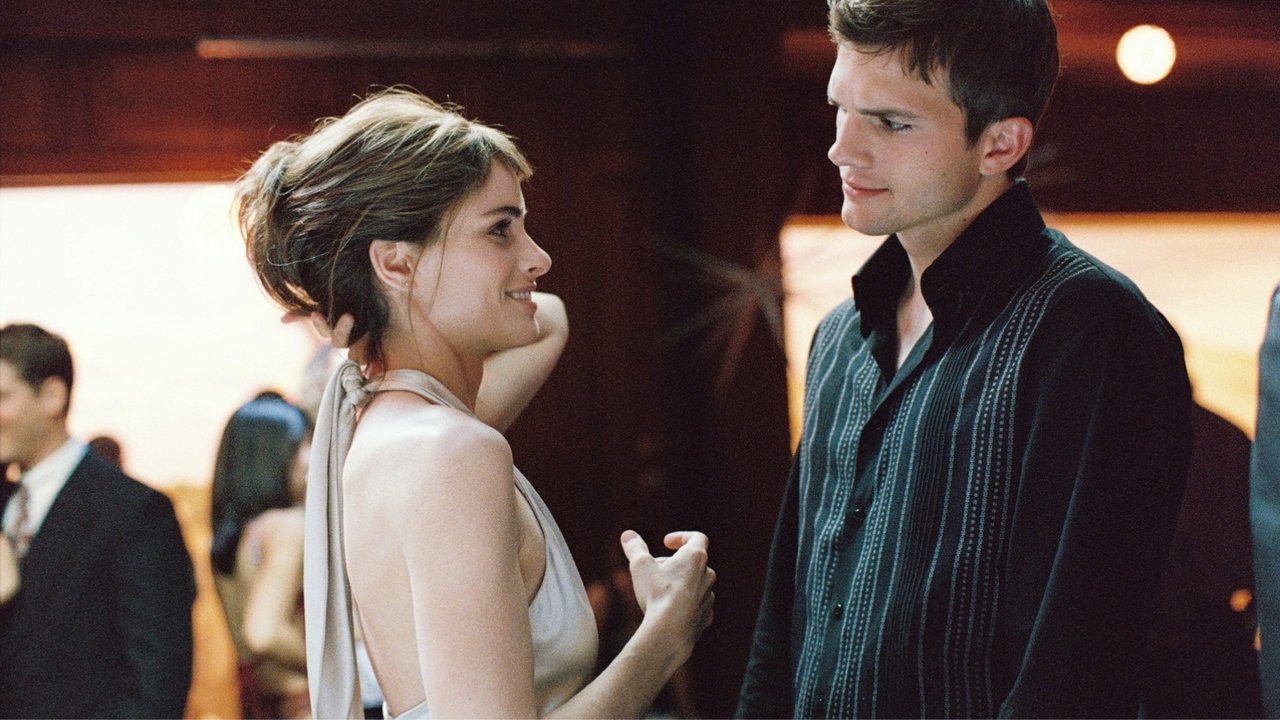
In the mid-2000s, Ashton Kutcher was at the height of his Punk’d fame, a period where his public persona was so loud it often drowned out the fact that he was actually a fairly capable lead. Here, he plays Oliver, a guy with a "plan"—a rigid, five-year checklist involving an internet start-up and a stable life. Opposite him is Amanda Peet as Emily, a chaotic, spontaneous force of nature who treats life like a series of dares. They meet on a flight, have a quick, unceremonious tryst in a bathroom, and spend the next seven years proving that they are the absolute worst at being 'just friends.'
The Art of the Near-Miss
The film is structured as a series of vignettes, jumping forward in time to show Oliver and Emily crossing paths in New York, Los Angeles, and various points in between. This was a popular trope in the post-Y2K era—think of it as the "Sliding Doors" effect—where the tension isn't about if they’ll get together, but when the universe will stop being a jerk about it.
What struck me this time around is how well the film captures the shifting aesthetics of that six-year gap. We start in the late 90s with Emily’s goth-punk vibe and Oliver’s floppy hair, transitioning into the early 2000s tech-boom optimism. Director Nigel Cole, who previously gave us the charming Calendar Girls, treats these transitions with a soft, cinematic glow. It’s not "gritty" realism; it’s "I’m in my 20s and I have a great apartment despite no visible income" realism.
The chemistry between Ashton Kutcher and Amanda Peet is the only reason this movie survived its mediocre box office. Peet is particularly luminous here; she has this jagged, nervous energy that feels authentic to someone who is terrified of being known. Kutcher, for his part, plays the "straight man" with a surprising amount of soul. When he serenades her with a tuneless, gravelly rendition of Bon Jovi’s "I’ll Be There For You" in a suburban backyard, it’s arguably his finest screen moment. It’s dorky, vulnerable, and completely devoid of the 'bro' energy that defined his early career.
A Time Capsule of Tech and Tunes
Looking back, A Lot Like Love is a fascinatng time capsule of the "DVD Culture" era. This was a film made to be discovered on a Blockbuster shelf on a rainy Friday night. It also captures that weird, liminal space where the internet was beginning to change how we lived. Oliver’s big business idea—an online diaper delivery service—seemed like a punchline in 2005. Today, it’s a billion-dollar industry called Amazon Prime.
The soundtrack, too, is peak 2005. We’re talking Aqualung, Third Eye Blind, and Jet. It’s the kind of music that felt deeply profound if you were wearing a pinstriped blazer over a graphic tee. But beyond the nostalgia, the film handles its dramatic beats with more grace than the average rom-com. There’s a subplot involving Oliver’s deaf brother, played by Ty Giordano, that is handled with such casual, understated warmth that it makes you wish the rest of the film took similar risks.
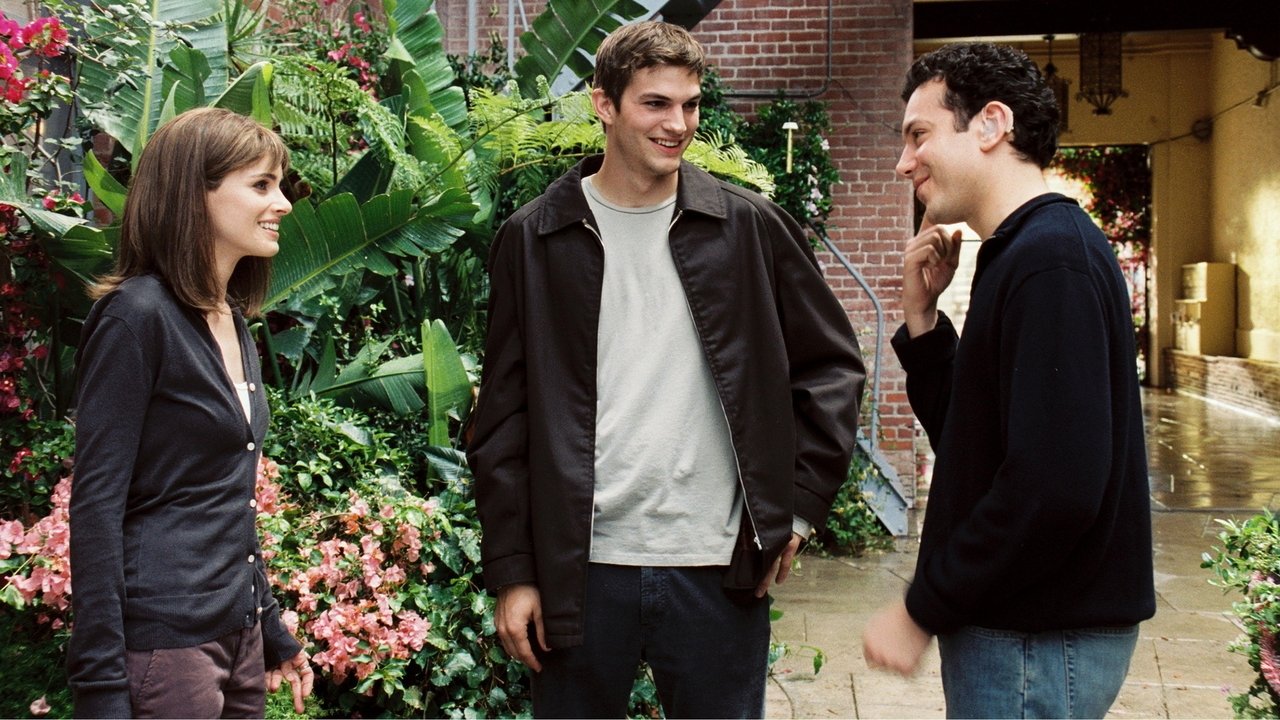
We also get early-career appearances from Kathryn Hahn and Kal Penn, who provide the necessary comedic relief. Hahn, long before she was a Marvel villain or a prestige drama queen, shows off the same impeccable timing that would eventually make her a star. Kal Penn, fresh off Harold & Kumar Go to White Castle, plays the business partner with a grounded sensibility that keeps the "start-up" plot from feeling like a total cartoon.
The Beauty of Being Forgotten
Why did this movie vanish from the cultural conversation? It likely suffered from being "too small" for the blockbuster era and "too conventional" for the burgeoning indie scene. It sits in that uncomfortable middle ground. However, there is a sequence involving a desert landscape and a disposable camera that still feels visually striking. Cinematographer John de Borman (who shot the lush Saving Grace) manages to find beauty in the mundanity of a road trip, using the natural light to mirror the growing intimacy between the leads.
The plot moves with the structural integrity of a wet paper towel, relying on an absurd number of coincidences to keep the engine running, but that’s almost the point. A Lot Like Love argues that life is just a series of accidents you eventually decide to stop fighting. It’s a movie about the "meant to be" that doesn't feel like a fairy tale because the characters are frequently miserable, failing, or dating the wrong people (including a brief, funny turn by Ali Larter).
Ultimately, A Lot Like Love is better than its reputation suggests. It’s a gentle, visually pleasing meditation on the fact that you can’t schedule a soulmate. It doesn’t reinvent the wheel, but it reminds you why we liked the wheel in the first place. If you’re looking for a dose of mid-2000s sincerity that doesn't feel entirely manufactured, this is a "half-forgotten oddity" that deserves a spot on your watch list. It's a reminder of a time when we weren't just scrolling through options; we were waiting for the next plane to land.
Keep Exploring...
-
Confessions of a Dangerous Mind
2002
-

S1m0ne
2002
-
What a Girl Wants
2003
-
First Daughter
2004
-
Jersey Girl
2004
-
Broken Flowers
2005
-
Casanova
2005
-
The Family Stone
2005
-
The Sisterhood of the Traveling Pants
2005
-

A Good Year
2006
-
Just My Luck
2006
-
Dan in Real Life
2007
-
Lars and the Real Girl
2007
-
The Nanny Diaries
2007
-
Ghost Town
2008
-
Nick and Norah's Infinite Playlist
2008
-
Wild Child
2008
-
Youth in Revolt
2009
-
I Love You Phillip Morris
2010
-

Morning Glory
2010