Batman Begins
"Reclaiming a legend from the neon wreckage of the nineties with shadows and fear."
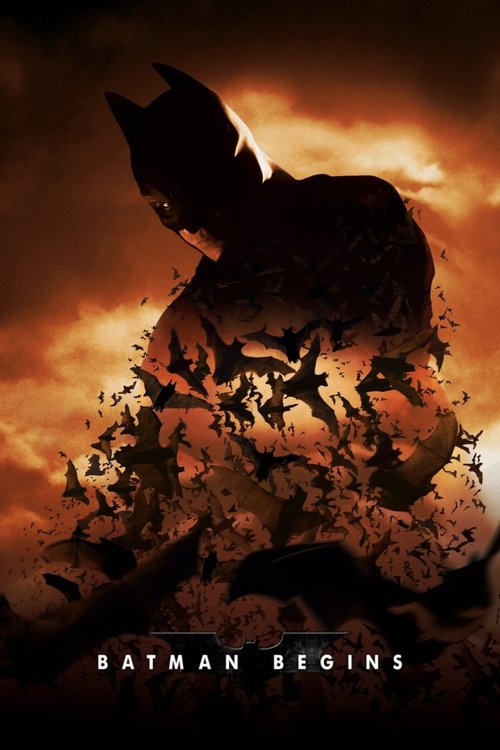
I remember watching this on a scratched DVD where the menu music—that low, pulsing Hans Zimmer beat—looped for forty minutes while I fell asleep on a corduroy couch, and now that sound is inextricably linked to the smell of stale popcorn and old fabric for me. But even through that hazy, half-awake viewing, I knew something had shifted. Before Christopher Nolan stepped into the shadows of Gotham, the Batman franchise was a neon-soaked punchline. It was a world of ice puns and rubber nipples. Then came 2005, and suddenly, the bat didn't just fly; it carried weight.
From Neon Nipples to Gritty Realism
In retrospect, the cultural climate of the mid-2000s was the perfect petri dish for a movie like Batman Begins. We were living in a post-9/11 world where our collective anxieties had moved away from the colorful escapism of the 90s toward something much more grounded and, frankly, paranoid. Nolan, fresh off the success of Memento and Insomnia, didn't just reboot a character; he pioneered a tone that would haunt cinema for the next decade. He took the "super" out of the hero and replaced it with a heavy dose of psychological trauma.
I’ve always felt that the first hour of this film is its strongest suit. Watching Christian Bale—who had just famously withered himself down to a skeleton for The Machinist before bulking back up to an imposing physique—wander through the snowy mountains of Bhutan is mesmerizing. It feels less like a comic book movie and more like a high-stakes epic about a man trying to find a reason not to jump off a cliff. When he meets Liam Neeson as the enigmatic Ducard, the film leans into a philosophy of fear that felt genuinely dangerous at the time. Neeson brings a lethal, paternal warmth to the screen that makes his eventual turn feel like a genuine betrayal.
Built, Not Rendered: The Power of the Practical
One of the most refreshing things about revisiting Batman Begins today is seeing how much of it was actually there. We’ve become so accustomed to the weightless, digital smear of modern superhero battles that the practical effects here feel like a slap in the face. When you see the Tumbler—the tank-like predecessor to the Batmobile—tearing across rooftops in Chicago (serving as the primary bones for Gotham), you can feel the suspension screaming. It’s loud, it’s clumsy, and it has a physical presence that CGI simply cannot replicate.
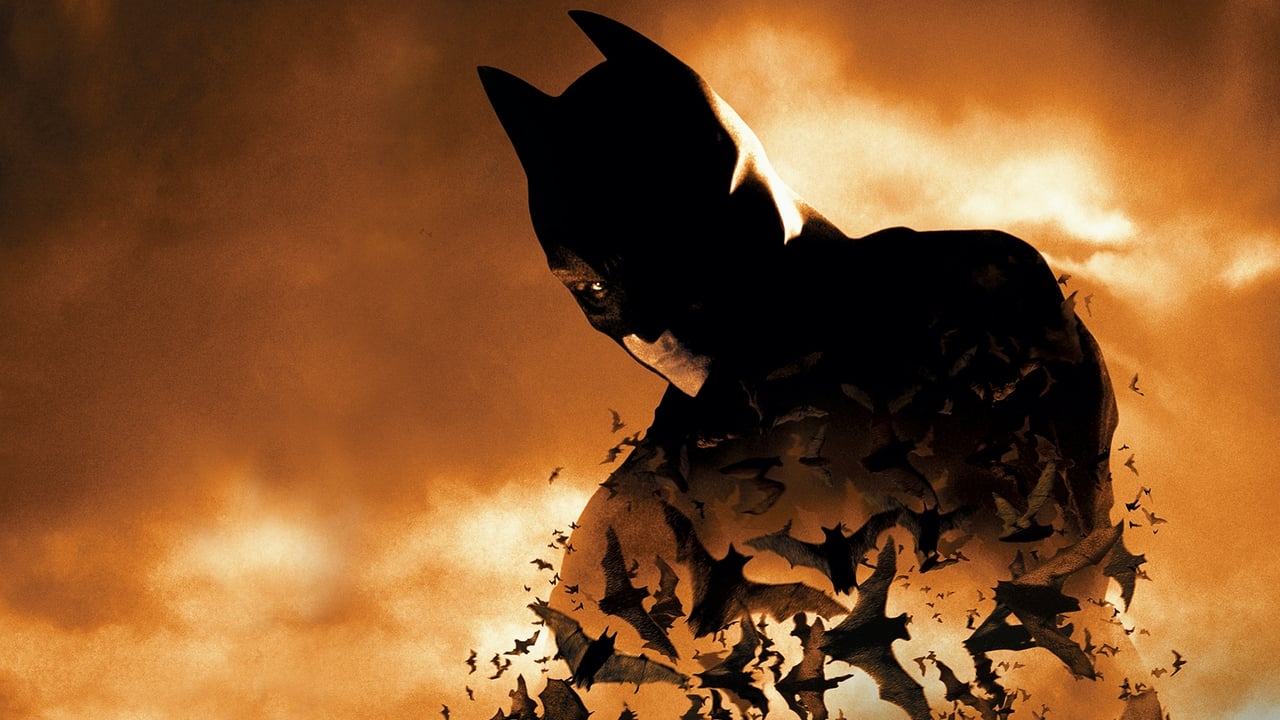
I’ll go on record with a hot take: The Bat-voice is actually a stroke of genius because it highlights the sheer, desperate lunacy required to dress up like a winged rodent. People mock Bale’s gravelly growl, but in the context of this film’s intensity, a normal speaking voice would have felt ridiculous. Apparently, Bale lost his voice multiple times during production just trying to find that specific frequency of intimidation. That’s the kind of commitment that makes the stakes feel real.
Then there’s the supporting cast, which reads like a "who’s who" of actors who usually wouldn't touch a cape with a ten-foot pole. Michael Caine as Alfred provides the emotional marrow of the story, while Gary Oldman’s Jim Gordon is a masterclass in weary integrity. Even Cillian Murphy, who originally auditioned for the role of Bruce Wayne, is bone-chilling as Dr. Jonathan Crane. The Scarecrow is a more terrifying villain than the Joker because he actually believes he’s a doctor helping his patients. Every time that burlap mask comes on and the fear toxin starts pumping, the movie dips its toes into genuine horror.
The Philosophy of the Shadow
What I appreciate most about this entry in the trilogy is how it treats Bruce’s wealth. It isn't just a gimmick to buy gadgets; it’s a burden and a tool of systemic change. The Monorail system, built by Bruce’s father, becomes a literal and metaphorical track for the film’s climax. It represents a hope for Gotham that is being weaponized against it. That’s a level of narrative layering you just didn't see in the Batman Forever era.
Of course, the film isn't perfect. The fight choreography can be a bit "choppy"—Nolan was still figuring out how to shoot hand-to-hand combat, often relying on close-ups and quick cuts to hide the fact that these are guys in heavy suits trying to move. And while Katie Holmes does her best as Rachel Dawes, her character often feels like a narrative anchor designed only to give Bruce something to lose. But these are minor gripes when compared to the sheer ambition on display.
Looking back, Batman Begins was the blueprint. It taught Hollywood that you could take "silly" source material and treat it with the gravity of a Shakespearean tragedy. It wasn't just a movie; it was a reclamation project. It took a broken icon and made it essential again.
The legacy of this film isn't just the two sequels that followed, but the way it changed our expectations for blockbusters. It proved that we didn't want our heroes to be perfect; we wanted them to be as scarred and scared as we were. Even if you aren't a fan of the "gritty reboot" trend it spawned, you have to respect the craft that went into building this Gotham from the ground up. It’s a film that demands your attention and, twenty years later, still manages to hold it.
Keep Exploring...
-
The Dark Knight
2008
-

The Dark Knight Rises
2012
-
Inception
2010
-
Training Day
2001
-

The Negotiator
1998
-
American Psycho
2000
-
Elite Squad
2007
-
Memento
2000
-
The Patriot
2000
-
Gangs of New York
2002
-
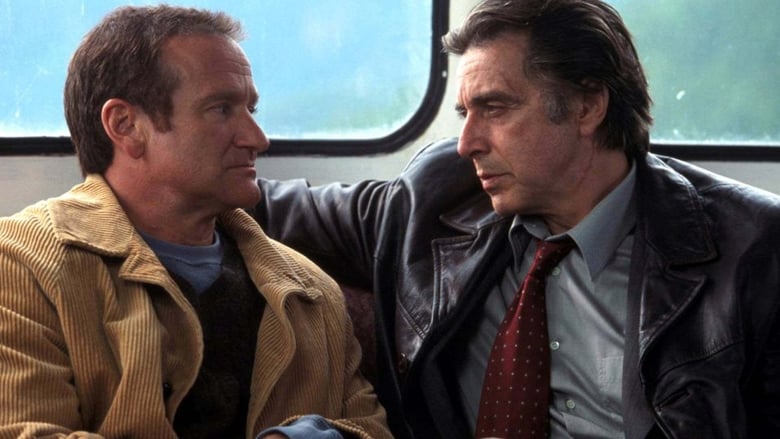
Insomnia
2002
-
Kingdom of Heaven
2005
-
Dunkirk
2017
-
Children of Men
2006
-
Undisputed II: Last Man Standing
2006
-
United 93
2006
-
Felon
2008
-

Blood and Bone
2009
-
Batman: Under the Red Hood
2010
-
Undisputed III: Redemption
2010