Brokeback Mountain
"The silence is louder than the wind."
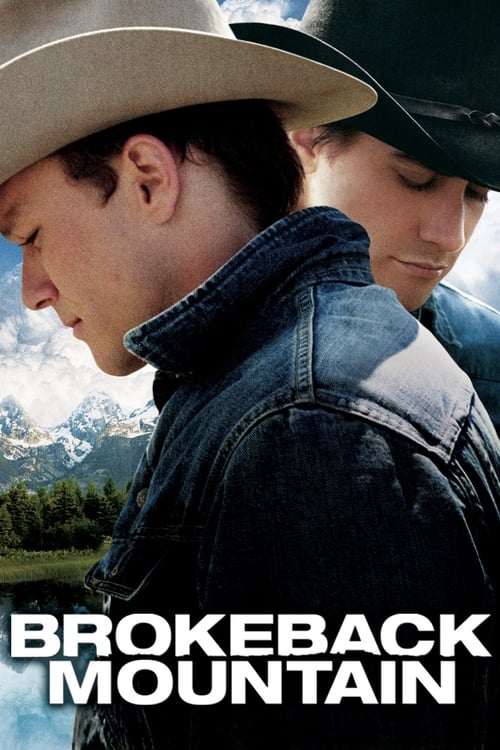
The first thing that hits you isn't the romance, but the crushing, suffocating weight of the Wyoming wind. Back in 2005, before the "Prestige TV" boom and the MCU's total dominance, Brokeback Mountain arrived like a weather front—something unavoidable, slightly chilling, and impossible to ignore. It was labeled the "gay cowboy movie" by a media landscape that wasn't quite sure how to handle its earnestness, but looking back nearly two decades later, that label feels like a cheap reduction. This isn't just a story about two men in love; it’s a bruising investigation into the cost of pretending to be someone else.
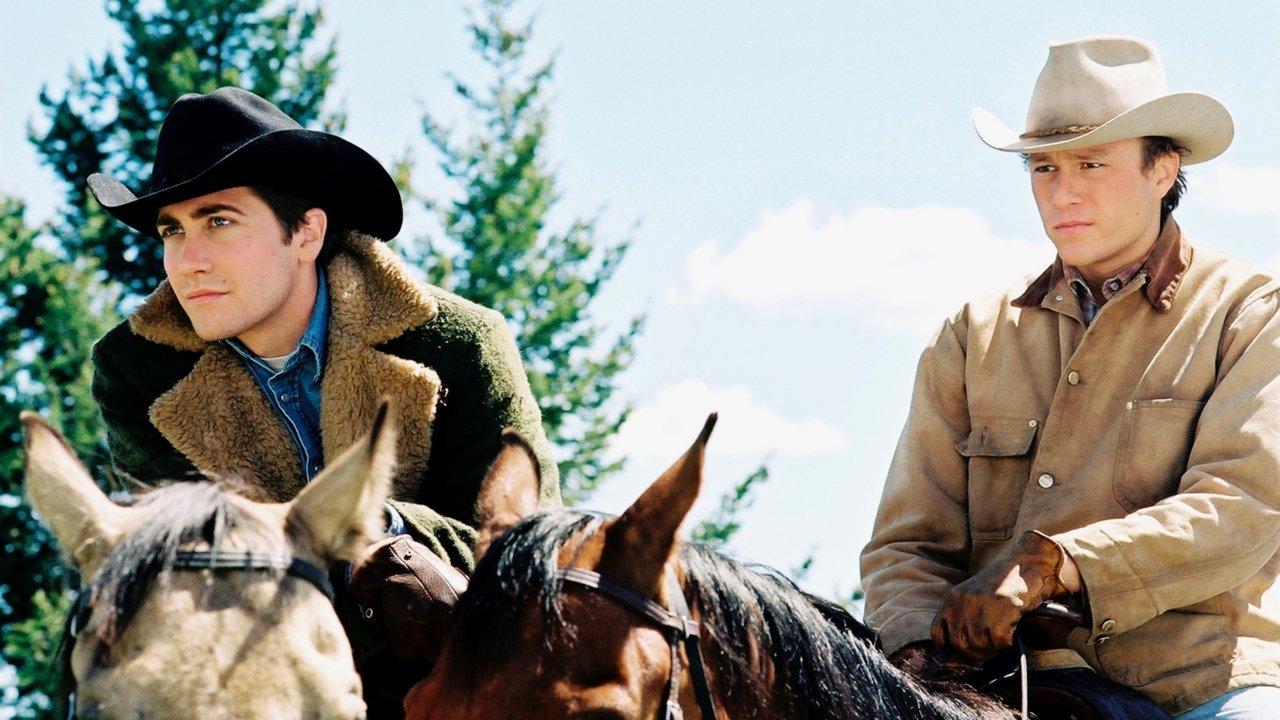
I watched this again on a flight once while a kid behind me kicked my seat for two hours, and somehow that physical annoyance perfectly mirrored the internal frustration of the main characters. You want them to move, to react, to change their circumstances, but they are pinned in place by the era they inhabit.
The Anatomy of Repression
The film belongs to Heath Ledger, whose portrayal of Ennis Del Mar remains one of the most staggering pieces of acting in the modern era. Directed by Ang Lee (who was coming off the polarizing Hulk and actually considered retiring before this project), the movie treats Ennis like a man who has swallowed a bag of stones. Heath Ledger plays him with a locked jaw and a voice that sounds like it’s being dragged over gravel. He’s a man who has been taught that to feel is to be in danger.
Opposite him, Jake Gyllenhaal (fresh off the cult success of Donnie Darko) provides the light to Ledger’s shadow. As Jack Twist, Gyllenhaal is the dreamer, the one who thinks they can build a "little cow-and-calf operation" and escape the world. Their chemistry isn't just sexual; it’s a desperate, gasping sort of need. When they finally reunite after four years apart, the physical explosion of their embrace is less about lust and more about a dam finally breaking. Ennis Del Mar is less of a character and more of a walking graveyard for the American Dream.
The Women Left in the Dust
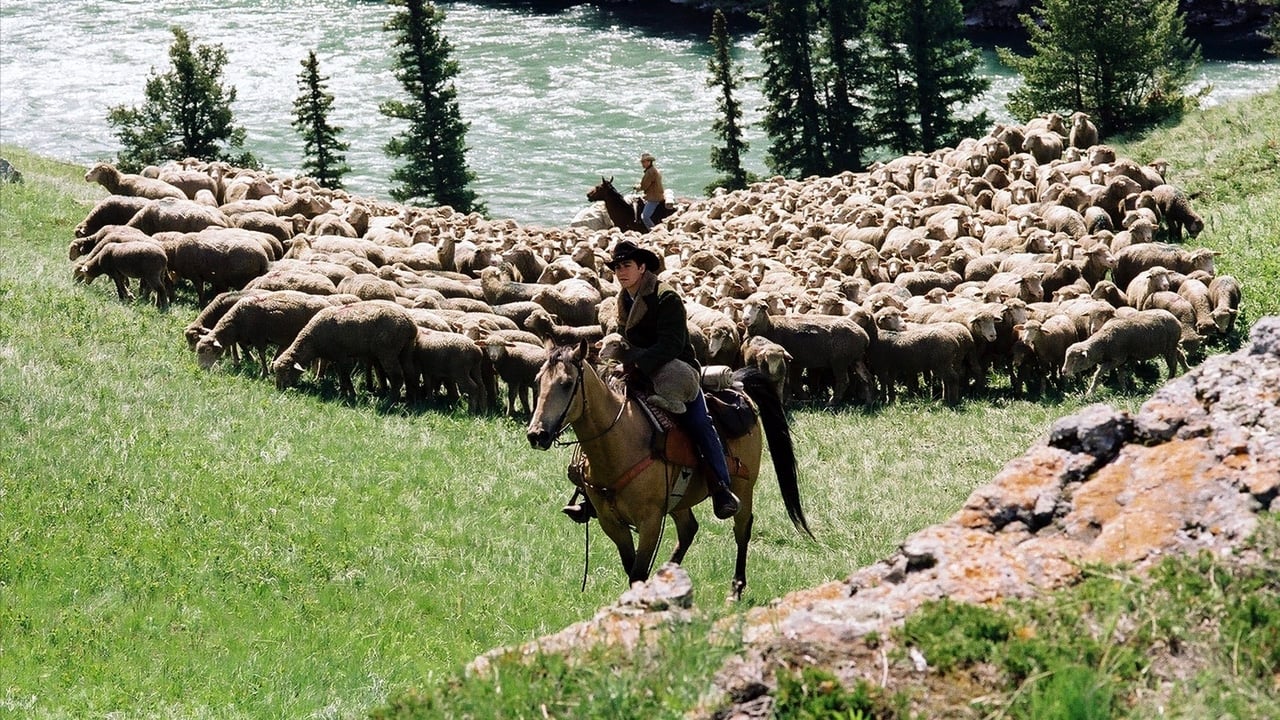
While the central romance is the hook, the film’s brilliance lies in how it treats the people on the periphery. Michelle Williams delivers a performance that arguably rivals the leads. As Ennis's wife, Alma, she represents the collateral damage of a society that forces men into narrow boxes. There is a scene where she watches the two men reunite from a window, and the look on her face—a mixture of realization, betrayal, and immediate mourning—is devastating.
Similarly, Anne Hathaway as Lureen shows the flip side of the coin: the steeliness required to survive a marriage built on a void. It’s easy to forget that this was a massive "star-making" moment for both actresses. Before they were icons, they were here, grounding a high-concept drama in the grit of domestic reality. The film doesn't vilify them; it simply shows how their lives were also shaped (and warped) by the same rigid social codes that doomed Jack and Ennis.
A Phenomenon Built on Silence
By 2005 standards, Brokeback Mountain was a massive financial anomaly. Produced for a modest $14 million by Focus Features, it went on to gross over $178 million worldwide. It was the peak of the "Indie Renaissance," where a platform release could actually turn a quiet drama into a cultural lightning bolt. People weren't just watching it; they were arguing about it at watercoolers and late-night talk shows. "Crash" winning Best Picture over this wasn't just a snub; it was a collective flinch from a Hollywood that was terrified of a movie this vulnerable.
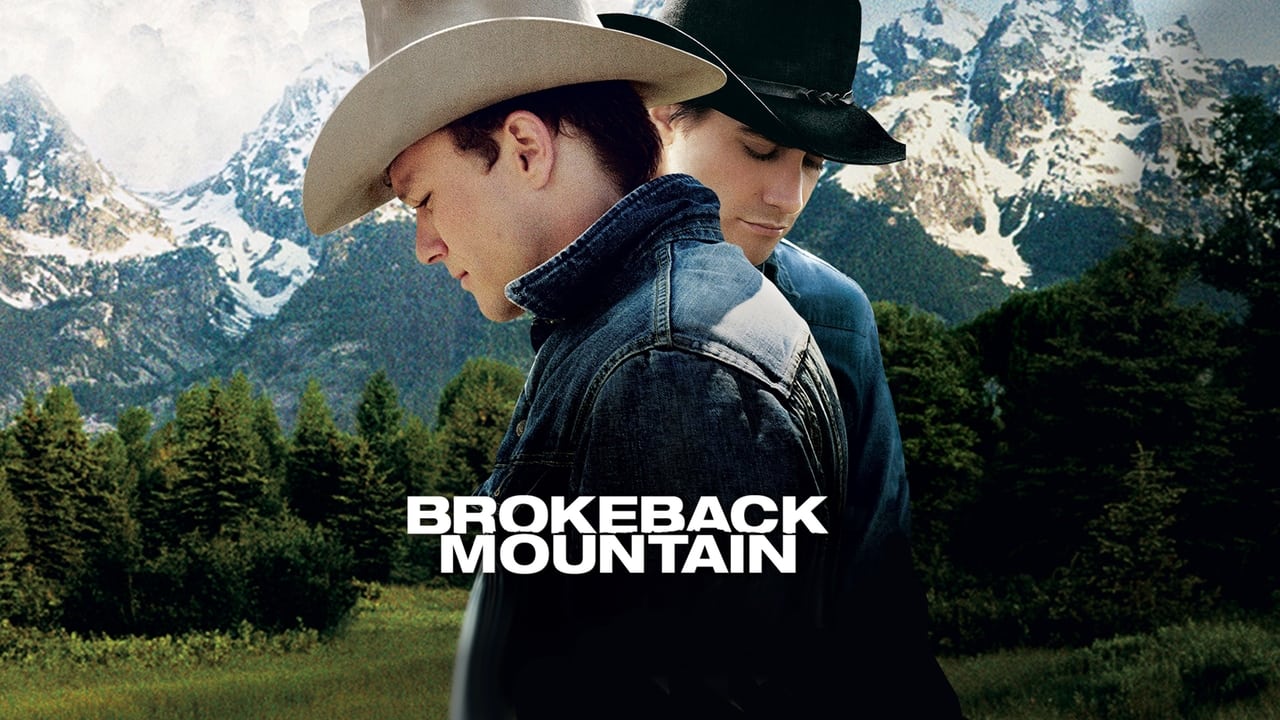
The trivia surrounding the production only adds to the mystique. To get into character, Heath Ledger spent weeks in isolation, perfecting a specific, muffled dialect inspired by his character’s repressed nature. Apparently, he was so committed to the physicality that he nearly broke Jake Gyllenhaal’s nose during one of their more aggressive scenes. And those iconic intertwined shirts? They were eventually sold at a charity auction for over $100,000, proving that the film’s symbolism resonated far beyond the screen.
The DVD culture of the mid-2000s allowed fans to obsess over these details—the way the score by Gustavo Santaolalla (who also did The Last of Us) uses a lonely acoustic guitar to mimic the vastness of the landscape, or how the cinematography by Rodrigo Prieto makes the mountains look both like a cathedral and a prison.
Brokeback Mountain remains a towering achievement because it refuses to offer easy catharsis. It’s a film about the "if onlys" that haunt a life, wrapped in the visual language of a classic Western. It asks us why we spend so much of our short lives afraid of the very things that make us feel alive. Even if you think you know the story, the final shot of a tucked-away closet and two shirts remains one of the most quietly powerful endings in cinema history. It’s a movie that doesn't just ask for your attention; it leaves a permanent mark on your soul.


Keep Exploring...
-

Crouching Tiger, Hidden Dragon
2000
-

Sense and Sensibility
1995
-
The Reader
2008
-
10 Things I Hate About You
1999
-
Moulin Rouge!
2001
-
Atonement
2007
-
The Bridges of Madison County
1995
-
Love & Other Drugs
2010
-

A Walk to Remember
2002
-
The Wrestler
2008
-

Flipped
2010
-
Lost in Translation
2003
-
Chocolat
2000
-

Closer
2004
-
Sideways
2004
-
Walk the Line
2005
-
Step Up
2006
-

Juno
2007
-
The Proposal
2009
-

Up in the Air
2009