Broken Flowers
"Four exes. One son. Zero clues."
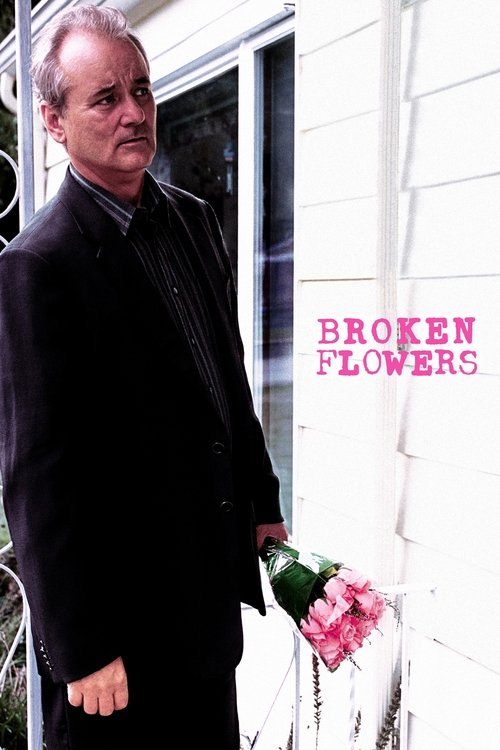
Bill Murray staring at a blank television screen while sitting in a designer tracksuit is arguably the most "2005" image in existence. It captures a specific flavor of mid-aughts malaise—that era where indie cinema decided that being profoundly bored was the height of cool. I remember watching this film for the first time while nursing a slightly lukewarm ginger ale and wearing socks with holes in the toes, and honestly, that’s the exact tax bracket of energy required to truly appreciate Broken Flowers.
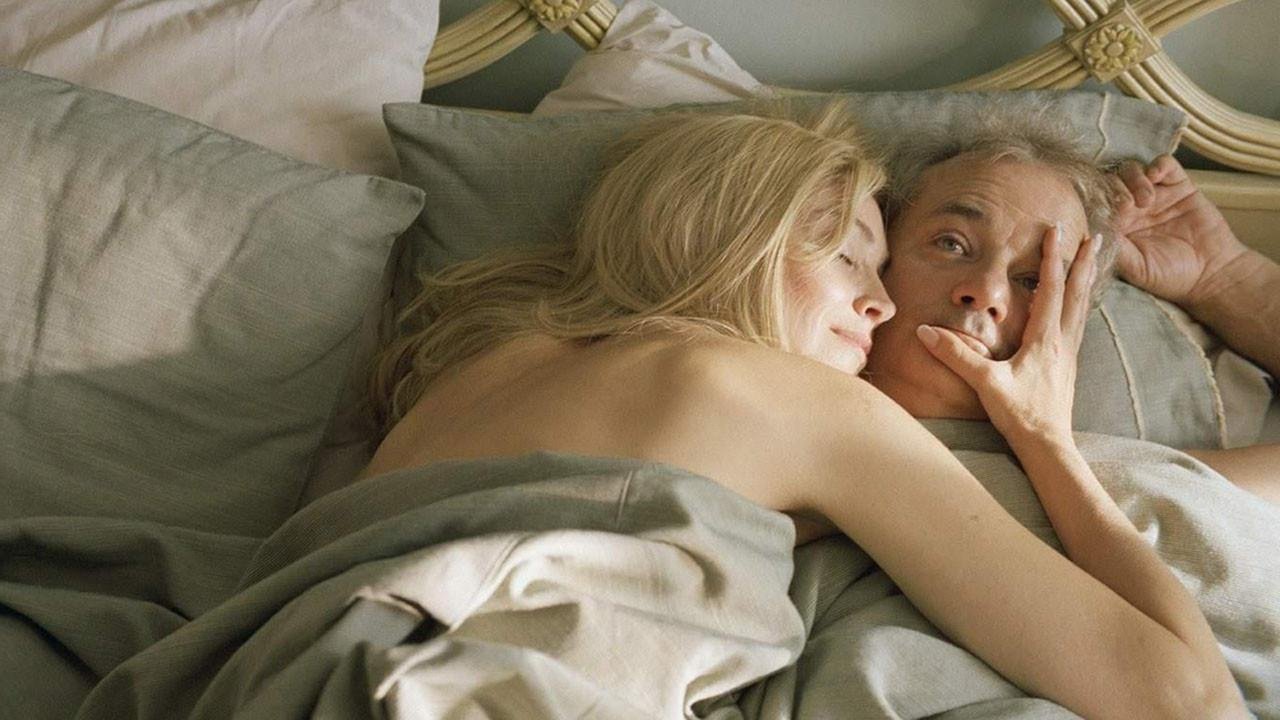
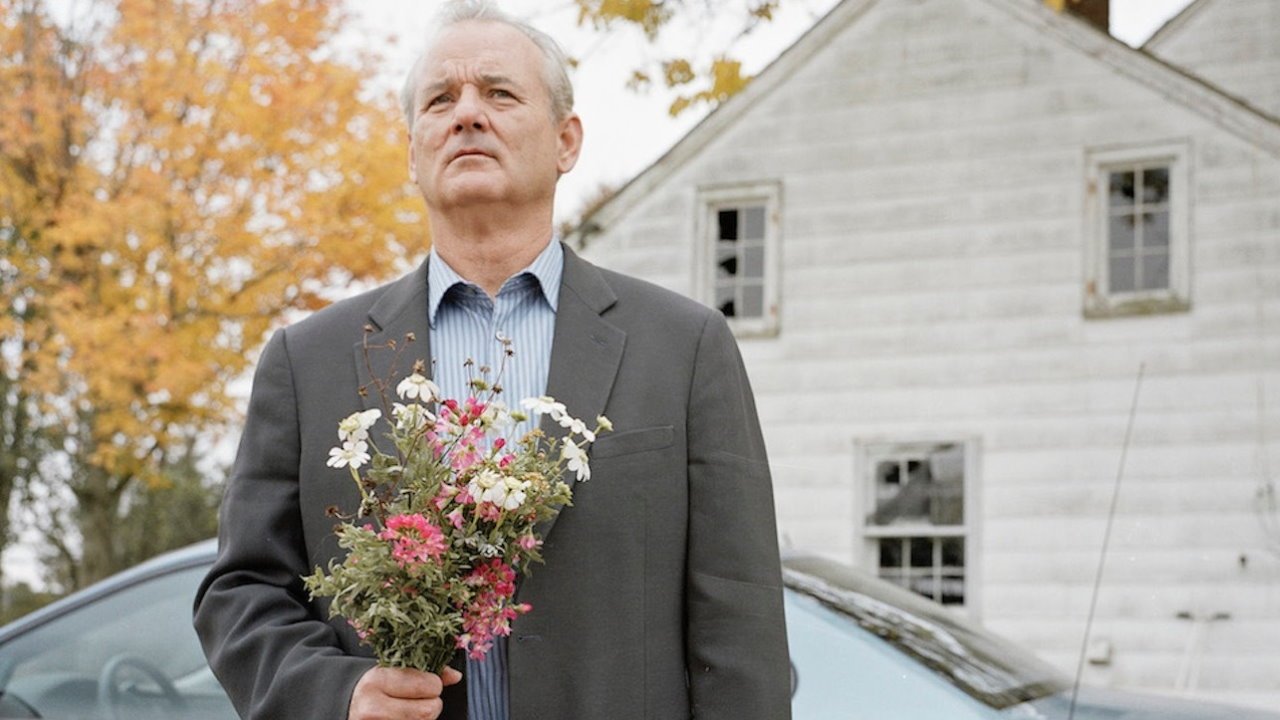
Directed by the king of cinematic cool, Jim Jarmusch, this isn't your typical road movie. It doesn't have the manic energy of a mid-life crisis comedy or the tear-soaked revelations of a prestige drama. Instead, it’s a mystery where the detective doesn't actually want to solve the case. Don Johnston (played with surgical precision by Bill Murray) is a retired "computer guy" and aging Don Juan who receives an anonymous pink letter claiming he has a nineteen-year-old son. While Don is content to let this information rot on his coffee table, his neighbor Winston—a freelance sleuth and family man played by a delightful Jeffrey Wright—forces him into a cross-country "Odyssey" to visit four former flames.
The Zen of the Pink Tracksuit
The brilliance of Broken Flowers lies in the silence. By 2005, the "Sundance Generation" had matured, and directors like Jarmusch (who basically invented the vibe with Stranger Than Paradise) were moving away from the gritty 90s aesthetic toward something more polished but equally detached. This film arrived right as the DVD market was exploding, and I recall the "Special Features" on the disc being almost as minimalist as the movie itself. There were no CGI breakdowns or motion-capture suits here; just a man in a rented Taurus driving through the beige suburbs of America.
Bill Murray’s face is a more effective special effect than anything in a Marvel movie. Looking back, this was the peak of his "Sad Murray" era, following Lost in Translation (2003) and The Royal Tenenbaums (2001). He does more with a blink than most actors do with a three-minute monologue. He’s a blank slate, and we, the audience, are forced to project our own anxieties about aging and regret onto his weary, drooping eyes.
A Rogues' Gallery of Regret
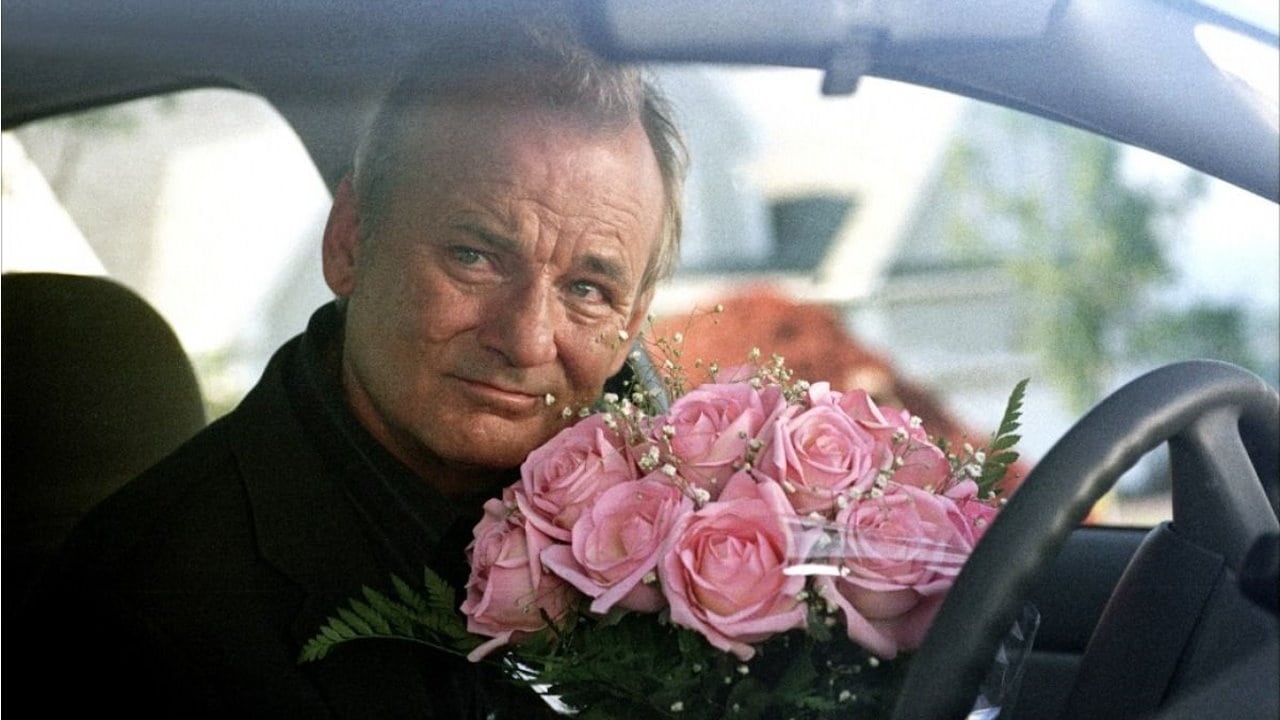
The structure is episodic, playing out like a series of short stories. Each encounter with an ex-lover is a miniature masterclass in performance. Sharon Stone is surprisingly warm and grounded as a widow living with her daughter, Lolita (played with a "blink and you'll miss it" boldness by Alexis Dziena). Then there’s Frances Conroy, who plays a former radical turned vanilla real estate agent. Their scene at a sterile dinner table is a masterstroke of awkwardness; I felt more tension watching them eat carrots than I did during most 2000s thriller climaxes.
The heavy hitters keep coming. Jessica Lange appears as an "animal communicator" who treats Don with the clinical coldness of a stranger, and Tilda Swinton—barely recognizable in a brown wig and a mountain-man aesthetic—provides a brief, explosive burst of resentment. These women aren't just plot points; they are mirrors. Each one reflects a version of Don that no longer exists, and the film refuses to give us the "Aha!" moment where we find out which one sent the letter.
The Sound of the Suburbs
If you’re looking for a film that captures the transition from analog to digital, Broken Flowers is a fascinating relic. Winston’s obsession with "the internet" as a tool for detective work feels endearingly quaint now, but at the time, it represented the new frontier of information. Yet, the film’s soul is entirely analog. The soundtrack, curated by Mulatu Astatke, is a hypnotic blend of Ethiopian jazz that shouldn't work for a road trip through middle America, but somehow it’s the only thing that makes sense.
Apparently, Jim Jarmusch wrote the script specifically for Bill Murray and wouldn't have made it with anyone else. It’s also rumored that the pink letter was actually written by Jarmusch himself to keep the mystery alive for the actors. This kind of directorial playfulness is what keeps the film from feeling like a dirge. It’s a comedy, but the kind where you laugh because the alternative is to stare into the abyss of your own past mistakes.
The ending of Broken Flowers is notoriously polarizing—I won’t spoil it, but I’ll say it’s the cinematic equivalent of a shrug. In 2005, some critics found it frustrating, but looking back, it feels like the only honest way to end a story about a man who has spent his life avoiding conclusions. It’s a quiet, beautifully shot, and deeply human look at the "strange surprises" life throws at us, even when we’re trying our hardest to stay on the couch. Seek it out if you want to see a master at the height of his minimalist powers.
Keep Exploring...
-
Coffee and Cigarettes
2004
-
Nick and Norah's Infinite Playlist
2008
-
Only Lovers Left Alive
2013
-
Night on Earth
1991
-
Confessions of a Dangerous Mind
2002
-
S1m0ne
2002
-
What a Girl Wants
2003
-
Jersey Girl
2004
-
A Lot Like Love
2005
-
Casanova
2005
-
The Family Stone
2005
-
The Sisterhood of the Traveling Pants
2005
-

A Good Year
2006
-
Dan in Real Life
2007
-
Lars and the Real Girl
2007
-
The Nanny Diaries
2007
-
Ghost Town
2008
-
Wild Child
2008
-
Youth in Revolt
2009
-
I Love You Phillip Morris
2010