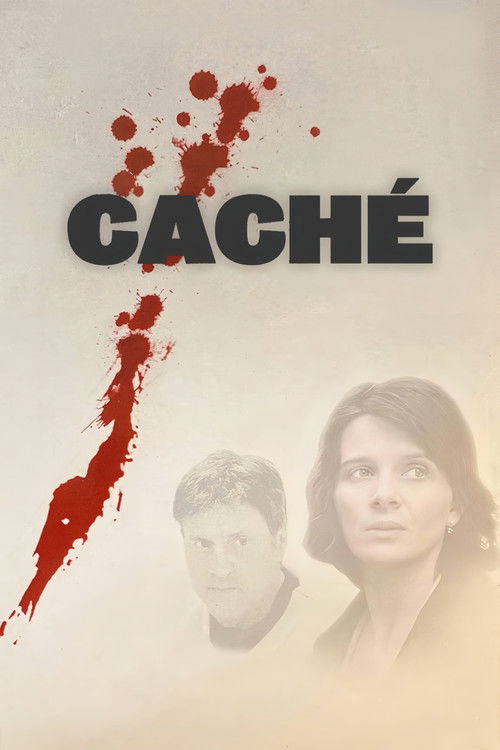
Caché
"Someone is watching. Everyone is guilty."
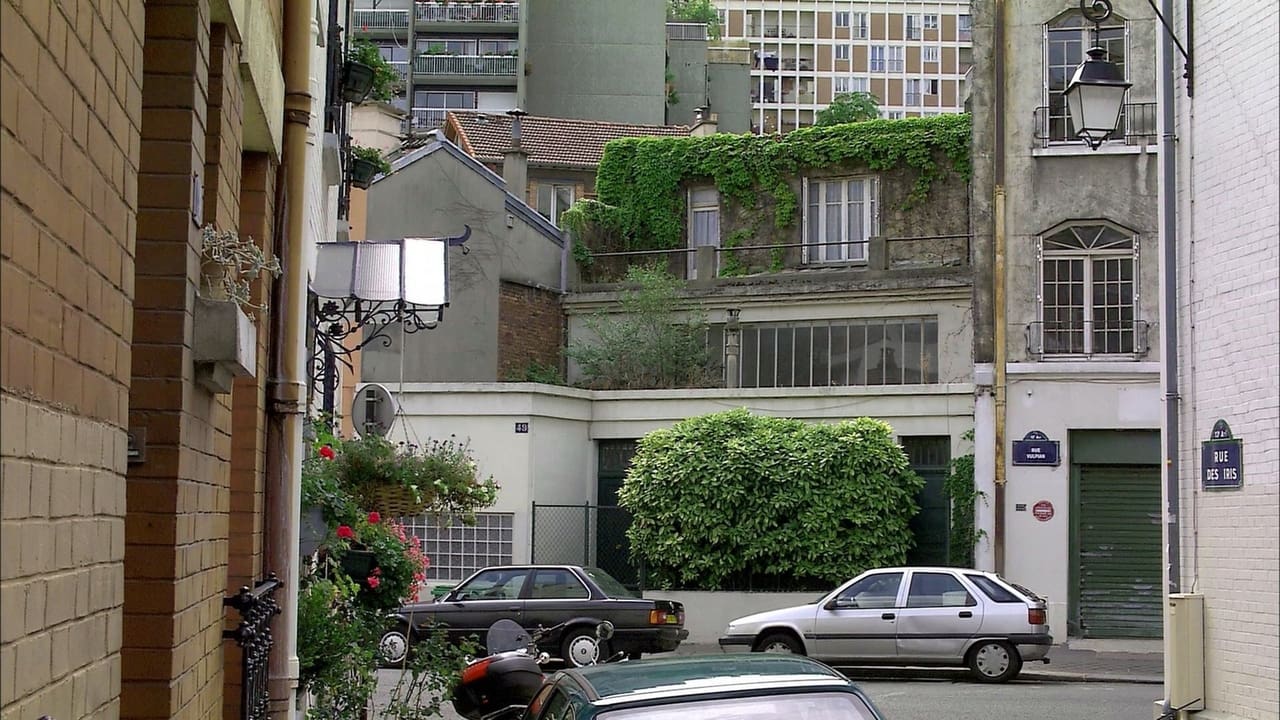
You’re staring at a grainy, static shot of a quiet street in a posh Parisian suburb. Nothing happens for minutes. A car passes. A pedestrian walks by. It’s the kind of shot that usually gets left on the cutting room floor, yet you can’t look away because there’s a growing, prickling sensation at the base of your skull that something is deeply wrong. Then, the image begins to fast-forward.
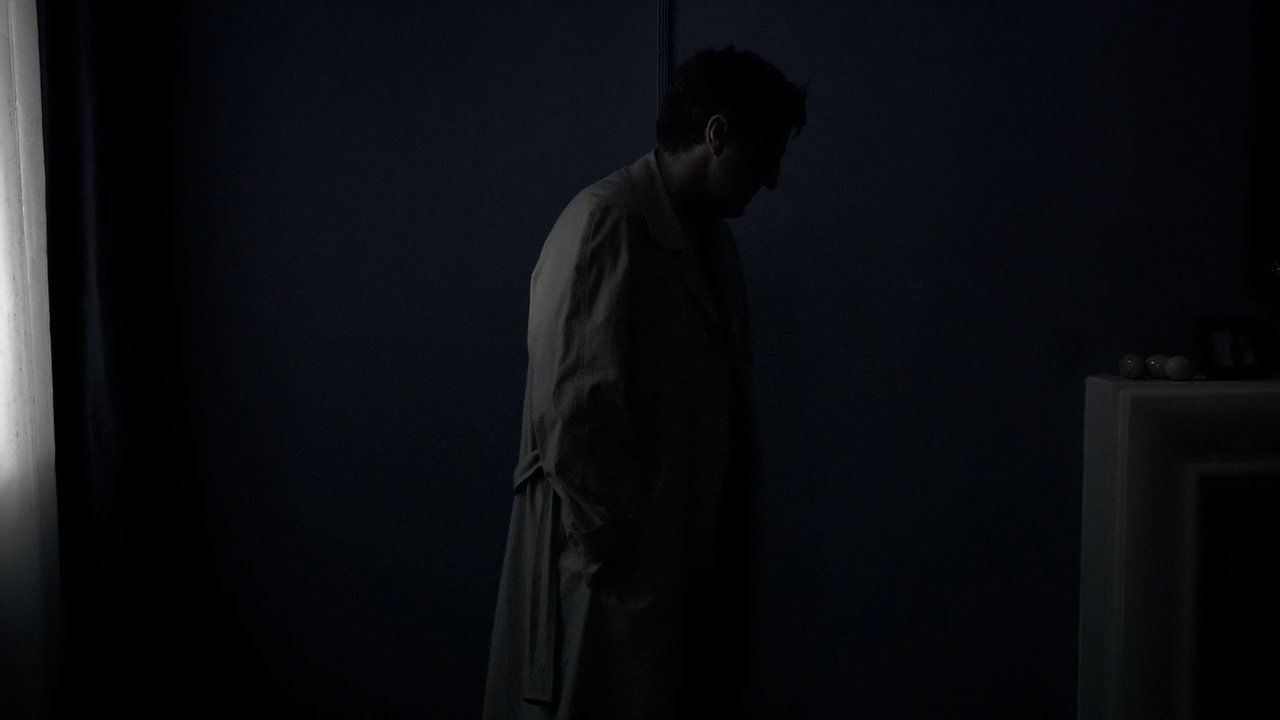
The realization hits: you aren't just watching a movie; you're watching a video tape of a movie that someone left on a doorstep. Michael Haneke, a director who seems to view the audience’s comfort as a personal affront, begins Caché (2005) by gaslighting you immediately. I first watched this on a laptop with a slightly cracked screen while my neighbor was loudly practicing the trombone, and honestly, the discordant blaring of a brass instrument only heightened the agonizing tension of Haneke’s clinical silence.
The Ghost in the Living Room
The story centers on Georges (Daniel Auteuil) and Anne (Juliette Binoche), a couple who represent the pinnacle of European intellectual comfort. Georges hosts a literary talk show; Anne works in publishing. Their life is a curated collection of floor-to-ceiling bookshelves and expensive red wine. This domestic bliss is punctured when they start receiving VHS tapes—yes, the thick, clunky plastic rectangles of the era—containing surveillance footage of their own home.
There are no jump scares here. There’s no masked killer breathing heavily down a phone line. Instead, the "threat" is the mere fact of being seen. As the tapes become more personal, accompanied by crude, bloody drawings of a boy with a bleeding mouth, Georges is forced to dig into a childhood memory he’s spent forty years trying to bury. It involves Majid (Maurice Bénichou), an Algerian boy whose parents worked for Georges' family before disappearing during the 1961 Paris massacre—a real-life historical atrocity that France spent decades pretending didn't happen.
A High-Definition Ambush
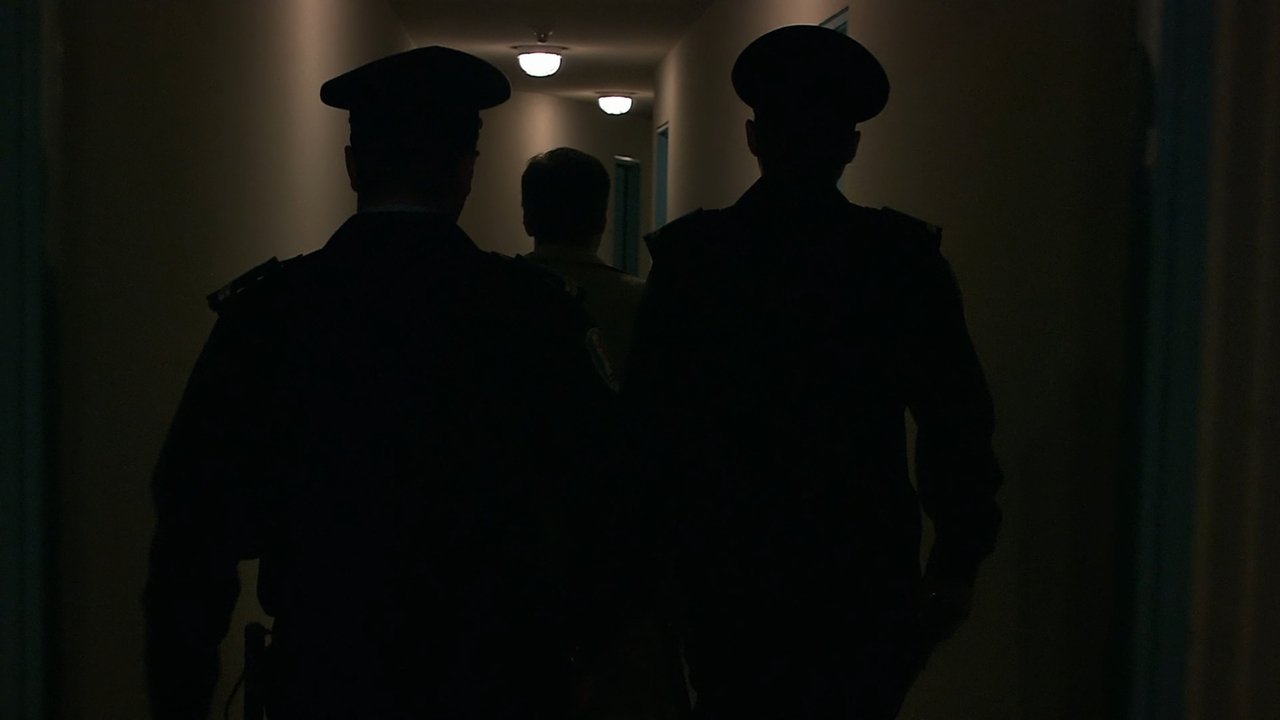
Looking back at 2005, Caché arrived right at the tipping point of the digital revolution. Michael Haneke (who also directed the grueling Funny Games) was an early adopter of high-definition video, specifically the Sony HDW-F900. While other directors were using digital to make things look "glossy" or "cinematic," Haneke used it to make the film look indistinguishable from the surveillance tapes within the story.
This was a brilliant, cruel trick. By removing the traditional "texture" of film, he stripped away the safety net that tells our brains "this is just a story." When the movie cuts from a tape to "reality," there is no visual cue to tell you which is which. You are constantly scanning the background of every frame, looking for the person holding the camera. Haneke is the cinema equivalent of a dentist who refuses to use Novocaine, and he wants you to feel every nerve ending of Georges’ disintegrating composure.
Daniel Auteuil is phenomenal here precisely because he isn't "likable." He’s a man whose primary defense mechanism is his own perceived victimhood. He’s arrogant, dismissive of his wife’s fears, and utterly terrified that his comfortable life might be built on a foundation of old blood. Juliette Binoche provides the necessary emotional friction, her face a map of escalating exhaustion as she realizes she doesn't actually know the man she’s sleeping next to.
The Mystery That Refuses to Die

In the era of DVD culture, Caché became a "holy grail" for armchair detectives. The special features and commentary tracks of the time were buzzing with theories because the film famously refuses to answer who sent the tapes. It’s the ultimate "Where’s Waldo" of psychological thrillers. If you watch the final shot—a long, static take of a school staircase—you might see the answer. Or you might see a completely different mystery beginning.
The film hasn't aged a day because its core anxiety—the feeling that our past sins are being recorded by a lens we can't see—has only become more relevant in the age of smartphones and ring cameras. It’s a drama that plays like a horror movie, except the monster isn't under the bed; it's the colonial guilt hiding in the attic of the national consciousness. If you prefer your endings tied up with a neat little bow, this movie will make you want to throw your remote at the screen.
Caché is an ordeal, but it’s an essential one. It’s a film that demands your total attention and rewards it with a lingering sense of unease that lasts for weeks. It’s not "fun" in the traditional sense, but as a piece of meticulous, confrontational filmmaking, it’s virtually peerless. Just be prepared to spend the next three days staring at the corners of your ceiling, wondering if that little red light on the smoke detector has always been there.
Keep Exploring...
-

The White Ribbon
2009
-
Tell No One
2006
-
The Piano Teacher
2001
-
Funny Games
1997
-
Infernal Affairs
2002
-
Inland Empire
2006
-
I'm Not Scared
2003
-

Confessions
2010
-
Arlington Road
1999
-
In the House
2012
-
Mulholland Drive
2001
-
Mystic River
2003
-
Lucky Number Slevin
2006
-
The Girl with the Dragon Tattoo
2009
-
Amour
2012
-

The Gift
2000
-
Gosford Park
2001
-
Joy Ride
2001
-
The Pledge
2001
-
Spider
2002