Capote
"The cost of a masterpiece is a piece of your soul."
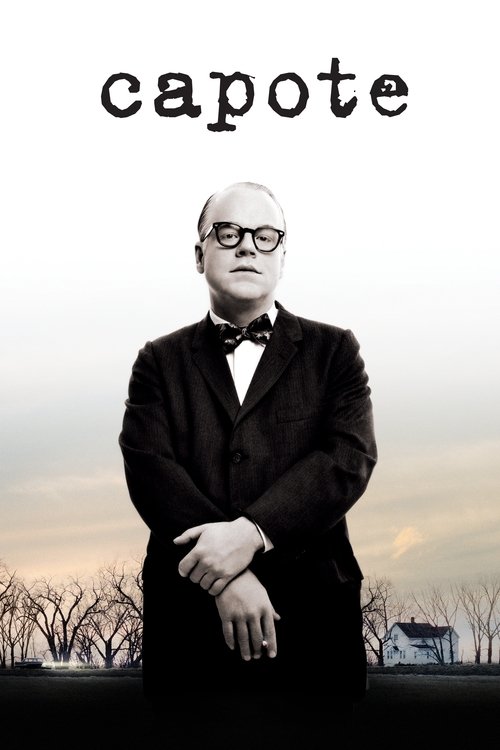
The first time I saw Philip Seymour Hoffman as Truman Capote, I wasn't in a theater. I was huddled on a secondhand velvet sofa in a drafty apartment, nursing a mug of tea that had gone cold an hour prior. My radiator was making a rhythmic, metallic clanking sound—like someone tapping a wrench against a pipe—and for some reason, that industrial noise perfectly punctuated the chilly, calculated atmosphere of this film. It’s a movie that makes you want to pull a blanket tighter around your shoulders, not because of the Kansas winter on screen, but because of the moral frostbite spreading through the protagonist.
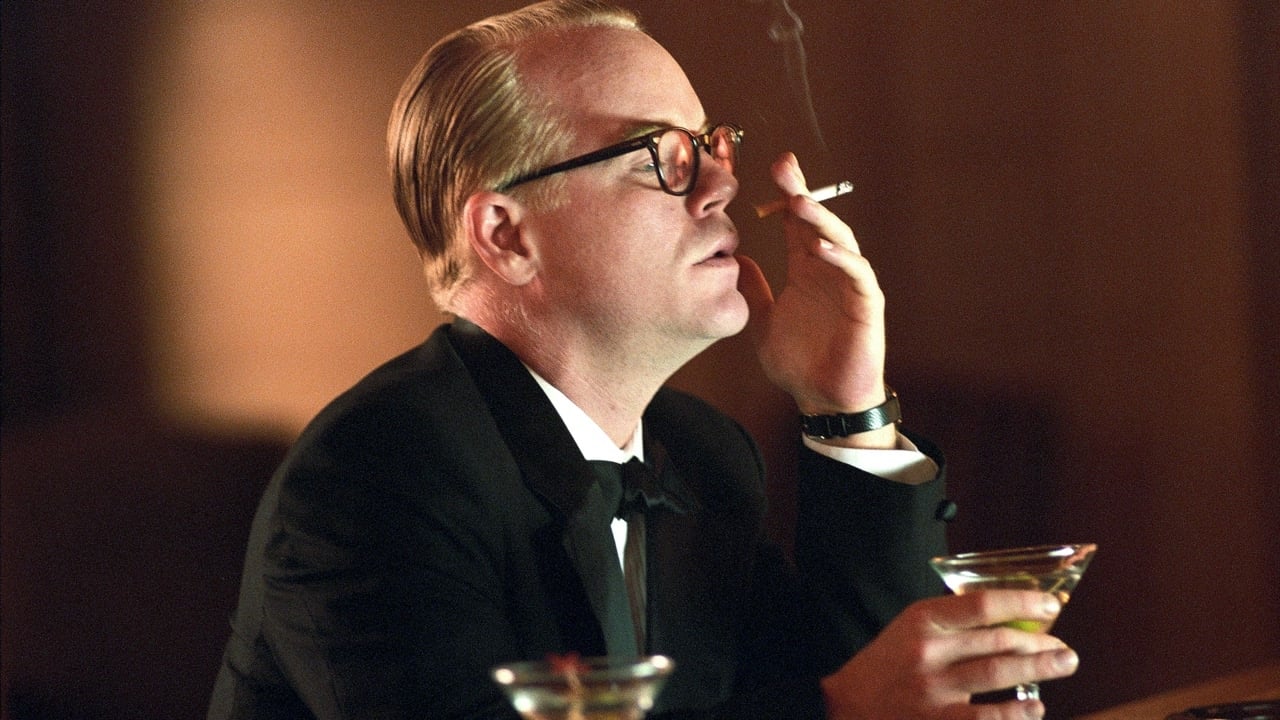
Released in 2005, Capote arrived during that specific window of the mid-aughts when the "Prestige Biopic" was the undisputed king of the multiplex. This was the era of Ray and Walk the Line, films that often followed a comfortable "rise-fall-redemption" arc. But Bennett Miller (who would later give us the equally somber Foxcatcher) did something different here. He didn’t make a celebratory portrait of a literary lion; he made a quiet, devastating autopsy of an artist’s conscience.
The Vampire in the Velvet Tuxedo
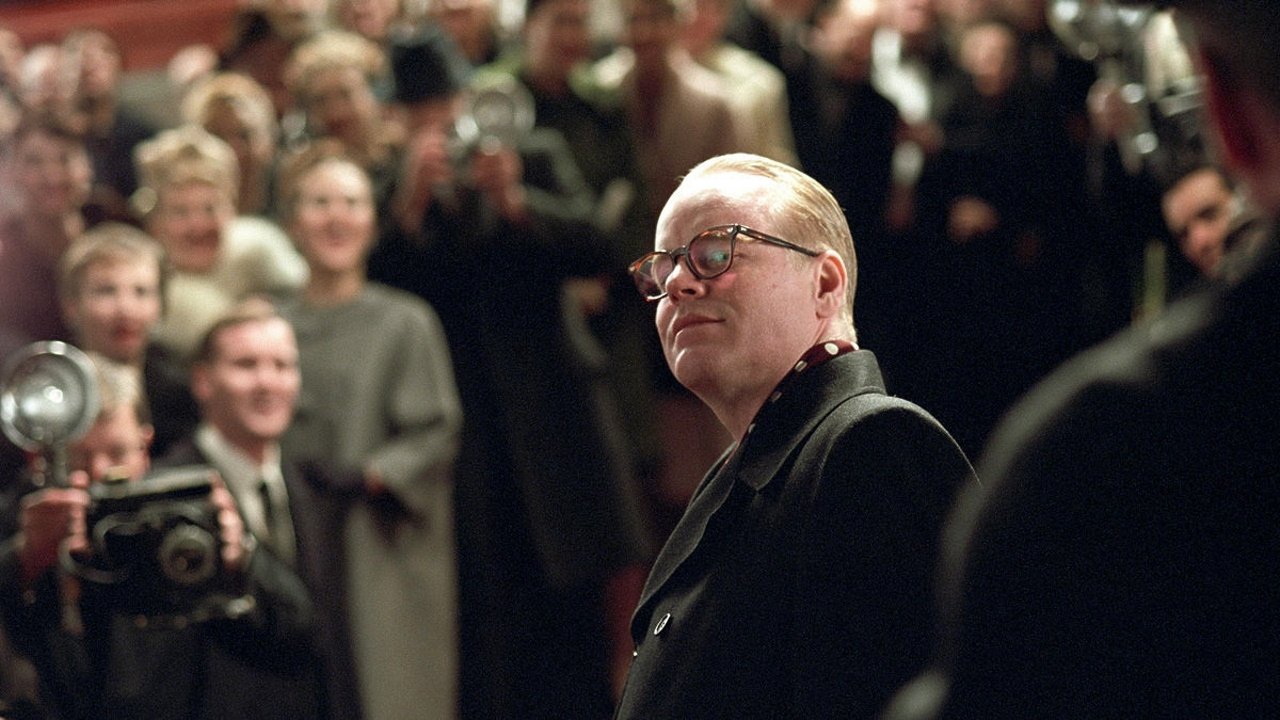
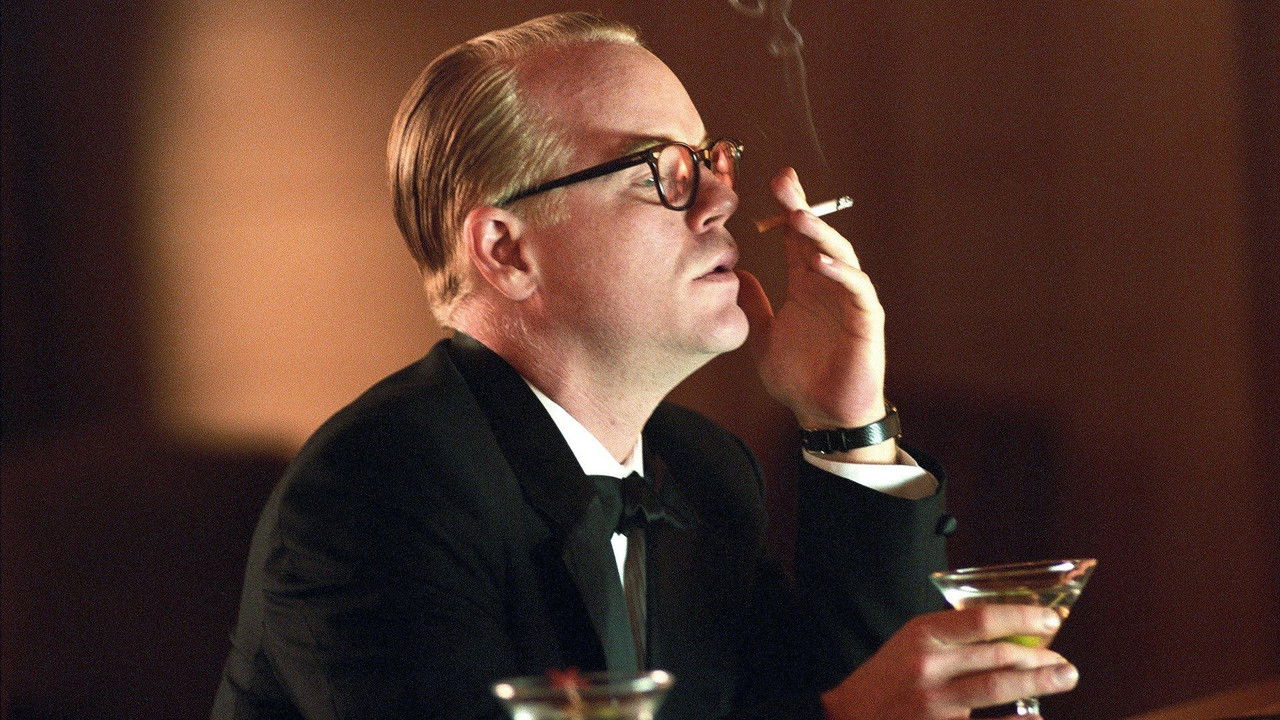
At the heart of the film is a performance that honestly feels like a haunting. We all know the "Capote voice"—that high-pitched, gossipy wail that seems designed to command a dinner party—but Philip Seymour Hoffman goes miles beyond mimicry. He captures the desperate, predatory need for attention that fueled the real man. Watching him navigate a Kansas crime scene in a long, expensive overcoat is like watching an alien land in a wheat field. He is fundamentally "other," yet he uses his outsider status as a skeleton key to unlock the secrets of a grieving community.
Hoffman plays Capote as a man who would sell his own mother for a better closing sentence. It’s a brave, often repulsive portrayal. We see him manipulate the grieving and the guilty with equal poise. The way he adjusts his scarf or settles into a chair suggests a man who is always "on," even when his only audience is a cold-blooded killer in a prison cell.
A Study in Moral Erosion
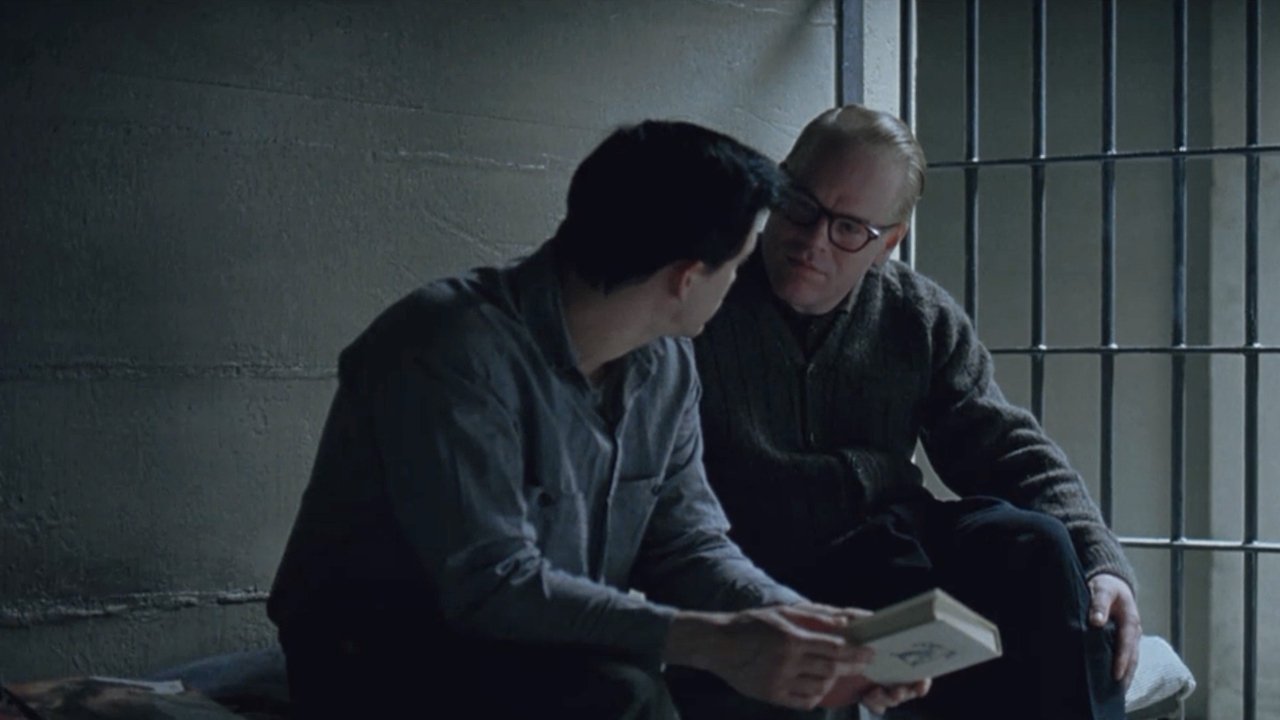
The plot follows the well-documented creation of In Cold Blood, the book that birthed the "non-fiction novel." Capote travels to Holcomb, Kansas, with his childhood friend Harper Lee (played with a wonderful, grounded stillness by Catherine Keener) to investigate the murder of the Clutter family. While there, he becomes obsessed with one of the killers, Perry Smith.
Clifton Collins Jr. is the film’s secret weapon as Smith. He brings a soft-spoken, wounded vulnerability to a man who did something unspeakable. The chemistry between him and Hoffman is uncomfortable to watch; it’s a high-stakes poker game where the currency is human empathy. Capote needs Perry to open up so he can finish his book, but for Perry to hang, the book needs an ending. The movie is essentially a high-end slasher where the weapon is a typewriter. You watch Truman provide legal help to the killers just to keep them alive long enough to get the story, while secretly praying for the executions to happen so he can finally publish. It’s a nauseating paradox.
The Beauty of the Cold
Visually, the film is a masterclass in restraint. Cinematographer Adam Kimmel strips the color out of the Kansas landscape until it looks like an old, faded photograph. The wide shots of the plains aren't "majestic"—they’re lonely and indifferent. Everything feels flat and grey, which makes the scenes in high-society New York feel even more garish and hollow.
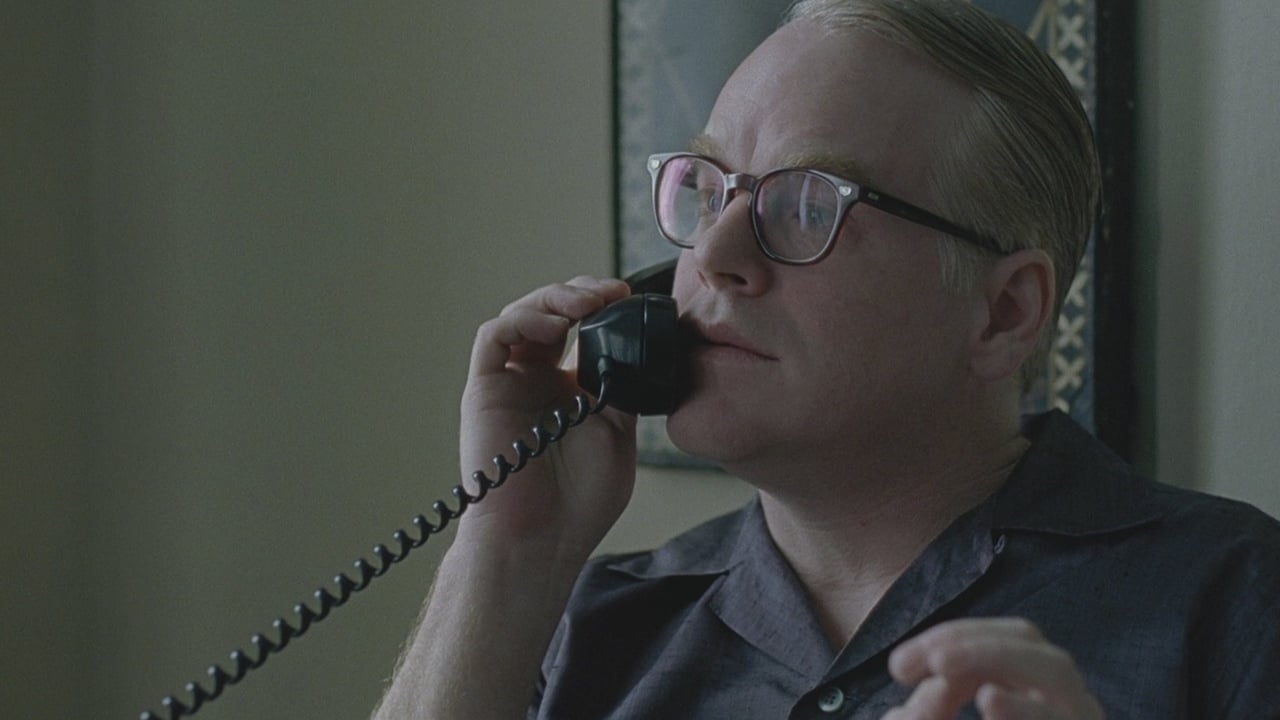
It’s also worth noting how well this film sits in the "DVD era" of filmmaking. I remember the special features on the disc being unusually candid about the production's struggles. Turns out, another Capote biopic (Infamous) was being shot at almost the exact same time. This created a frantic race to theaters, which usually spells disaster for a film’s quality. Yet, Capote feels anything but rushed. It’s a slow-burn tragedy that respects the audience's intelligence enough to leave the most damning questions unanswered.
Does Truman actually care for Perry, or is he just a master of the "long con"? The film suggests both are true, which is a much more uncomfortable reality to live with. Catherine Keener’s Harper Lee serves as our moral compass here, her silent judgments mirroring our own as she watches her friend dissolve into a cocktail of ego and Scotch.
Capote is a film that has arguably been buried under the weight of Philip Seymour Hoffman's later passing and the sheer volume of biopics that followed it. But looking back, it stands as a towering achievement of the 2000s indie-to-prestige pipeline. It’s a dark, forensic look at the price of greatness and the wreckage left behind when an artist decides that the work is more important than the person. It’s not an easy watch, and you certainly won’t leave it feeling "inspired," but it’s a film that stays in your marrow long after the credits roll. If you haven't revisited it since the mid-2000s, it's time to go back out into the cold.
Keep Exploring...
-
Before the Devil Knows You're Dead
2007
-
Mesrine: Killer Instinct
2008
-
Mesrine: Public Enemy #1
2008
-

Dancer in the Dark
2000
-
The Man Who Wasn't There
2001
-
Infernal Affairs
2002
-
Bad Education
2004
-
The Protector
2005
-
Gridiron Gang
2006
-
Tell No One
2006
-
Undisputed II: Last Man Standing
2006
-
United 93
2006
-

A Prophet
2009
-
Mother
2009
-
I'm Not Scared
2003
-
Matchstick Men
2003
-

3-Iron
2004
-
A Bittersweet Life
2005
-
Batman: Under the Red Hood
2010
-

Elite Squad: The Enemy Within
2010