Casanova
"He broke hearts. She broke the rules."
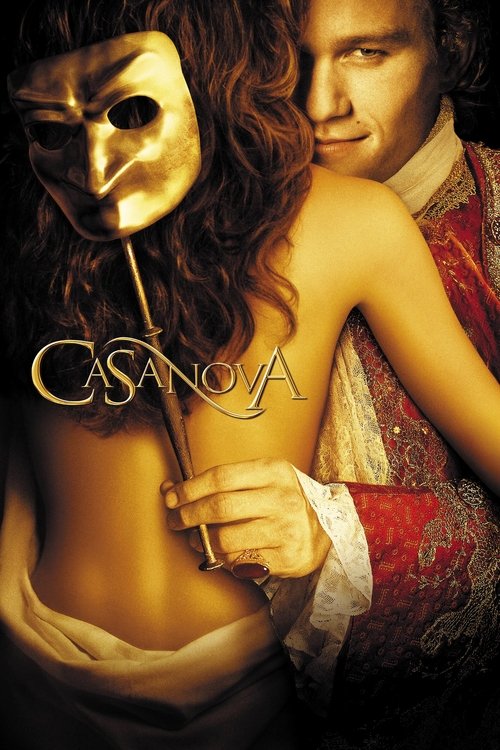
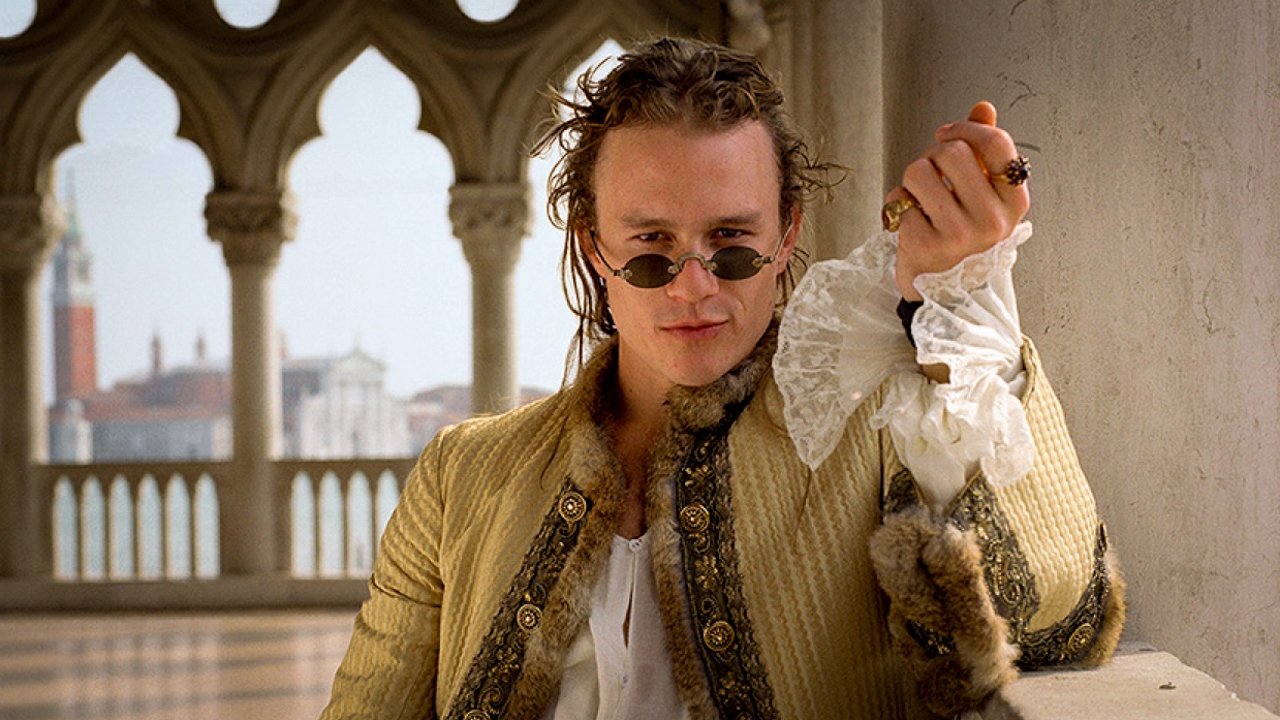
If you were to walk into a Blockbuster in late 2005, you’d have found two very different versions of Heath Ledger staring back at you from the "New Releases" shelf. One was the brooding, heartbreaking cowboy in Brokeback Mountain, a role that would redefine his career. The other was the titular rogue in Casanova, a film that feels like a sun-drenched, sugar-dusted vacation from reality. While the world (rightfully) obsessed over the former, Lasse Hallström’s Venetian romp mostly drifted into the "Oh yeah, I remember that one" territory.
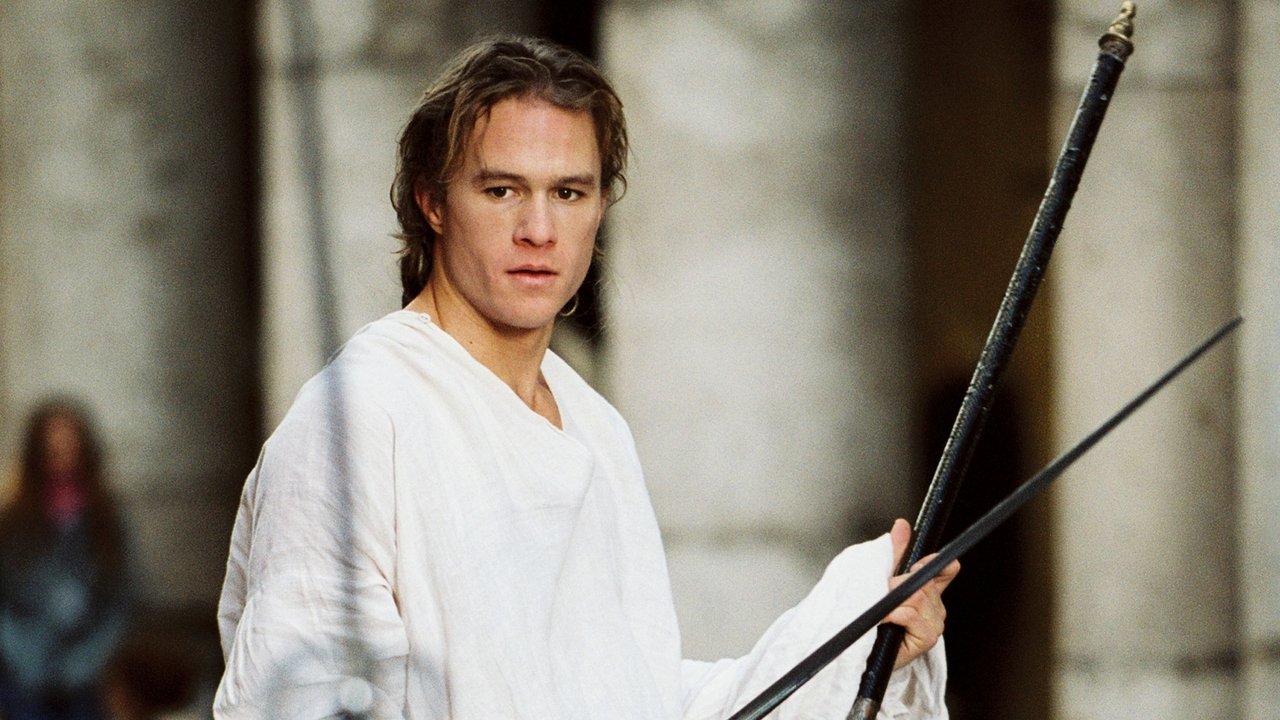
I revisited this recently on a Tuesday night while my neighbor’s parrot was screaming what sounded like operatic insults in the background, and honestly, the chaos outside matched the energy on screen perfectly. It’s a movie that doesn't just lean into its genre; it dives headfirst into a canal of pure, unadulterated whimsy.
A Pre-Superhero Swashbuckler
Released during that mid-2000s sweet spot where studios were still willing to throw $20 million at a period piece that wasn't a franchise starter, Casanova is a fascinating relic. This was before the MCU made every leading man follow a specific "quippy-but-haunted" template. Heath Ledger plays Giacomo Casanova not as a predatory creep, but as a legendary athlete of the bedroom who is, frankly, getting a little tired of the hustle. He’s charming, athletic, and possesses a comedic timing that people often forgot he had until The Dark Knight or A Knight's Tale.
The plot is a classic Shakespearean comedy of errors filtered through a Hollywood lens. Casanova needs to marry a virgin to avoid being exiled from Venice by the Inquisition, but he accidentally falls for Francesca (Sienna Miller), a proto-feminist who writes radical pamphlets under a male pseudonym and thinks Casanova is a plague upon her sex. It’s essentially a 21st-century rom-com dressed in 18th-century silk, and it’s basically a Bugs Bunny cartoon with better costumes.
The Lard King and the Inquisitor
While Ledger is the engine, the supporting cast is the high-octane fuel. We need to talk about Oliver Platt. As Paprizzio, the "Lard King of Genoa" who is engaged to Francesca, Platt is a comedic revelation. He spends half the movie in a fat suit, yet he avoids being a punchline. He’s strangely sweet, deeply insecure about his girth, and has a scene involving "dietary" Macaroons that made me laugh loud enough to startle the aforementioned parrot.
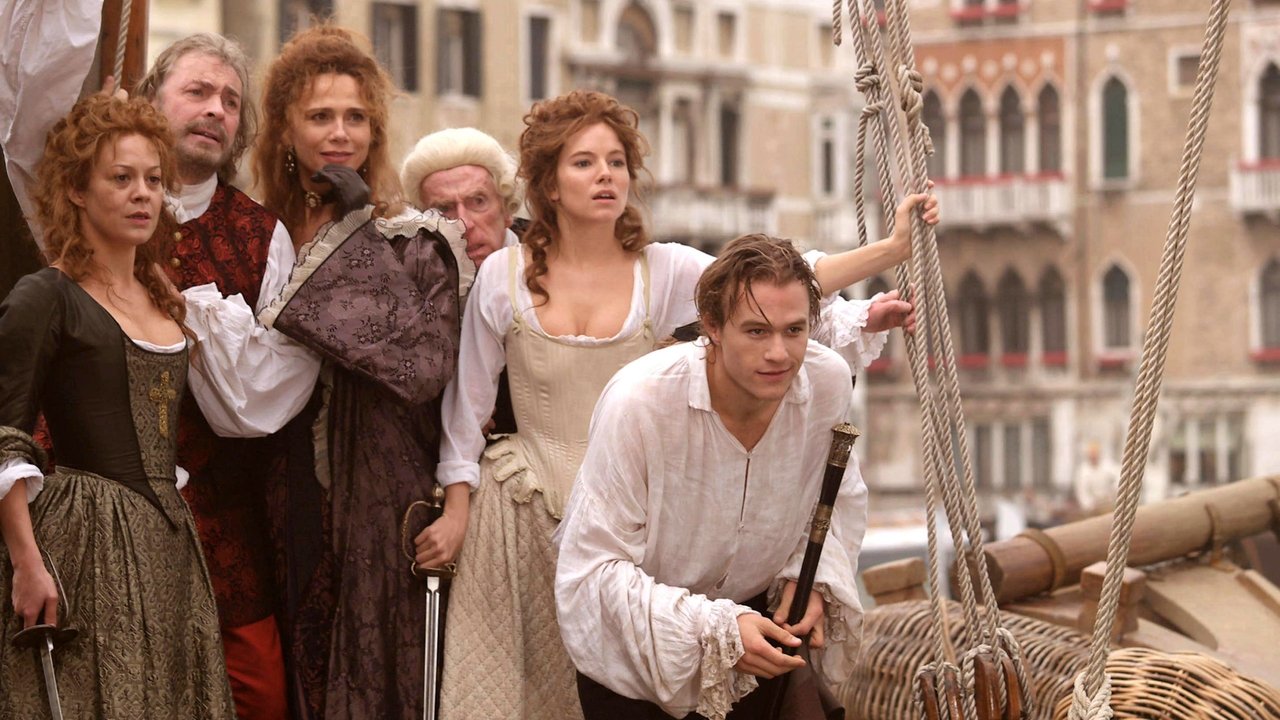
Then there’s Jeremy Irons. Usually, when you cast Jeremy Irons in a period drama, you expect gravitas and whispered threats. Here, as the fanatical Bishop Pucci, he is chewing so much scenery he probably didn't need a craft services table. He plays the villain with a high-pitched, neurotic intensity that feels like he’s in a completely different movie—a better, weirder movie. Watching him square off against Lena Olin (who plays Francesca’s mother with a wonderful, weary grace) provides the film with its most delightful friction.
Venice as a Practical Playground
One thing that immediately struck me looking back is how tangible everything feels. In 2005, we were right on the cusp of the "green screen everything" era. Hallström insisted on filming in Venice itself, and it pays off. You can see the dampness on the walls, the actual reflection of the sun on the water, and the way the light hits the costumes designed by Milena Canonero (who also did Marie Antoinette and The Grand Budapest Hotel).
There’s a sequence involving a hot air balloon that, in 2024, would be a blur of lackluster CGI. Here, it’s a physical object drifting over an actual piazza. It gives the film a weight and a "lived-in" opulence that modern digital productions often lack. It reminds me of the DVD era’s "Making Of" featurettes, where they’d show the crew struggling with gondolas in the rain; that effort translates to a visual richness that feels earned.
Why Did This One Slip Away?
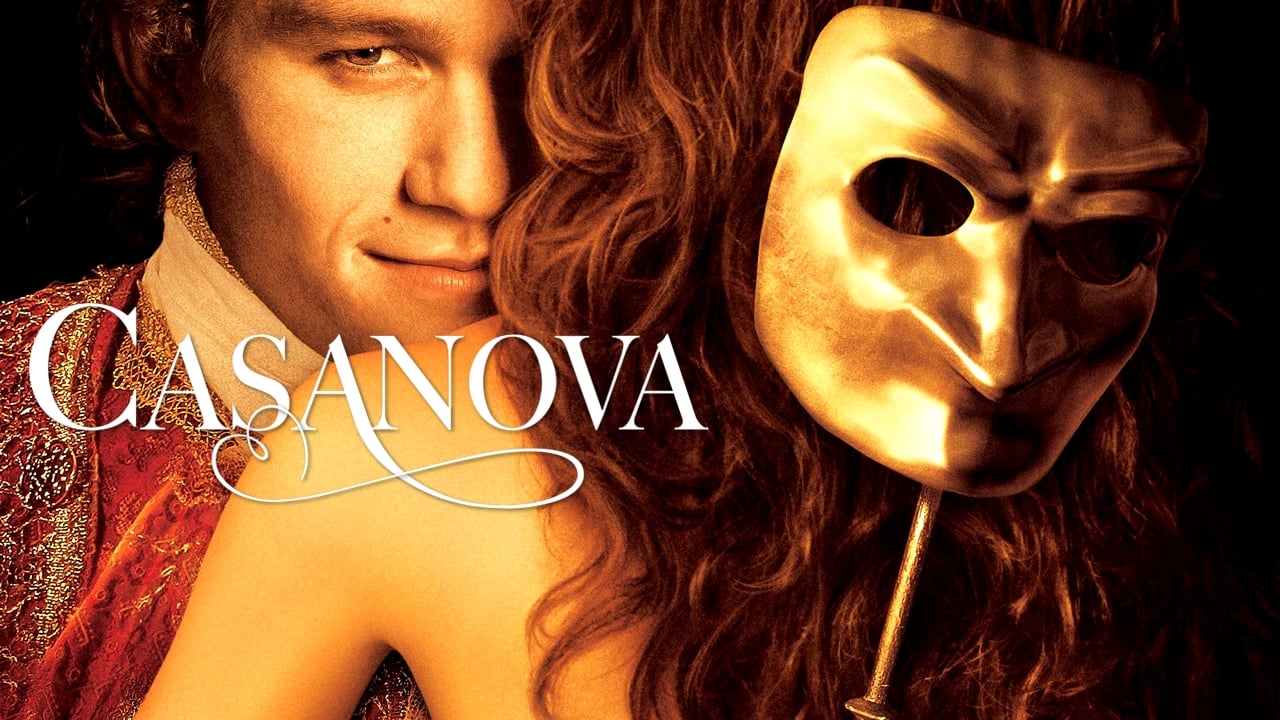
Casanova didn't fail, but it didn't leave a mark. It made its money back and then quietly exited the cultural conversation. Why? Perhaps because it’s a "nice" movie in an era that was starting to demand "gritty" or "epic." It’s a farce that doesn't take itself seriously for a single second. It’s also surprisingly progressive for 2005, giving Sienna Miller a character who is smarter than every man in the room, yet it wraps that message in so much lace and powder that it might have felt "lightweight" to critics at the time.
Looking back now, that lightness is its greatest strength. It doesn't want to change your life; it wants to give you 112 minutes of beautiful people running across rooftops and falling in love in the most inconvenient ways possible. It’s a reminder of a time when Heath Ledger was allowed to be a movie star in the most classical sense—dashing, funny, and effortlessly cool.
In the end, Casanova is the cinematic equivalent of a very expensive glass of Prosecco. It’s bubbly, it’s refreshing, it might give you a slight headache if you try to analyze the logic too hard, but you’ll be glad you had it. If you’re looking for a film that captures the lavishness of the mid-2000s production value before everything turned into a gray-filtered superhero slog, this is your ticket to Venice. It’s a charming, slightly forgotten gem that proves sometimes, the best way to win a heart is to stop trying so hard.

Keep Exploring...
-

Salmon Fishing in the Yemen
2012
-
Chocolat
2000
-
The Hundred-Foot Journey
2014
-
S1m0ne
2002
-
Holes
2003
-
First Daughter
2004
-
Are We There Yet?
2005
-
The Sisterhood of the Traveling Pants
2005
-
Nick and Norah's Infinite Playlist
2008
-
Morning Glory
2010
-
The Spanish Apartment
2002
-

Sahara
2005
-
Fool's Gold
2008
-

Wizards of Waverly Place: The Movie
2009
-
Love & Other Drugs
2010
-
A Goofy Movie
1995
-
EverAfter
1998
-
Blast from the Past
1999
-
Never Been Kissed
1999
-
What to Expect When You're Expecting
2012