Charlie and the Chocolate Factory
"A sugar rush with a sharp Gothic aftertaste."
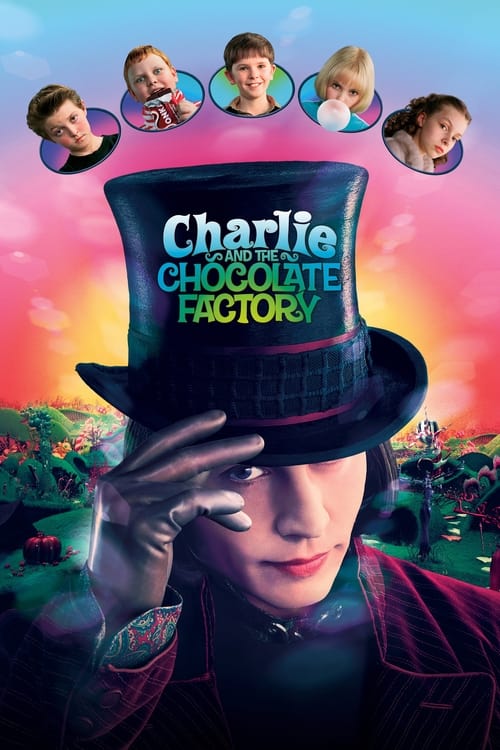
In the mid-2000s, there was a specific brand of cinematic maximalism that felt like it could only happen in the transition between practical sets and the burgeoning "anything is possible" era of CGI. I walked into the theater in 2005 expecting a colorful romp, but within ten minutes, I realized I was trapped in a highly stylized, claustrophobic, and deliciously weird fever dream. It was the peak of the Tim Burton and Johnny Depp creative marriage—a time when their collaboration felt less like a habit and more like a dare to see how much "weird" a studio budget could actually buy.
I watched this recently while sitting on a beanbag chair that was losing its structural integrity, eating a slightly stale KitKat I found in the back of the pantry, and honestly, the crunch of the wafer matched the brittle, high-strung energy of this film perfectly.
Candy-Coated Maximalism
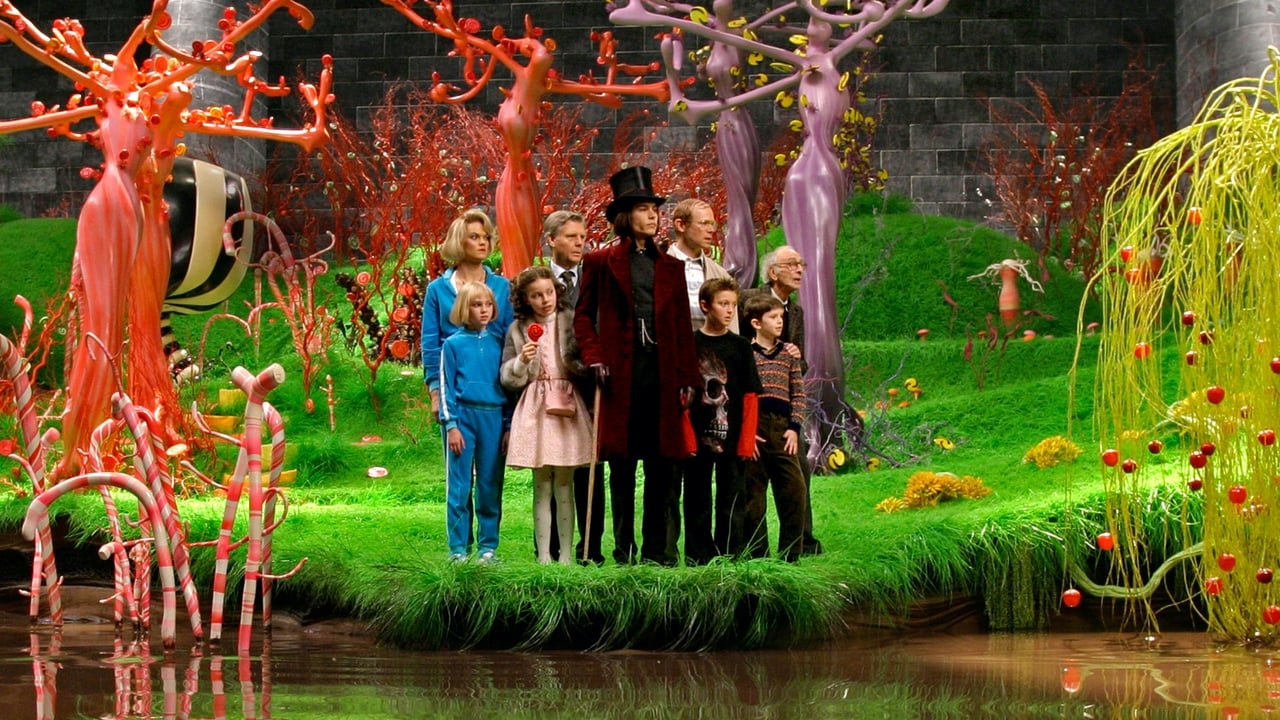
While the 1971 version with Gene Wilder felt like a stage play captured on film, Burton’s Charlie and the Chocolate Factory feels like a high-end theme park ride designed by someone who hasn't slept in a week. The production design is genuinely staggering. Looking back, this was a pivotal moment for cinema; we were moving away from the matte paintings of the 90s and into fully realized digital environments. Yet, Burton, ever the fan of the tangible, insisted on a massive chocolate river holding 206,000 gallons of fake cocoa. It has a texture that CGI just couldn’t replicate back then—a viscous, swirling heaviness that makes the danger of Augustus Gloop falling in feel much more real.
The world-building here is top-tier. The Bucket house, leaning at impossible angles in the shadow of the giant factory, looks like a charcoal sketch come to life. Freddie Highmore, fresh off his turn in Finding Neverland, brings a soulfulness to Charlie Bucket that prevents the movie from spinning off into total absurdity. He is the anchor. Without his wide-eyed sincerity, the film would just be a collection of expensive gadgets and eccentric costumes. Helena Bonham Carter and Noah Taylor as his parents provide a warm, Dickensian contrast to the sterile, neon-lit perfection of the factory.
The Wonka in the Room
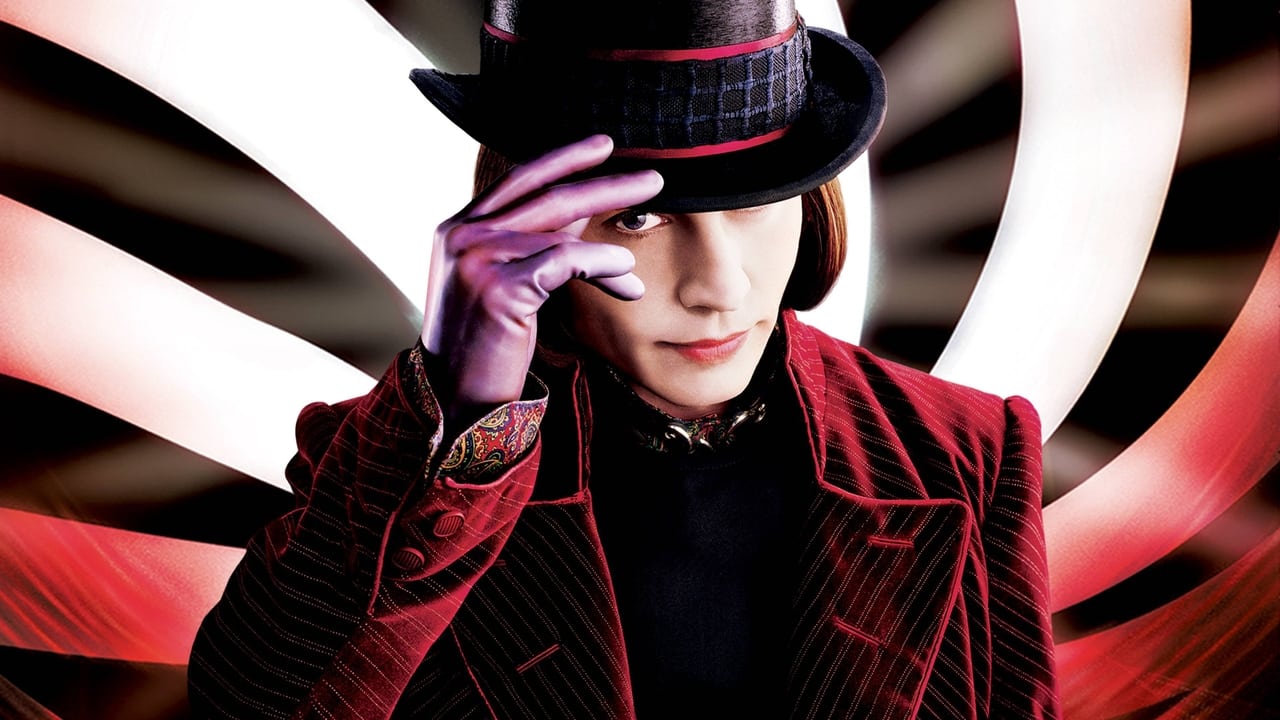
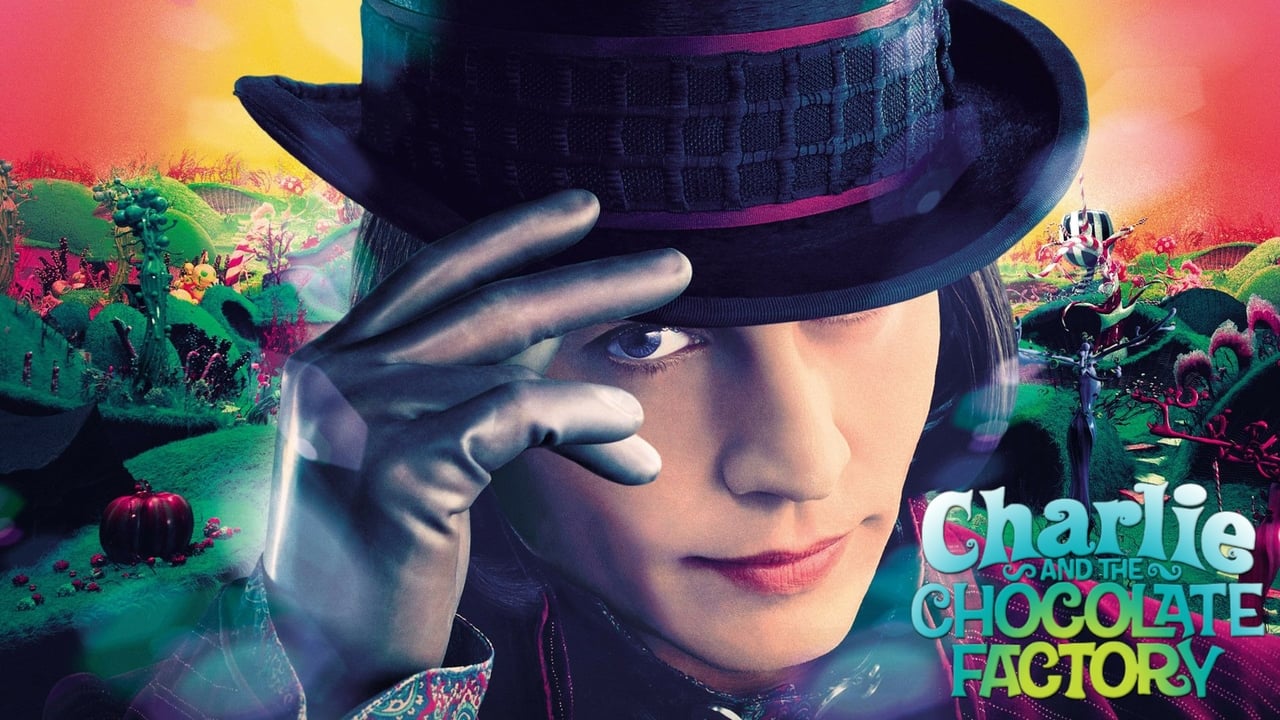
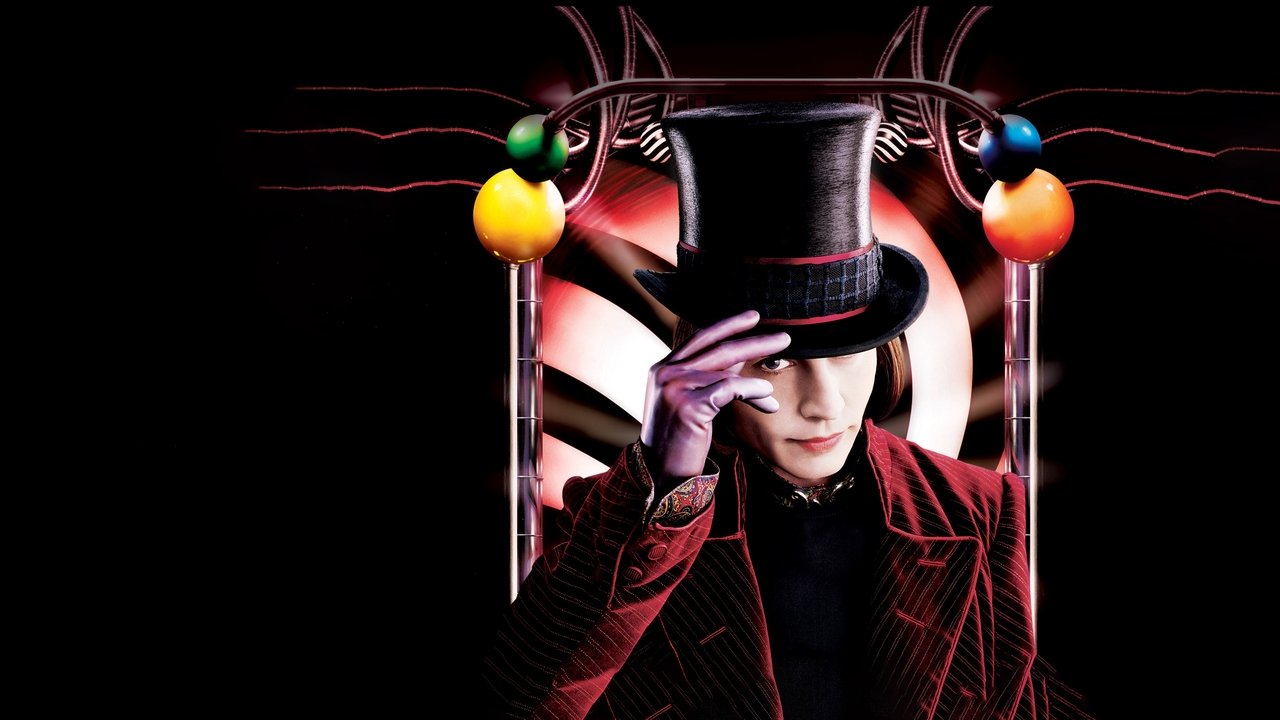
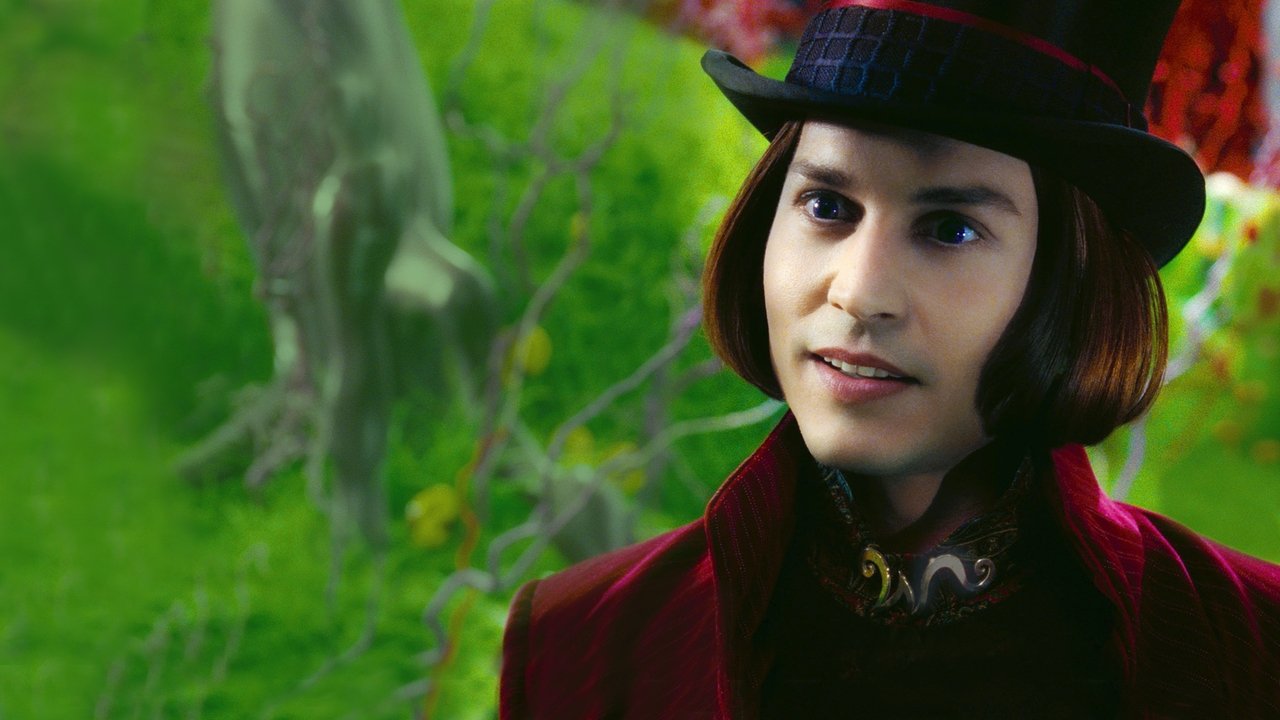
We have to talk about the top hat. When Johnny Depp first stepped onto the screen as Willy Wonka, the reaction was… polarized, to say the least. Watching it today, stripped of the immediate 1971 comparisons, Depp’s Wonka looks like a haunted porcelain doll that discovered hair straighteners and social anxiety. It’s a bold, bizarre performance that leans heavily into the idea of a man who spent too much time alone with Oompa Loompas and sugar.
The addition of the Wilbur Wonka backstory—played by the legendary Christopher Lee—is a very "modern cinema" move. In the 2000s, every protagonist needed a "why," a psychological origin story to explain their quirks. While some purists hate the daddy-issues subplot, I find it adds a layer of bittersweetness that fits Burton's aesthetic. It turns the factory from a place of wonder into a fortress of isolation. The comedy is sharp, too, often coming from Wonka’s inability to communicate with children. His bluntness is a highlight, especially when he’s dealing with the insufferable Mrs. Beauregarde, played with pitch-perfect suburban aggression by Missi Pyle.
A Global Sugar High
From a commercial standpoint, this movie was an absolute titan. It didn't just "do well"; it dominated the summer of 2005. With a staggering budget of $150 million, it was a massive gamble for Warner Bros., but it paid off to the tune of $475 million worldwide. It was the era of the "blockbuster as an event," where you didn't just see the movie—you bought the Nestle Wonka bars (which were a huge marketing tie-in) and waited for the DVD special features to see how they did the effects.
One of the most impressive feats of the production involved the Oompa Loompas. Instead of hiring a troupe of actors, Deep Roy played every single one of them. He reportedly performed the same dance routines hundreds of times, which were then digitally stitched together. It was a grueling process that showcased the "learning curve" of mid-2000s digital effects—using one real human element and multiplying it to create a sense of scale. The Oompa Loompa musical numbers are essentially a Deep Roy fever dream, and they remain some of the most technically impressive (and slightly unsettling) sequences of the decade.
The film also used 40 real squirrels for the Nut Sorting Room. They weren't CGI; they were actually trained for six months to sit on stools, tap nuts, and then throw them onto a conveyor belt. It’s that commitment to the "real" in the middle of a digital revolution that gives the film its lasting texture.
Burton's reimagining is a fascinating artifact of the mid-2000s—a big-budget, auteur-driven spectacle that isn't afraid to be mean-spirited, strange, and visually overwhelming. While it might lack the warm, fuzzy heart of the 1971 original, it captures the dark, satirical edge of Roald Dahl’s writing far more accurately. It’s a film that prioritizes a "sense of place" over "likability," and in the age of sanded-down corporate blockbusters, that feels refreshing.
If you haven't revisited this one since the days of physical DVDs and "Prepare for a taste of adventure" taglines, give it a spin. It’s a sensory overload that reminds you of a time when Hollywood was still figuring out how to balance practical magic with digital wizardry. Just maybe skip the stale KitKats while you watch.
Keep Exploring...
-
Alice in Wonderland
2010
-
Shrek
2001
-
Shrek 2
2004
-

Night at the Museum
2006
-
Shrek the Third
2007
-
Horton Hears a Who!
2008
-

The SpongeBob SquarePants Movie
2004
-
Hook
1991
-

Puss in Boots
2011
-
How to Train Your Dragon 2
2014
-
The Lego Movie
2014
-

The Emperor's New Groove
2000
-
The Road to El Dorado
2000
-

Sinbad: Legend of the Seven Seas
2003
-
Shrek the Halls
2007
-
Night at the Museum: Battle of the Smithsonian
2009
-
Big Fish
2003
-
Shrek Forever After
2010
-

Asterix & Obelix: Mission Cleopatra
2002
-
Corpse Bride
2005