Cinderella Man
"The dignity of a man who refuses to stay down."
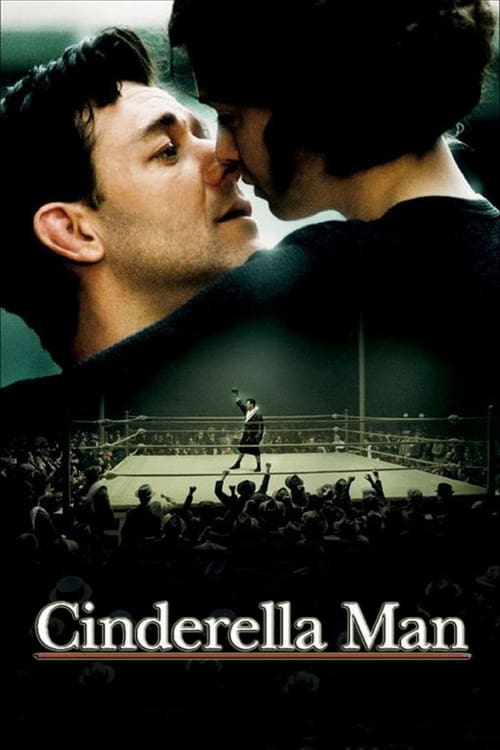
I remember watching Cinderella Man for the first time while hunched over a lukewarm bowl of generic-brand cereal, and the irony of my own "financial struggle" (being a broke college student) hitting me right as Russell Crowe began watering down the milk for his kids was almost too much to handle. It’s one of those rare cinematic experiences that makes your own comfort feel a bit unearned. In the mid-2000s, we were drowning in "great man" biopics, but while movies like The Aviator or Ray were busy celebrating eccentric genius, Ron Howard decided to make a movie about a man who just wanted to pay his electric bill.
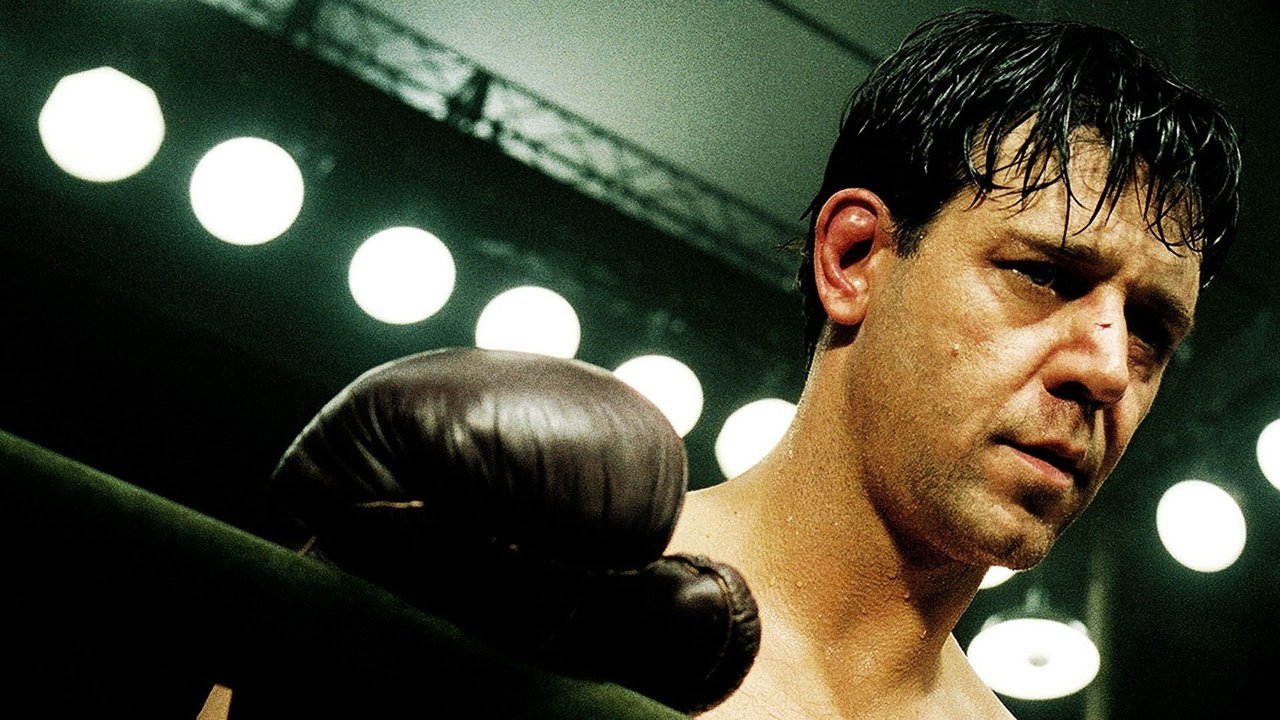
Looking back from a nearly twenty-year distance, Cinderella Man feels like the last of a dying breed. It’s a massive, earnest, $88 million studio drama that doesn't have a cynical bone in its body. In 2005, it was positioned as an Oscar heavyweight, but it didn't quite reach the cultural saturation of Million Dollar Baby. Instead, it has settled into a comfortable life as a "dad movie" staple—the kind of film you stop scrolling on when it pops up on cable because it’s impossible to turn off a story about someone who actually deserves a win.
The Philosophy of the Broken Hand
At its heart, this isn't a boxing movie; it’s a film about the psychological toll of losing your identity. When we first meet Jim Braddock, he’s a "Bulldog of Bergen" with a bright future. Fast forward a few years, and the Great Depression has turned him into a ghost. I’ve always been fascinated by how Russell Crowe (fresh off his peak run in Gladiator and A Beautiful Mind) plays Braddock not as a hero, but as a man who is deeply ashamed of his own poverty.
There’s a cerebral weight to the way the script by Akiva Goldsman and Cliff Hollingsworth handles the "Cinderella" narrative. Usually, sports movies are about the glory of the win. Here, the "glory" is literally a sack of hash and some wood for the stove. The scene where Braddock has to go to the relief office and then beg for coins from his former associates is one of the most painful things I’ve ever sat through. Crowe plays it with this devastating, quiet humility—his eyes are constantly apologizing for his existence. It forces us to grapple with a question we rarely ask in modern cinema: What is left of a man when his ability to provide is stripped away?
The Giamatti Energy and the Cinematic Grit
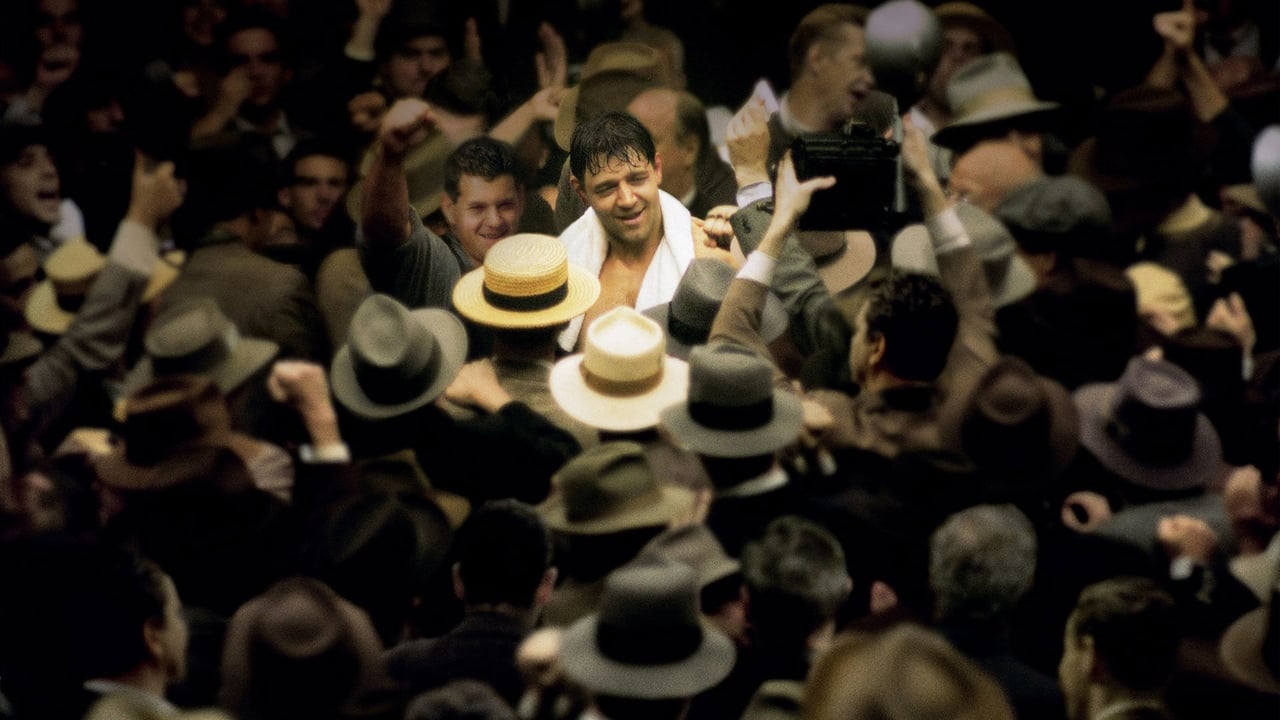
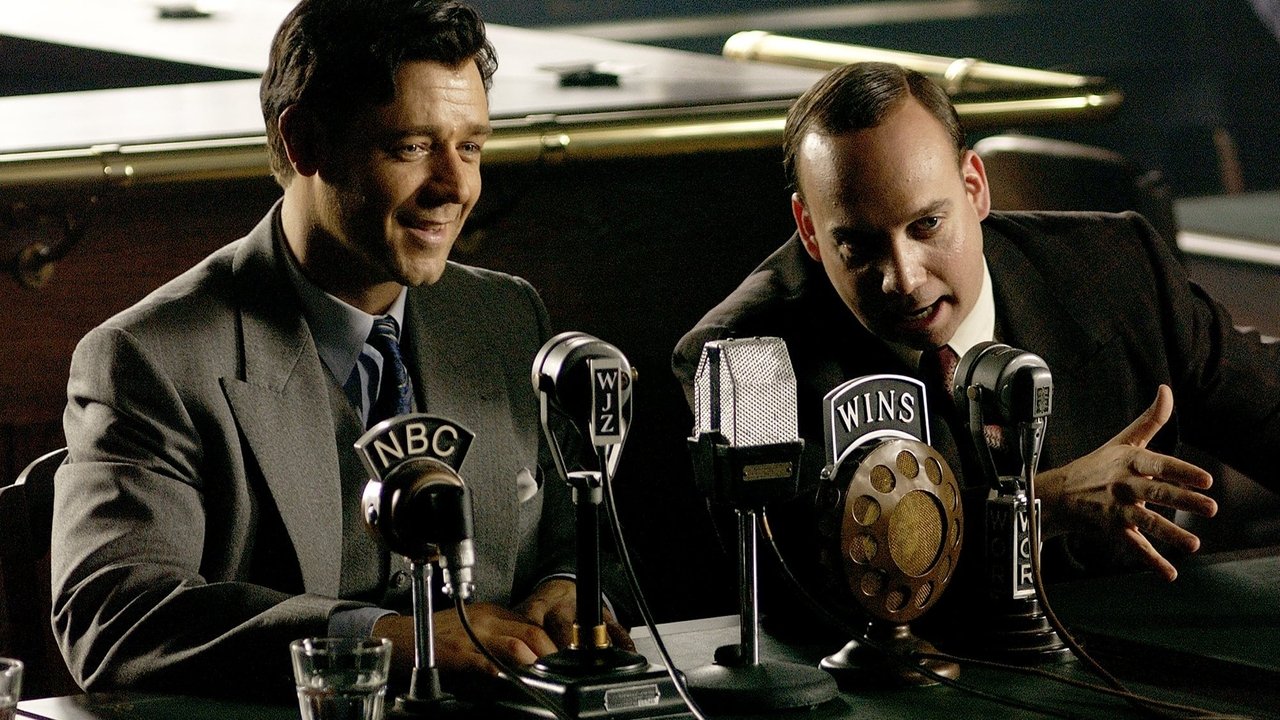
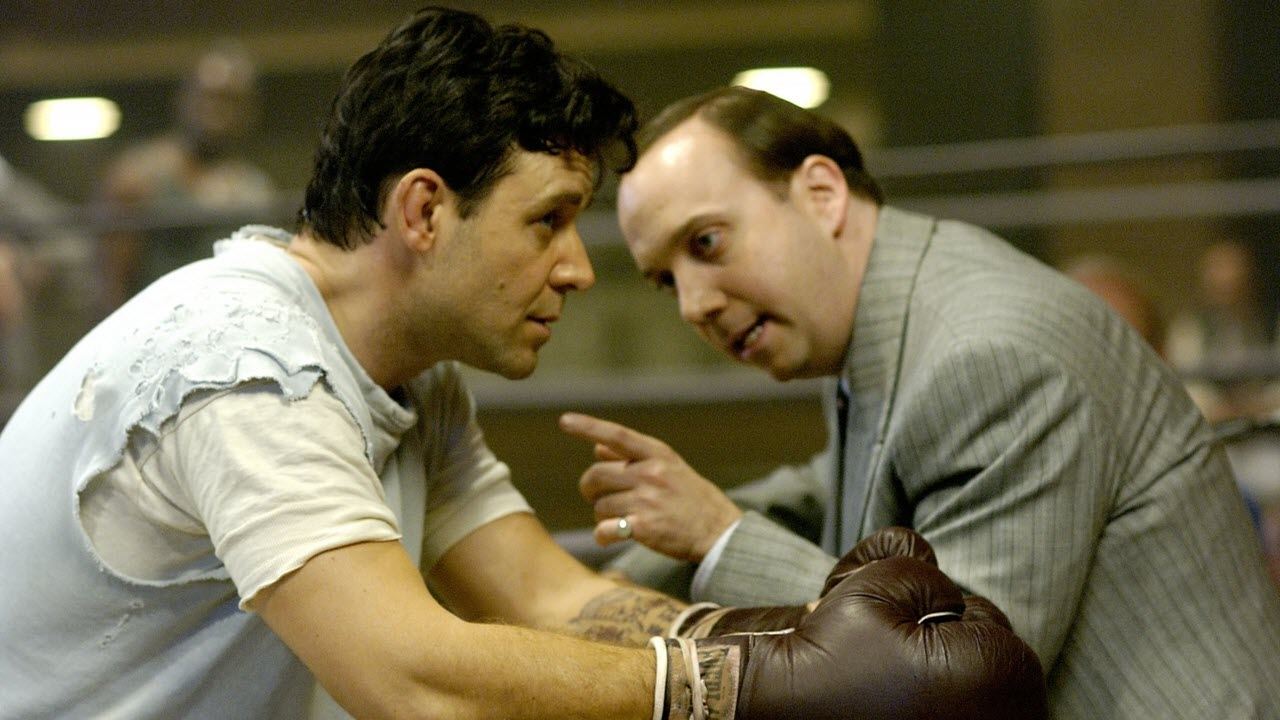
While Crowe provides the soul, Paul Giamatti as Joe Gould provides the heartbeat. Coming off the indie success of Sideways (2004), Giamatti is a lightning bolt of manic energy here. He’s the archetypal fast-talking manager, but there’s a layer of desperation in him that mirrors Jim’s. He sold his furniture to get Jim one last fight. That kind of loyalty feels alien in our current franchise-saturated landscape, where characters are often motivated by plot points rather than genuine human connection.
The film’s aesthetic is also worth a retrospective shout-out. Salvatore Totino, who also shot The Da Vinci Code, uses a color palette that I can only describe as "soot-chic." Everything is desaturated, dusty, and cold. You can practically feel the Hudson River chill coming off the screen. Ron Howard uses the boxing ring as a claustrophobic cage—the flashes of the 1930s paparazzi bulbs look like explosions, emphasizing the sensory overload of a man who’s probably one concussion away from a permanent sleep. It’s a masterclass in how to use 2000s-era practical lighting and set design before everything became a green-screen blur.
The Controversy and the Cult Legacy
If there’s a fly in the ointment, it’s the portrayal of Craig Bierko’s Max Baer. The movie treats Baer like a sociopathic cartoon villain, which is a massive disservice to a real-life boxer who was actually haunted by the deaths that occurred in his ring. It’s the one area where the film trades historical nuance for easy drama. However, if you can look past that, the "cult" appeal of this movie lies in its relentless sincerity.

I’ve noticed that Cinderella Man has developed a weirdly dedicated fanbase among people who find Rocky too fantastical. It’s the "everyman’s" boxing movie. The trivia alone is the stuff of legend: Russell Crowe actually lost a staggering amount of weight and reportedly suffered multiple concussions and a dislocated shoulder during filming because he insisted on fighting real boxers. He wanted the hits to look heavy because, for the real Braddock, every hit was a choice between a meal and a hospital bill.
Interestingly, the film features a cameo that fans often miss: Rosemarie DeWitt, who plays the neighbor Sara Wilson, is the actual real-life granddaughter of Jim Braddock. It’s a lovely, grounded touch that anchors the film in its true-story roots.
Ultimately, Cinderella Man is a meditation on the idea that "hope" isn't a fluffy, poetic concept—it’s a survival tactic. It’s a film that respects the grind of the working class without romanticizing the suffering. Even if the ending is telegraphed by history books, the emotional payoff feels earned because we’ve seen the bruises it took to get there. It’s a heavy, thoughtful drama that still manages to be the ultimate underdog story, making it a permanent resident on my "watch when you feel like giving up" list.
Keep Exploring...
-
A Beautiful Mind
2001
-

Memoirs of a Geisha
2005
-
Enemy at the Gates
2001
-
Frost/Nixon
2008
-

The Other Boleyn Girl
2008
-
Far and Away
1992
-
Apollo 13
1995
-
Coach Carter
2005
-
The Wrestler
2008
-
The Next Three Days
2010
-
Rush
2013
-
Mona Lisa Smile
2003
-
Ip Man
2008
-

Three Steps Above Heaven
2010
-

What's Eating Gilbert Grape
1993
-
10 Things I Hate About You
1999
-
Moulin Rouge!
2001
-

Alexander
2004
-
Moonrise Kingdom
2012
-
Confessions of a Dangerous Mind
2002