Coach Carter
"Your stats don't matter if you can't read the contract."
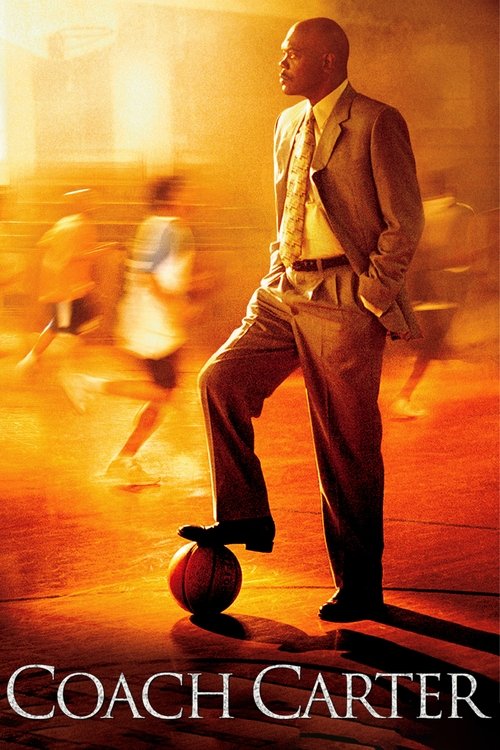
There is a specific, muddy-yellow color palette that defined the mid-2000s urban drama. It’s the visual equivalent of a humid afternoon in a gym that smells like floor wax and ambition. Seeing the MTV Films logo flash across the screen usually signals a very particular kind of "cool" aesthetic, but Coach Carter manages to transcend its glossy, music-video-adjacent origins to become something far more intellectually stubborn. It’s a film that argues against its own genre’s tropes, which is probably why I keep coming back to it whenever I feel like the "inspirational sports movie" category has become too soft.
I watched this most recently while eating a piece of sourdough toast I’d accidentally left in the toaster for two minutes too long, and the dry, carbonized crunch provided a weirdly rhythmic percussion to the squeaking sneakers on the Richmond High court. It felt appropriate. This isn't a film about the sweetness of victory; it’s about the grit required to avoid a pre-written destiny.
The Gospel According to Ken
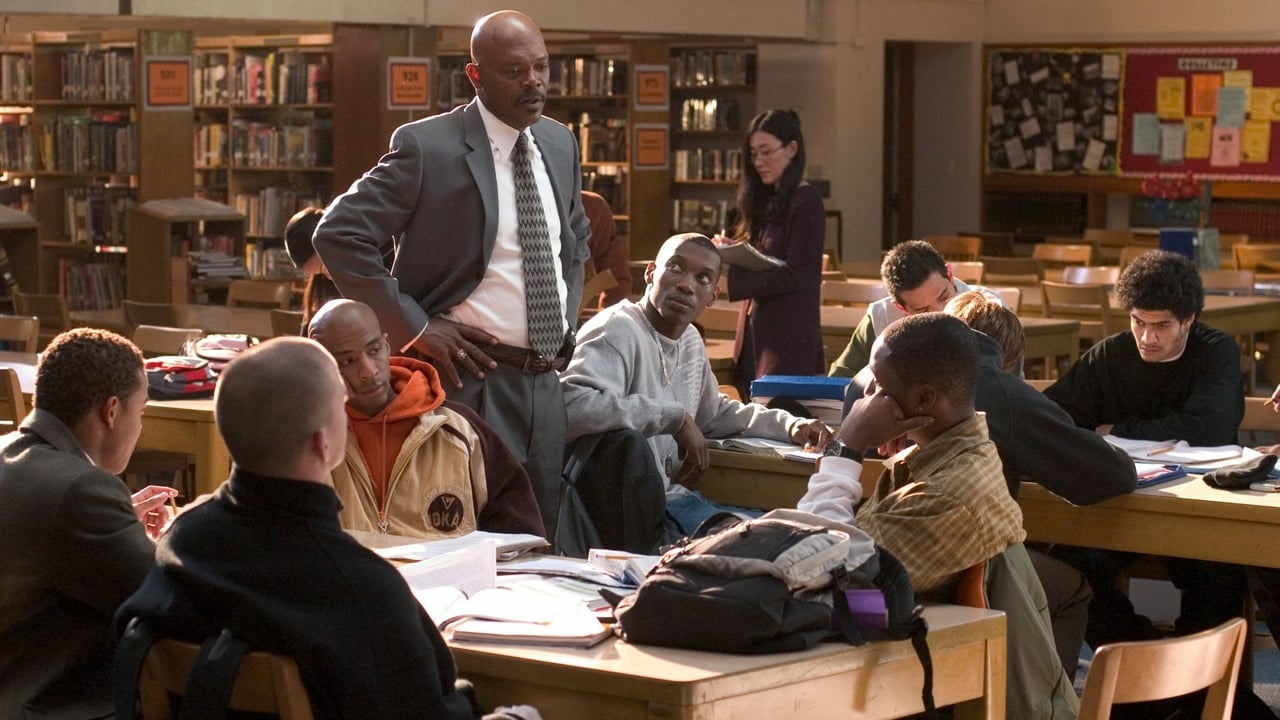
At the center of the storm is Samuel L. Jackson, playing Ken Carter with a terrifying, quiet dignity. We’re so used to "Jules Winnfield" Jackson—the man who can make a Bible verse sound like a death warrant—that we sometimes forget how good he is at playing a man who is simply exhausted by the low expectations placed on Black youth. Samuel L. Jackson’s wire-rimmed glasses are doing 40% of the acting in the first act, framing eyes that look at his players and see statistics instead of stars.
He doesn't just want them to win; he wants them to survive. This is where the film gets cerebral. It poses a question that many sports films ignore: What happens when the cheering stops? For the Richmond Oilers, the cheering is a trap. It’s a temporary high that masks a 50% graduation rate. When Carter chains the gym doors because the team failed to meet their GPA requirements, he isn't just being a "tough coach." He’s engaging in a radical act of social sabotage. He’s sabotaging the only thing the community values to force them to value the one thing they’ve ignored.
A Time Capsule of the Mid-Aughts
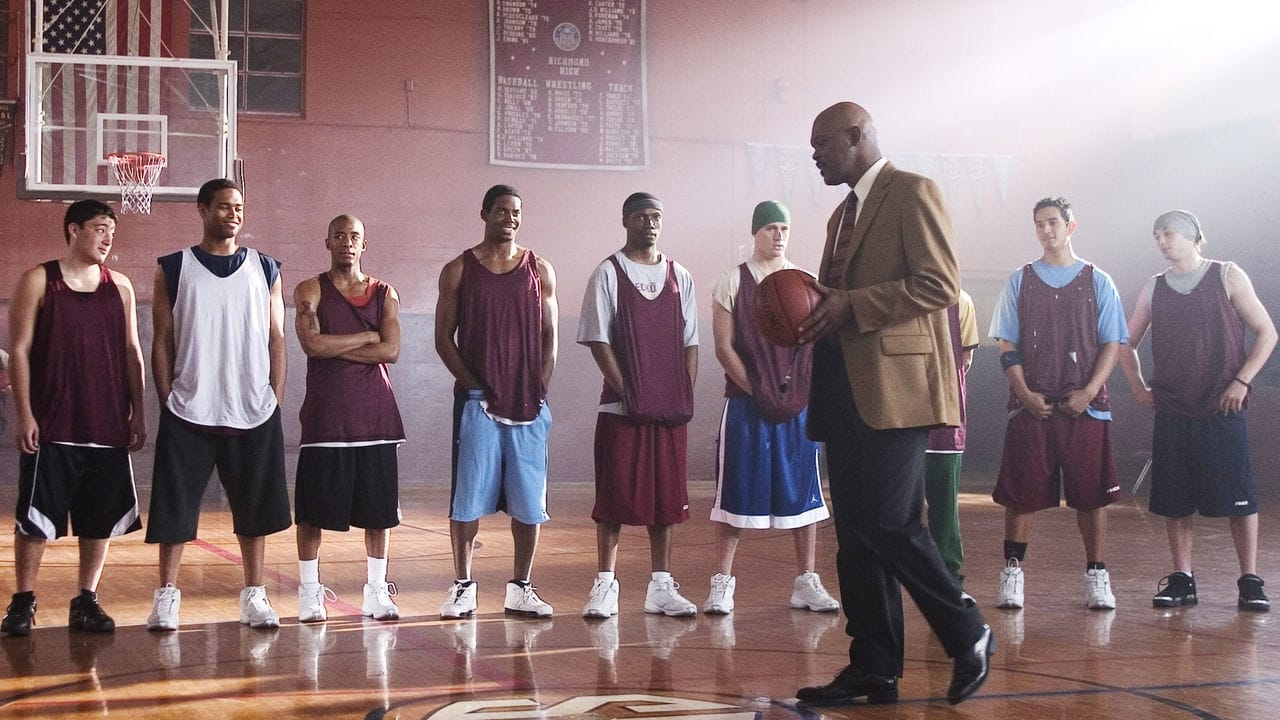
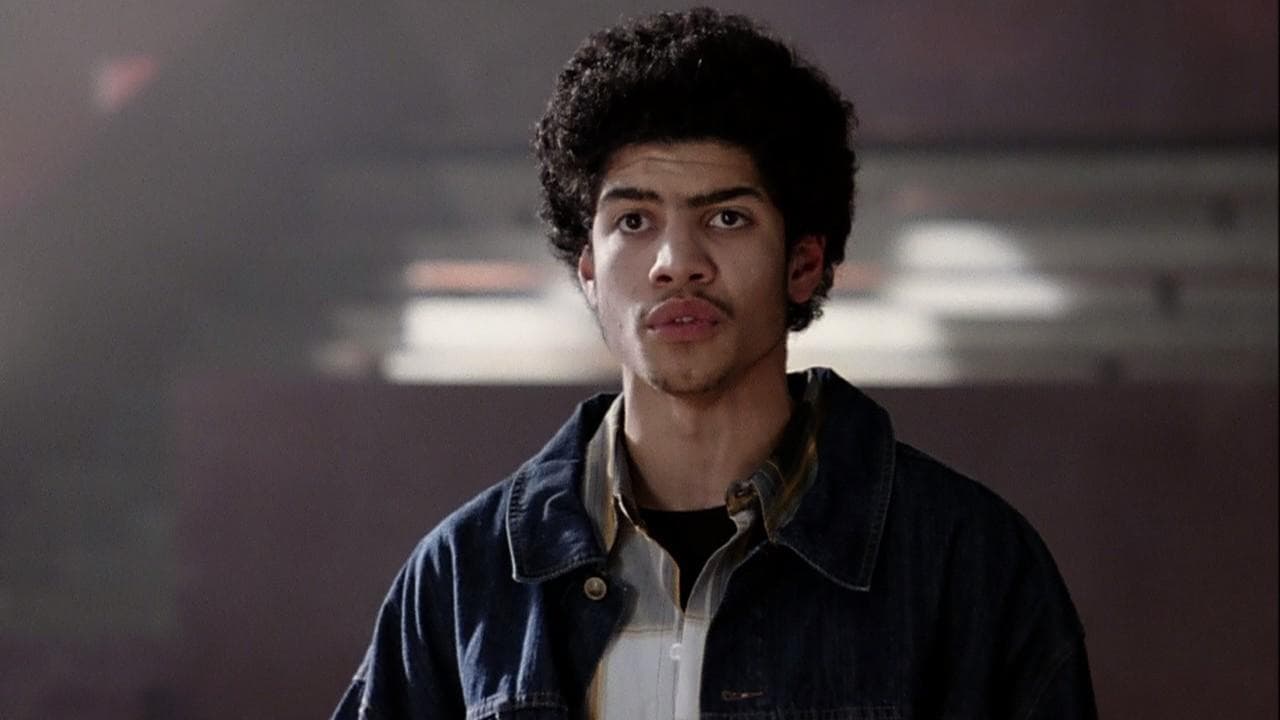
Looking back, Coach Carter is a fascinating relic of the transition from the analog grit of the 90s to the high-definition polish of the 2010s. The cinematography by Sharone Meir, who later gave us the kinetic intensity of Whiplash, favors tight, sweaty close-ups that make the Richmond gym feel like a pressure cooker. It’s a film that was born in the era of the DVD "Special Edition," and I recall the behind-the-scenes features highlighting just how grueling the training camp was. Apparently, the actors were subjected to 12-hour days of basketball drills and acting rehearsals, which explains why Rick Gonzalez, as the volatile Timo Cruz, looks genuinely gapped at the end of his suicide drills.
Speaking of the cast, it’s a "who’s who" of talent before they hit their stride. You’ve got a young Rob Brown (of Finding Forrester fame) and the cinematic debut of Channing Tatum, who plays Jason Lyle. Tatum is basically the "human highlight reel" of the team here, showcasing the physicality that would eventually lead him to Magic Mike. The soundtrack is the only thing that dates this harder than a Razr flip phone, featuring a heavy rotation of Kanye West and Twista that feels like a 2005 time capsule buried under a basketball court.
The Cult of "Our Deepest Fear"
While the film was a solid box office hit, its cult status grew in the secondary market—the DVD rentals and the constant cable TV replays. It’s one of those movies that "modern cinema" enthusiasts cite not for its technical innovation, but for its moral clarity. The scene where Timo Cruz finally answers the recurring question, "What is your deepest fear?" by quoting Marianne Williamson (often misattributed to Nelson Mandela) has become the stuff of internet legend. It’s a bit cheesy, sure, but in the context of a 2005 drama, it worked because it addressed the psychological paralysis of the "student-athlete" myth.
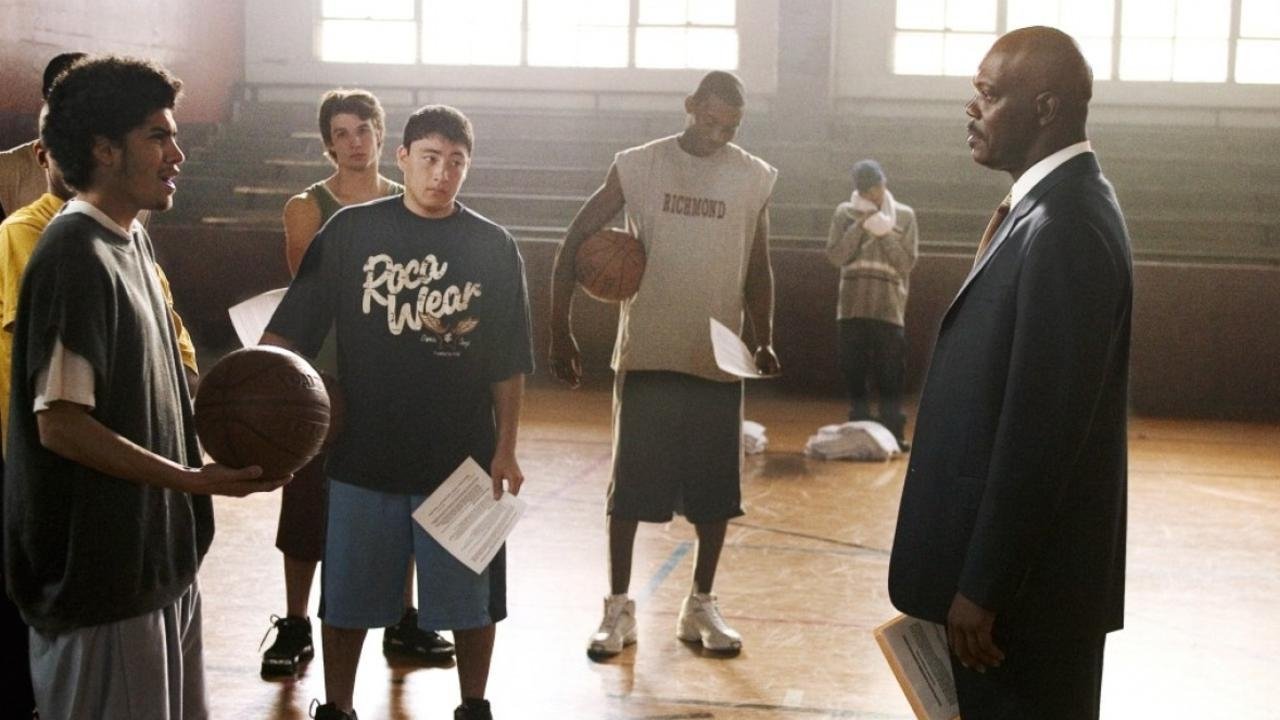
There are some delightful bits of trivia that fans of this era obsess over. For instance, the real Ken Carter was on set every single day, acting as a consultant to ensure the film didn't drift too far into "Hollywood" territory. Samuel L. Jackson allegedly refused to sign onto the project unless the producers promised not to change the ending to a traditional "big game" victory. He knew that the film’s philosophical weight relied entirely on the team losing the game but winning the "contract." It’s a rare instance of a studio-backed drama respecting the audience enough to prioritize a thematic win over a scoreboard win.
Ultimately, Coach Carter holds up because it treats its characters like people instead of archetypes. While it occasionally leans into the melodrama expected of a Thomas Carter production (the man behind Save the Last Dance), it is grounded by its cynicism toward the American education system. It asks us to consider whether we are cheering for the kids or just the jerseys they wear. It’s a thoughtful, rhythmic, and occasionally bruising look at the cost of excellence, and it remains the gold standard for why Samuel L. Jackson is the most reliable anchor in Hollywood history.
Keep Exploring...
-

Cinderella Man
2005
-

Memoirs of a Geisha
2005
-
Ip Man
2008
-
Apocalypto
2006
-

Marie Antoinette
2006
-

Milk
2008
-

The Other Boleyn Girl
2008
-

Hero
2002
-
The Diving Bell and the Butterfly
2007
-

The King's Speech
2010
-

I Am Sam
2001
-
The Wrestler
2008
-
Malcolm X
1992
-
Selena
1997
-
The Patriot
2000
-

Enemy at the Gates
2001
-
Gangs of New York
2002
-
Hotel Rwanda
2004
-
The Chorus
2004
-
Kingdom of Heaven
2005