Constantine
"He's going to Hell. He's just taking the scenic route."
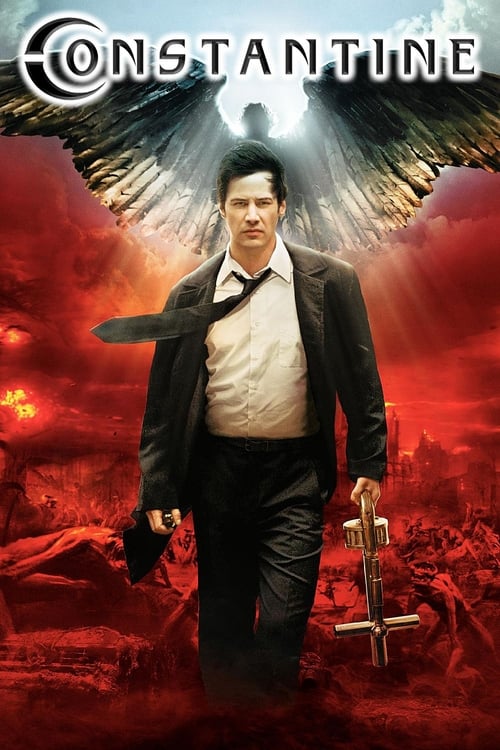
There is a specific, sulfurous stench to Los Angeles in Francis Lawrence’s Constantine that I can almost smell through the screen. It’s the scent of stale Marlboro Lights, unwashed trench coats, and the humid, heavy air that precedes a Santa Ana wind. I watched this again recently on a Tuesday afternoon while wearing a pair of damp socks I’d forgotten to take out of the wash, which honestly matched the film's soggy, oppressive atmosphere better than any theater seat ever could.
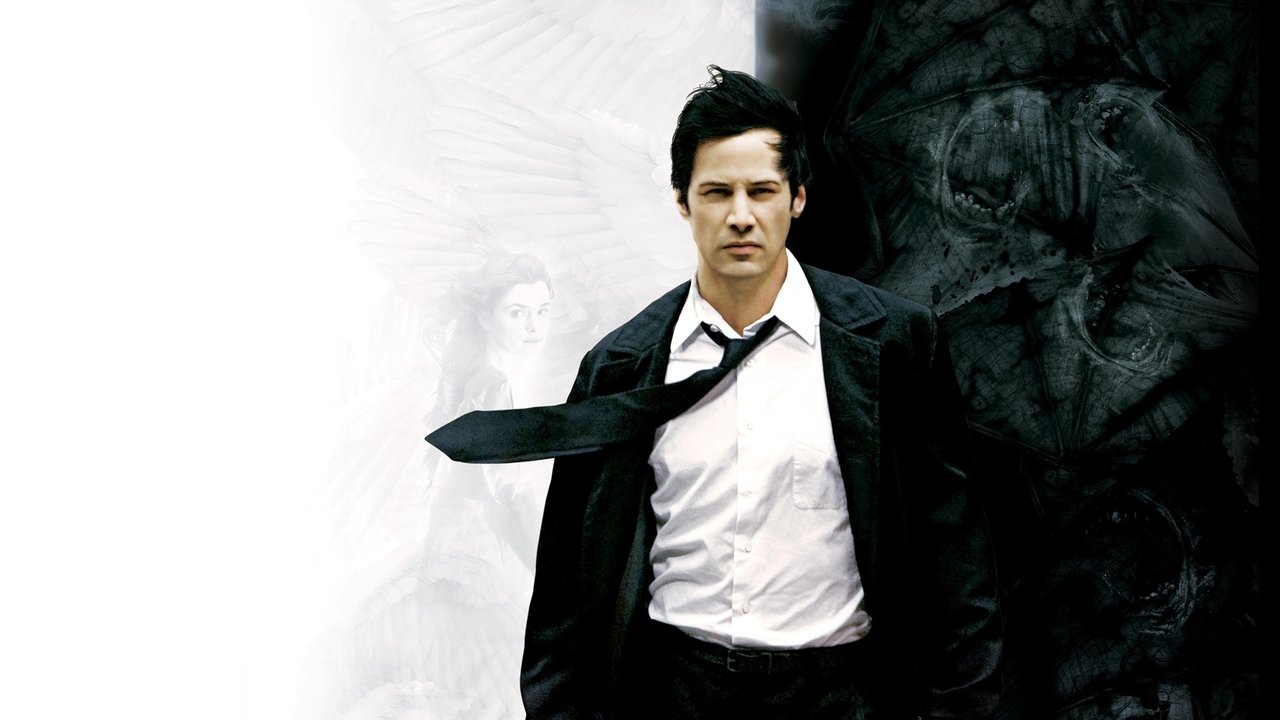
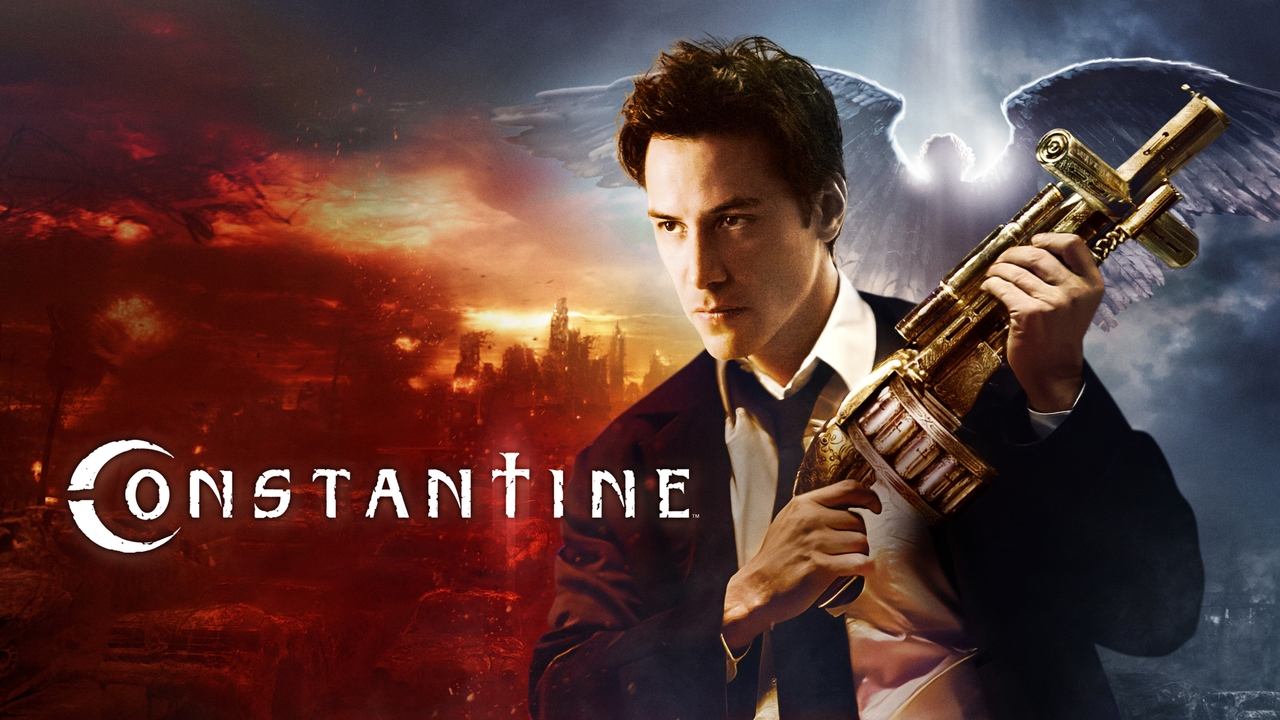
When it dropped in 2005, the comic book purists were out for blood. The blonde, Scouse, Sting-lookalike John Constantine from the Hellblazer comics had been replaced by a black-haired, laconic Keanu Reeves. Looking back now, that outrage feels like a relic from a simpler time. In the post-9/11 landscape of the mid-2000s, Hollywood was obsessed with "gritty" reimagining, and Constantine leaned into that aesthetic with a grim, existential weight that most modern superhero movies are too afraid to touch.
A Hell Made of Ash and Smog
The visual language here is a fascinating snapshot of the CGI revolution’s "adolescent" phase. We were moving past the shiny, plastic look of the late 90s and into something more textural. Francis Lawrence, coming from a music video background, gave us a version of Hell that remains one of the most striking ever put to film. It wasn't a cave with fire; it was a parallel Los Angeles eternally caught in the split-second of a nuclear blast. Everything is crumbling, the sky is a bruised orange, and the wind is made of ash.
Interestingly, the production team used actual footage of old nuclear test blasts to simulate the way buildings disintegrated in the hell-scape. It gives the supernatural elements a grounded, terrifyingly physical presence. While some of the creature effects—like the vermin-man made of crabs and flies—show their age, the "hospital crawl" sequence still manages to trigger a genuine sense of dread. It captures that specific 2000s horror vibe: high-contrast shadows, jittery editing, and a color palette that looks like it was washed in bile and nicotine.
The Gospel According to Keanu
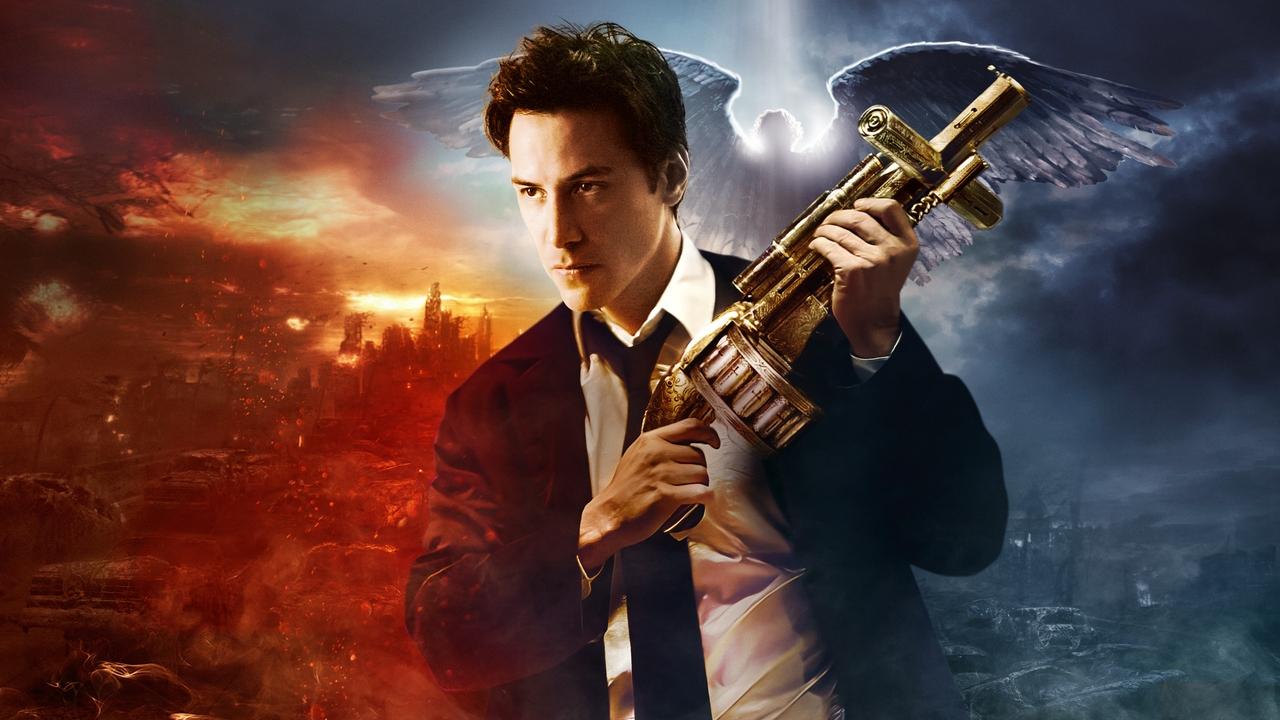
Keanu Reeves plays John Constantine as a man who is fundamentally exhausted by the universe. He isn’t a hero; he’s a spiritual janitor trying to bribe his way into a Heaven that clearly doesn't want him. Constantine is actually the best religious horror movie of the 2000s, and it’s not particularly close. It treats its theology like a noir detective novel, where God and Lucifer are just two rival mob bosses playing a game with human souls as the currency.
The supporting cast is an absolute embarrassment of riches. Rachel Weisz pulls double duty as the grieving Angela and the institutionalized Isabel, providing the emotional anchor the film desperately needs. Then there’s Shia LaBeouf as Chas. Looking at it now, Shia isn't nearly as annoying here as people remember; he’s actually the perfect high-pitched foil to Keanu’s gravelly bass.
But the real MVP is the brief, skin-crawling appearance of Peter Stormare as Lucifer. Dropping into the final act in a white suit with oil dripping from his bare feet, he manages to steal the entire movie in under five minutes. Peter Stormare’s three minutes of screen time are more terrifying than the entire Conjuring franchise combined. He plays the Devil not as a monster, but as a petulant, gleeful sadist who is genuinely offended that someone else might get to kill John Constantine before he does.
The Cult of the Unconquered
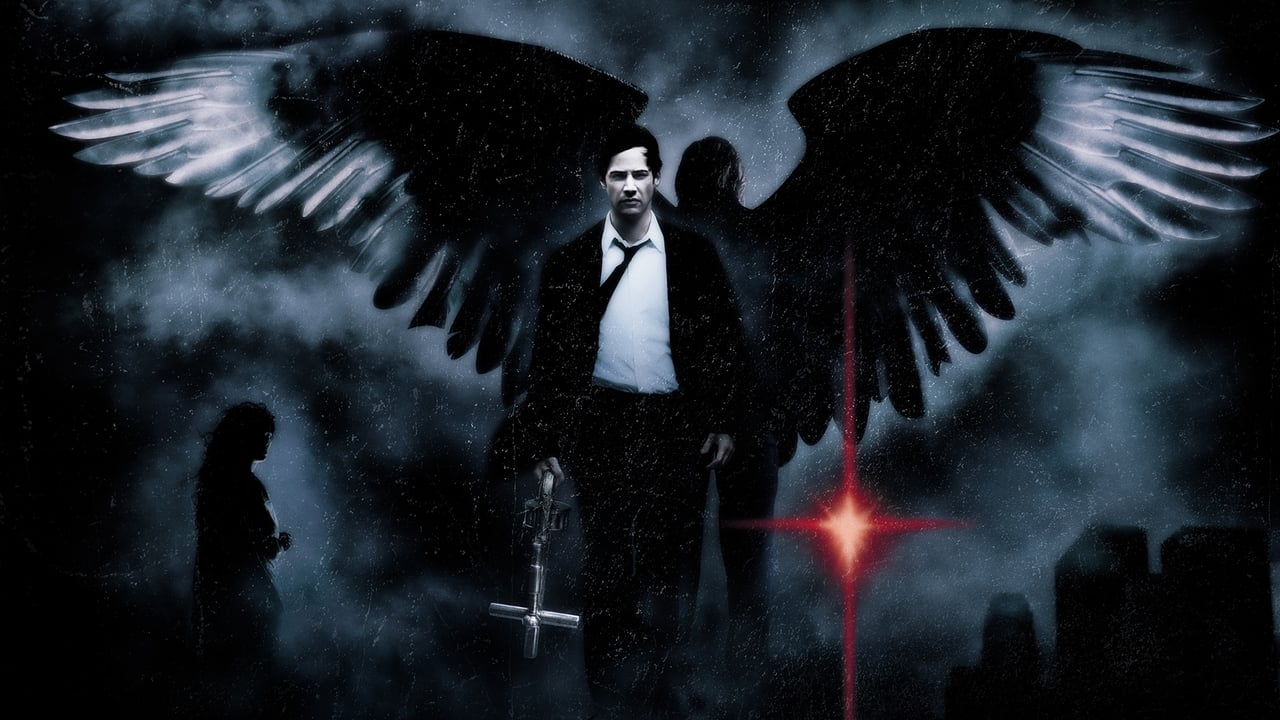
It’s funny how time heals all wounds—or at least, how it recontextualizes them. Constantine was a modest success that became a massive cult hit on DVD. I remember the "Special Edition" two-disc set being a staple of every film nerd's shelf. Those behind-the-scenes features revealed how much thought went into the world-building, from the "Holy Shotgun" to the fact that Tilda Swinton (playing a deliciously androgynous Archangel Gabriel) wore a specialized wrap to bind her chest and make her silhouette more alien and unsettling.
There are so many weird, lovely details that emerge on repeat viewings. Apparently, the name of the film was changed from Hellblazer because the studio didn't want people to confuse it with Hellboy, which had come out a year earlier. Also, Keanu’s iconic black coat was actually custom-tailored to be slightly shorter than a standard trench coat, specifically so his legs would be more visible during the action scenes, preventing him from looking like a "floating head" in the dark cinematography.
The film tackles themes of suicide, self-destruction, and the crushing weight of destiny with a seriousness that feels refreshing in our current era of quippy, lighthearted blockbusters. It doesn't offer easy answers. John’s "heroism" is often selfish, and the ending—while triumphant in a cynical way—reminds us that the war between upstairs and downstairs is never actually over. It’s a film that respects the darkness of its source material, even if it changed the hair color of the lead.
If you haven't revisited this one since the days when you had to wait for a DVD to rewind, do yourself a favor and dive back in. It’s a moody, stylized, and surprisingly thoughtful piece of supernatural noir that has aged much better than the critics of 2005 ever predicted. It captures a moment in cinema where the digital and the practical were shaking hands, creating a world that feels both impossible and dangerously real. Just remember to bring your own cigarettes; the air in this movie is thick enough to choke on.

Keep Exploring...
-

Blade II
2002
-
Underworld: Awakening
2012
-
Sleepy Hollow
1999
-

47 Ronin
2013
-
The Devil's Advocate
1997
-

The Crow
1994
-
From Dusk Till Dawn
1996
-
Blood Diamond
2006
-
Point Break
1991
-

Sinbad: Legend of the Seven Seas
2003
-

The Matrix Reloaded
2003
-
Hellboy
2004
-
Van Helsing
2004
-
Underworld: Evolution
2006
-
Night at the Museum: Battle of the Smithsonian
2009
-
Prince of Persia: The Sands of Time
2010
-
The Sorcerer's Apprentice
2010
-
John Wick
2014
-
Dawn of the Dead
2004
-

Inland Empire
2006