Corpse Bride
"A heart that stopped beating can still break."
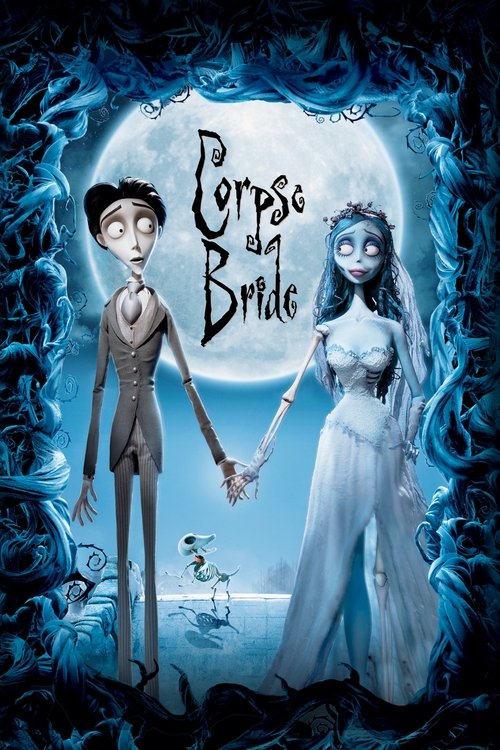
There is a specific, dry click that happens when a stop-motion puppet’s hand meets a miniature piano key. It’s a sound that CGI, for all its trillions of polygons, has never quite managed to replicate. When I first sat down with Corpse Bride in 2005, the world was obsessed with the smooth, plastic perfection of early digital animation. This was the year of Chicken Little and Madagascar, films that looked like they’d been scrubbed with Windex. Then came Tim Burton and Mike Johnson with a movie that looked like it had been pulled out of a dusty, Victorian attic, smelling of old lace and damp earth.
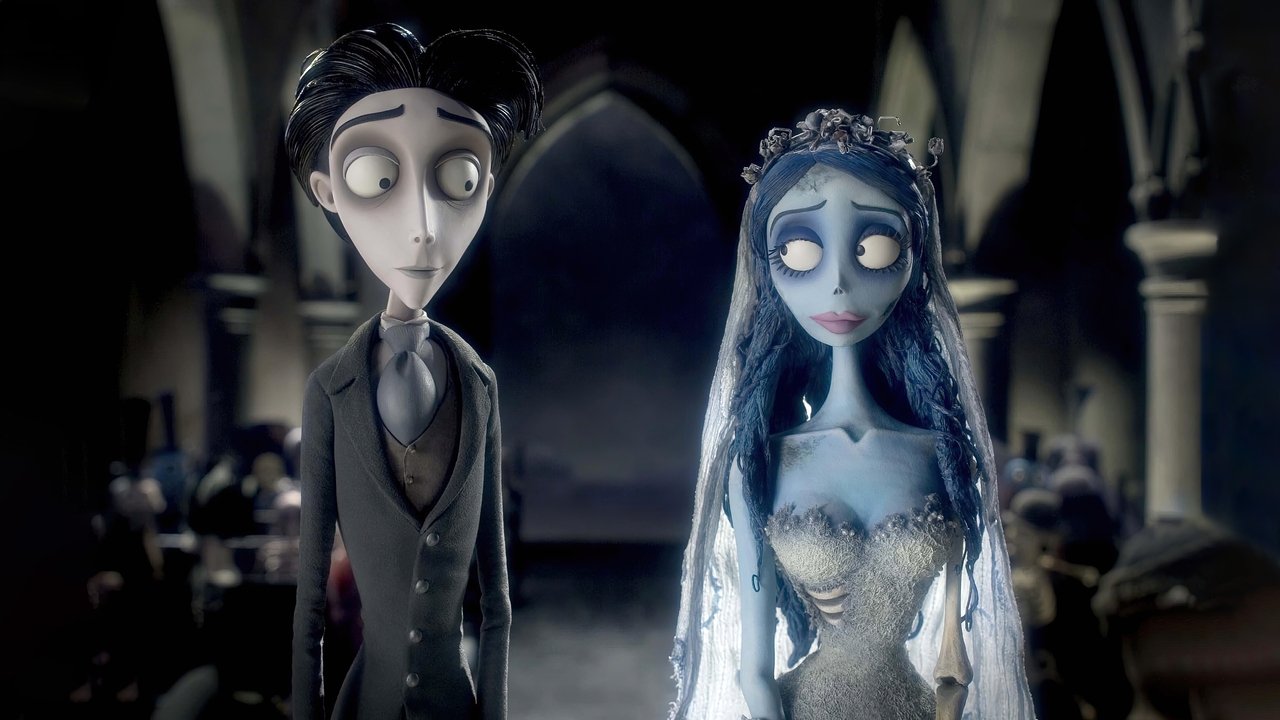
I watched the DVD release a year later while wearing a pair of incredibly itchy wool socks my aunt gave me for Christmas, and the physical discomfort of those socks actually helped me sympathize with Victor Van Dort’s social anxiety. Looking back, that’s the magic of this era of cinema; it was a bridge between the handmade past and the digital future, and Corpse Bride stands as one of the most beautiful toll booths on that bridge.
The Tangible Magic of the Unliving
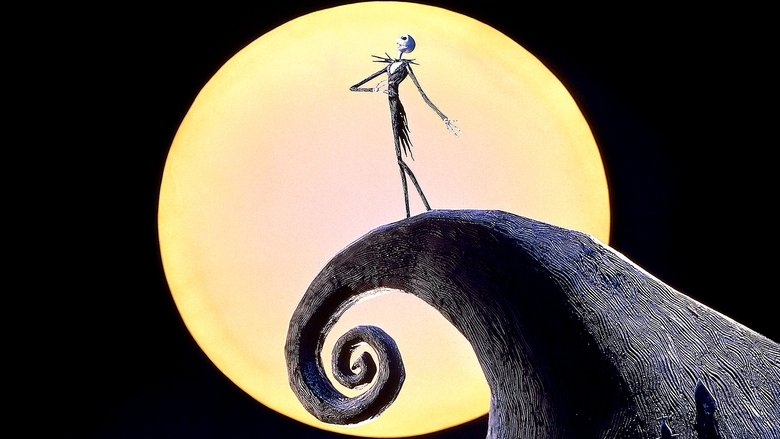
In retrospect, the technical ambition here was staggering. While the industry was sprinting toward pixels, Burton’s team was deep-diving into gears. This was actually the first stop-motion feature to be shot using digital SLR cameras—specifically the Canon EOS 1D Mark II—which was a massive shift from the traditional 35mm film used on The Nightmare Before Christmas. This tech allowed the animators to see their work almost instantly, but it didn't make the process "easy."
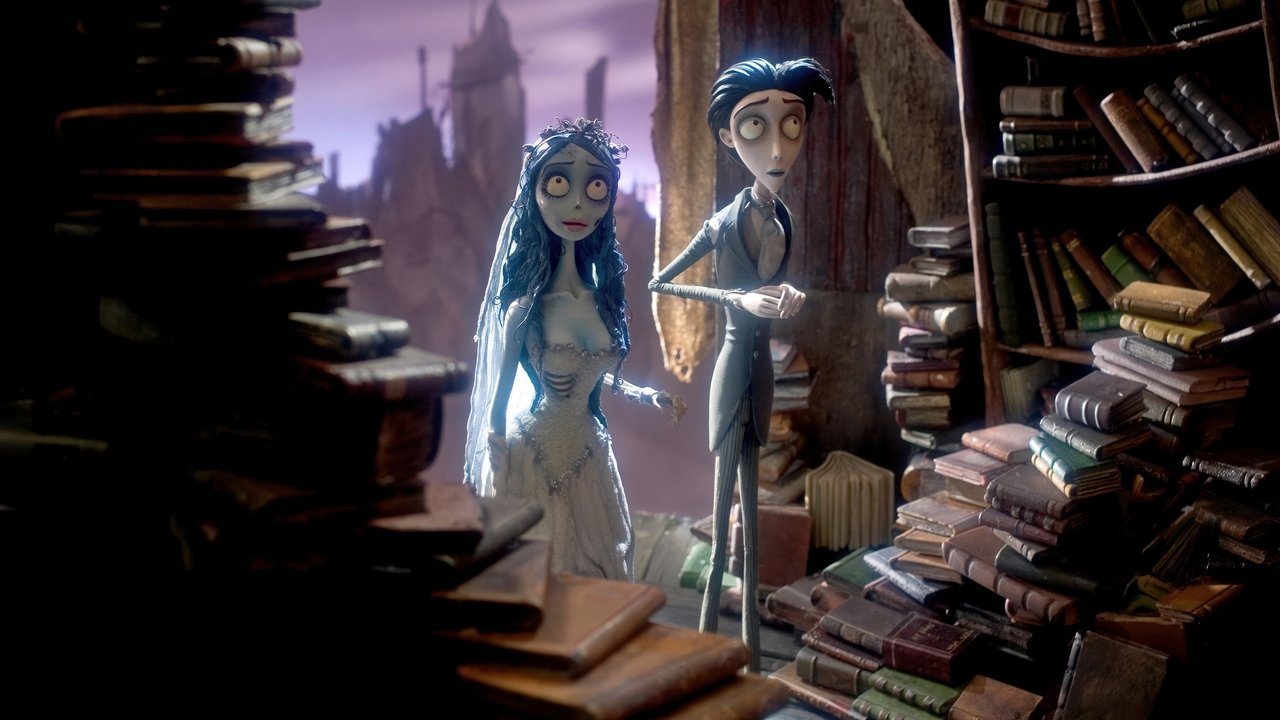
The puppets were marvels of micro-engineering. Instead of the usual replacement heads for different expressions, these characters had intricate clockwork mechanisms inside their skulls. You could turn a tiny screw hidden in an ear to make Johnny Depp’s Victor slowly raise an eyebrow. It gives the film a jittery, nervous energy that matches the character perfectly. Victor Van Dort has the backbone of a damp noodle, yet we root for him anyway because his awkwardness feels so physically real. He isn't just a drawing; he's a three-dimensional object struggling against the gravity of his own clumsiness.
A Repressed Waltz
At its core, Corpse Bride is a drama about the weight of expectation. We have Victor, the son of "new money" fishmongers, and Victoria, voiced with a gentle but firm soul by Emily Watson, the daughter of "old money" aristocrats who are basically one unpaid bill away from eating their own curtains. Their marriage is a transaction, but the tragedy is that they actually happen to like each other.
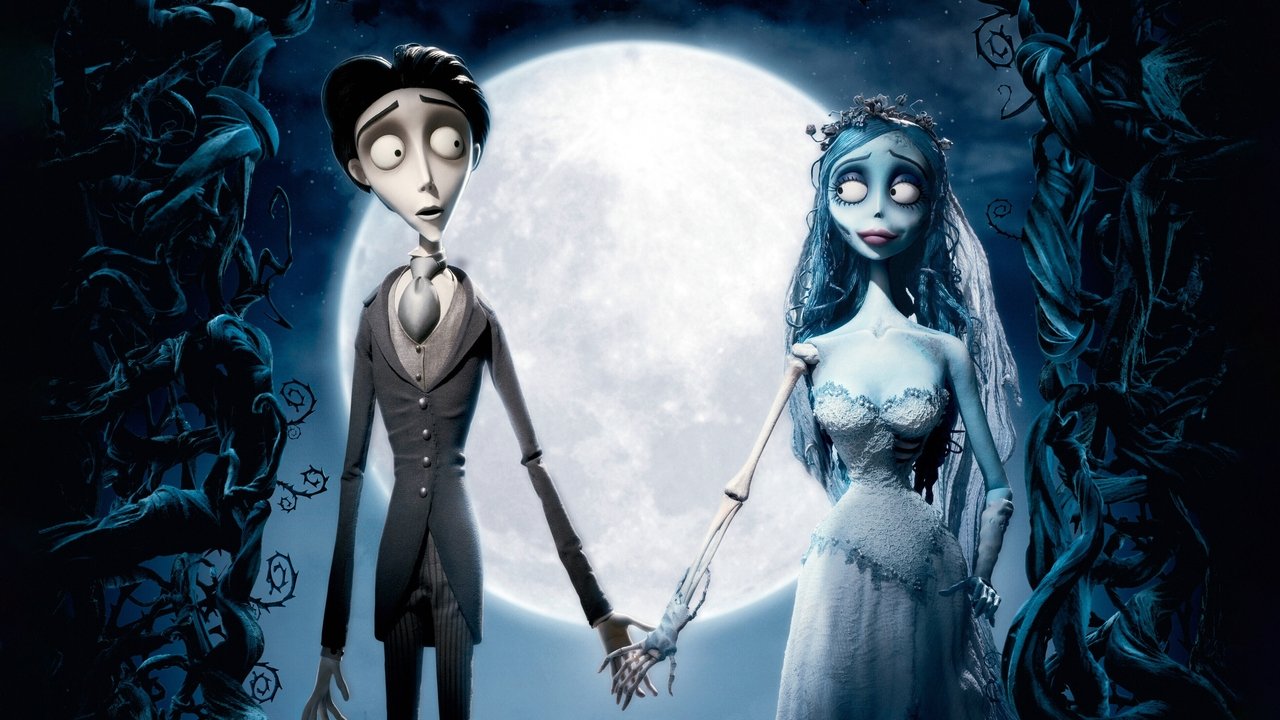
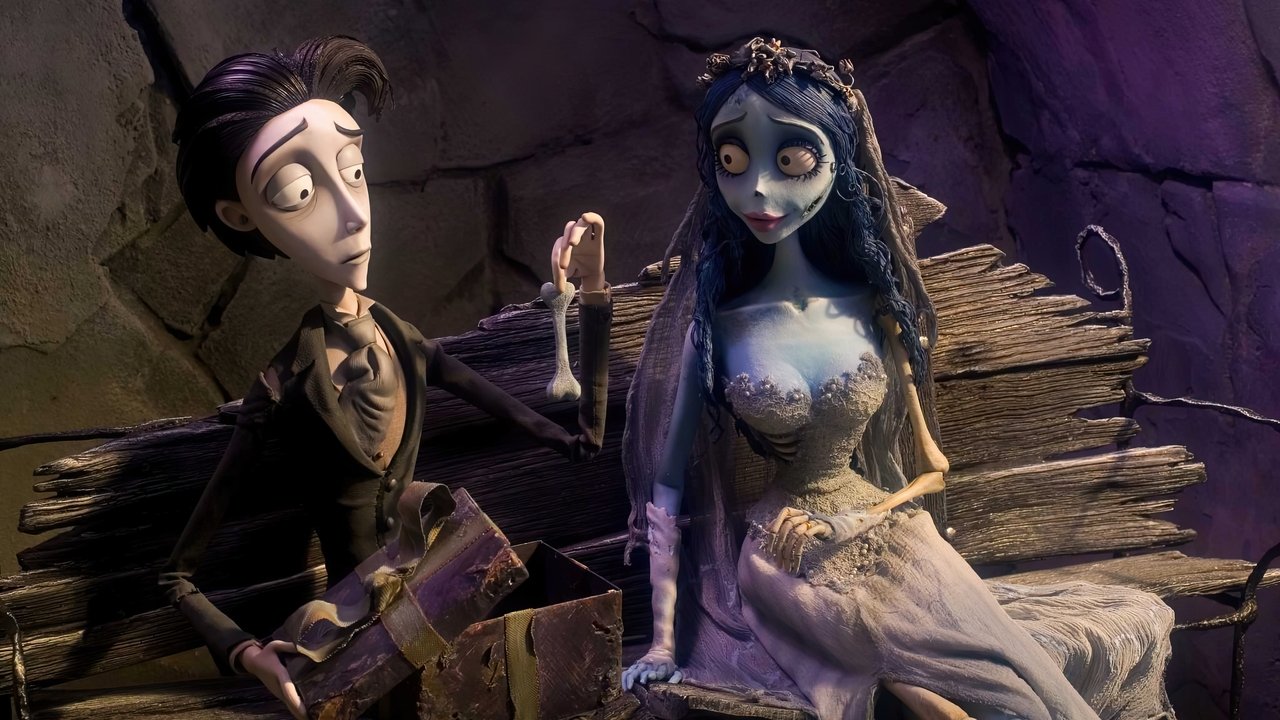
The performances here are surprisingly restrained. Johnny Depp—before he became a caricature of himself in later collaborations—gives Victor a soft-spoken, stammering dignity. But the emotional heavy lifting belongs to Helena Bonham Carter as the titular Bride, Emily. She doesn't play her as a monster or a simple victim, but as a woman frozen in the moment of her greatest heartbreak.
The film asks a rather heavy philosophical question for a "kids' movie": Is a promise made to the living more sacred than a promise made to the dead? When Victor accidentally proposes to a corpse while practicing his vows in a forest, the movie shifts from a Victorian satire into a study of grief and longing. It’s a drama that earns its tears because it refuses to treat Emily’s situation as a joke. She is literally falling apart—her ribs are showing, and a maggot (voiced by Enn Reitel) lives in her eye socket—yet she is the most vibrant person in the story.
Existential Jazz in the Afterlife
One of the cleverest directorial choices is the color palette. The Land of the Living is a monochromatic graveyard of grey, blue, and dull slate. It’s a world of rules, repression, and Joanna Lumley and Paul Whitehouse being delightfully horrid as the social-climbing parents. In contrast, the Land of the Dead is a neon-soaked jazz club.
This subversion—that life is a bore and death is a party—is where the film finds its cult legs. It speaks to that goth-kid sensibility that permeated the early 2000s, but it also touches on something deeper. It suggests that our fear of death is mostly just a fear of losing our vibrancy. When Danny Elfman (who also provides the score) pops up as the voice of Bonejangles the skeleton, the movie erupts into a musical number that feels more alive than anything happening above ground.
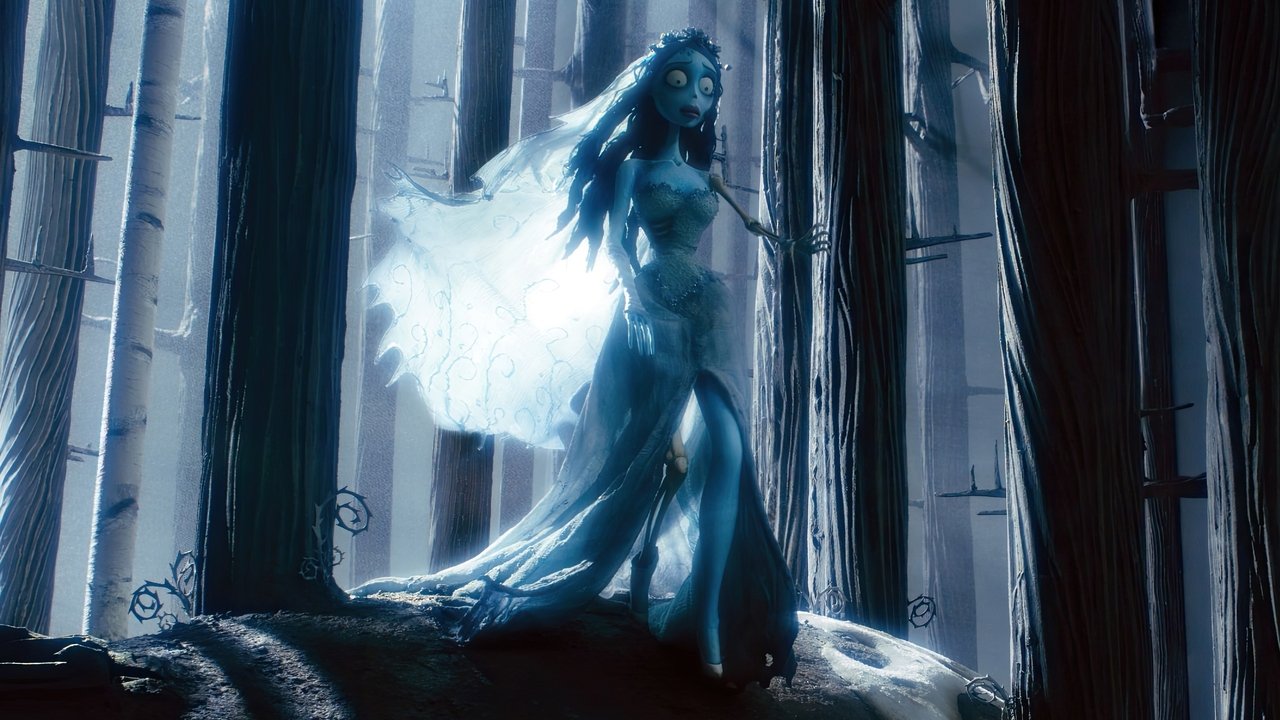
I remember the "making-of" featurettes on the DVD—back when we actually bought physical discs and cared about the supplements—showed the animators painstakingly moving the veils on the Bride’s dress. It was made of fine mesh and wire, and moving it just a fraction of a millimeter between frames took hours. That dedication translates to the screen as a kind of cinematic soul. You can feel the human touch in every frame, which is ironic for a movie about people who have lost their pulse.
The film’s villain, Barkis Bittern (voiced by Richard E. Grant), provides a necessary anchor for the drama. Barkis Bittern is essentially a human dumpster fire in a cravat, representing the true "death" in the film: greed and cruelty. His presence ensures that the stakes feel real, leading to a finale that is surprisingly poignant and avoids the easy, saccharine endings that 2000s animation often defaulted to.
Corpse Bride is a rare specimen that has actually improved with age. While some of its CGI contemporaries now look like muddy video game cutscenes, the tactile nature of this film keeps it timeless. It’s a short, sharp 77 minutes that manages to be both a haunting romance and a sharp-witted drama about social constraints. It reminds me of a time when "modern" didn't just mean faster or shinier, but rather using new tools to breathe life into the oldest, creakiest stories. If you haven't revisited the Land of the Dead lately, it’s worth the trip—just watch out for the spiders.
Keep Exploring...
-
Edward Scissorhands
1990
-
Big Fish
2003
-
Charlie and the Chocolate Factory
2005
-
Sleepy Hollow
1999
-
Frankenweenie
2012
-

The Princess and the Frog
2009
-

Millennium Actress
2002
-

Treasure Planet
2002
-
Monster House
2006
-
Hercules
1997
-

The Girl Who Leapt Through Time
2006
-

Dark Shadows
2012
-
The Nightmare Before Christmas
1993
-

What's Eating Gilbert Grape
1993
-

Hotarubi no Mori e
2011
-
Anastasia
1997
-
Ed Wood
1994
-
Shrek 2
2004
-
Alice in Wonderland
2010
-

13 Going on 30
2004