Crash
"In a city of strangers, everyone is a target."
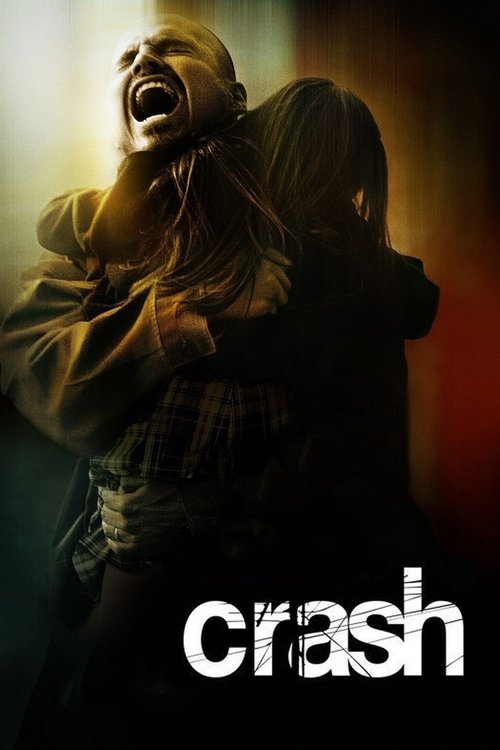
I remember watching this for the first time on a scratched DVD I’d borrowed from a friend, sitting on a beanbag chair while eating a lukewarm Taco Bell quesadilla—the kind where the cheese has already started to plastically solidify. That greasy, slightly uncomfortable feeling actually paired perfectly with the 112 minutes of Los Angeles-set tension that is Crash.

It’s a film that exists in a strange cultural purgatory. In 2005, it was the gritty indie darling that could; by 2006, it was the controversial Best Picture winner that "stole" the trophy from Brokeback Mountain; and today, it’s often used as a punchline for how Hollywood handles (or mishandles) social issues. But looking back, Crash is a fascinating time capsule of post-9/11 anxiety and the peak of the "hyperlinked" cinema trend.
The Speed of a Collision
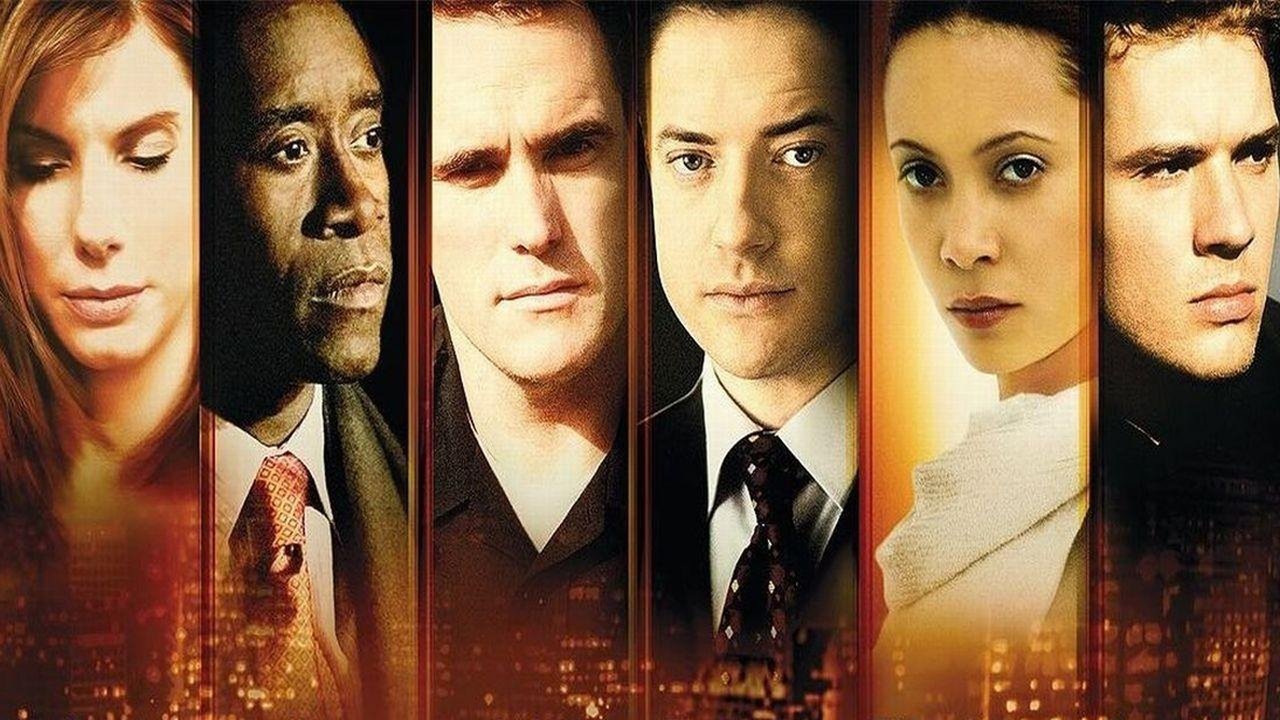
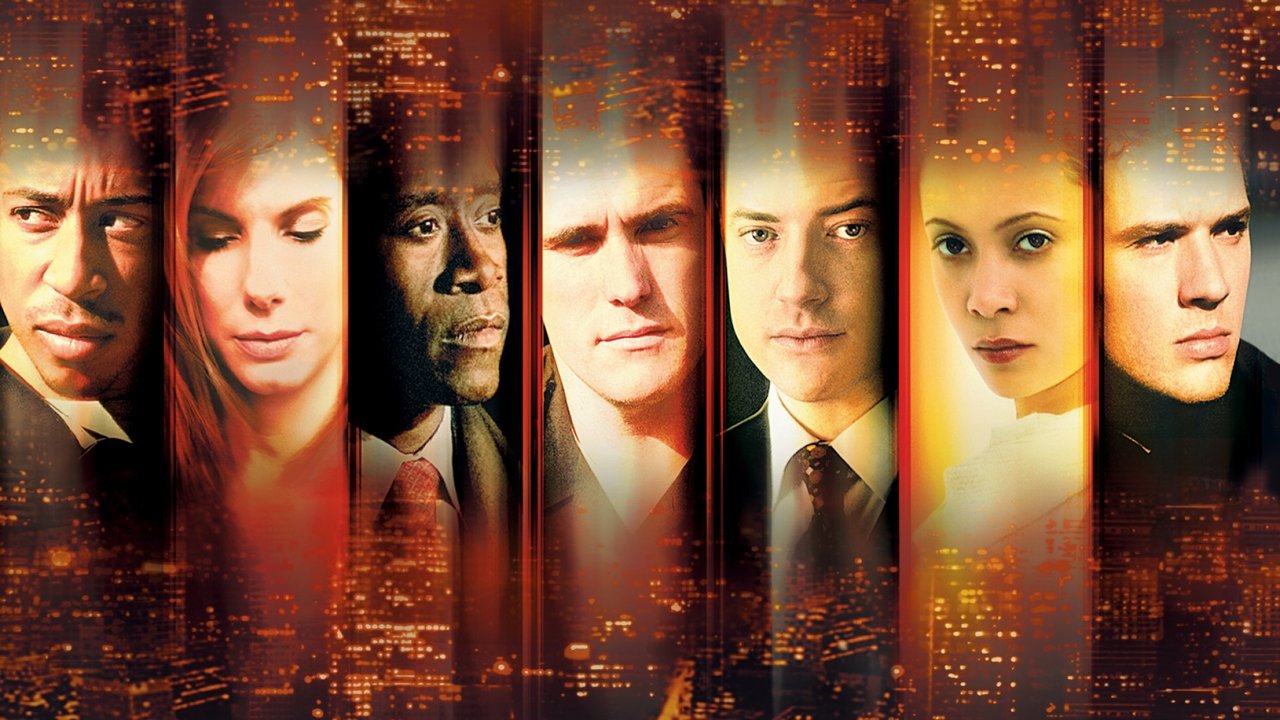
The premise is a logistical nightmare turned into a screenplay. Over 36 hours in Los Angeles, a dozen lives intersect through carjackings, traffic stops, and domestic disputes. We have Sandra Bullock as a wealthy, paranoid housewife, Don Cheadle (who also produced the film to ensure it got made) as a weary detective, and Matt Dillon as a racist patrol officer.
Director Paul Haggis—who reportedly based the opening carjacking on his own real-life experience being held up at gunpoint outside a video store—doesn't do subtlety. The film operates on the logic that everyone in LA is about three minutes away from either a racial slur or a miracle. It’s a movie that wants to grab you by the collar and shake you until you acknowledge that everyone is a little bit broken. While some critics today find it about as subtle as a sledgehammer to a kneecap, there is a certain propulsive energy to the way these stories collide that is undeniably engaging.
Performances That Ground the Chaos
If Crash works, it’s because of the ensemble. This was the era where "prestige dramas" lured big stars into smaller, grittier roles. Sandra Bullock is genuinely effective here, playing a character so profoundly unlikable that you almost forget she’s America’s Sweetheart. Apparently, she felt so strongly about the script that she paid for her own flight to the set just to participate.
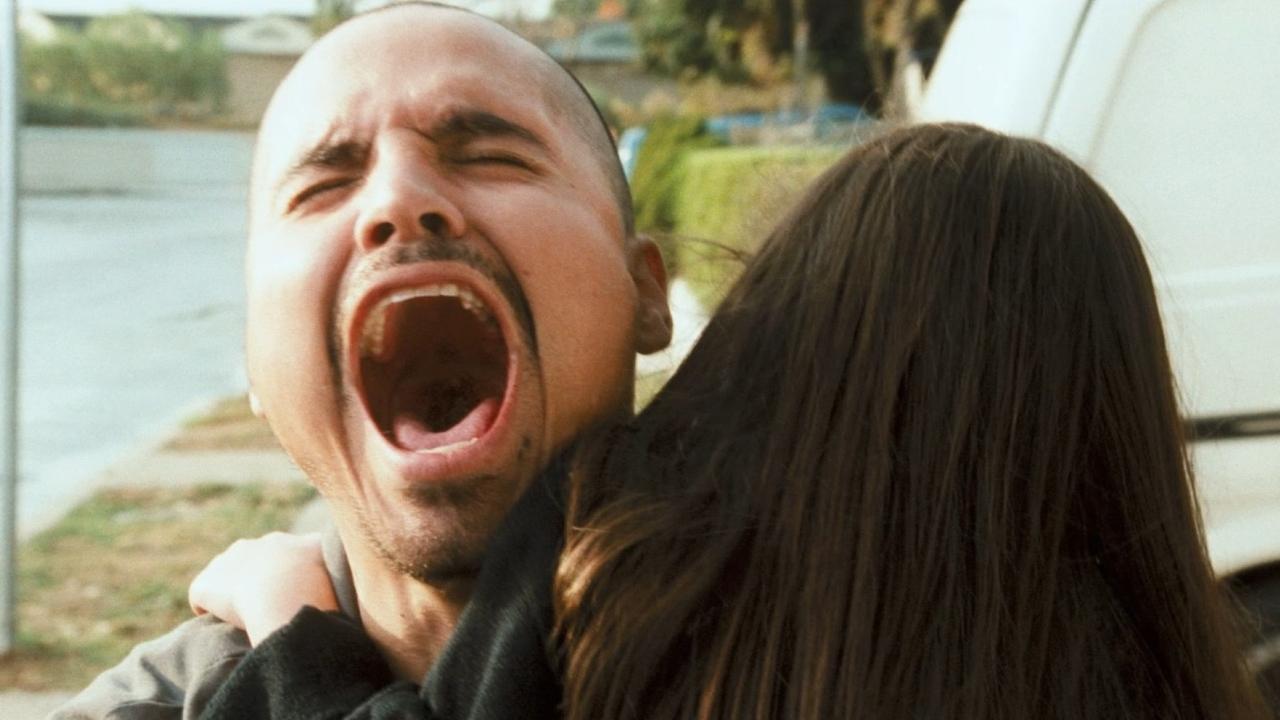
The real heart of the film, however, belongs to Michael Peña. As Daniel, the locksmith just trying to protect his young daughter, he provides the film’s only true moral compass. His scenes are the most "earned" in a movie that otherwise relies heavily on cosmic coincidence. Then there’s Matt Dillon, whose character is reprehensible for 90% of the film before being handed a redemption arc that still sparks heated debates in film classes today. Whether you buy into his "hero" moment or find it manipulative, Dillon plays the role with a sweaty, desperate realism that was lightyears away from his There's Something About Mary (1998) days.
A Post-9/11 Relic
To understand Crash, you have to remember the atmosphere of the early 2000s. We were living in a world of orange alerts and "United We Stand" bumper stickers, yet the internal social fabric of the U.S. felt like it was fraying. Crash captured that specific brand of urban paranoia. It’s a very "DVD era" movie—the kind of film that thrived on word-of-mouth recommendations and "did you see that?" conversations.
Interestingly, the film was a massive financial success, turning its $6.5 million budget into nearly $100 million. It found a second life in the "cult of the Oscars," becoming a film people love to hate-watch or defend with surprising passion. It’s the ultimate "conversation starter" movie. I’ve seen dinner parties devolve into shouting matches over whether the Persian shopkeeper (played with heartbreaking intensity by Shaun Toub) was a victim or a villain.
Stuff You Didn't Notice
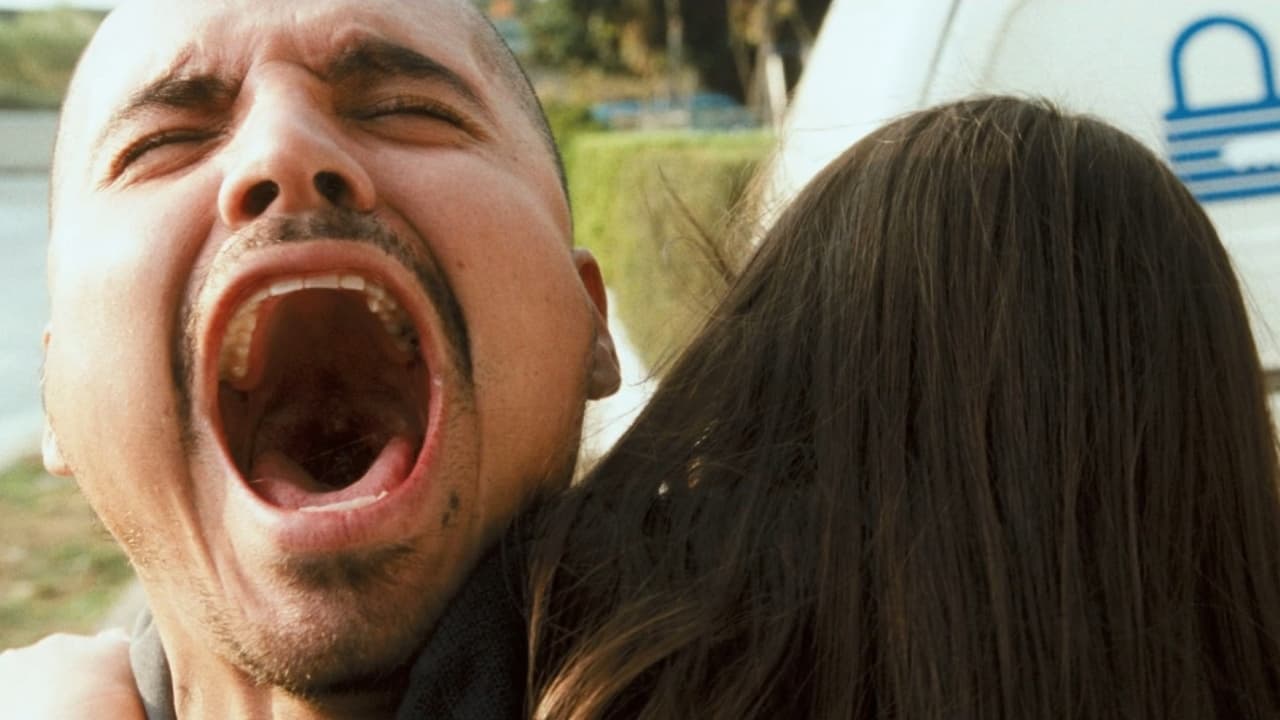
Behind the scenes, the production was as chaotic as the plot. Because the budget was so tight, they couldn't afford many permits. Many of the street scenes were shot "run-and-gun" style, and for the famous car-flip scene involving Thandiwe Newton, they only had enough money for one take. If the stunt driver missed the mark, the scene was gone.
Another fun detail: Ludacris and Larenz Tate were cast as the carjackers despite Ludacris having very little acting experience at the time (this was pre-Fast & Furious fame). Their bickering provides the film’s only intentional humor, and their chemistry was so natural that much of their dialogue was polished through improvisation. Also, keep an eye out for Brendan Fraser in a rare dramatic turn as the District Attorney; it’s a quiet, stifled performance that feels even more interesting now during his recent career "Brenaissance."
At the end of the day, Crash is a movie that tries to do everything at once. It’s loud, it’s manipulative, and it relies on coincidences that would make a soap opera writer blush. But it also features some truly incredible acting and a vision of Los Angeles that feels lived-in and dangerously electric. It might not be the "masterpiece" the Academy thought it was in 2005, but as a piece of provocative, high-stakes drama, it still demands your attention—even if you spend half the time arguing with the screen. It’s a flawed collision, but those are always the hardest ones to look away from.
Keep Exploring...
-
The Next Three Days
2010
-
In the Valley of Elah
2007
-
The Lake House
2006
-
August Rush
2007
-
Shooter
2007
-
Coyote Ugly
2000
-
High Fidelity
2000
-
Men of Honor
2000
-

I Am Sam
2001
-
K-PAX
2001
-
Frida
2002
-
John Q
2002
-
21 Grams
2003
-
Cellular
2004
-
The Machinist
2004
-
Coach Carter
2005
-

Match Point
2005
-
Thank You for Smoking
2005
-
The Skeleton Key
2005
-
Lucky Number Slevin
2006