Dark Water
"The scariest thing about the city is the plumbing."
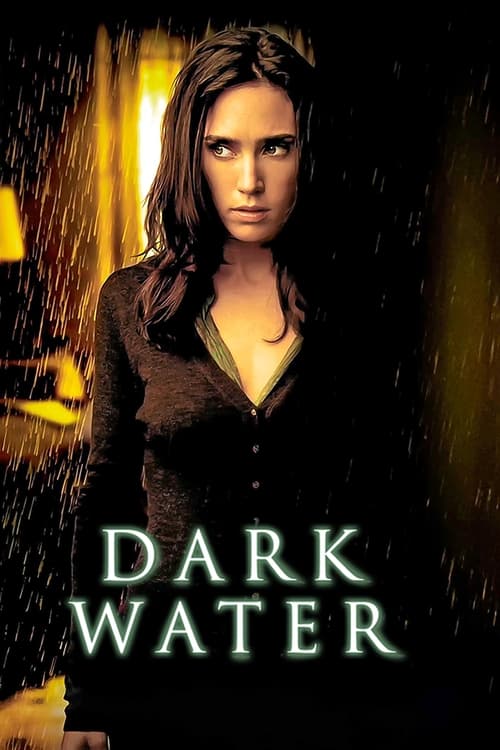
The sound of a rhythmic drip-drip-drip hitting a linoleum floor isn't usually the stuff of nightmares; it’s usually the stuff of a $150 plumbing bill and a Saturday wasted at Home Depot. But in the mid-2000s, Hollywood was convinced that every mundane household occurrence could be a portal to the afterlife, provided there was a Japanese source material to back it up. I recently revisited Walter Salles’ 2005 remake of Dark Water, and while the J-horror remake craze eventually drowned in its own tropes, this particular film feels like a strange, damp relic that deserves a second look—not as a horror movie, but as a surprisingly grounded portrait of urban isolation.

I watched this on a Tuesday night while eating a bowl of slightly over-salted popcorn, and I couldn't help but notice that my own bathroom ceiling has a faint yellow ring on it. It’s amazing how a movie about a ghost in a water tank can make you suddenly very interested in your renter's insurance policy.
The J-Horror Hangover
By 2005, the American appetite for "creepy girl with long black hair" was reaching a breaking point. We’d had The Ring, The Grudge, and their various sequels. When Walter Salles—a director known more for the prestige travelogue The Motorcycle Diaries than for jump scares—signed on to adapt Hideo Nakata’s film, the expectations were confusing. Was this going to be a "prestige" horror? A psychological thriller? Or just another attempt to cash in on the trend?
Looking back, Dark Water is the most "indie" feeling of the big-budget remakes. It trades the kinetic shocks of its peers for a slow, oppressive atmosphere of Roosevelt Island brutalism. The island itself is a character—that weird, skinny strip of land between Manhattan and Queens that feels like it’s constantly being swallowed by the East River. The film captures that specific New York anxiety: the feeling of being trapped in a crumbling "luxury" apartment you can barely afford, while the bureaucracy of the city (represented by lawyers and indifferent superintendents) ignores your slow descent into madness.
A Cast That Had No Business Being This Good
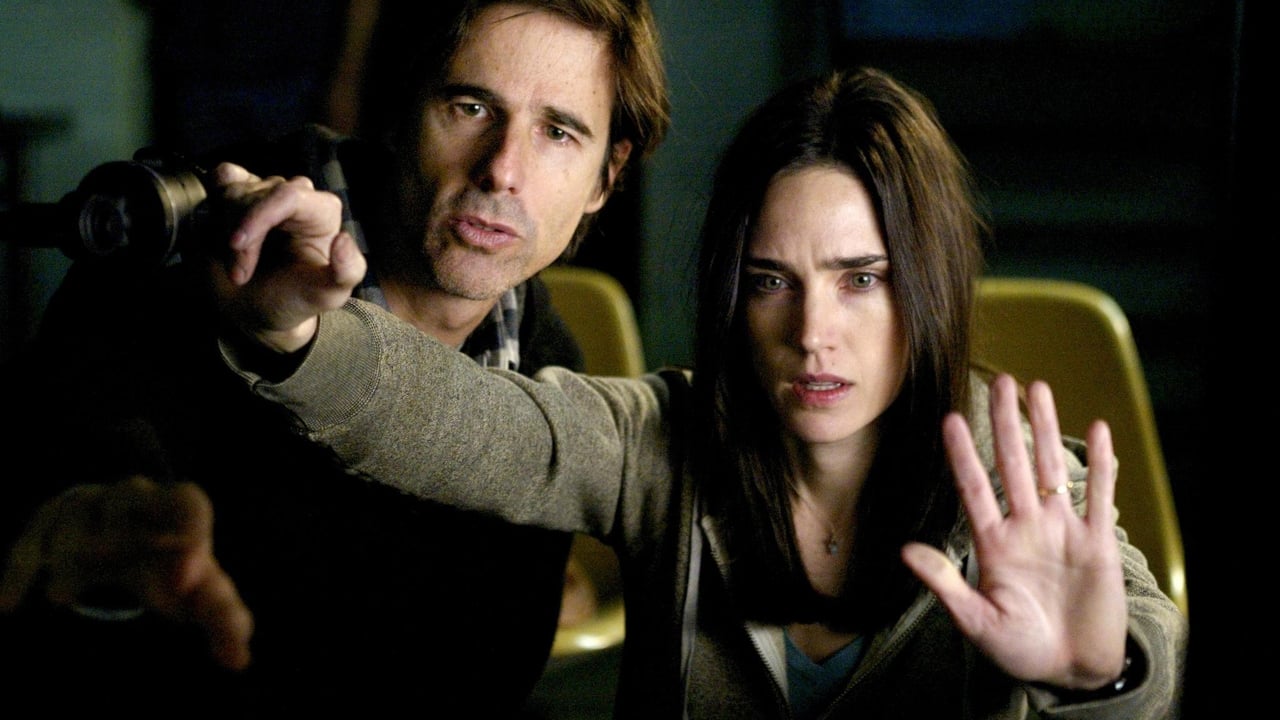
If you look at the call sheet for Dark Water, it’s frankly absurd for a movie about a leaky ceiling. You have Jennifer Connelly at the height of her post-Oscar powers, playing Dahlia with a frayed, trembling intensity that makes you forget you’re watching a genre flick. She’s not a "Scream Queen"; she’s a mother going through a messy divorce, and her fear feels painfully real.
Then there’s the supporting cast of character actor legends. John C. Reilly shows up as Mr. Murray, a real estate agent whose primary personality trait is "perspiring aggressively." He’s the absolute embodiment of a guy who would sell you a haunted house and tell you the ghosts are a 'vintage charm' feature. Watching him interact with the late, great Pete Postlethwaite, who plays the world’s least helpful building manager, is a masterclass in low-key discomfort. Throw in Tim Roth as a cynical lawyer who operates out of the back of his car, and you have a cast that treats the material with way more respect than it probably deserved.
Why It Vanished (And Why to Find It)
So why did Dark Water disappear from the cultural conversation? It earned a decent $68 million, but it didn't have the "water cooler" scares of The Ring. It’s a movie that asks you to be sad more often than it asks you to be scared. It’s a tragedy disguised as a ghost story, focusing on the cyclical nature of maternal abandonment. In 2005, audiences wanted gore or high-concept twists (this was the era of Saw and Hostel beginning their reign). A movie about the trauma of childhood neglect felt a bit too "real" and a bit too slow for the Friday night multiplex crowd.
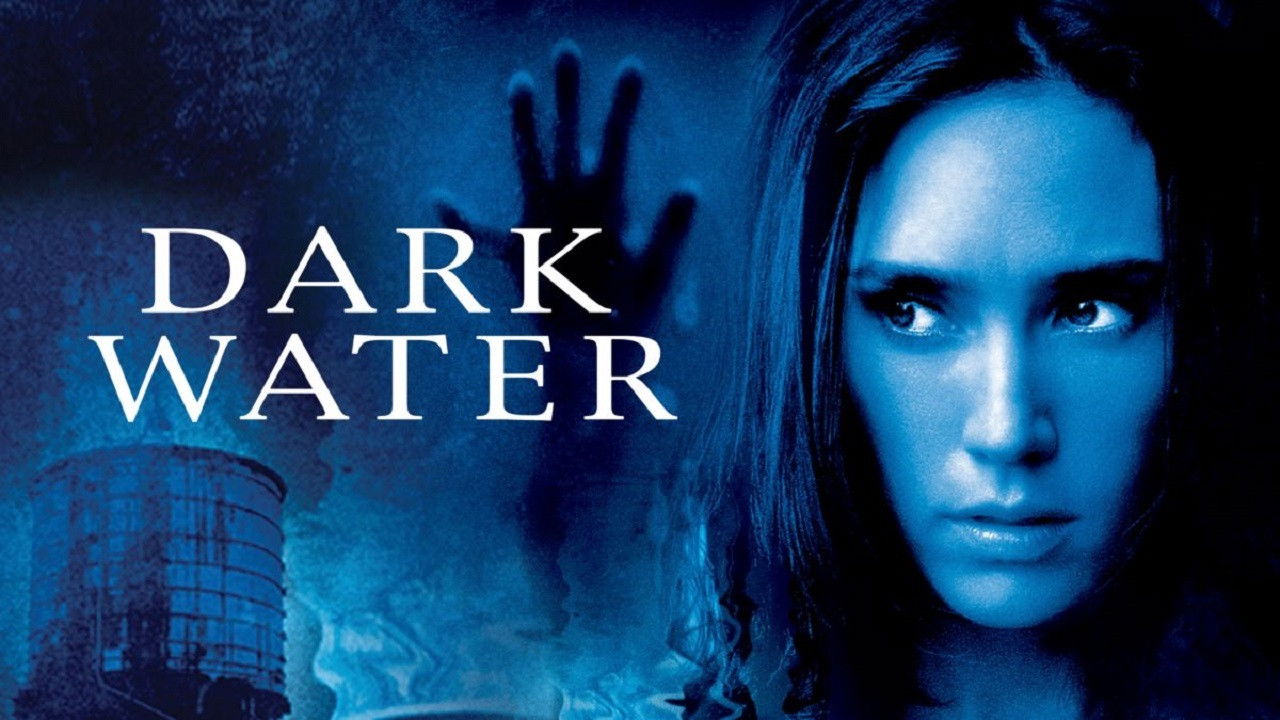
The cinematography by Affonso Beato is stunning in its ugliness. Everything is washed in shades of grey, bile-green, and "apartment-beige." It captures the era’s transition into more polished digital color grading, yet it feels muddy and tactile. The water isn't clear; it's thick, dark, and seemingly sentient. Angelo Badalamenti, the genius behind the Twin Peaks score, provides a soundtrack that feels like it’s vibrating through a damp wall.
It’s a film that has aged surprisingly well because it doesn’t rely on dated CGI. The effects are mostly practical—gallons of murky water and stains that slowly grow across the ceiling. In an era where we were just starting to see the limits of early-2000s digital effects, the physical "yuck factor" of Dark Water remains effective.
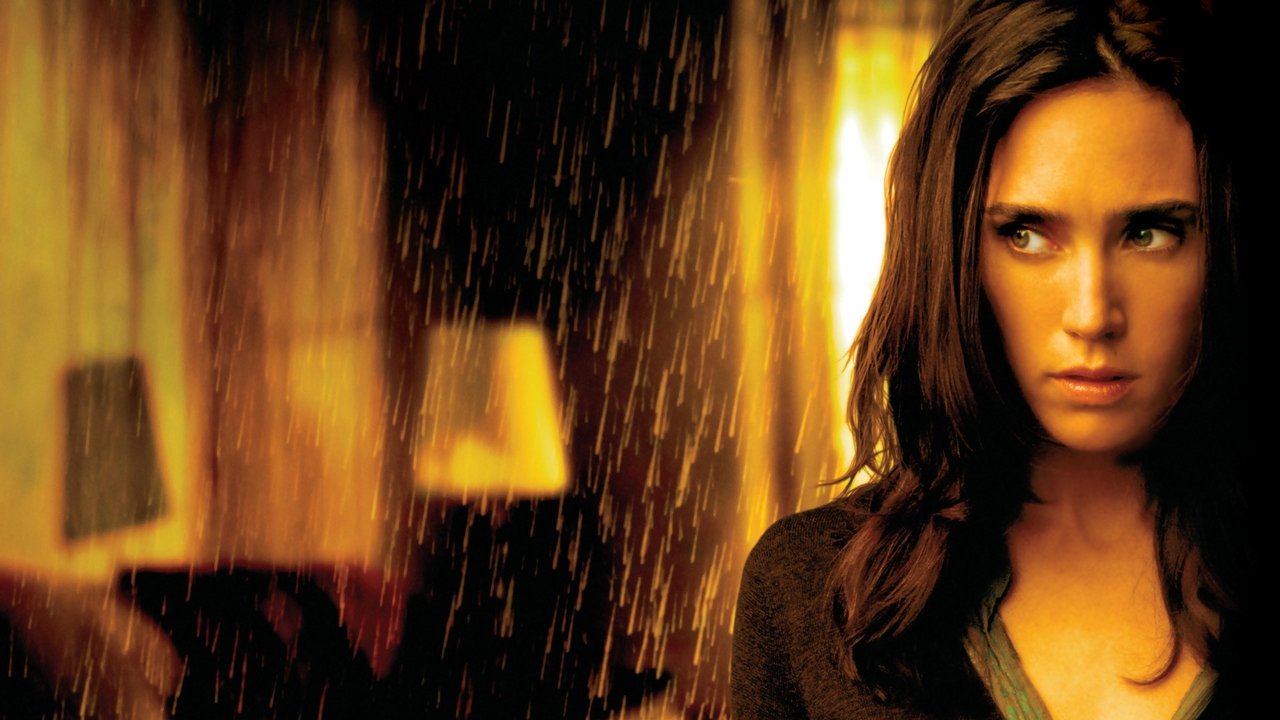
Ultimately, Dark Water is a mood piece that happens to have a ghost in it. It’s not going to make you jump out of your seat, but it might make you look at your ceiling with a new sense of dread. If you can appreciate Jennifer Connelly doing some heavy emotional lifting and John C. Reilly being a greasy delight, it’s a perfect rainy-day watch. Just maybe check your plumbing before the credits roll.

Keep Exploring...
-
Untraceable
2008
-

The Gift
2000
-
The Mothman Prophecies
2002
-
When a Stranger Calls
2006
-
Mirrors
2008
-

The Midnight Meat Train
2008
-
The Ward
2010
-
What Lies Beneath
2000
-

The Invasion
2007
-

The Omen
2006
-

New Nightmare
1994
-

Stir of Echoes
1999
-
Urban Legend
1998
-
Scream 3
2000
-

Final Destination 2
2003
-
Gothika
2003
-
The Grudge
2004
-

Hide and Seek
2005
-
House of Wax
2005
-
The Skeleton Key
2005