Domino
"A neon-soaked fever dream that refuses to blink."
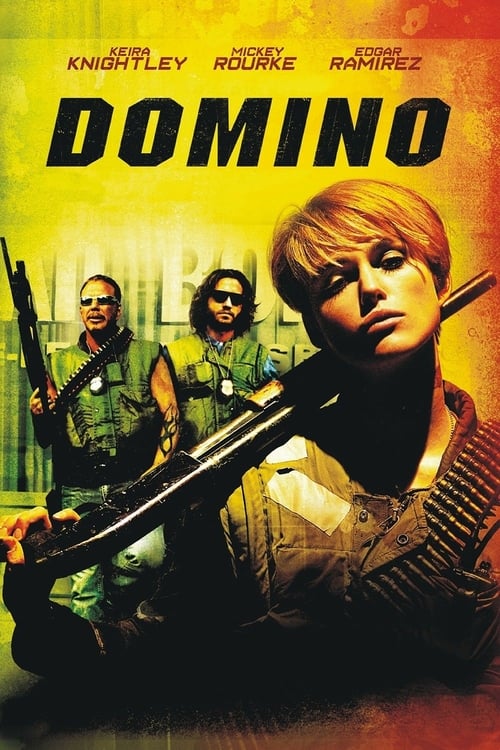
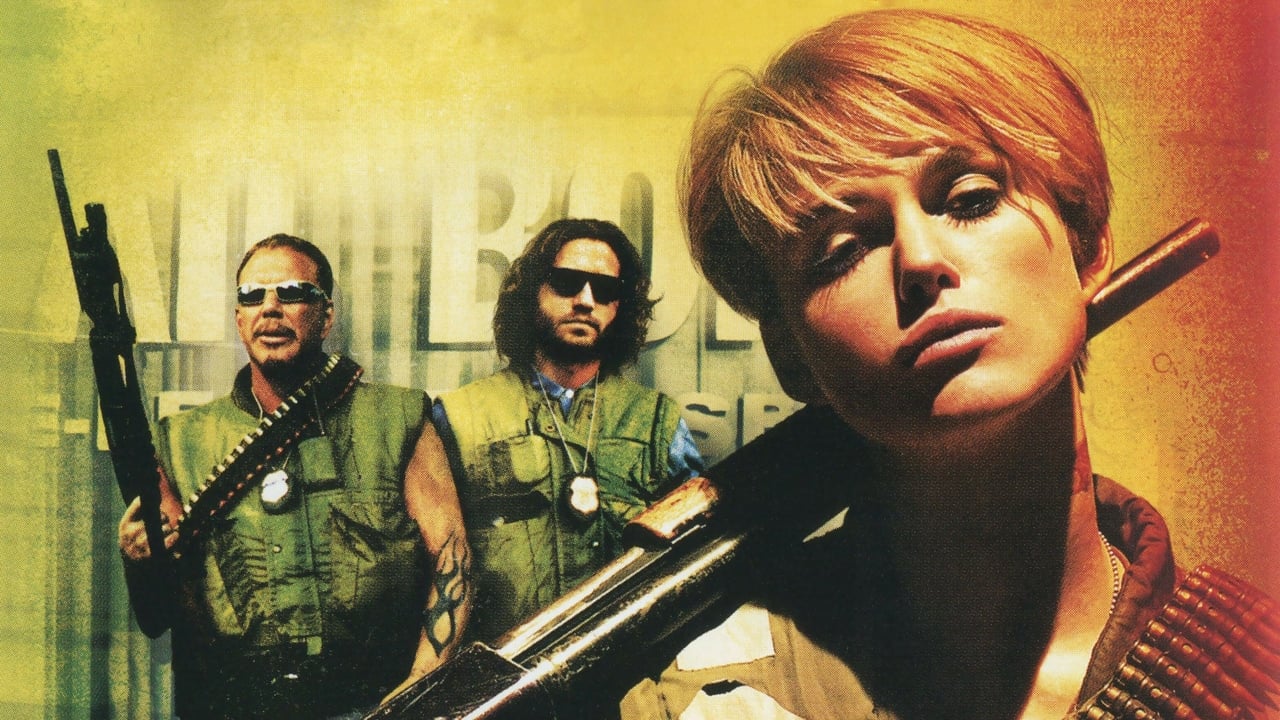
If you’ve ever wondered what it would feel like to be trapped inside a centrifuge with a collection of 1990s music videos and a handful of amphetamines, Tony Scott has the answer for you. I watched this again recently while nursing a mild caffeine headache and drinking a room-temperature Red Bull, and honestly, that’s the only physiological state that truly matches the frequency of Domino.
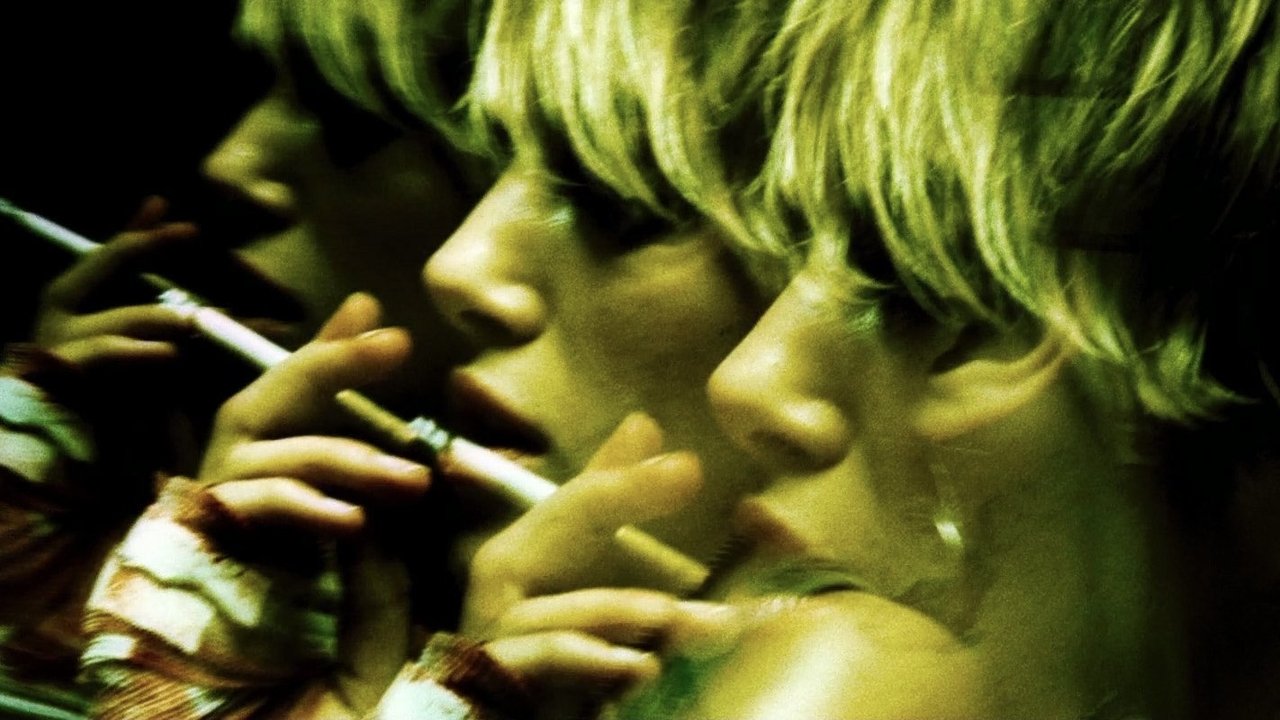
Released in 2005, Domino arrived at a very specific crossroads in cinema. It was the moment where legendary director Tony Scott—the man who gave us the sleek, high-gloss machismo of Top Gun and Days of Thunder—decided to set the film school rulebook on fire and dance in the ashes. It’s a movie that feels less "directed" and more "weaponized." Looking back, it captures that frantic mid-2000s transition where filmmakers were experimenting with digital intermediate color grading and high-speed editing, pushing the medium until it practically broke.
A Sensory Assault in High Definition
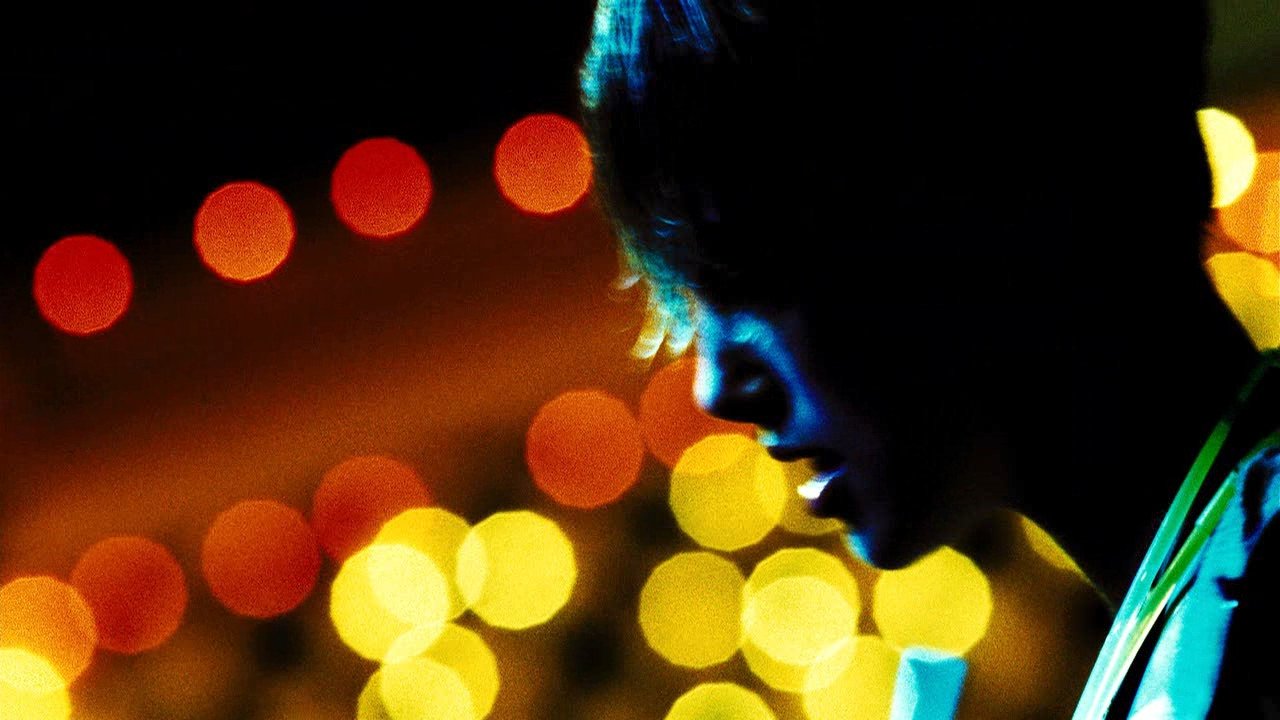
The visual language here is, frankly, exhausting. Tony Scott and cinematographer Dan Mindel (who later lensed Star Trek) used cross-processing, hand-cranked cameras, and multiple film stocks to create a look that is perpetually vibrating. It’s a movie that feels like it’s being screamed at you through a megaphone while someone shines a strobe light in your eyes. In 2005, this was the bleeding edge of "cool." Reassessing it now, it feels like a glorious relic of an era before the Marvel-style "gray sludge" aesthetic took over. It’s ugly, it’s beautiful, and it’s undeniably bold.
The plot is loosely—and I mean very loosely—based on the life of Domino Harvey, the daughter of actor Laurence Harvey, who traded her life as a Ford model for the grimy world of bounty hunting. Keira Knightley takes the lead, and this was a massive swing for her. At the time, she was the "English Rose" of Pride & Prejudice and Pirates of the Caribbean. Seeing her with a buzzcut, wielding a shotgun, and doing a lap dance to distract a target was a jarring bit of counter-programming. I’ll admit, her posh accent occasionally slips through the "tough girl" veneer, but you have to admire the sheer commitment to the chaos.
The Corset is Off, the Shotgun is Out
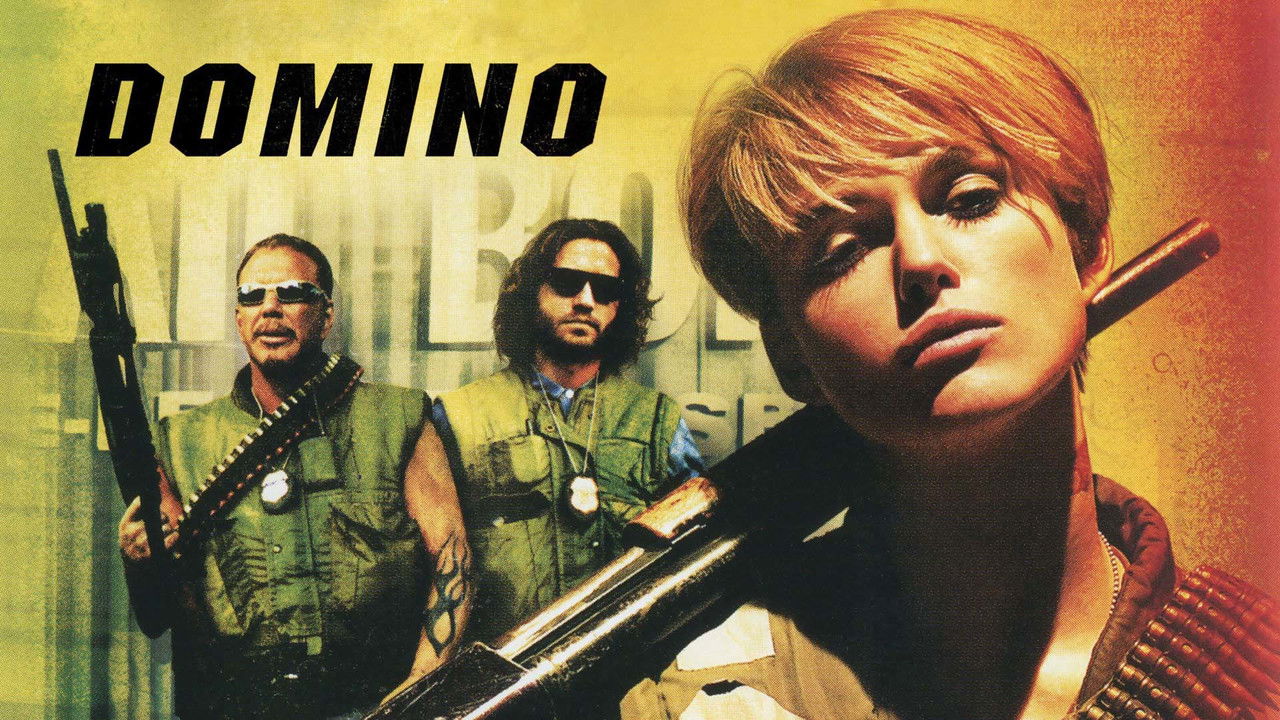
The supporting cast is where the real fun lies. Mickey Rourke, fresh off his career resurrection in Sin City, plays Ed Mosbey, the grizzled mentor. Rourke is the soul of the movie; he’s a man who looks like he’s made of old leather and regret, and he grounds the frantic editing with a weary, cigarette-stinking gravitas. Then you have Edgar Ramírez as Choco, providing the simmering romantic tension, and Delroy Lindo being effortlessly cool as their handler.
But then things get weird. The screenplay was written by Richard Kelly, the man behind Donnie Darko, so naturally, the narrative isn't a straight line—it’s a goddamn spiral. We have Christopher Walken and Lucy Liu playing reality TV producers trying to turn Domino’s life into a show called The Bounty Hunter, hosted by Ian Ziering and Brian Austin Green playing themselves. This meta-commentary on the burgeoning "Reality TV" era is fascinatingly cynical. It’s a movie that hates the very industry it’s parodying, yet uses all its slickest tricks.
I’ve always found the DVD culture of this era helped films like Domino survive. I remember the special features on the disc explaining how they achieved the "shimmering" effect by under-cranking the camera and then repeating frames. It’s the kind of physical film-craft that we’ve largely lost in the era of clean CGI. Even when the movie is frustratingly incoherent, the tactile nature of the film stock makes it feel alive in a way modern digital action movies rarely do.
A Meta-Mess from the Mind of Richard Kelly
Is it a "good" movie? My brain says no, but my lizard brain says yes. The third act involves a heist gone wrong, the FBI, the Las Vegas mob, and a scene where Mo’Nique goes on a legendary rant on the Jerry Springer show about "First-Class Asian-American Mixed-Race" representation. It’s bizarre. It’s also post-9/11 filmmaking at its most nihilistic; there’s a sense of "nothing matters, so let’s turn the volume up to eleven" that permeated a lot of mid-2000s action.
The action choreography isn't about clarity; it’s about impact. When the guns go off, you don't just see it—you feel the frame shudder. Tony Scott wasn’t interested in showing you a fight; he wanted to show you how a fight feels when your adrenaline is spiking. It’s the antithesis of the "John Wick" school of clear, wide shots. It’s messy, but it’s intentional.
The tragedy of the film is that the real Domino Harvey died of a drug overdose just months before the movie was released. That reality casts a somber shadow over a film that is otherwise a hyper-stylized romp. It’s a "hidden gem" in the sense that most people dismissed it as a headache-inducing flop, but if you have an appreciation for directors who take massive, swing-for-the-fences risks, it’s essential viewing.
Ultimately, Domino is a fascinating artifact of a time when a studio would give a master director $50 million to make an experimental art-house film disguised as an action blockbuster. It’s loud, it’s confusing, and it’s occasionally obnoxious, but I’d take this brand of inspired madness over a safe, focus-tested sequel any day of the week. Grab some aspirin, dim the lights, and let the chaos wash over you. It’s a wild ride that doesn’t care if you keep up.

Keep Exploring...
-
Spy Game
2001
-
The Score
2001
-
Basic
2003
-
The Hunted
2003
-
The Taking of Pelham 1 2 3
2009
-
Payback
1999
-
Man on Fire
2004
-
Death Sentence
2007
-
Street Kings
2008
-
Harry Brown
2009
-
Takers
2010
-
Backdraft
1991
-
The Siege
1998
-
Crimson Tide
1995
-
Vantage Point
2008
-

Double Impact
1991
-

Hackers
1995
-
Breakdown
1997
-
xXx
2002
-

The Fast and the Furious: Tokyo Drift
2006