Elizabethtown
"Failure never sounded so much like Tom Petty."
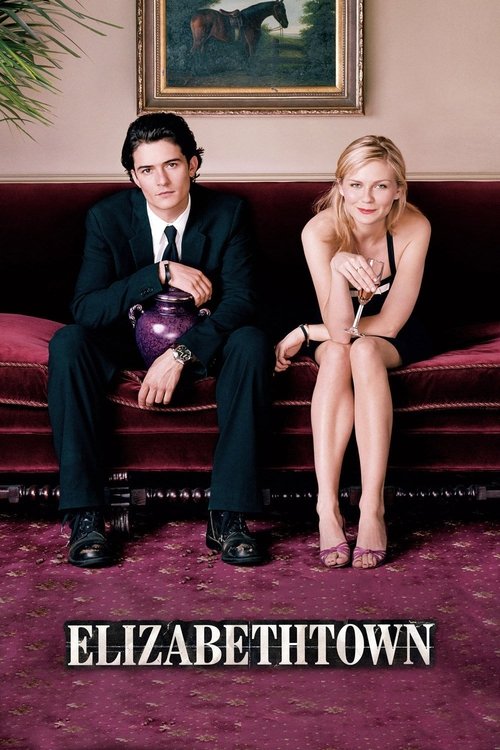
The "Spasmotica" is a shoe so poorly designed it causes a $972 million loss and leads its creator to contemplate a very elaborate suicide involving a kitchen knife and an exercise bike. It’s also the perfect metaphor for Elizabethtown itself: an ambitious, high-budget swing that misses the mark so spectacularly it eventually changed the way we talk about movies forever. I watched this again recently while nursing a bag of slightly stale pretzel sticks, and I realized that while the film is a mess, it’s a fascinating, soulful, and deeply "Cameron Crowe" kind of mess.
The Genesis of a Trope
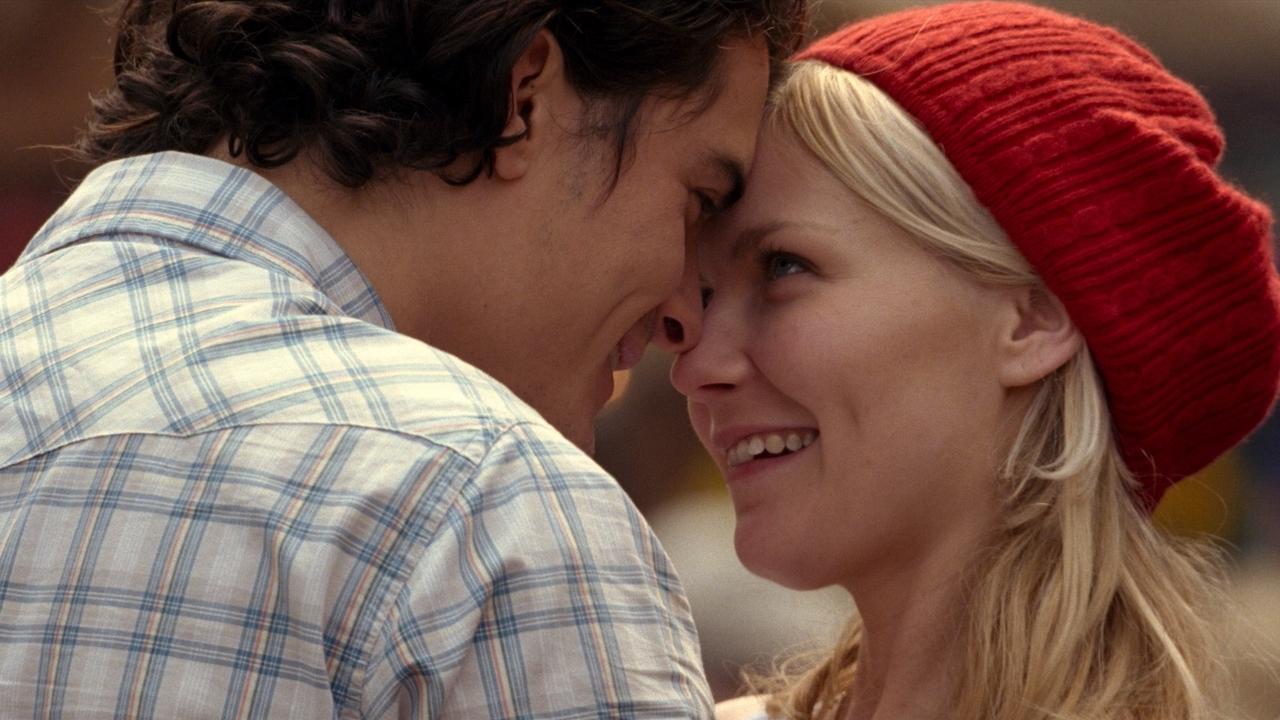
If you’ve spent any time in film circles, you know the term "Manic Pixie Dream Girl." We have Kirsten Dunst to thank—or blame—for that. As Claire Colburn, the flight attendant who exists solely to pull Orlando Bloom’s Drew Baylor out of his funk, Dunst is the prototype. She’s quirky, she’s observant, she makes maps, and she seems to have no internal life or family of her own beyond her mission to save our depressed protagonist.
Looking back, Claire is the ultimate mid-2000s construction. In an era where the "indie sleaze" aesthetic was beginning to merge with big-budget sentimentality, Claire felt like a revelation to some and a headache to others. Kirsten Dunst actually gives it her all, radiating a desperate sort of sunshine that almost makes you forget her character is essentially a sentient self-help book. But let's be honest: her character exists primarily as a glorified GPS for a man’s soul. It’s a trope that hasn't aged particularly well, but seeing it in its raw, original form is a necessary bit of film history for anyone tracking the evolution of the romantic dramedy.
Bloom, Accents, and the Shadow of Jerry Maguire
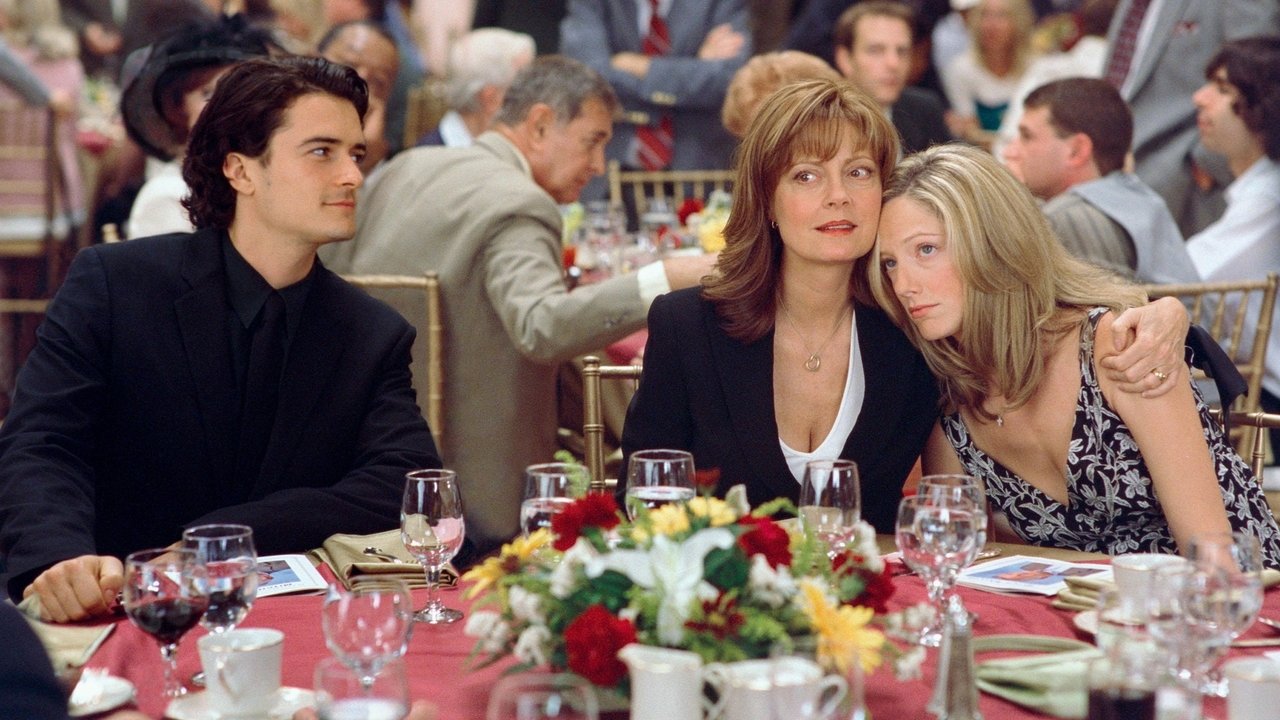
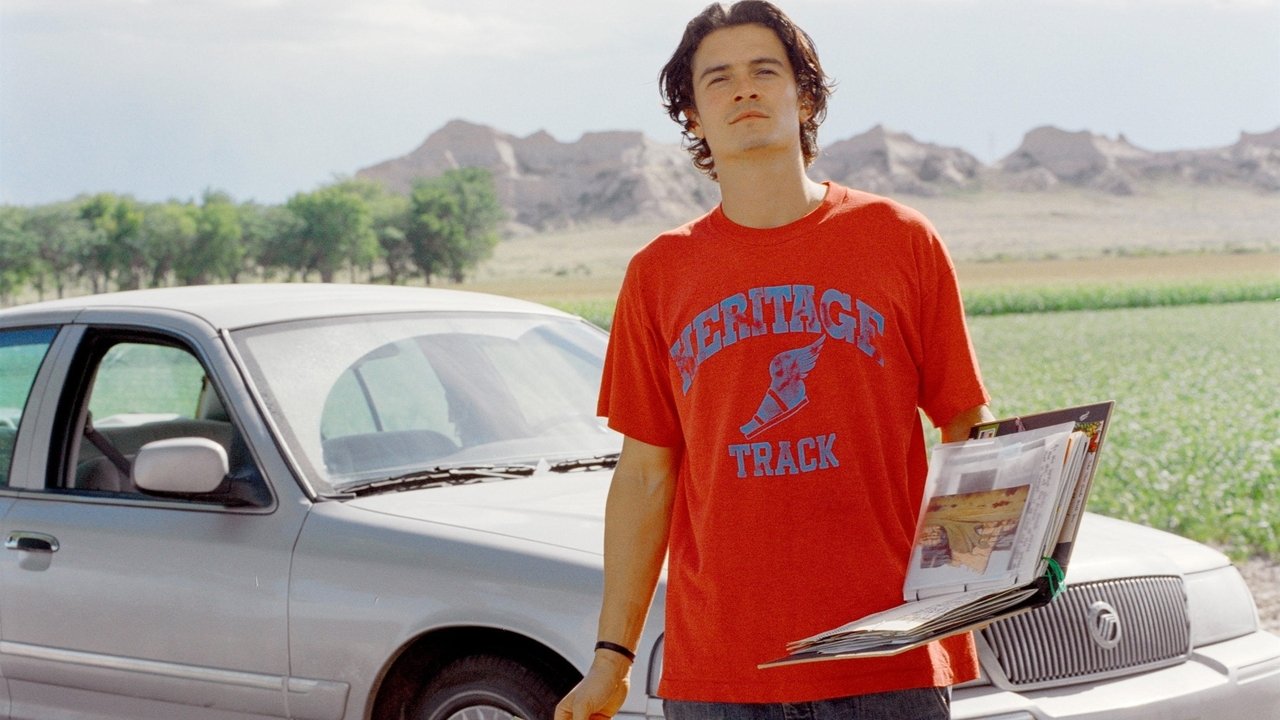
Then there’s Orlando Bloom. Fresh off The Lord of the Rings and Pirates of the Caribbean, Bloom was being positioned as the next great American leading man. The problem? He’s very, very British, and his Kentucky-bound American accent in this film sounds like a man trying to swallow his own tongue while reciting poetry.
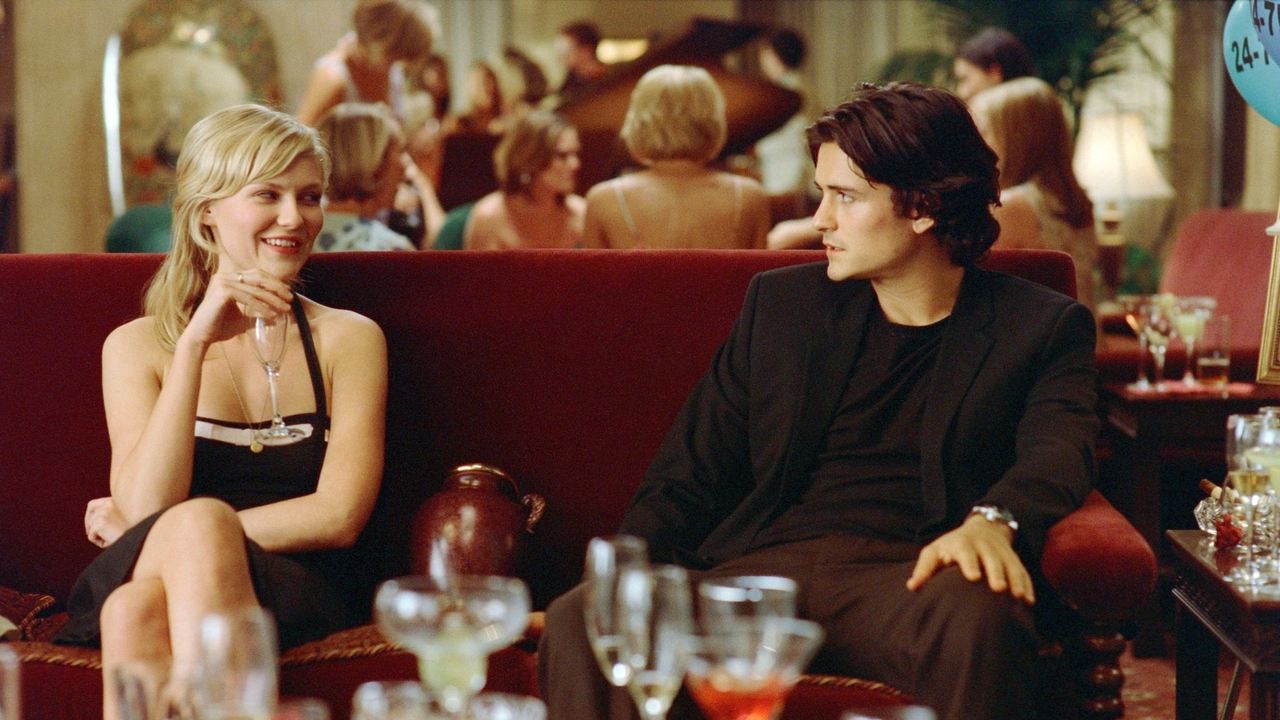
Bloom struggles with the "Crowe-speak"—that hyper-earnest, rhythmic dialogue that Alec Baldwin (playing the corporate shark Phil DeVoss) handles with ease. Where Tom Cruise could make Crowe’s lines feel like a mission statement in Jerry Maguire, Bloom makes them feel like a rehearsal. In retrospect, the film highlights the "prestige gap" of the mid-2000s; studios were desperate to turn franchise heartthrobs into dramatic heavyweights, often before they had the lived-in grit to pull off a character like Drew Baylor.
The Soul of the South (and the Stereo)
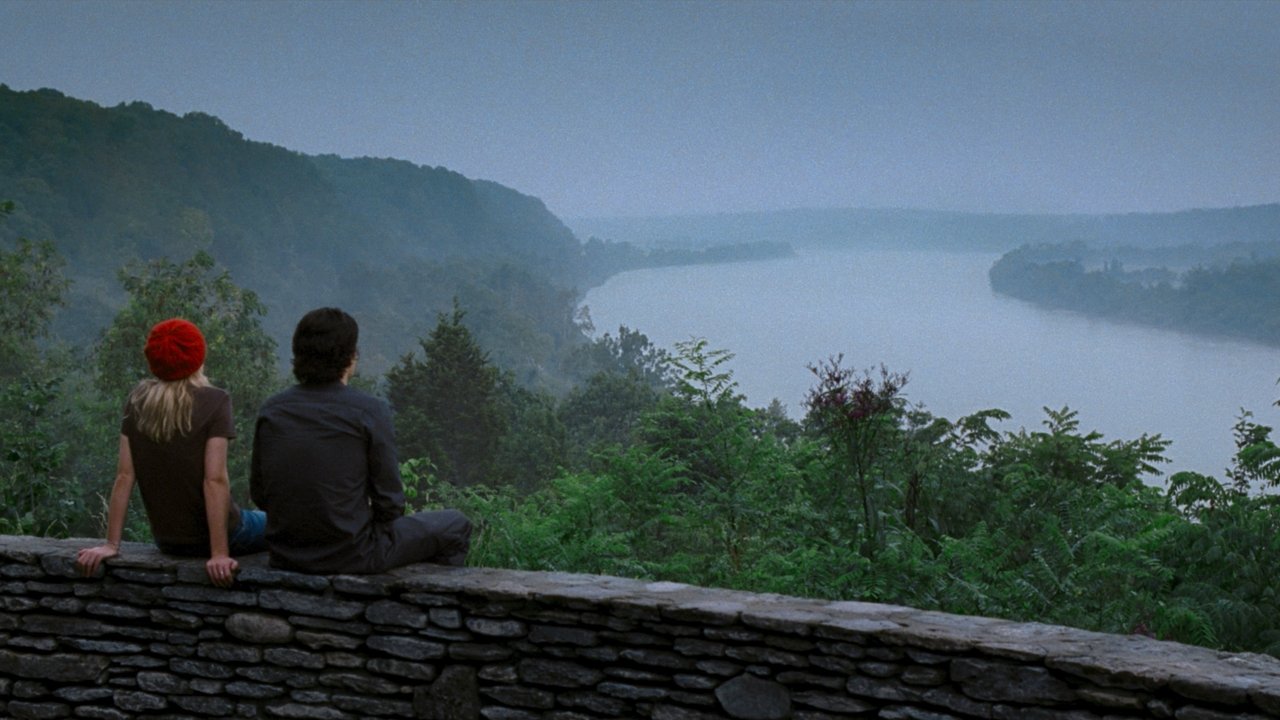
Where Elizabethtown actually wins me over—and why I don't totally hate it—is in its texture. Cameron Crowe (the man behind Almost Famous) loves the South, and he loves music. The film is a love letter to Kentucky, captured with a golden, sunset-hued warmth by cinematographer John Toll. There is a genuine sense of place here, from the funeral home chaos to the endless green hills.
And the soundtrack? It’s arguably better than the movie. Nancy Wilson’s score and the curated tracks from Tom Petty, Elton John, and My Morning Jacket provide a heartbeat that the script sometimes lacks. The final act—a massive, solo road trip Drew takes with a series of instructional CDs and a box of his father’s ashes—is essentially a 15-minute music video. It’s indulgent, it’s too long, and it’s the most expensive therapy session ever committed to celluloid, but it captures that specific 2005 "DVD culture" vibe where the journey mattered more than the destination.
Stuff You Didn't Notice
Interestingly, Elizabethtown was a bit of a "what-if" factory behind the scenes.
The MPDG Legacy: Critic Nathan Rabin coined the term "Manic Pixie Dream Girl" specifically in his review of this film for The A.V. Club. It’s rare that a movie creates a permanent piece of the cultural lexicon through its own perceived failures. The Lost Cut: The version that premiered at the Toronto International Film Festival was 158 minutes long. After a disastrous reception, Crowe hacked it down by nearly 40 minutes for the theatrical release. * The Shoe is Real (Sort of): The disastrous "Spasmotica" sneaker was inspired by real-world design flops in the early 2000s when companies were over-engineering athletic gear with "shox" and "pump" tech that nobody actually wanted.
Elizabethtown is a film that wears its heart on its sleeve, even when that sleeve is attached to a very ugly designer jacket. It’s too long, the central romance is built on a trope that has since expired, and the lead performance is a bit wobbly. Yet, there’s a sincerity here that you don't see in modern, corporate-polished dramas. It’s a messy, loud, musical exploration of what happens when you hit rock bottom and find out that Kentucky is waiting for you. It’s worth a watch just to see the moment 2000s cinema peaked in its own earnestness.
Keep Exploring...
-
Jerry Maguire
1996
-

Alfie
2004
-
We Bought a Zoo
2011
-

Aloha
2015
-
Four Christmases
2008
-
Sex and the City 2
2010
-
Rock of Ages
2012
-
Say Anything...
1989
-
S1m0ne
2002
-
What a Girl Wants
2003
-
First Daughter
2004
-
Jersey Girl
2004
-
A Lot Like Love
2005
-
Casanova
2005
-
The Family Stone
2005
-

A Good Year
2006
-
Just My Luck
2006
-
Dan in Real Life
2007
-
The Nanny Diaries
2007
-
Ghost Town
2008