Fantastic Four
"Before the universe got complicated, it was just fantastic."
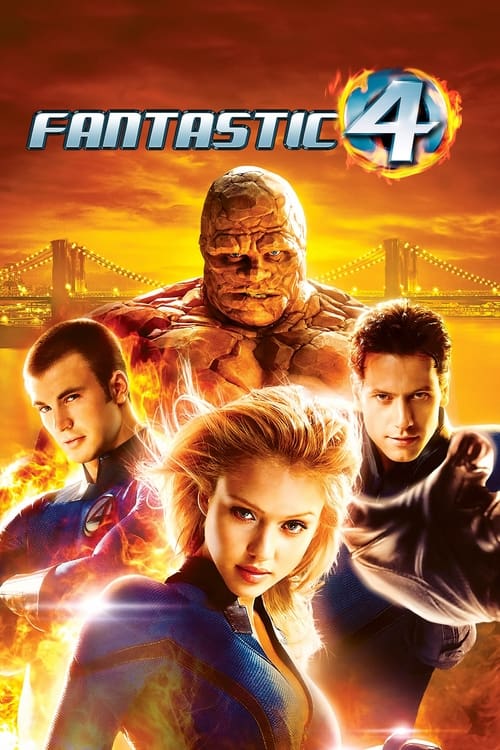
There is a specific flavor of 2005 optimism that tastes like orange Gatorade and smells like new car plastic. Watching Tim Story’s Fantastic Four nearly two decades later feels like opening a time capsule buried beneath a Circuit City. It arrived in that sweet spot of superhero cinema history—after X-Men proved the genre could work, but before the Marvel Cinematic Universe turned every movie into a mandatory homework assignment. I recently revisited this one on a humid Sunday afternoon while trying to peel a very stubborn sticker off a thrifted picture frame, and honestly, the movie’s low-stakes charm was exactly the distraction I needed.
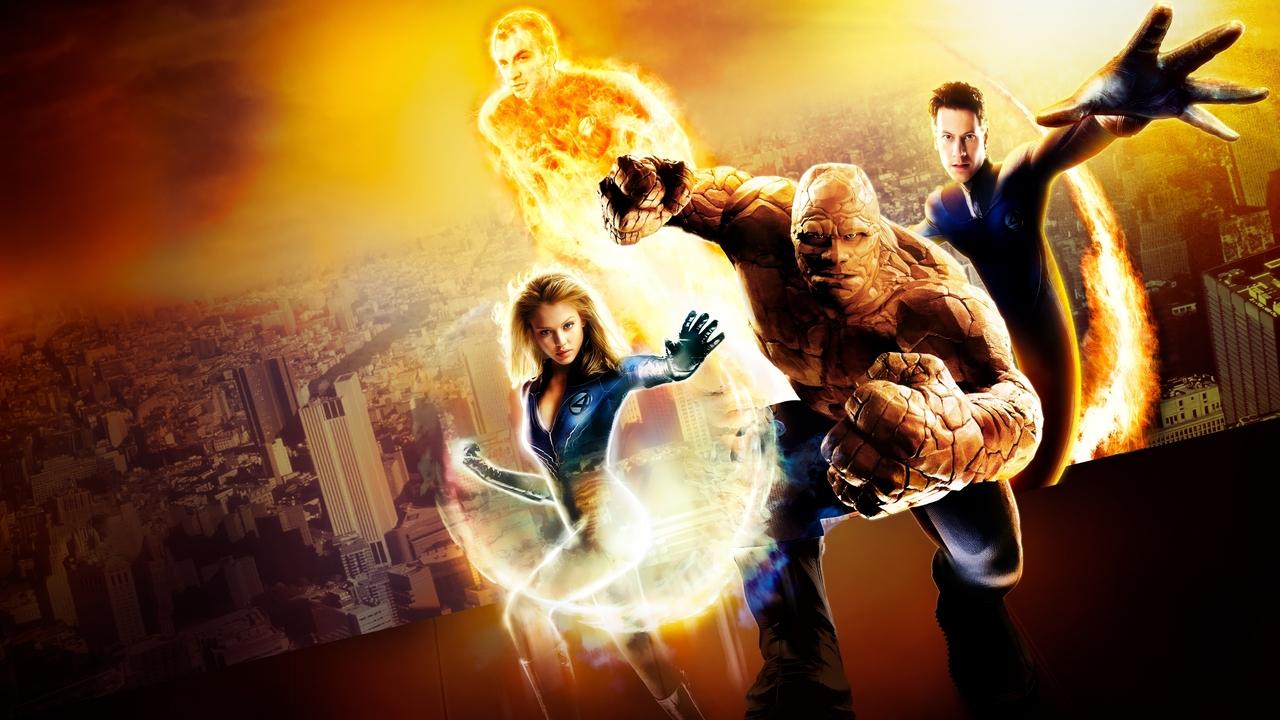
The Family Dynamic (And the Human Torch)
While modern superhero movies often feel like they’re carrying the weight of the world, Fantastic Four is mostly interested in whether four friends can live in the same apartment without killing each other. It’s a workplace comedy where one guy happens to be made of orange rocks.
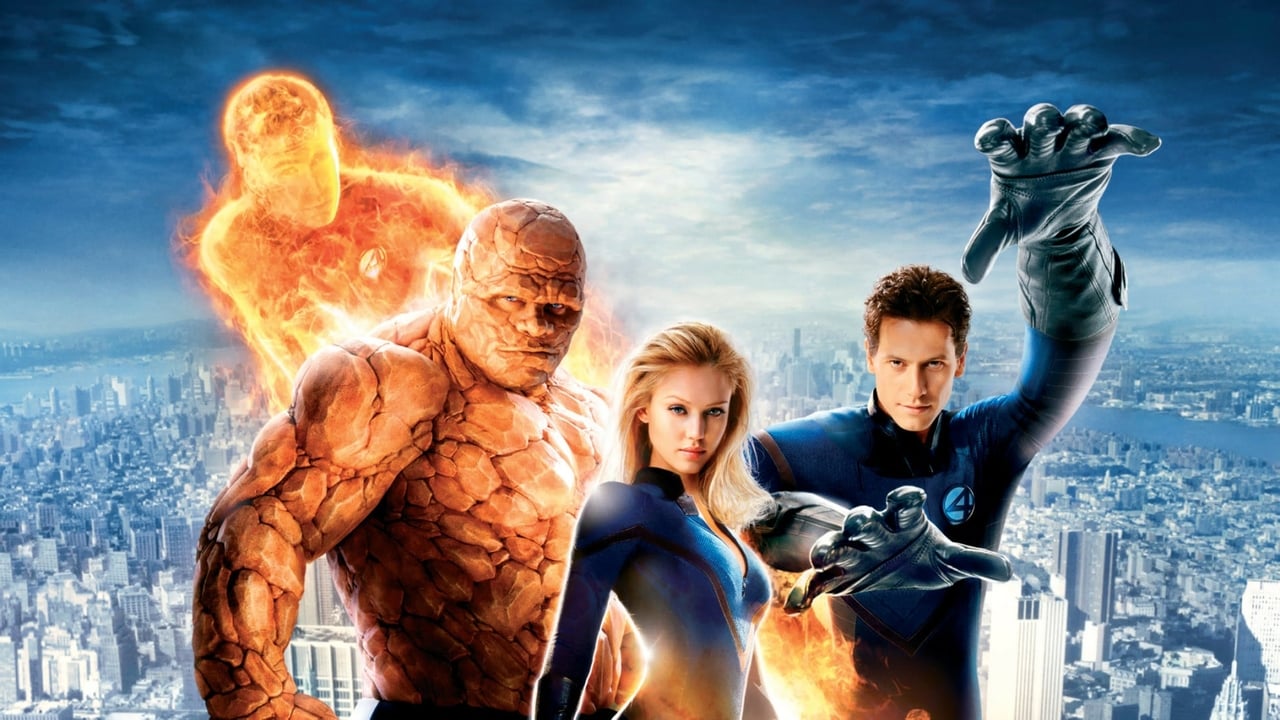
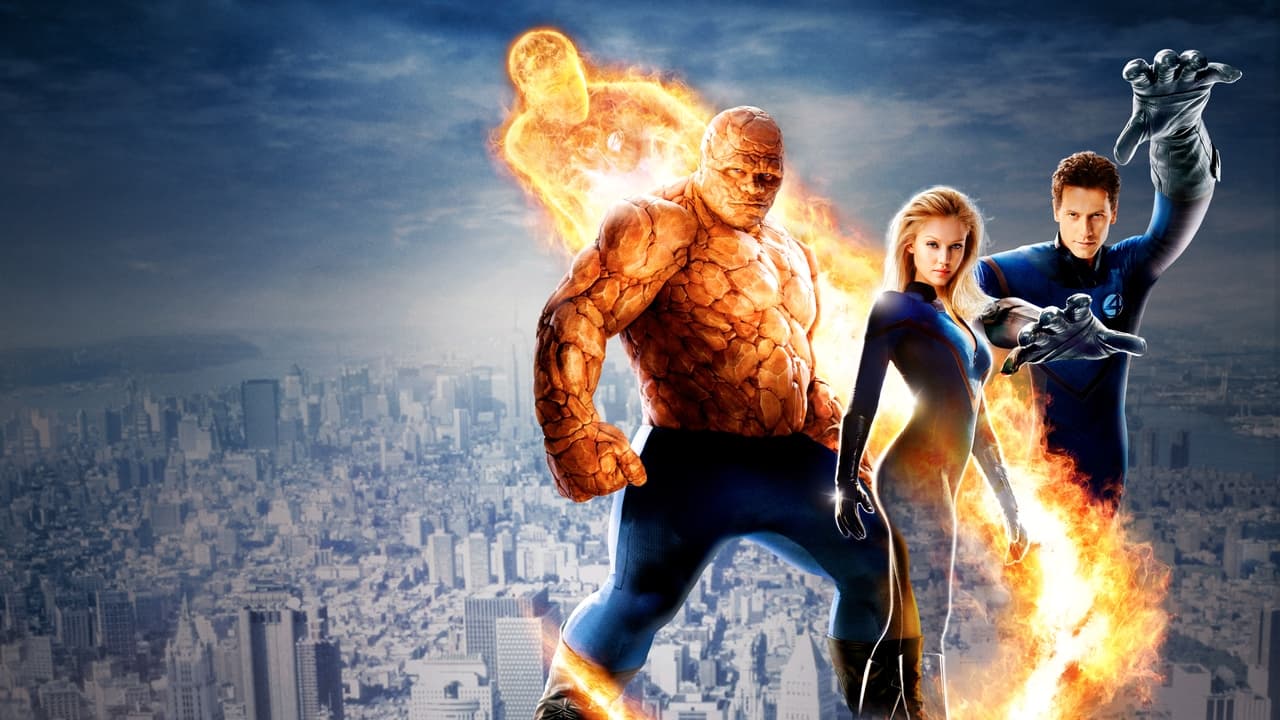
The undisputed MVP here is Chris Evans as Johnny Storm. Long before he became the stoic moral compass of the Avengers, Evans was clearly having the time of his life playing a narcissistic "extreme sports" junkie who treats superpowers like a cool new skateboard. His chemistry with Michael Chiklis, who plays the tragic Ben Grimm, provides the film’s actual heartbeat. Chiklis deserves a lot of credit; he’s buried under 60 pounds of latex and prosthetic foam, yet he manages to convey a deep, soulful melancholy. He’s the only one who seems to realize that becoming a superhero is actually a bit of a nightmare.
On the other hand, Ioan Gruffudd as Reed Richards and Jessica Alba as Sue Storm feel like they’re in a slightly different, more wooden movie. Gruffudd plays Reed as a man whose primary personality trait is "explaining things," while the script leaves Alba with very little to do other than look concerned and occasionally turn invisible so she can strip off her clothes for a "funny" gag. It’s a very 2005 approach to a female lead, and it’s the part of the movie that has aged the poorest.
Practical Rocks and Rubber Limbs
One thing I truly miss about this era is the reliance on practical effects. While the CGI used to stretch Ioan Gruffudd's limbs looks a bit like a Windows XP screensaver by today’s standards, the physical presence of The Thing is impressive. Apparently, the production spent a massive chunk of their $100 million budget just making that suit work. Michael Chiklis had to endure three hours of makeup every morning and reportedly lost several pounds of water weight every day because the suit was so hot. You can feel that physical weight on screen; when Ben Grimm hits something, it feels heavy.
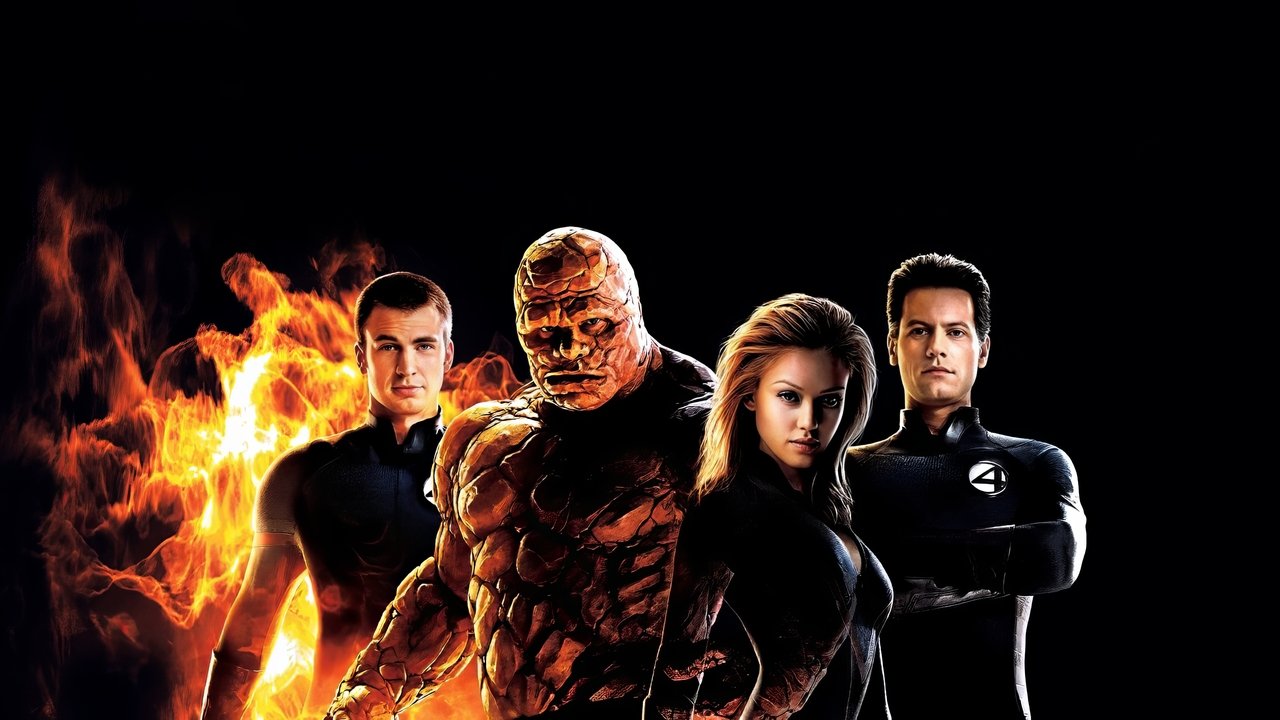
The action highlight is undoubtedly the Brooklyn Bridge sequence. It’s the first time the team uses their powers in public, and it’s staged with a clarity that many modern directors should study. There’s no "shaky cam" or confusing geography—just four people trying to stop a fire truck from falling off a bridge. It’s simple, effective, and focuses on the characters’ specific abilities.
The Doom of the Corporate Office
Then there’s Julian McMahon as Victor von Doom. In the comics, Doctor Doom is a Shakespearean sorcerer-king with a metal mask and a god complex. In 2005, apparently, Doctor Doom is just a disgruntled corporate middle manager with a skin condition.
The decision to make Victor a billionaire CEO who gets his powers from the same cosmic storm as the heroes was a very "Post-9/11 movie" move—trying to ground the fantasy in a world of stocks, bonds, and boardrooms. McMahon hammed it up perfectly for the era, but he never feels like a global threat. He feels like a guy who’s mad his IPO didn’t go well. It’s a small-scale villainy that makes the movie feel more like a pilot for a high-budget TV show than a cinematic epic.
Stuff You Didn't Notice
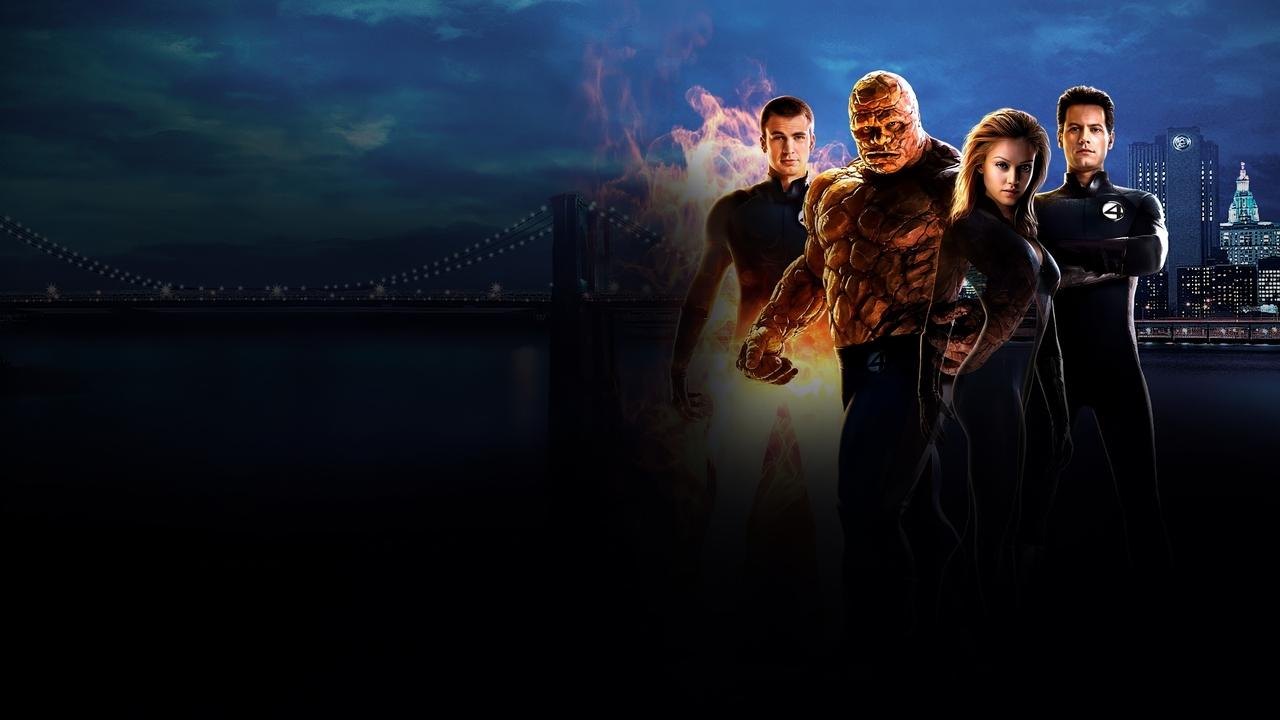
Looking back, the scale of this "blockbuster" is actually quite intimate. Here are a few things that stand out in retrospect:
The movie was a massive hit, raking in over $330 million, which effectively greenlit the sequel and proved that the "Fantastic Four" brand was a goldmine, even if critics weren't sold. To keep the "Thing" suit looking consistent, Michael Chiklis actually wore dentures to give him the character’s signature undershot jaw, which made it almost impossible for him to eat lunch. The Brooklyn Bridge set was actually a massive, 200-foot long scale model built in Vancouver, surrounded by shipping containers and giant green screens. This was one of the first major movies to really lean into the "viral" marketing potential of the internet, though in 2005, that mostly meant a very slow-loading Flash website with some downloadable wallpapers.
Ultimately, Fantastic Four is a "comfort food" movie. It isn't trying to deconstruct the genre or make a profound statement about the human condition. It’s a movie about a guy who can turn into a human campfire and his friend who looks like a giant ginger snap. It captures that specific moment when CGI was just starting to take over, but filmmakers still believed in building a 60-pound rock suit for an actor to sweat in. It’s not a masterpiece, but it’s a bright, breezy reminder of a time when superheroes were allowed to be just a little bit silly.
Keep Exploring...
-
Fantastic Four: Rise of the Silver Surfer
2007
-
Final Fantasy: The Spirits Within
2001
-
Race to Witch Mountain
2009
-
Soldier
1998
-
Atlantis: Milo's Return
2003
-
The League of Extraordinary Gentlemen
2003
-

Jurassic Park III
2001
-
Planet of the Apes
2001
-
The Mummy Returns
2001
-
Men in Black II
2002
-

Star Wars: Episode II - Attack of the Clones
2002
-
Hulk
2003
-

Night at the Museum
2006
-
Spider-Man 3
2007
-
Hancock
2008
-
2012
2009
-
Knowing
2009
-
Transformers: Revenge of the Fallen
2009
-
Clash of the Titans
2010
-
Resident Evil: Afterlife
2010