Final Fantasy VII: Advent Children
"The silver-haired reunion you weren't prepared for."
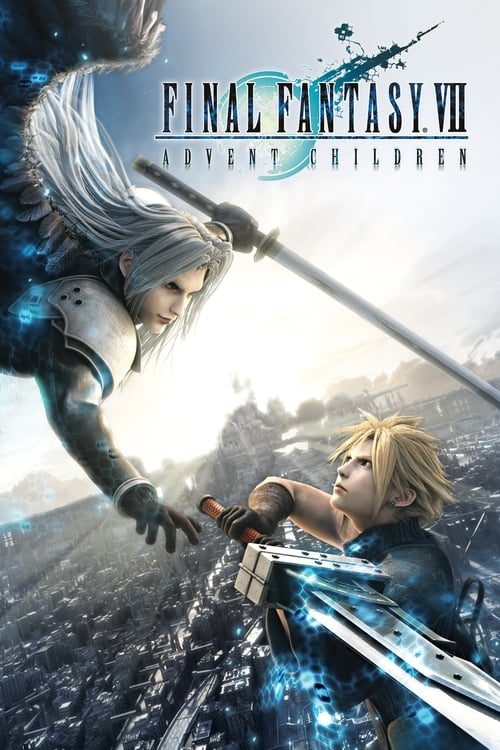
I remember peeling the plastic off my two-disc special edition DVD of Final Fantasy VII: Advent Children back in 2006, feeling like I was holding a piece of forbidden technology. At the time, Square Enix was still smarting from the box-office crater that was Final Fantasy: The Spirits Within (2001). They had learned a painful lesson: general audiences didn’t want a generic sci-fi story with a Final Fantasy sticker on it. They wanted the characters they had spent 80 hours with on their PlayStation. So, Tetsuya Nomura—the man who basically designed the aesthetic of the late 90s—stepped into the director’s chair to give the people exactly what they wanted: 100 minutes of pure, unadulterated fanservice.
I watched this recently while my roommate’s cat was aggressively kneading my lap, and let me tell you, the rhythmic digging of claws into my thigh perfectly mirrored the sharp, jagged intensity of the film’s fight choreography.
Gravity is Merely a Suggestion
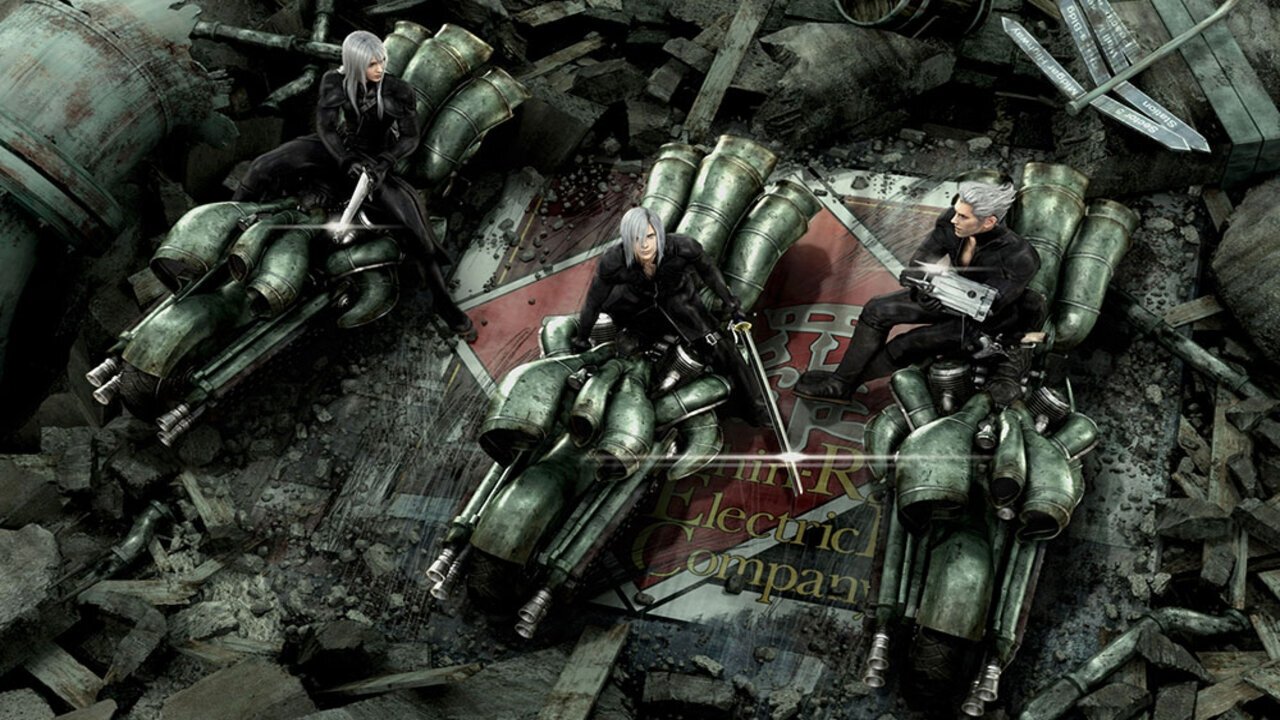
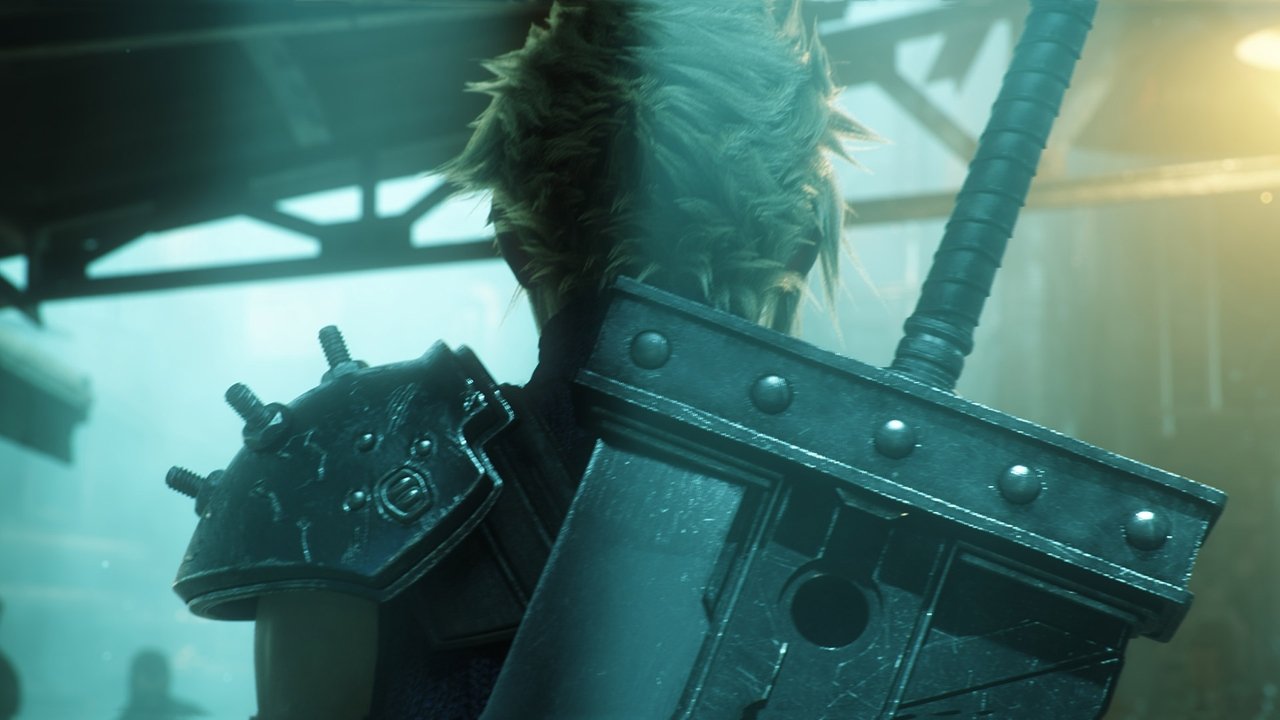
If you’re looking for a coherent narrative that follows the "Show, Don't Tell" rule, you’ve come to the wrong neighborhood. Advent Children operates on the logic of a heavy metal album cover. The plot involves three silver-haired remnants of Sephiroth—led by the moody Showtaro Morikubo as Kadaj—who are looking for "Mother" and spreading a weird grey-scale skin disease called Geostigma. Our hero, Cloud Strife (Takahiro Sakurai), is now a depressed delivery man living in a church, literally suffering from a sickness born of guilt.
But honestly? No one is here for the thematic exploration of grief. We are here for the moments where Cloud’s motorcycle, the Fenrir, unfolds like a Swiss Army knife to reveal six different swords. The action is where this film asserts its dominance. Unlike the "shaky-cam" trend that was suffocating Hollywood action around 2005, Nomura and his team at Visual Works opted for a hyper-stylized, "wire-fu" aesthetic that ignores physics entirely. People don't just jump; they fly. Swords don't just clank; they create shockwaves that shatter skyscrapers. The final battle between Cloud and Sephiroth is basically a five-minute-long ego trip that defies every law of thermodynamics, and I loved every second of it.
The Peak of the CGI Revolution
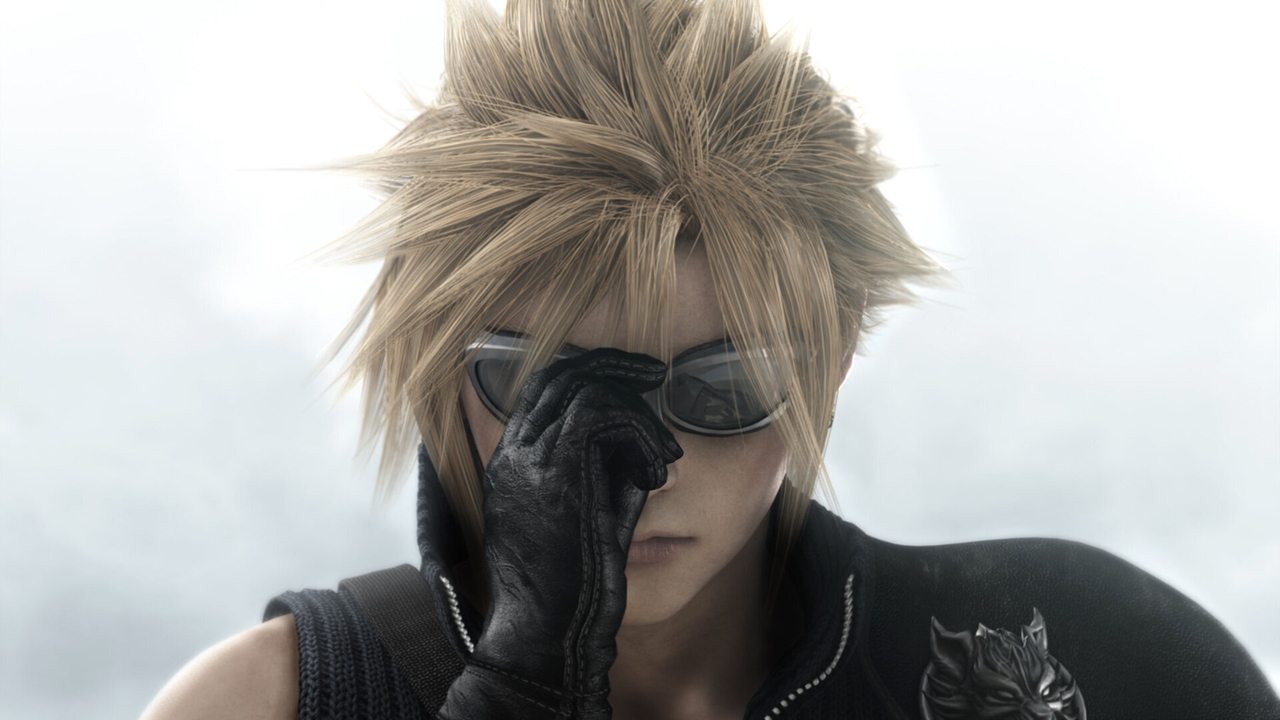
Looking back from an era where we have the Final Fantasy VII Remake in 4K, it’s easy to forget how groundbreaking this looked in 2005. This was the transition period where CGI was moving away from the "uncanny valley" plastic skin of the early 2000s and toward something more tactile. You can see the individual fibers on Tifa Lockhart’s (Ayumi Ito) leather vest and the way the light hits the mako-infused eyes of the cast.
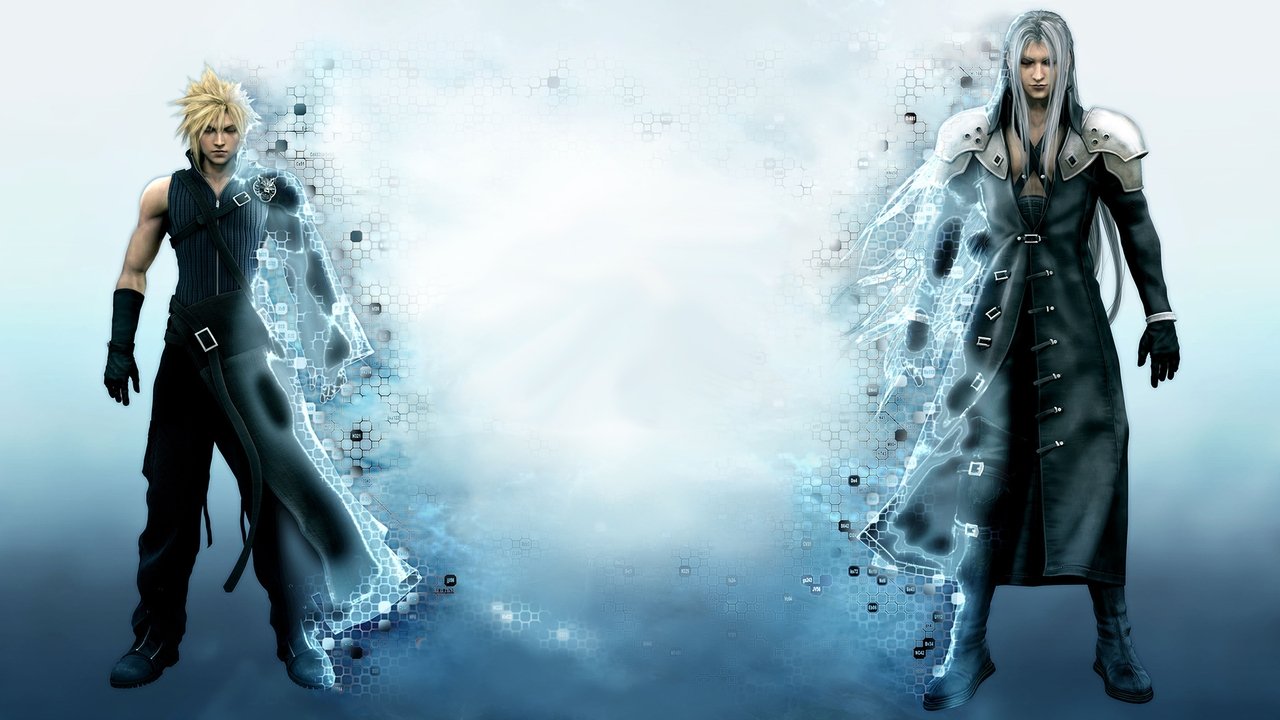
It’s also a fascinating time capsule of mid-2000s "Cool Japan" aesthetics. Everyone has too many belts, the hair is impossibly gravity-defying, and there is a pervasive sense of urban melancholy that felt very post-Y2K. The sound design, too, is a masterclass in impact. When Cloud and Kadaj clash blades on the highway, the sound isn't a metallic "ping"—it’s a deep, thudding "crunch" that makes you feel the weight of those oversized slabs of iron. Nobuo Uematsu, the legendary composer, returned to remix his iconic score into a prog-rock frenzy, and "One-Winged Angel" has never sounded more like a threat.
A DVD Culture Relic
Advent Children was a phenomenon that lived and died by its home video release. It was one of the few films that justified the existence of the PSP’s UMD format (if anyone remembers those clicking plastic discs). The DVD was packed with "Making Of" featurettes that showcased the sheer obsession of the Square Enix staff. One of the coolest details I unearthed from those supplements was that the animators actually filmed themselves doing stunts with wooden sticks to get the "weight" of the sword swings right before digitizing them.
Despite its beauty, the film is notoriously impenetrable for anyone who hasn't played the 1997 game. It makes zero effort to welcome newcomers. It’s a sequel in the most literal sense, assuming you already know who Maaya Sakamoto’s Aerith is and why her appearing in a field of flowers is supposed to make you cry. The script is essentially just a series of excuses to get the old gang back together for a glorified high school reunion with more explosions. It’s a messy, beautiful, over-designed, and utterly sincere piece of digital art that proves sometimes, giving the fans exactly what they want is the right move—even if it makes no sense to anyone else.
Final Fantasy VII: Advent Children is the ultimate "vibe" movie. It’s a technical showcase that prioritizes style over substance so aggressively that the style becomes the substance. While the 2009 "Complete" version fixed some of the pacing issues, this original 2005 cut remains a fascinating look at a time when Square Enix was the undisputed king of digital spectacle. If you can handle the "emo" angst and the physics-defying nonsense, it’s a thrill ride that still manages to out-choreograph most modern blockbusters.
Keep Exploring...
-
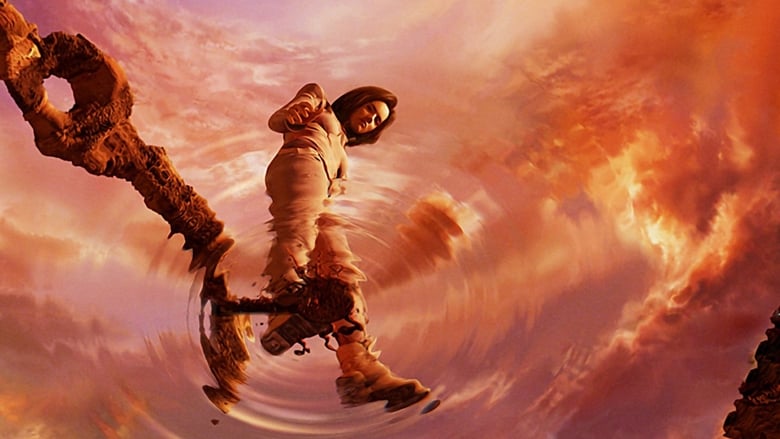
Final Fantasy: The Spirits Within
2001
-
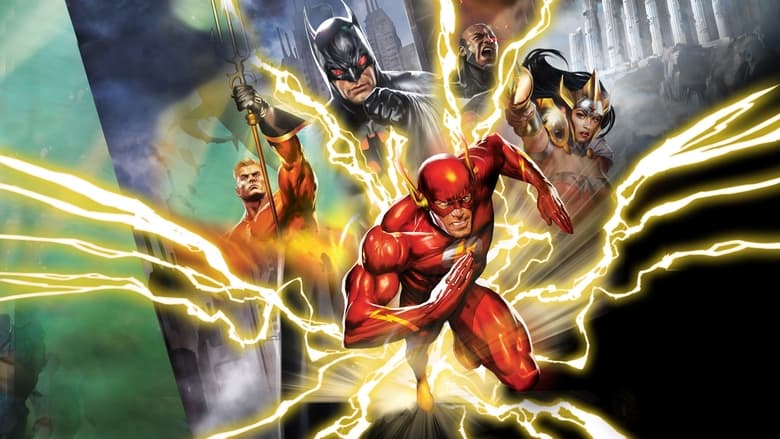
Justice League: The Flashpoint Paradox
2013
-
Titan A.E.
2000
-
Osmosis Jones
2001
-

Superman/Shazam!: The Return of Black Adam
2010
-
Evangelion: 2.0 You Can (Not) Advance
2009
-
Justice League: Doom
2012
-
Treasure Planet
2002
-

Sinbad: Legend of the Seven Seas
2003
-
9
2009
-
Avatar
2009
-
Batman vs. Robin
2015
-
Justice League vs. Teen Titans
2016
-
Justice League Dark
2017
-

Cowboy Bebop: The Movie
2001
-
Tales from Earthsea
2006
-

Evangelion: 1.0 You Are (Not) Alone
2007
-

Naruto Shippuden the Movie
2007
-
Resident Evil: Degeneration
2008
-
Pokémon: The First Movie
1998