Flightplan
"Gaslighting at cruising altitude."
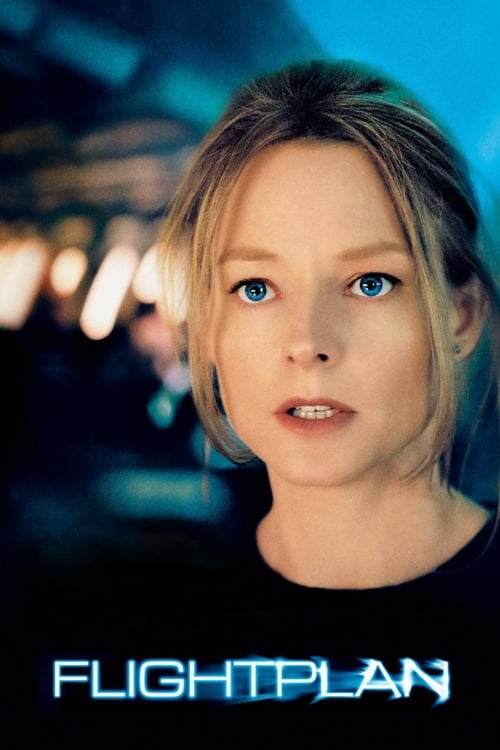
In the mid-2000s, Hollywood discovered a specific, highly profitable alchemy: take an Oscar-winning actress, put her in a confined space, and tell her she’s losing her mind. We saw it in Panic Room and The Forgotten, but Flightplan remains the ultimate specimen of the "is she crazy or is it a conspiracy?" subgenre. It’s a film that leans heavily into the claustrophobia of modern travel, turning a state-of-the-art aircraft into a floating haunted house where the ghosts are replaced by indifferent flight attendants and skeptical passengers.
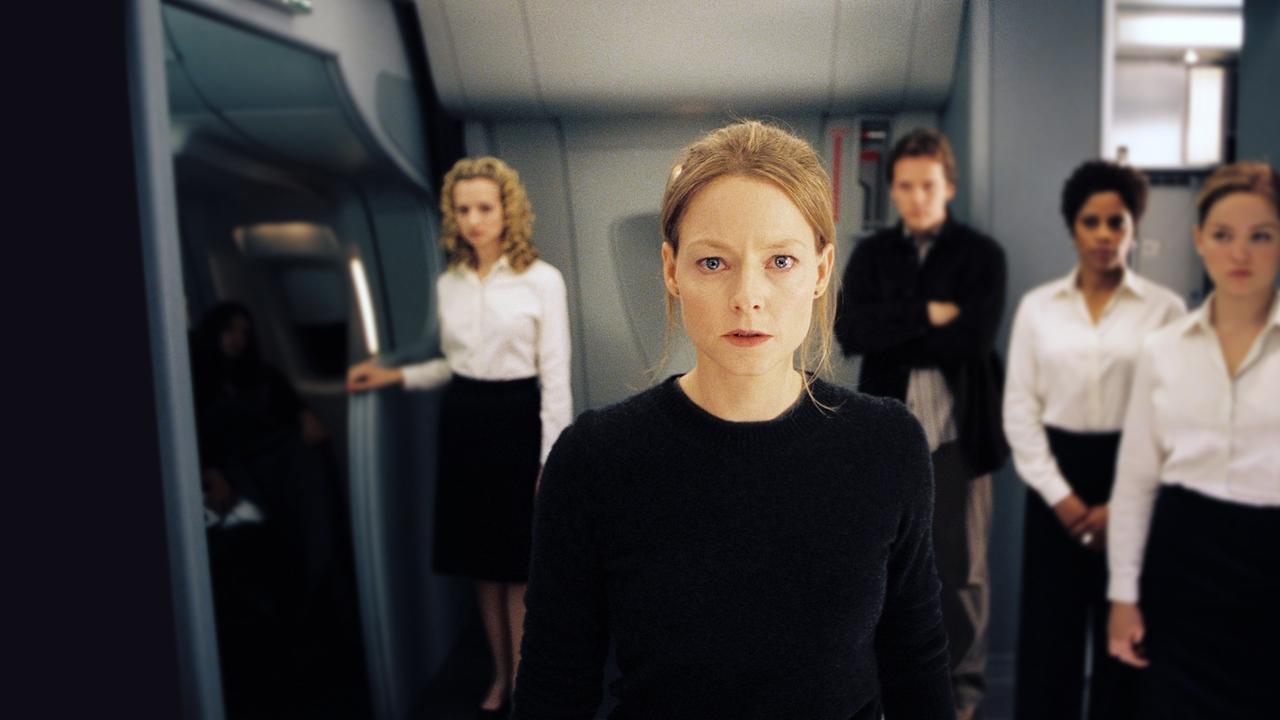
I watched this recently on a DVD I rescued from a "3 for $10" bin at a closing Blockbuster while eating a lukewarm bowl of leftover chili, and honestly, the grainy 2005-era compressed video only added to the sense of isolation. There’s something about the sterile, blue-tinted cinematography of that decade that perfectly captures the cold, lonely anxiety of a widow trying to navigate a world that has stopped making sense.
The Architect of Her Own Nightmare
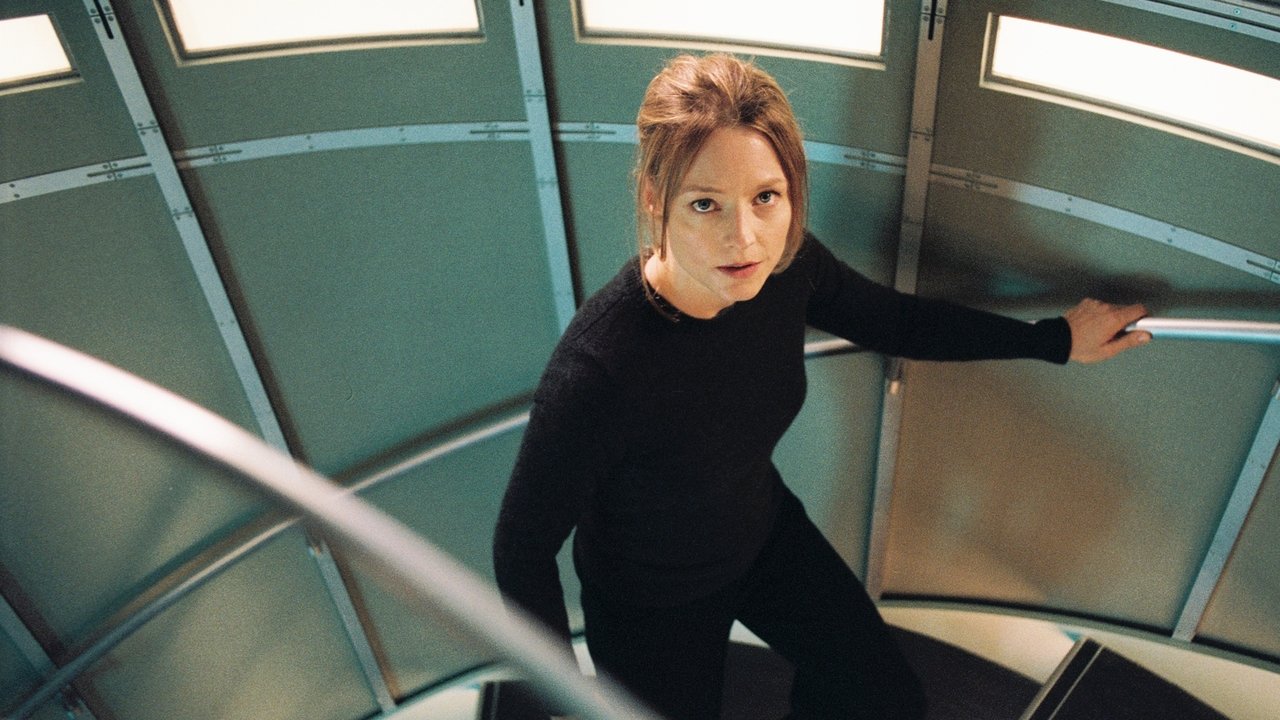
The film rests entirely on the shoulders of Jodie Foster, playing Kyle Pratt, an aircraft propulsion engineer who is transporting her husband’s casket from Berlin to New York. She’s grieving, she’s sleep-deprived, and she’s traveling with her six-year-old daughter, Julia. After a nap, Julia is gone. Not just "wandered off to the galley" gone, but "never on the manifest, no one saw her, did she even exist?" gone.
Jodie Foster is one of the few actors who can play "high-functioning panic" without it feeling like a theatrical exercise. She doesn't just scream; she analyzes. Because Kyle helped design the very plane they are flying on—the fictional E-474—she knows the layout of the ducts and the avionics better than the crew. It’s a brilliant script choice by Billy Ray and Peter A. Dowling. It gives our protagonist a superpower: she’s not just a mother; she’s the person who knows where the bodies are buried in the walls of the machine.
Opposite her, Peter Sarsgaard plays Gene Carson, an air marshal who seems to be the only person willing to give her the benefit of the doubt—at least initially. Sarsgaard has always been excellent at playing characters who feel like they are hiding a secret just behind their eyelids, and his presence adds a layer of simmering tension to an already pressurized cabin.
A Time Capsule of Post-9/11 Paranoia
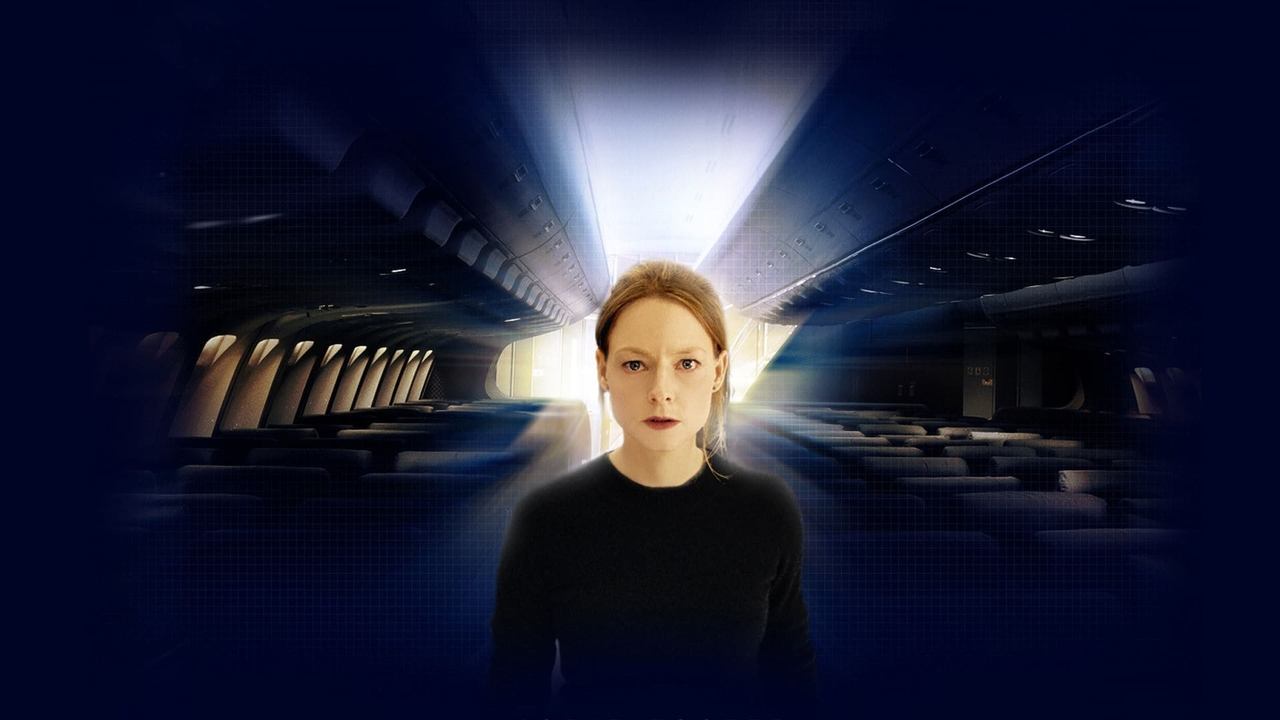
Looking back, Flightplan is a fascinating artifact of its era. Released four years after 2001, the film is soaked in the specific anxieties of the time. The plane itself is a massive, double-decker behemoth (a clear nod to the then-impending Airbus A380), designed to feel like a flying shopping mall that can also become a prison.
The film doesn't shy away from the darker impulses of the period, either. When Kyle becomes desperate, she lashes out and accuses two Middle Eastern passengers based on nothing but her own frantic prejudice. It’s an uncomfortable scene to watch today, but it’s an honest reflection of the cultural temperature of 2005. The film uses our own collective "sky-fever" against us, making us question if Kyle is a hero or a woman whose grief has manifested as a dangerous delusion.
The movie basically operates on the logic of a nightmare where you've forgotten your pants, but instead of pants, it's your child and everyone is staring at you with customer-service smiles. This middle act is where director Robert Schwentke shines. He uses the vastness of the plane—the cargo holds, the attic-like crawl spaces, the galley elevators—to create a sense of scale that feels both epic and suffocating.
The Big Reveal and the Box Office
The production was a massive undertaking. The E-474 set was one of the largest interior sets ever built, designed to be modular so the cameras could navigate the tight aisles. Interestingly, the lead role was originally written for Sean Penn. Switching the protagonist to a woman changed the entire DNA of the film, leaning into the "hysterical mother" trope only to have Foster dismantle it with surgical precision.
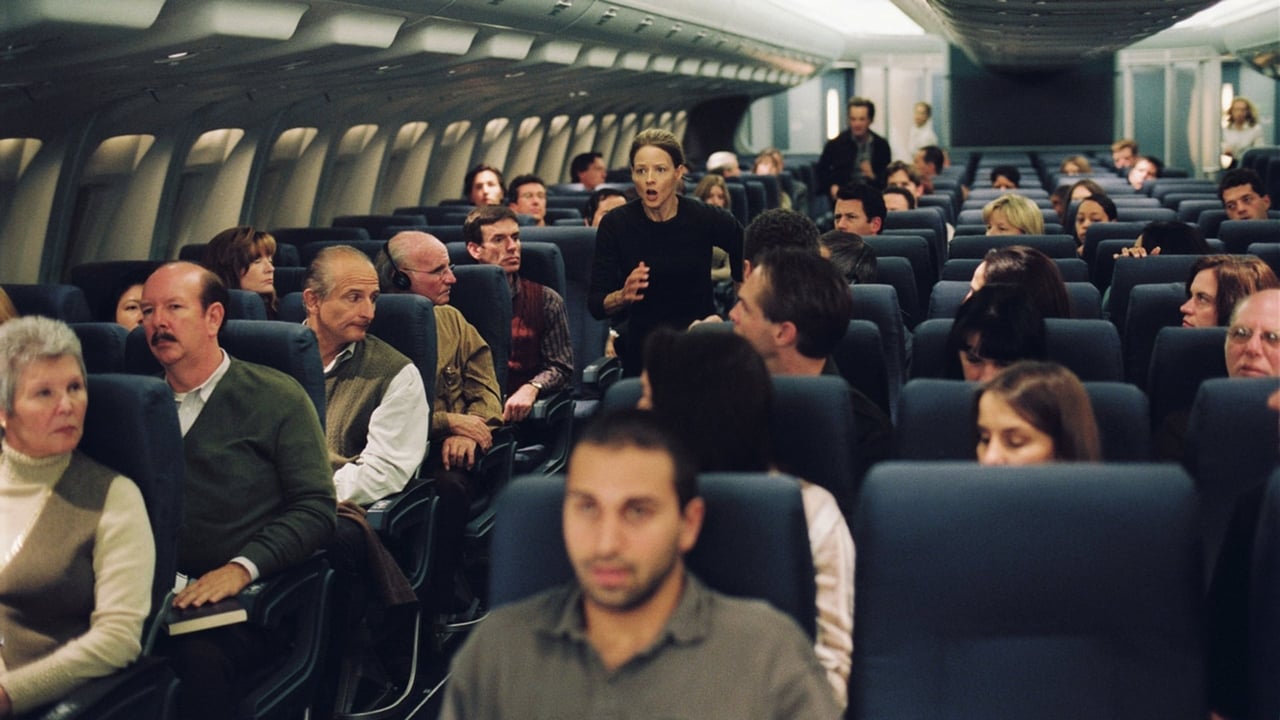
Financially, the movie was a juggernaut. On a $55 million budget, it raked in over $223 million worldwide. Audiences in 2005 were hungry for high-concept thrillers that didn't rely on superheroes, and Flightplan delivered exactly that. It even survived a boycott attempt by two flight attendant unions who were deeply offended that the film portrayed cabin crews as anything less than angelic lifesavers.
Does the third act hold up? The finale takes a sharp turn into "Early 2000s Action Movie Logic" involving C4 explosives and a villain reveal that feels a bit like a Scooby-Doo episode. It’s a bit of a tonal whiplash from the quiet, psychological dread of the first hour. However, the sheer momentum of the plot and Foster's committed performance keep the plane in the air.
Ultimately, Flightplan is a polished, professional thriller that knows exactly what it is. It’s a Hitchcockian "wrong man" story (or "wrong woman") updated for the age of global transit and high-tech surveillance. It might fall into some predictable patterns by the time the wheels touch the tarmac, but the journey there is genuinely gripping. If you can forgive a few leaps in logic during the final twenty minutes, it remains one of the more effective exercises in tension from the mid-aughts.

Keep Exploring...
-
Unbreakable
2000
-

Signs
2002
-

The Village
2004
-
The Bourne Ultimatum
2007
-
Disturbia
2007
-

RED
2010
-

Panic Room
2002
-

K-19: The Widowmaker
2002
-
The Skeleton Key
2005
-

Ghost
1990
-
In the Line of Fire
1993
-

The Firm
1993
-
The Net
1995
-

The 6th Day
2000
-
What Lies Beneath
2000
-

Basic
2003
-

National Treasure
2004
-

The Manchurian Candidate
2004
-
Stay
2005
-
Edge of Darkness
2010