Get Rich or Die Tryin'
"A microphone, a handgun, and the 2005 zeitgeist."
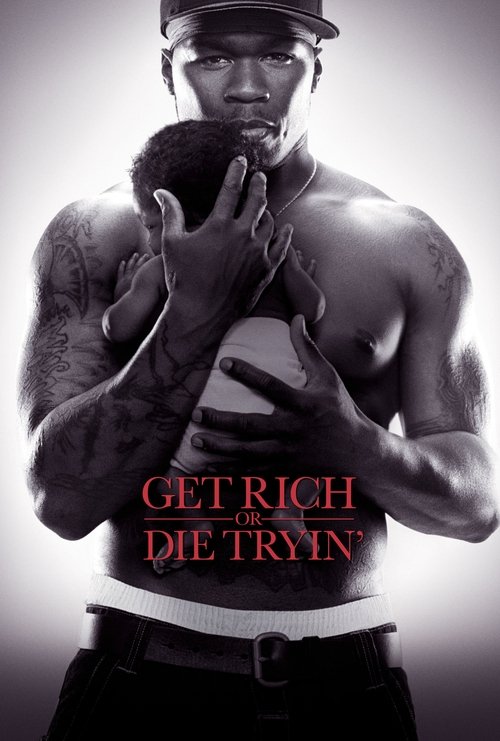
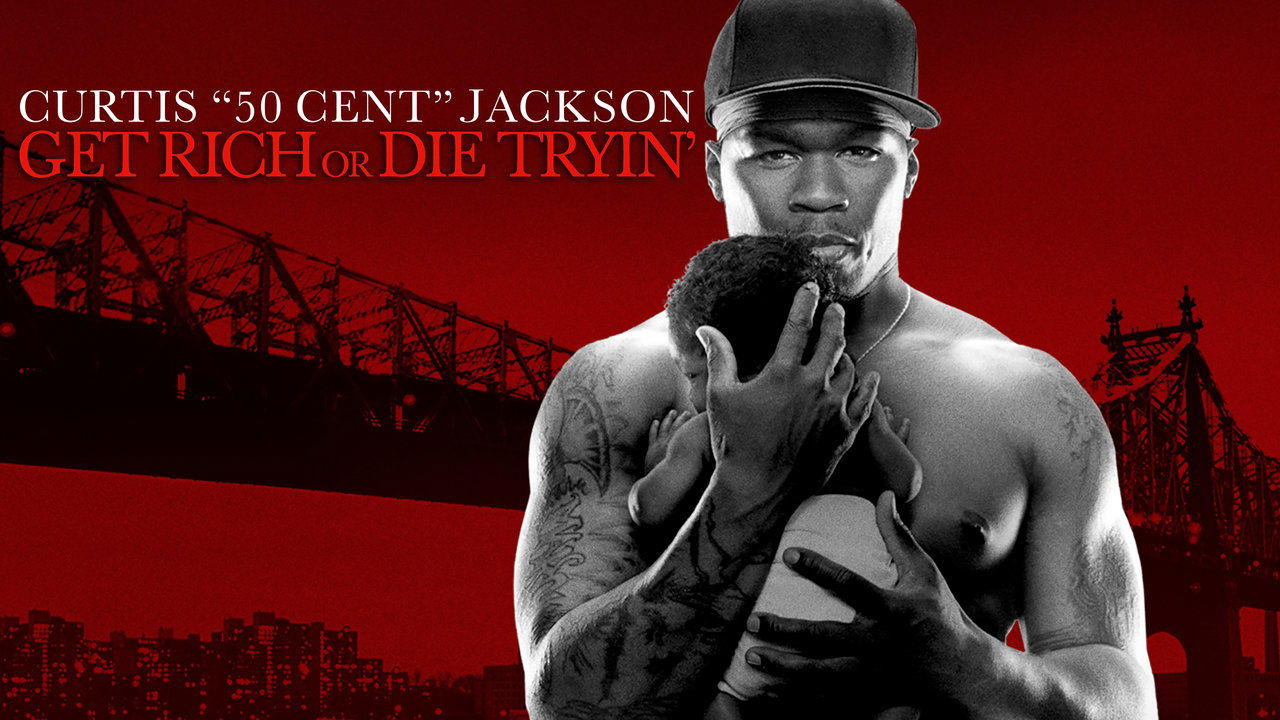
In 2005, you couldn’t escape Curtis "50 Cent" Jackson. He was the center of the cultural solar system, a man who had successfully turned a backstory involving nine bullets into a multi-platinum empire, a video game, and eventually, a semi-autobiographical prestige drama. I remember seeing the theatrical poster—Marcus standing shirtless, a pistol tucked into the back of his jeans right next to a chrome microphone—and thinking it was the most aggressive piece of marketing I’d ever seen. It wasn’t just a movie; it was a coronation.
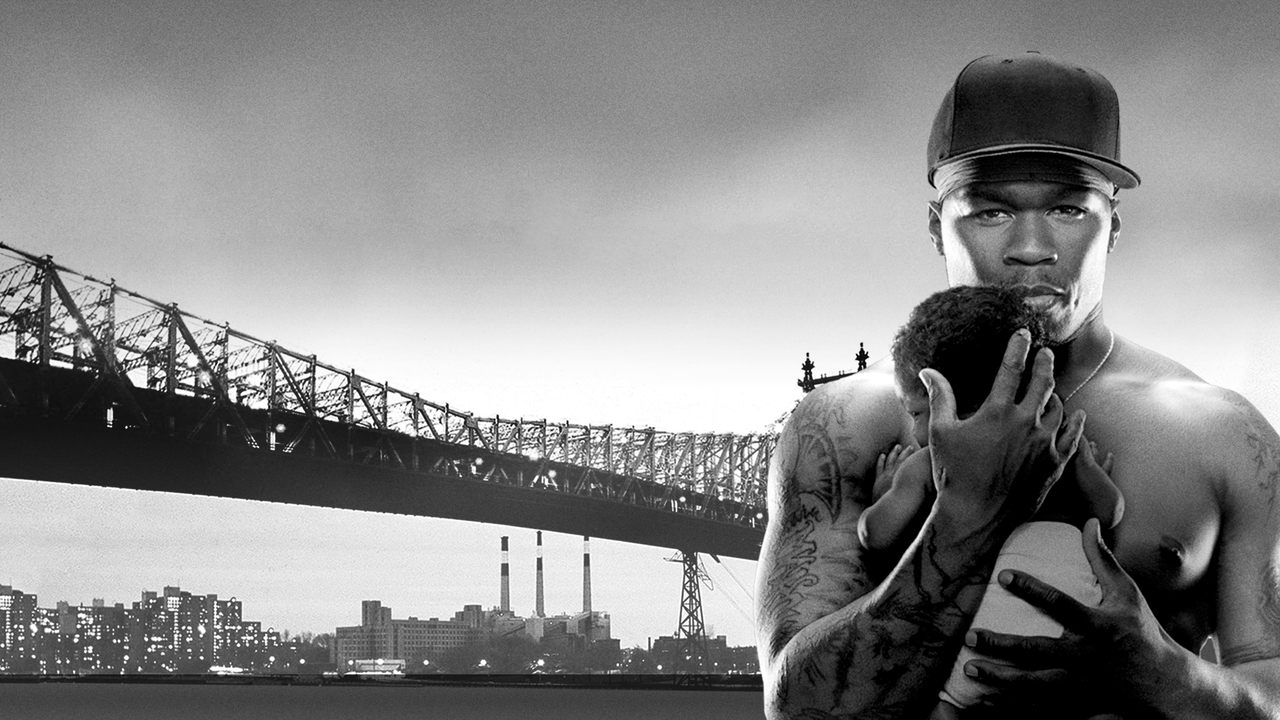
I recently revisited Get Rich or Die Tryin’ on a humid Tuesday night while eating a bag of slightly stale pretzel rods, and what struck me isn’t how much it resembles a rap video, but how much it tries not to. This isn't some low-budget vanity project. It was directed by Jim Sheridan, the man behind My Left Foot, and written by Terence Winter, the architect of The Sopranos. On paper, this had the pedigree of an Oscar contender. In practice, it’s a fascinating, gritty, and occasionally clunky time capsule of the mid-2000s "street lit" cinema era.
The Irish Director in the Queens Trenches
The most baffling thing about this film remains Jim Sheridan. Why would an acclaimed Irish director known for intimate, soulful dramas want to tackle the crack-era history of South Jamaica, Queens? Looking back, you can see his fingerprints in the family scenes. The moments between Marcus and his mother, or the quiet domesticity with Grandma (played by a young, pre-superstardom Viola Davis), have a weight that most "rapper movies" lack.
Sheridan treats the drug trade not as a glamorous montage, but as a bleak, claustrophobic trap. The cinematography is muted and grey, capturing that specific New York winter chill where the slush on the curb looks like charcoal. It’s a far cry from the neon-soaked aesthetics of Hype Williams. However, the marriage between Sheridan’s sensibilities and 50 Cent’s persona is an uneasy one. There’s a constant tug-of-war between a serious character study and a movie that knows it needs to sell a soundtrack. It’s basically '8 Mile' with a much higher body count and significantly less self-reflection.
50 Cent vs. The Craft of Acting
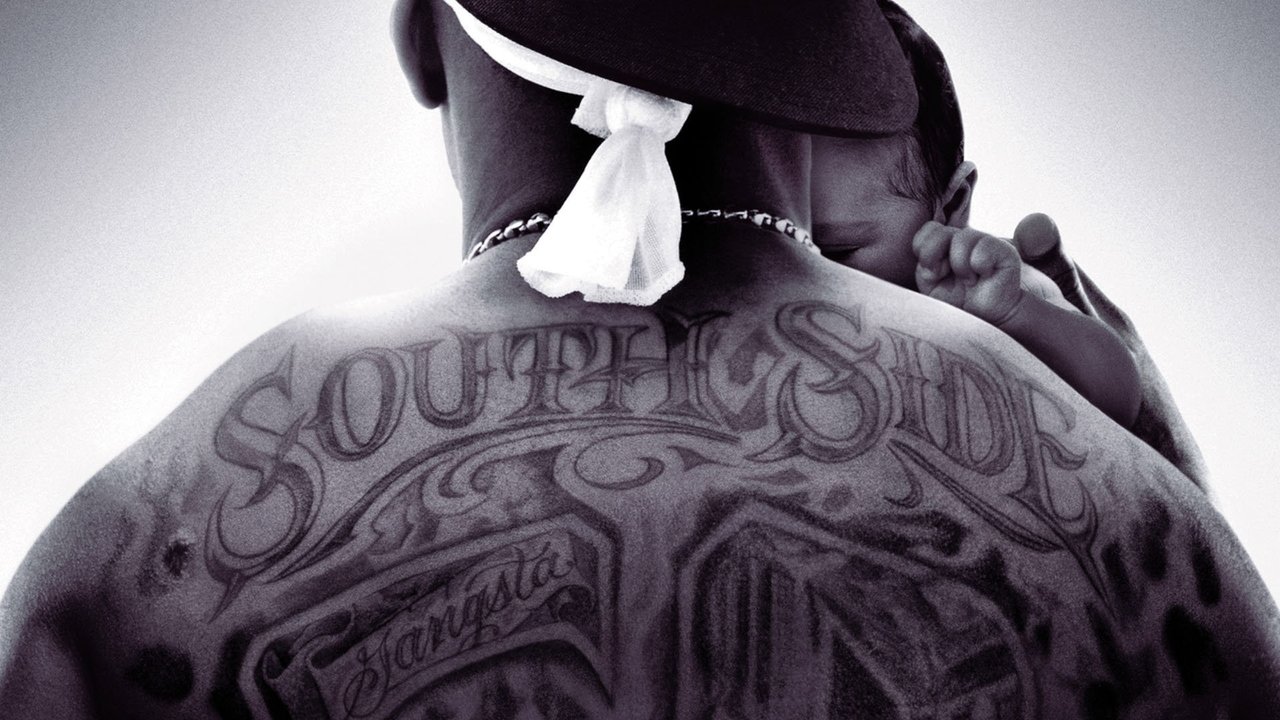
Then there’s the man himself. 50 Cent (credited here as Curtis "50 Cent" Jackson) is an interesting screen presence, though "actor" might be a generous term for this specific era of his career. He spends a significant portion of the runtime looking like he’s trying to remember if he left the stove on. He is stoic to a fault. While Eminem brought a frantic, twitchy energy to 8 Mile, 50 moves through the film like a heavy-duty refrigerator—imposing, solid, and largely unmoving.
Yet, there is a weird effectiveness to his stillness. Marcus is a character who has survived trauma by shutting down, and 50’s natural lack of emotive range actually suits a man who has to hide his intentions from both the cops and the rival dealers. Thankfully, he is surrounded by an absolute powerhouse supporting cast that does the heavy lifting. Terrence Howard is electric as Bama, Marcus’s manic, loyal, and terrifyingly volatile partner. Howard brings a jittery, unpredictable soul to the film that 50 simply can’t provide. Meanwhile, Adewale Akinnuoye-Agbaje as the villainous Majestic is pure nightmare fuel, playing the role with a Shakespearean level of menace that feels like it belongs in a much darker movie.
A Relic of the DVD Renaissance
Watching this now, it screams 2005 in a way that’s almost nostalgic. This was the peak of the DVD era, where you’d buy the "unrated" version just to see the three minutes of footage the MPAA deemed too spicy for theaters. The film feels built for that format—it’s episodic, dense with side characters like Keryl (Omar Benson Miller), and packed with the kind of "street authenticity" that fueled the special features documentaries of the time.
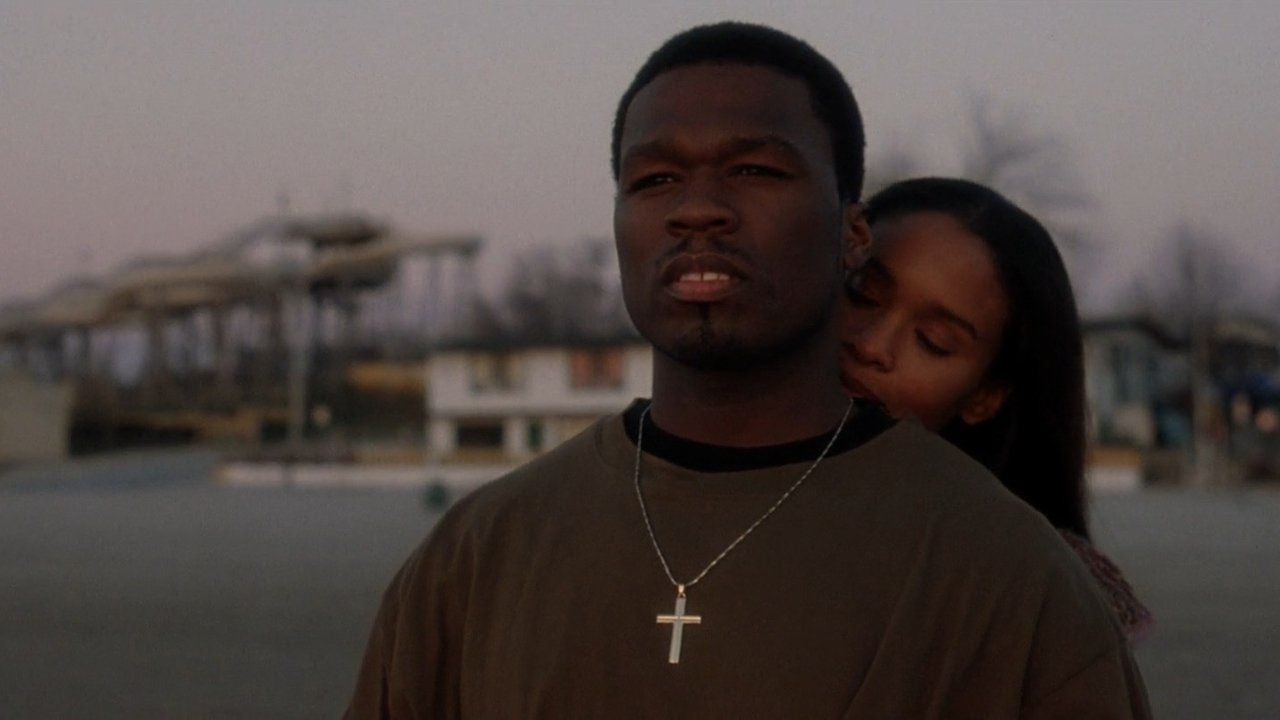
The transition from dealer to rapper feels rushed in the final act—a common symptom of the biopic genre—but the journey there is surprisingly grim. The infamous shower room fight scene is a standout piece of choreography, even if it feels a bit like the movie is trying too hard to prove its toughness. It’s a film that wants to be Scarface but is forced to be a success story, and that's where it wobbles. The script tries to convince us Marcus is a poet, but the camera is much more interested in him being a soldier.
Ultimately, Get Rich or Die Tryin’ is better than it probably had any right to be, even if it’s not the masterpiece Sheridan was likely aiming for. It lacks the universal underdog spark of 8 Mile, but it functions as a solid, well-acted crime drama that happened to star the biggest rapper on the planet. It’s a polished piece of studio filmmaking that captures a very specific moment when hip-hop and Hollywood were entering a corporate marriage of convenience.
It’s the kind of movie you stop and watch for twenty minutes when you find it on a random cable channel at 1:00 AM. You’ll stay for Terrence Howard’s charisma, you’ll marvel at the fact that Viola Davis is in this, and you’ll hum "Hustler's Ambition" for the rest of the night. It hasn't aged into a classic, but as a snapshot of an era when 50 Cent was invincible, it still packs a punch.

Keep Exploring...
-

Honey
2003
-
Step Up
2006
-

The Brave One
2007
-
A Man Apart
2003
-
Cradle 2 the Grave
2003
-

Raise Your Voice
2004
-
Alpha Dog
2006
-
Gridiron Gang
2006
-
We Own the Night
2007
-
Appaloosa
2008
-

Lakeview Terrace
2008
-

Nick and Norah's Infinite Playlist
2008
-
Street Kings
2008
-
Untraceable
2008
-

Brothers
2009
-
The Last House on the Left
2009
-
Brooklyn's Finest
2010
-
I Love You Phillip Morris
2010
-
Takers
2010
-

The American
2010