Good Night, and Good Luck.
"The most dangerous weapon is a microphone."
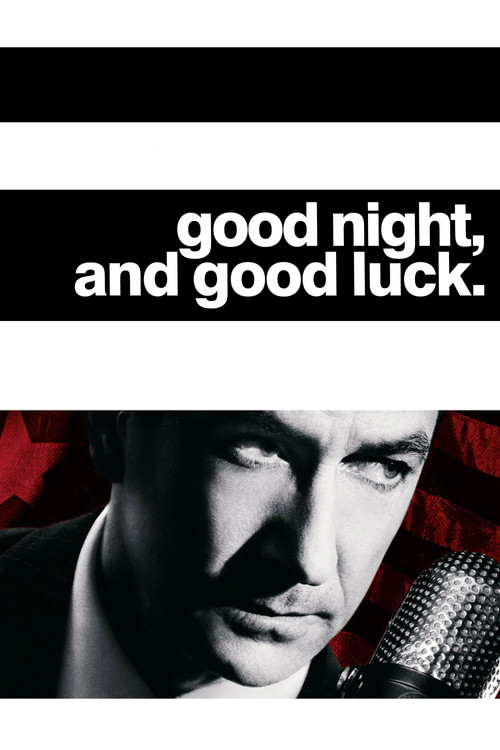
There is a specific kind of crackle in a mid-century newsroom—the rhythmic percussion of manual typewriters, the frantic rustle of scripts, and the omnipresent, curling haze of cigarette smoke. In Good Night, and Good Luck., that smoke feels like a character in itself, swirling around David Strathairn’s Edward R. Murrow like a physical manifestation of the murky ethics he’s trying to navigate. I rewatched this recently on a Tuesday night while my cat was methodically trying to nudge a half-full glass of water off the coffee table, and it struck me how much George Clooney’s second directorial effort feels less like a dusty history lesson and more like a high-stakes heist movie where the only treasure worth stealing is the truth.
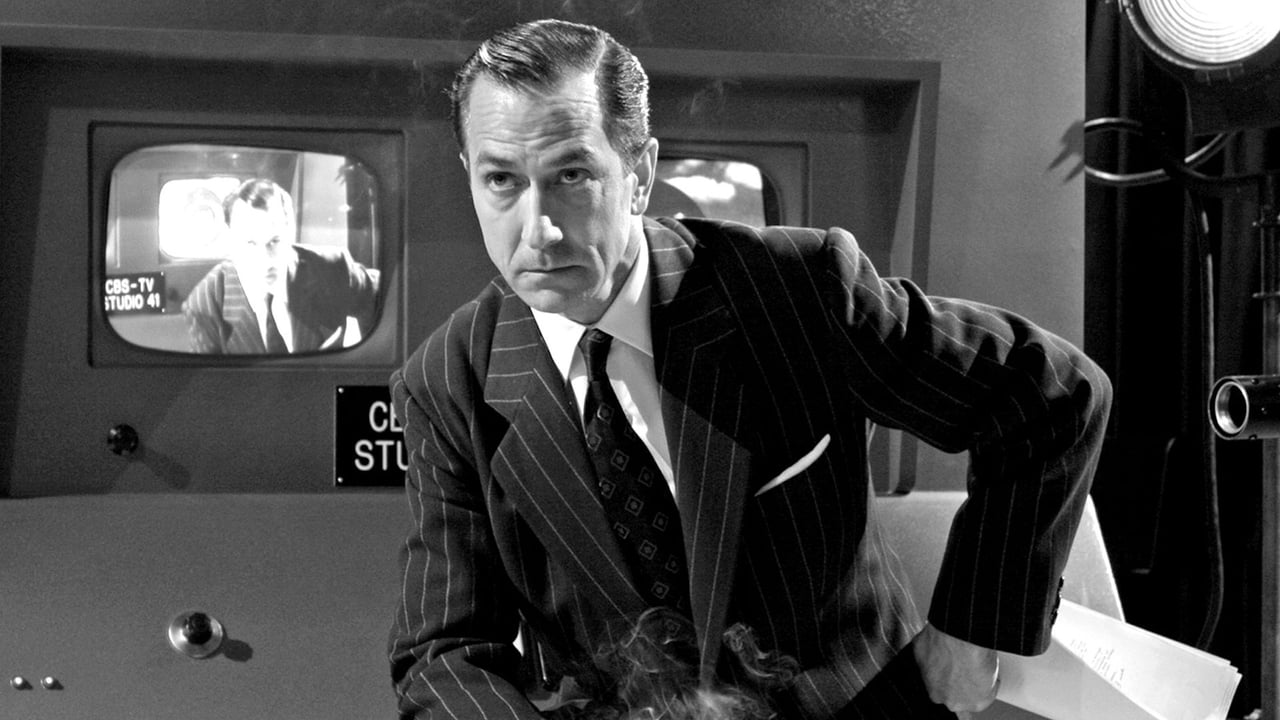
The Power of the "Receipts"
Back in 2005, Hollywood was in the middle of a massive identity crisis. We were seeing the first real push into the digital revolution, yet Clooney and cinematographer Robert Elswit decided to sprint in the opposite direction. By shooting in black and white, they didn't just capture the 1950s; they effectively time-traveled. The choice was functional rather than just aesthetic. Because the film is colorless, Clooney was able to seamlessly edit in actual archival footage of Senator Joseph McCarthy.
There is no actor playing the Senator. There’s no prosthetic nose or "Method" performance chewing the scenery. It is just the real man—sweating, blinking, and accusing. It’s a brilliant move that anchors the drama in a way a traditional biopic never could. Watching Murrow dismantle McCarthy’s arguments while the real McCarthy looms on a grainy monitor is the ultimate cinematic version of "bringing the receipts." It makes the threat feel chillingly tangible rather than like a theatrical caricature.
A Masterclass in Stillness
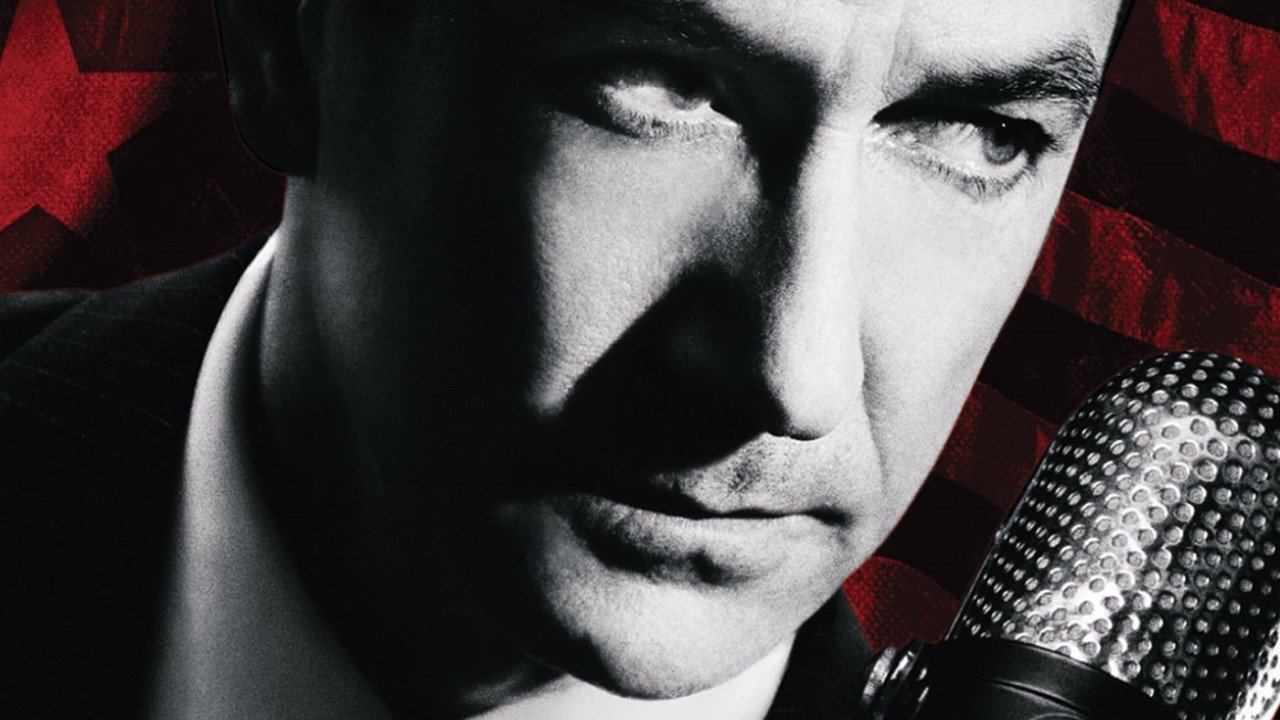
The cast here is a "who’s who" of people you’d want on your side in a bar fight or a constitutional crisis. David Strathairn gives a performance of such profound, vibrating stillness that it makes every twitch of his eyebrow feel like a major plot twist. He plays Murrow as a man who hasn't slept since the FDR administration, carrying the weight of the First Amendment in his cheekbones. He doesn't shout; he articulates.
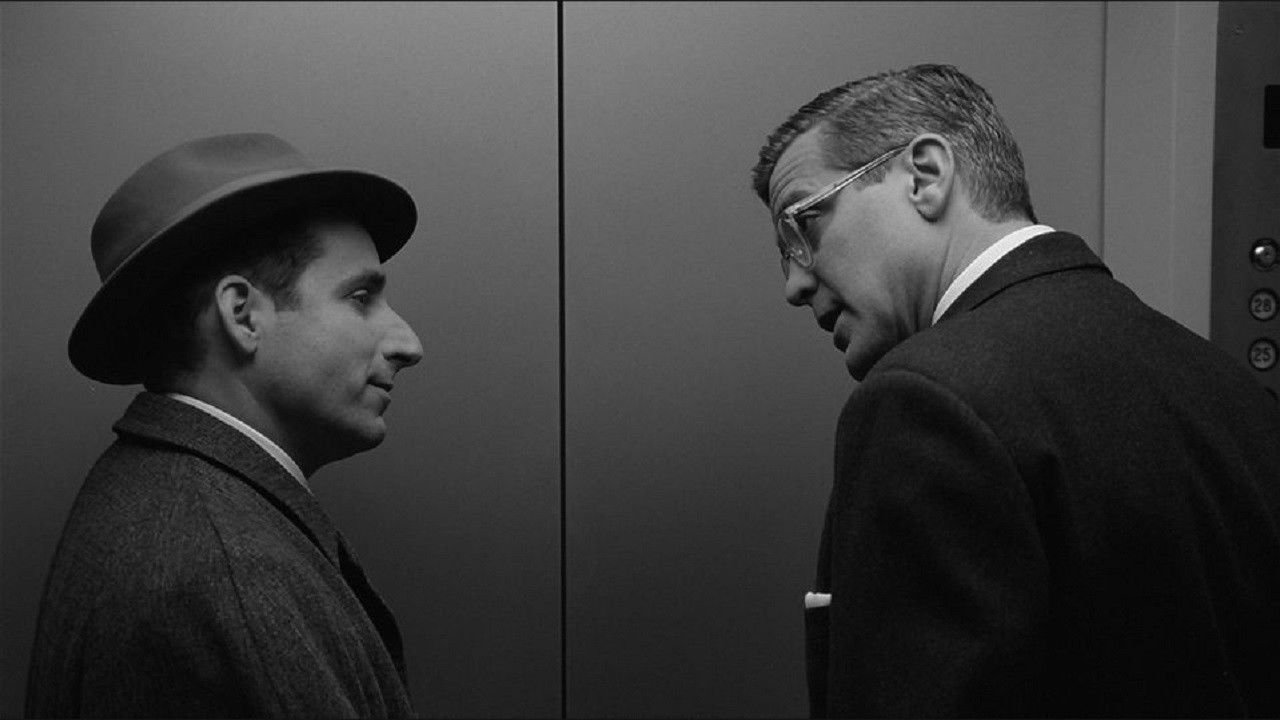
Then you have the newsroom ensemble. George Clooney plays producer Fred Friendly with a harried, loyal energy, while Frank Langella enters the frame as CBS head William Paley like a corporate dragon guarding a very expensive cave. Perhaps most interesting in retrospect is Robert Downey Jr., who plays Joe Wershba. At the time, this was part of his "pre-Iron Man" comeback phase. He’s subtle, nervous, and grounded here, working alongside Patricia Clarkson in a subplot about a secret marriage that adds a much-needed human cost to the corporate rigidity of the era. It’s a reminder that before he was a superhero, he was one of the best character actors in the business.
Why This Hits Different Now
When this dropped in the mid-2000s, the subtext was screaming. We were in the thick of post-9/11 anxieties and the Patriot Act, and Clooney was clearly using the 1950s to ask if the modern media had the guts to challenge the status quo. Looking at it nearly two decades later, it’s arguably even more relevant. In an era of algorithmic echo chambers, Murrow’s closing speech—the famous "wires and lights in a box" monologue—feels like a hammer blow to the chest. It’s the cinematic equivalent of a cold glass of water to the face.
The film argues that television can either teach and illuminate, or it can simply be an "insulation" against reality. Clooney doesn't sugarcoat the ending, either. Murrow wins the battle against McCarthy, but the corporate machine still pushes his show to a graveyard slot. It’s a victory, sure, but it’s a bruised one.
The Smoke and the Sound
One of the coolest details about the production is how they handled the sound. Instead of a traditional sweeping orchestral score that tells you exactly how to feel, the movie uses live jazz performances by Dianne Reeves as transitional tissue. It makes the whole movie feel like a late-night broadcast. Apparently, the set was so thick with "fake" herbal smoke to recreate the heavy-smoking atmosphere of the 50s that the actors were constantly coughing between takes. It’s the most pro-lung-cancer movie ever made that isn't actually about smoking. That commitment to the "vibe" is what makes the 92-minute runtime fly by. There’s no fat on this script; it’s all muscle and nicotine.
Good Night, and Good Luck. is a lean, sophisticated drama that treats its audience like adults. It doesn’t need explosions or a romantic lead to keep you hooked; it relies entirely on the power of the spoken word and the tension of a ticking clock. It’s a film about having a spine when the wind is blowing the wrong way. If you’ve missed this one in the shuffle of mid-2000s prestige cinema, do yourself a favor and catch it on a quiet night. It’s a sharp reminder that sometimes, the most revolutionary thing you can do is stand still and tell the truth.


Keep Exploring...
-
Confessions of a Dangerous Mind
2002
-
The Ides of March
2011
-
Frost/Nixon
2008
-
The Monuments Men
2014
-
Finding Forrester
2000
-
The Count of Monte Cristo
2002
-
The New World
2005
-
Invincible
2006
-
United 93
2006
-
In the Valley of Elah
2007
-
Defiance
2008
-
The Young Victoria
2009
-
The Way Back
2010
-
Mona Lisa Smile
2003
-
Seabiscuit
2003
-
Joyeux Noel
2005
-
Flags of Our Fathers
2006
-
The Good Shepherd
2006
-
World Trade Center
2006
-

Charlie Wilson's War
2007